Bathrobe Bar
Bathrobe Bar is a spa-address drinking room in Schwarzenberg, a Bregenzerwald village where hospitality is shaped less by late-night spectacle than by alpine quiet, wellness rhythms, and hotel culture. With, it belongs to the category of bars to approach through setting first: Hof 14, 6867 Schwarzenberg, inside a spa context.

Pearl is the En Primeur Club membership app — saves, bookings, and concierge access live there. Same editors, same standards.
- Address
- Hof 14, 6867 Schwarzenberg, Austria
- Phone
- +43 5512 29440
- Directions
- Get directions
- Booking
- Book on Zenchef
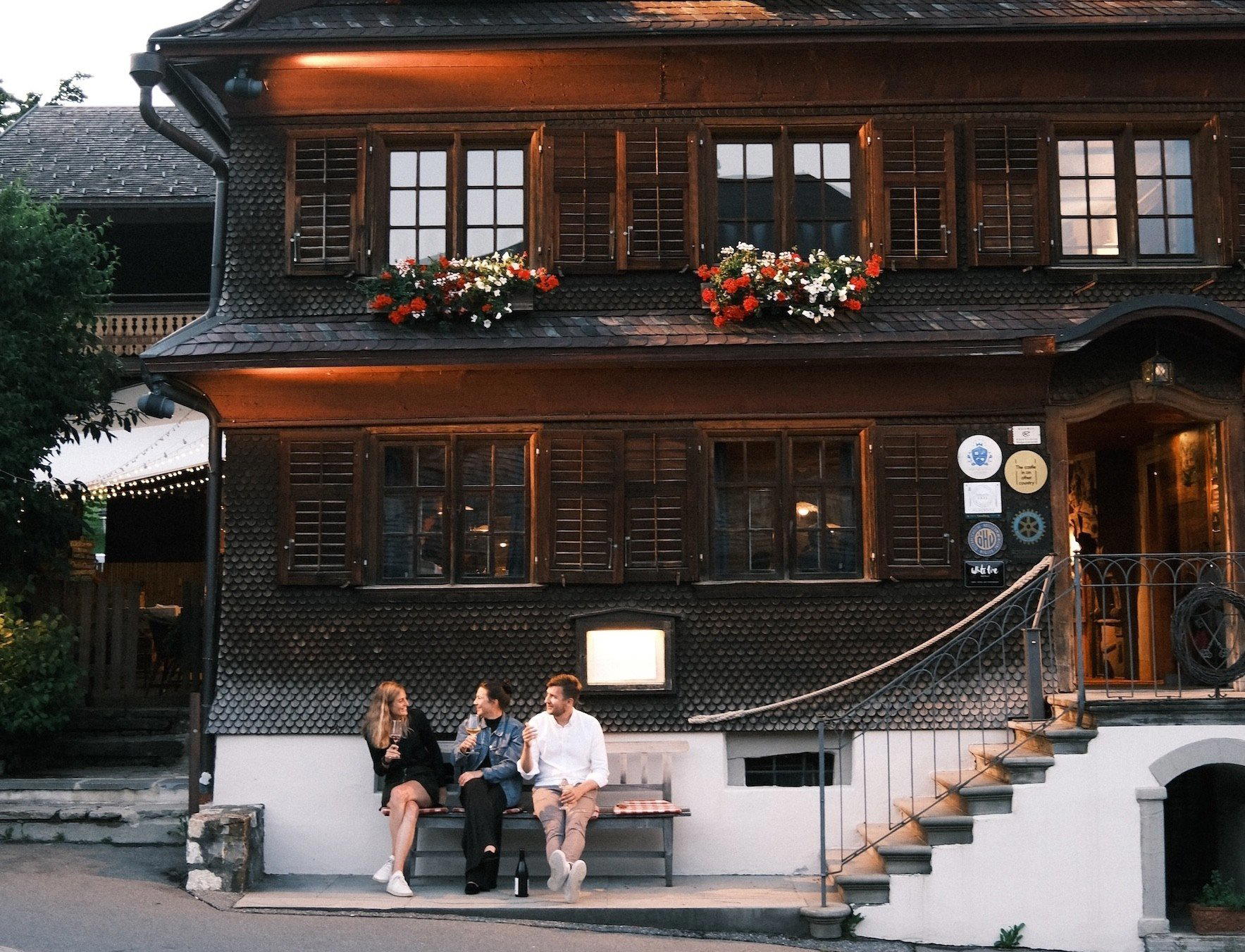
Where the drink begins with the spa rhythm
Approaching a bar inside a spa changes the rules before the first glass is ordered. The pace is lower, the room is expected to absorb rather than amplify conversation, and the usual urban bar signals, street frontage, neon, a visible backbar from the pavement, late arrivals in coats, give way to corridors, robes, warm air, and the after-hours hush of a wellness property. Bathrobe Bar, listed at Hof 14, 6867 Schwarzenberg (spa), sits in that register. The address matters because it places the experience inside the Bregenzerwald’s hospitality culture, where architecture, woodcraft, mountain weather, and hotel rituals shape drinking as much as recipes do.
Schwarzenberg is not Vienna, Salzburg, or Innsbruck, and that distinction is the editorial point. Austria’s bar culture splits across several modes: grand cafés with literary memory, beer halls built around communal volume, wine bars tied to regional bottles, hotel lounges that carry the weight of service training, and small alpine drinking rooms where the environment sets the tempo. A spa bar in Schwarzenberg belongs to the last two categories.
That does not make the setting less serious. In spa hotels and wellness properties, drinks have to work across a difficult spectrum: pre-dinner aperitifs, low-intervention conversation, post-sauna restraint, soft drinks for guests avoiding alcohol, and digestifs that do not turn the room into a nightclub. Technique in this context is often judged by control, not volume. A drink that would perform well under loud music may feel clumsy after a treatment or before a quiet dinner. The better read is to treat Bathrobe Bar as part of a broader alpine hospitality pattern, where the room’s function narrows what a cocktail programme should do.
The Bregenzerwald context
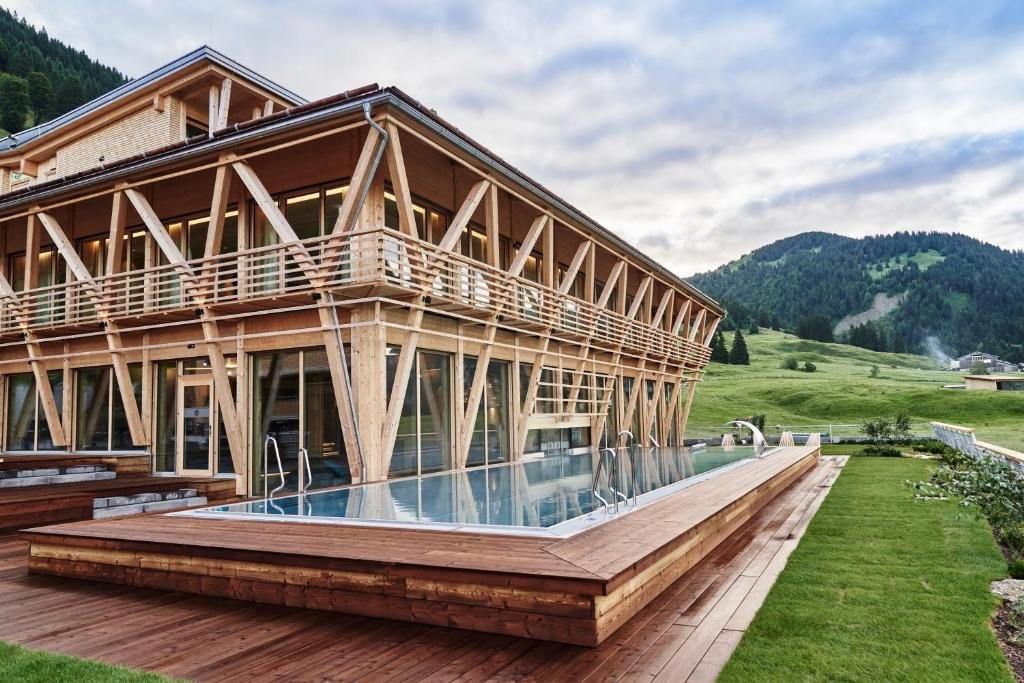
The Bregenzerwald has a strong design identity by Austrian standards. The region is known for timber architecture, craft traditions, village-scale hospitality, and a relationship between landscape and interior space that hotels use deliberately. In that environment, a bar is rarely just a liquid programme. It becomes a transition room: between outdoors and dining room, between spa and bed, between mountain schedule and evening conversation. The fact that Bathrobe Bar is attached to a spa address gives the reader more useful information than an invented list of signature cocktails would.
In larger Austrian cities, cocktail culture is easier to classify. Vienna carries the café-bar hybrid, American bar traditions, hotel institutions, and a growing number of technical cocktail rooms. Salzburg has monastic beer culture sitting beside polished hotel service. Innsbruck brings alpine tourism into contact with urban student energy and Tyrolean dining. Schwarzenberg operates at another scale. Here, the question is not whether a bar competes with the capital’s most awarded counters; it is whether the drinking format suits the pace of a village stay.
That distinction is useful for planning. Travellers using Our full Schwarzenberg bars guide should not expect a dense urban crawl. The better approach is to map drinking around hotels, restaurants, and experiences, then decide where a bar serves the itinerary. For a wider comparison, Our full Schwarzenberg restaurants guide, Our full Schwarzenberg hotels guide, Our full Schwarzenberg wineries guide, and Our full Schwarzenberg experiences guide show how the village’s hospitality infrastructure works as a connected field rather than a string of isolated addresses.
How a spa bar differs from a city cocktail counter
The modern cocktail bar has spent years chasing precision: clear ice, clarified citrus, fat washing, low-ABV structures, house ferments, acid-adjusted juices, and non-alcoholic builds that deserve the same glassware as spirits. In a destination spa setting, those techniques have to be subordinated to mood. The drink cannot demand all the attention in the room. It has to fit the soft edges of the space, the clothing, the post-treatment fatigue, and the fact that some guests are moving from sauna to dinner without wanting a hard shift in energy.
That is where bartender vision becomes less about eccentricity and more about editing. A technically ambitious city bar can build an evening around surprise. A spa bar has to make restraint persuasive. If the programme includes cocktails, the smart order is likely to begin with lighter aperitif structures rather than spirit-heavy statements, then move toward digestifs only if the evening is clearly extending. If the programme leans toward wine, beer, tea, or non-alcoholic drinks, the same principle applies: the room rewards moderation in pace and clarity in service. The format, however, points toward a bar where the creative act is calibration.
Price and awards also need careful handling. That absence is not a flaw in itself; many hotel and spa bars in alpine villages are not built around international ranking systems. It does mean expectations should be set differently from a venue trading on Michelin-adjacent restaurant traffic or global bar-list recognition. The practical comparison is with other Austrian drinking rooms that serve a defined context. Bar 19null7 in Klagenfurt speaks to a city-bar mode, while phil - Café, bookshop & bar in Vienna belongs to the café-cultural side of Austrian drinking. Augustiner Bräu Mülln in Salzburg represents communal beer-hall tradition rather than cocktail quiet. Bathrobe Bar sits closer to the hotel-spa axis than to any of those models.
What to expect from the room, and what not to expect
The name carries useful social information. A place called Bathrobe Bar, attached to a spa address, signals a relaxed threshold. It is not coded as a formal cocktail salon from the available record, and there is no published dress code. That does not mean anything goes; Austrian hotel culture can be calm and orderly even when it is casual. The likely etiquette is simple: keep the volume down, treat the room as shared recovery space, and avoid importing après-ski energy into a spa setting unless the property itself signals that mood on the day.
The lack of published hours, phone number, website, booking method, and seat count makes planning more dependent on the host property or in-person confirmation. That is especially true in smaller alpine destinations, where bar service can follow hotel occupancy, spa hours, dinner service, or seasonal staffing rather than a fixed public schedule. The address, Hof 14, 6867 Schwarzenberg, is the hard data point. Everything beyond that should be checked through the property connected to the spa before arranging an evening around it.
This is also why the bar should not be judged by the same criteria as an award-focused destination counter in a large city. An urban cocktail bar often invites scrutiny through its menu architecture: how many house drinks, which techniques, which spirits, how the non-alcoholic section is handled, and whether the bartender’s point of view is visible across the list. A spa bar’s achievement is quieter. It succeeds when it gives the evening a landing place, when the drink does not fight the body’s slower rhythm, and when service reads the room accurately. That is a narrower brief, but not an easier one.
Comparisons across Austria and beyond
Austria’s drinking culture is too varied to reduce to cocktails. Wine bars in lake towns, beer halls in Salzburg, café-bars in Vienna, and hotel lounges in mountain regions all speak different languages. A traveller comparing Bathrobe Bar with Carinthia Weinbar in Velden am Wörthersee is comparing spa-adjacent calm with wine-led regional drinking. A comparison with Das O’s in Mondsee shifts the frame toward lakeside hospitality and small-town leisure. Hotel Schwarzer Adler Innsbruck in Innsbruck gives another hotel-based reference, but in a city with a different flow of visitors and nightlife.
For an international contrast, Café La Trova in Miami shows how far the spectrum can stretch: performance, music, Cuban cocktail heritage, and a room designed for public energy. A spa bar in Schwarzenberg is almost the inverse proposition. Its authority comes from lowering the room temperature, socially speaking. The bartender’s creative vision, if present in the programme, has to work inside that restraint rather than outside it.
That comparison also helps avoid a common travel mistake: ranking unlike venues against each other. A drink after a massage in Schwarzenberg and a daiquiri-driven night in Miami are not competing experiences. They serve different appetites, different clothes, different times of day. The useful editorial question is fit. Bathrobe Bar fits a stay in which wellness, alpine air, and hotel service are already part of the plan. It is less suited to travellers seeking a stand-alone cocktail pilgrimage built around published awards, named bartenders, or a documented signature list.
Planning notes for Schwarzenberg
Treat Bathrobe Bar as a venue to confirm through the spa or host property rather than as a public bar with guaranteed walk-in service. In a village setting, this matters. A traveller who wants one drink before dinner can be flexible; a traveller building an evening around a specific cocktail programme should verify access, operating times, and whether outside guests are accepted.
Timing should follow the spa rhythm. Early evening is the natural window for a low-key aperitif before dinner, while later service may depend on the property’s own schedule. If the day includes treatments, sauna, or a mountain walk, the bar’s appeal is likely strongest when it extends that slower pace rather than interrupts it. If the priority is a technically documented cocktail session with published accolades, Austria’s larger cities provide clearer targets. If the priority is a quiet drink inside Schwarzenberg’s wellness-hospitality setting, this address is the relevant local reference.
Price expectations should remain open. With no listed range, it would be misleading to call the bar inexpensive or premium. The safest assumption is that pricing follows the host spa or hotel context rather than a standalone pub model. Awards should be read the same way: no Michelin, 50 Best, or other bar award is listed in the record, so the trust signal here is contextual rather than trophy-based. The firm facts are the name, the spa setting, the address, and the Schwarzenberg location. For this kind of page, that is enough to define how the experience should be approached.
Continue exploring
More in Schwarzenberg
Bars in Schwarzenberg
Browse all →
Restaurants in Schwarzenberg
Browse all →
Hotels in Schwarzenberg
Browse all →

Details
- Cozy
- Intimate
- Modern
- Sophisticated
- Casual Hangout
- After Work
- Solo
- Hotel Bar
- Design Destination
- Lounge Seating
- Natural Wine
- Conventional Wine
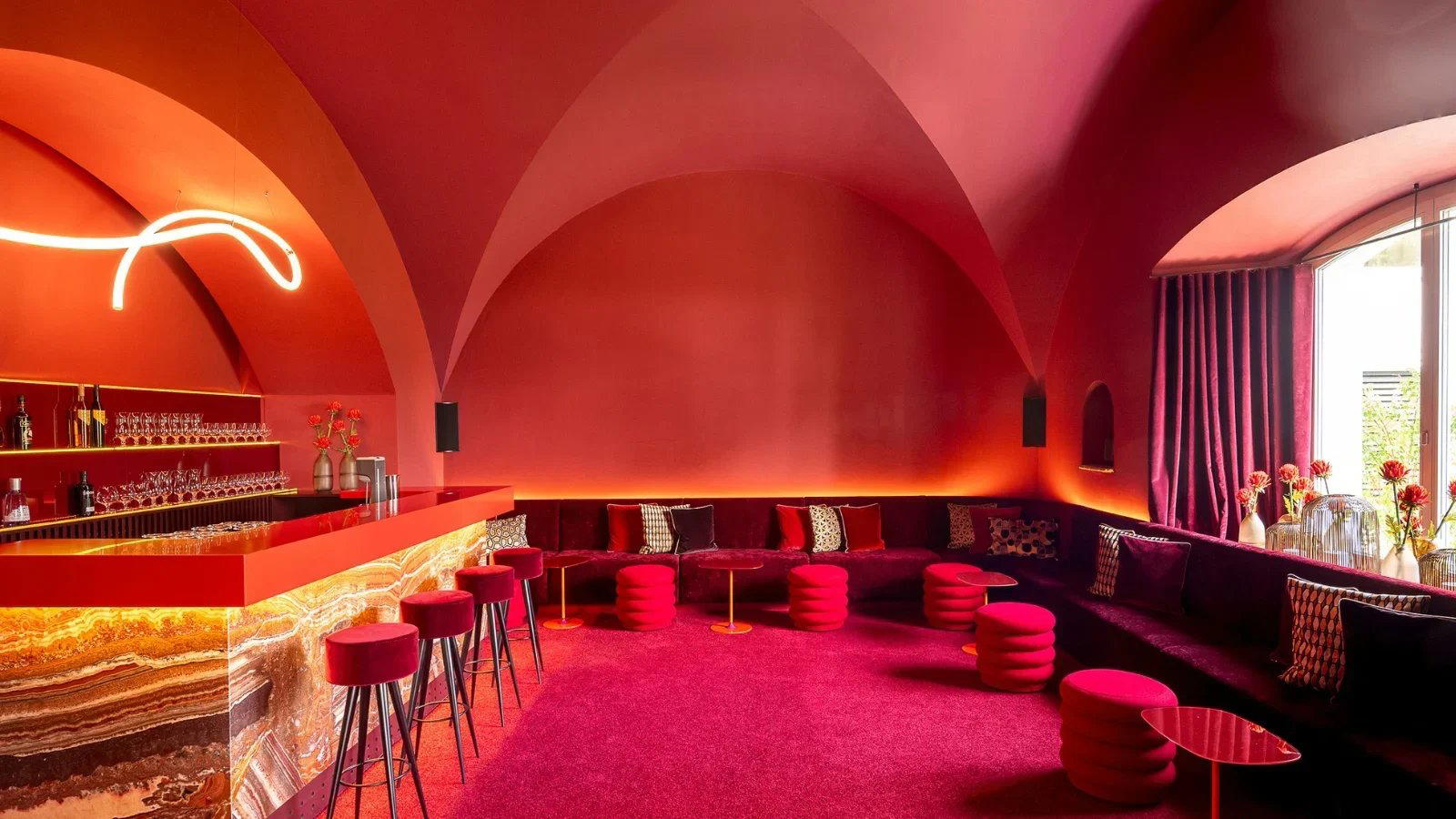
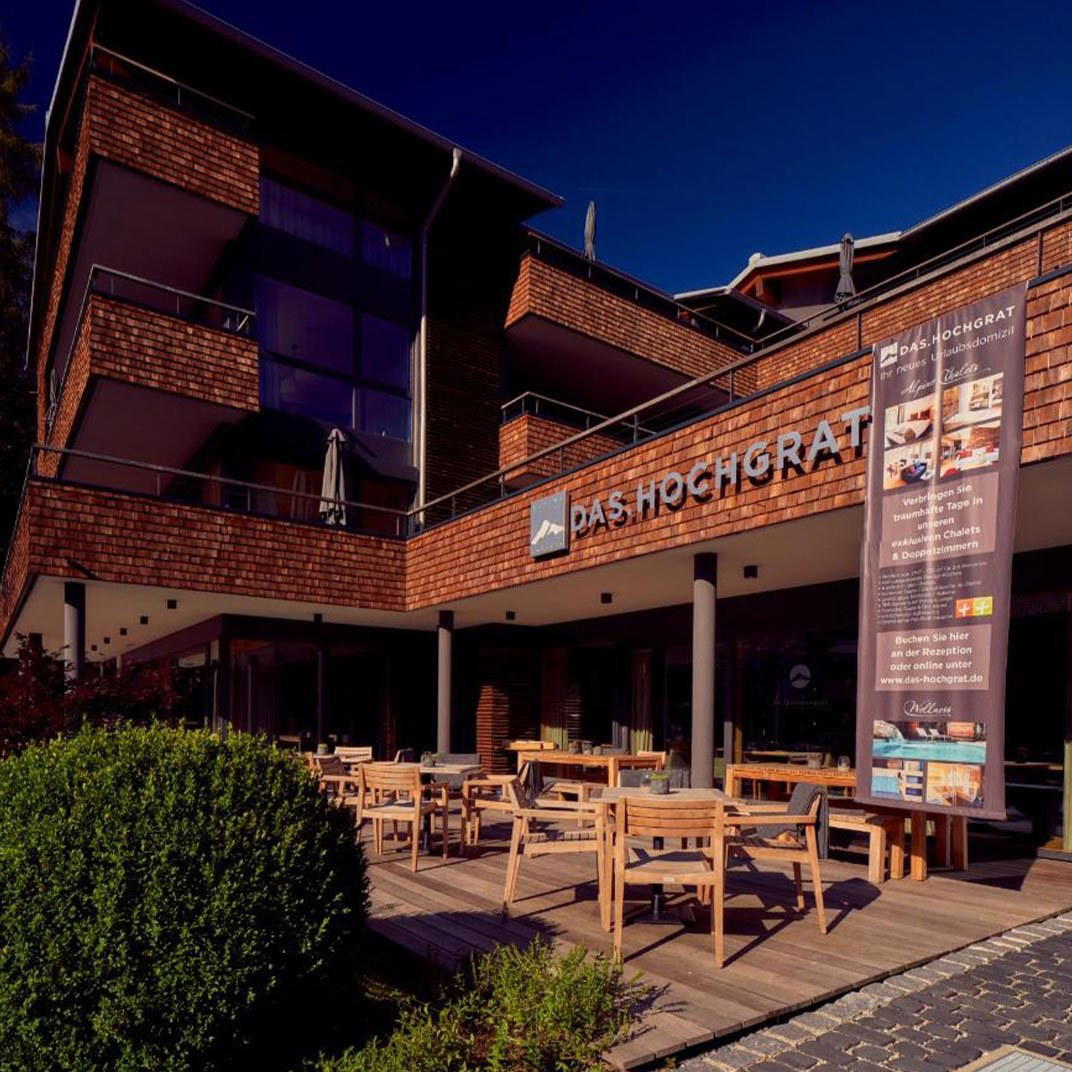
A relaxed, intimate spa-bar atmosphere with warm lighting and a playful luxury feel; the venue invites guests to sit in a bathrobe, grab a fine bottle from the wine cabinet, and linger in conversation.