Jägerstube & Walserstube


Michelin Plate · Relais Chateaux Award
Our verdict
Holding a Michelin Plate for creative cooking since 2024, Jägerstube & Walserstube occupies the mid-to-upper tier of Lech's serious dining scene. The €€€€ pricing places it alongside the village's most committed kitchens, where modern technique meets the alpine setting. A measured choice for skiers and non-skiers seeking considered cooking without the formality of a starred room.

Pearl is the En Primeur Club membership app, where members save venues, book tables and use the concierge.
The menu
What to order
- Carabinero prawn with Buddha's hand lemon
- Teriyaki venison with morel
Where the Arlberg Slows Down
Lech am Arlberg has long operated on two speeds: the kinetic rush of the slopes and the deliberate rhythm of its dining rooms after dark. In a village where ski runs give way to candlelit tables by early evening, the ritual of sitting down to a serious meal carries particular weight. The transition is architectural as much as culinary. Stone walls absorb the cold outside; inside, the atmosphere signals that the rest of the evening has its own tempo. Jägerstube & Walserstube, at Tannberg 228a, is part of this pattern, a room that participates in what Lech's better kitchens do collectively: hold the attention of a well-travelled, seasonally returning guest who expects the food to match the surroundings.
The Michelin Plate and What It Signals
Austria's alpine dining tier has its own internal logic. At the top of Lech's scene sit rooms like Griggeler Stuba, which carries two Michelin stars and competes with the country's most decorated tables. Below that ceiling, a cluster of Michelin Plate-recognised addresses forms a distinct second tier: kitchens the guide acknowledges for creative cooking without placing in the starred bracket. Jägerstube & Walserstube earned its Michelin Plate in 2024 and retained it in 2025, a consecutive recognition that matters more than a single-year citation. The 2024 listing was categorised explicitly under creative cooking, which tells you something about intent: this is not a kitchen coasting on alpine tradition but one that treats the menu as an active project.
Regionally, that places it in company with serious Austrian addresses. Gourmetrestaurant Tannenhof in Sankt Anton am Arlberg occupies a comparable alpine-resort context, while at the national level, references like Steirereck im Stadtpark in Vienna and Döllerer in Golling an der Salzach define what the Michelin guide regards as the country's benchmark for modern and produce-driven cooking. Jägerstube & Walserstube sits beneath those heights but is recognised within the same framework.
The Ritual of the Alpine Dinner Table
Across Austria's mountain dining rooms, the evening meal tends to follow a structure that has less in common with urban tasting-menu culture and more with the Central European tradition of the Gaststube: multi-course meals paced without urgency, bread that arrives early and is replenished, wine lists that reward those who order by the glass as a way of extending the evening rather than accelerating it. The Jägerstube and Walserstube names themselves reference this tradition directly. Jägerstube translates loosely as the hunter's room; Walserstube references the Walser people, the German-speaking settlers who shaped much of this corner of Vorarlberg. These are room names with cultural weight, signalling that the hospitality here draws on a specific regional lineage even as the kitchen leans into modern cooking.
That tension between deeply local framing and contemporary technique is one the better addresses in Lech manage with different degrees of success. At Rote Wand Chef's Table the focus is on precise, chef-led progression through courses. At Fux, the €€€€ fusion format pulls in a different direction. Klösterle takes a progressive Austrian approach, and Aurelio operates at a slightly lower price point within the contemporary tier. Jägerstube & Walserstube, at €€€€, shares the upper price tier with several of these addresses, which means the guest is not choosing on cost but on format, tone, and what kind of evening they want to inhabit.
Modern Cuisine in a Mountain Context
The Michelin classification of modern cuisine covers a wide field globally, from the hyper-technical rooms at the top of the international list to kitchens that use the label to signal creative ambition without a fixed stylistic identity. At this price tier in an alpine-resort village, modern cuisine most commonly means a kitchen that takes seasonal alpine produce seriously, applies current technique to it, and presents the results in a way that has been thought through rather than assembled by formula. What Ikarus in Salzburg and Kräuterreich by Vitus Winkler in Sankt Veit im Pongau demonstrate at their respective levels is that Austrian alpine kitchens can operate with genuine conceptual depth. The Michelin Plate at Jägerstube & Walserstube places it inside that current.
Internationally, modern cuisine at the Michelin Plate level can be benchmarked against the kind of cooking that rooms like Frantzén in Stockholm or FZN by Björn Frantzén in Dubai represent at the starred tier, though the relevant comparison at Jägerstube & Walserstube's level is more local: alpine kitchens using recognition as a signal of seriousness, not scale.
Planning the Evening
Lech's dining season is anchored to the ski calendar, with the winter months from late November through April forming the operational core for most serious kitchens. Within that window, weekend tables at Michelin-acknowledged addresses tend to book up well in advance, particularly during the holiday peaks of Christmas and February half-term. For Jägerstube & Walserstube, the property address at Tannberg 228a places it in the broader Lech-Oberlech corridor, accessible within the village's compact geography. The €€€€ price tier reflects a commitment to an evening rather than a quick meal; budget accordingly for a full dinner with wine.
For a broader view of where this restaurant sits in the village's dining scene, our full Lech restaurants guide maps the full competitive set. Those planning a longer stay will find further context in our full Lech hotels guide, our full Lech bars guide, and our full Lech experiences guide. For those interested in Austrian wine to accompany the meal, our full Lech wineries guide provides additional reference. An address like Landhaus Bacher in Mautern an der Donau offers a useful benchmark for what committed Austrian cooking looks like outside the alpine context, should the comparison help frame expectations for the meal ahead.
Frequently asked questions
What kind of recognition has Jägerstube & Walserstube received?
Jägerstube & Walserstube has received recognition including: Michelin Plate (2025);
What should I order at Jägerstube & Walserstube?
The kitchen holds a Michelin Plate with specific recognition for creative cooking across both 2024 and 2025, which points toward composed, technique-led dishes rather than straightforward alpine comfort food. Given the modern cuisine classification and the €€€€ price point, the menu is likely structured around multi-course formats where the kitchen shows its range. Arrive prepared to follow the room's lead rather than order à la carte selectively.
Is Jägerstube & Walserstube more mid-range or high-end?
Pricing at Jägerstube & Walserstube is listed as €€€€.
Do they take walk-ins at Jägerstube & Walserstube?
Lech's dining season runs hard from late November through April, and Michelin-recognised rooms at the €€€€ tier fill early in that window.
What's the defining dish or idea at Jägerstube & Walserstube?
Michelin's 'creative cooking' highlight, awarded in both 2024 and 2025, is the clearest signal: the kitchen is working in a register that sits above regional tradition without abandoning the alpine context. In Lech's dining scene, where the top end is anchored by two-star rooms, the Plate designation marks Jägerstube & Walserstube as a serious address operating with clear culinary intent at the €€€€ level.
Cuisine and Recognition
| Venue | Cuisine | Price | Awards | Notes |
|---|---|---|---|---|
| Jägerstube & WalserstubeThis venue (the venue you are viewing) | Modern Austrian Fine Dining | Not listed | Michelin Plate · Relais Chateaux Award | Not listed |
| Griggeler Stuba | Modern Alpine Cuisine with Japanese Influences | $300–500 | 2 Michelin Stars · La Liste Top Restaurants | Modern Cuisine |
| Post Lech | Contemporary Austrian Alpine Cuisine | Not listed | Michelin Plate · Star Wine List | Contemporary |
| Aurelio | Contemporary Austrian Fine Dining | Not listed | Michelin Plate · La Liste Top Restaurants | Contemporary |
| Fux | Euro-Asian Fusion | Not listed | Michelin Plate · Star Wine List | Fusion |
| Klösterle | Traditional Austrian Alpine Cuisine | $100–150 | Not listed | Progressive Austrian |
Recognition history
Dated appearances from independent guides and award organizations, with the underlying list record or original source where available.
Michelin Plate
Michelin
Relais Chateaux Award
Relais Chateaux
Full recognition history (3 entries)
Michelin Plate
Michelin
Continue exploring
More in Lech am Arlberg
Restaurants in Lech am Arlberg
All restaurants in Lech am Arlberg →
Bars in Lech am Arlberg
Browse all →
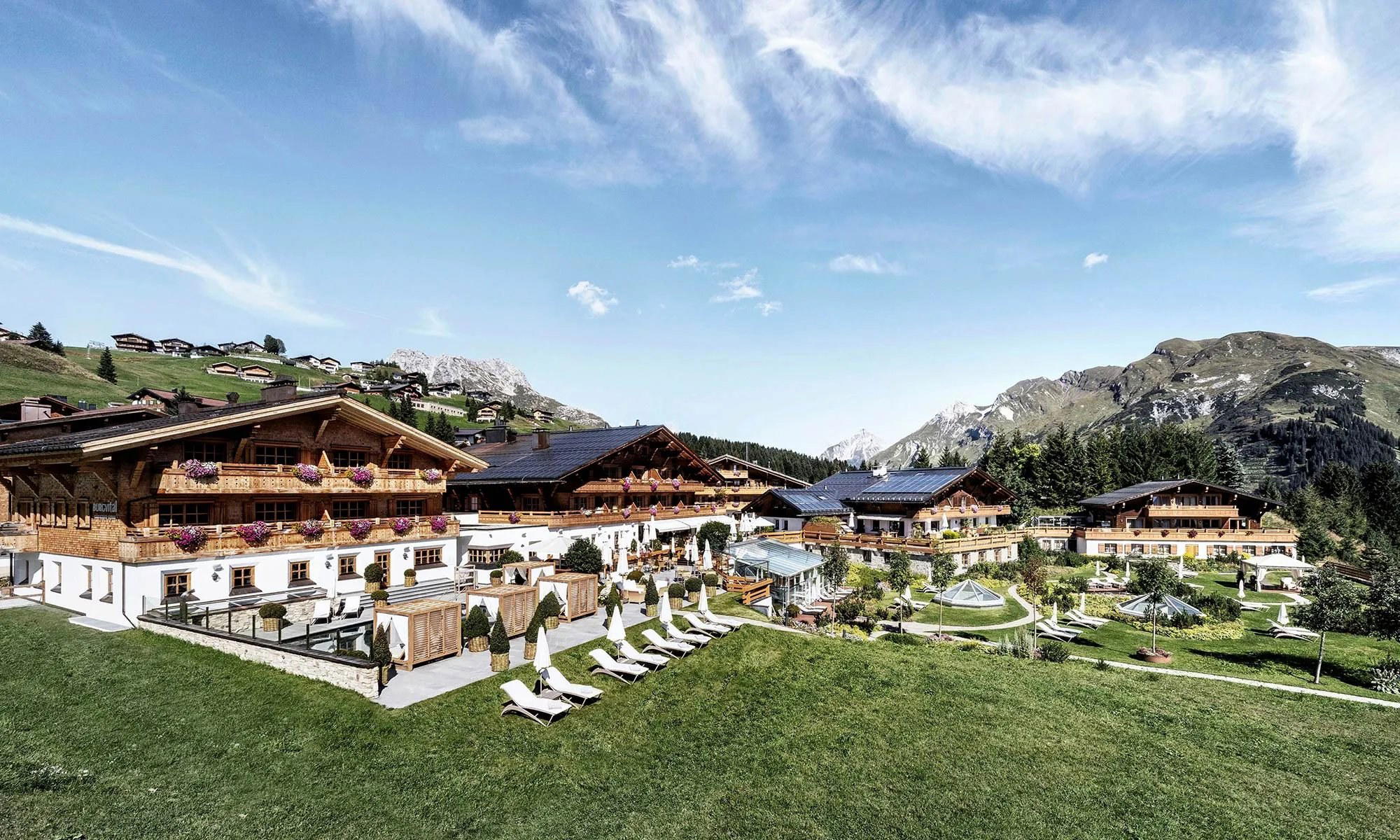
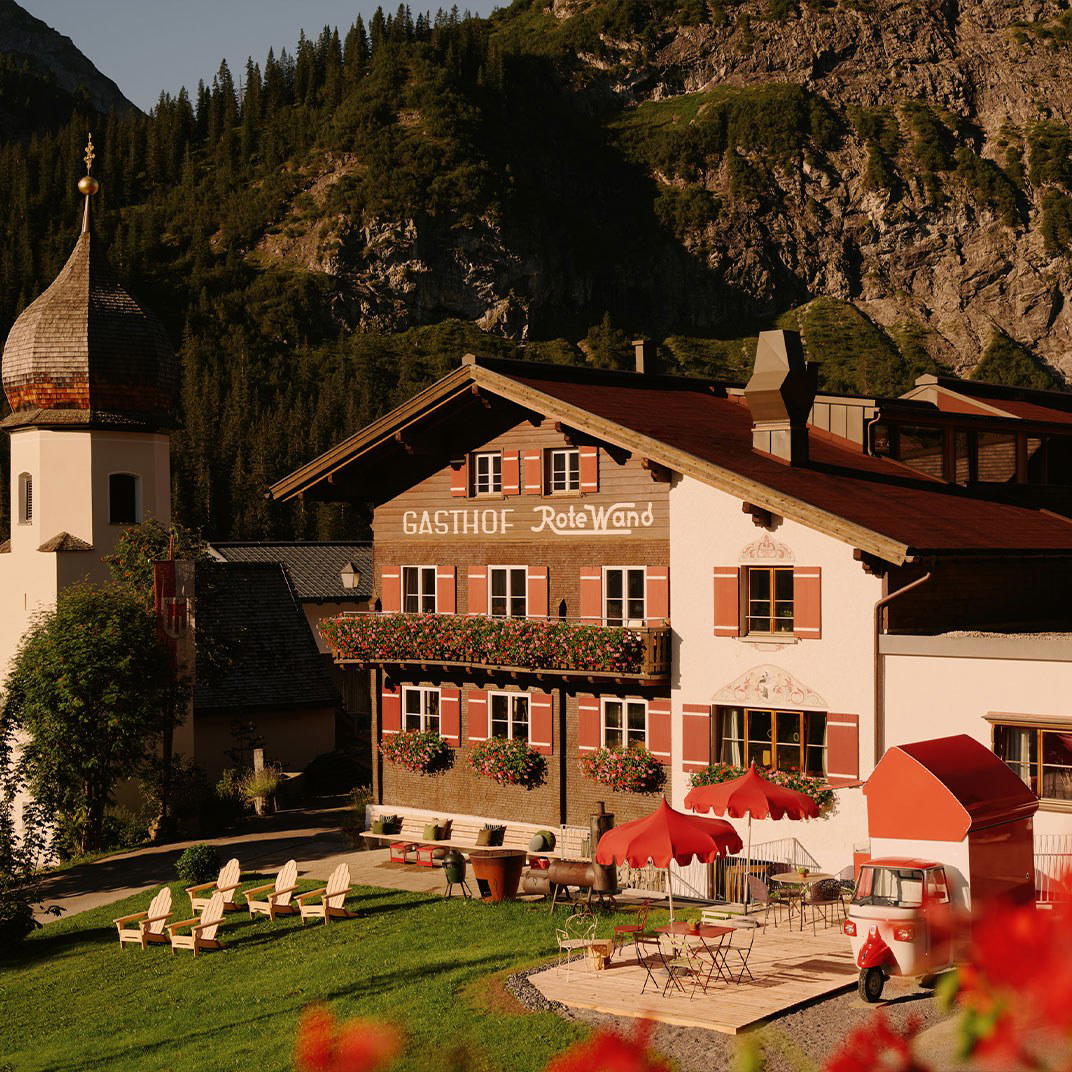

Jägerstube & Walserstube
The wine
- Wine program
- Deep wine list
- Extensive wine list
- Sommelier-led
Details
- Cozy
- Rustic
- Elegant
- Intimate
- Sophisticated
- Date Night
- Special Occasion
- Hotel Restaurant
- Private Dining
- Extensive Wine List
- Sommelier Led
- Local Sourcing
- Mountain
- A La Carte
- Tasting Menu
- Wine
- Sake
Current opening hours
- Monday
- 6:30–9 PM
- Tuesday
- 6:30–9 PM
- Wednesday
- Closed
- Thursday
- Closed
- Friday
- 6:30–9 PM
- Saturday
- 6:30–9 PM
- Sunday
- Closed
Hours can change for holidays and private events. Hours as of .
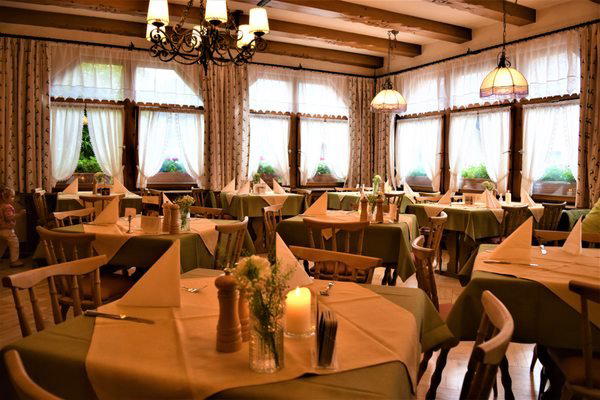
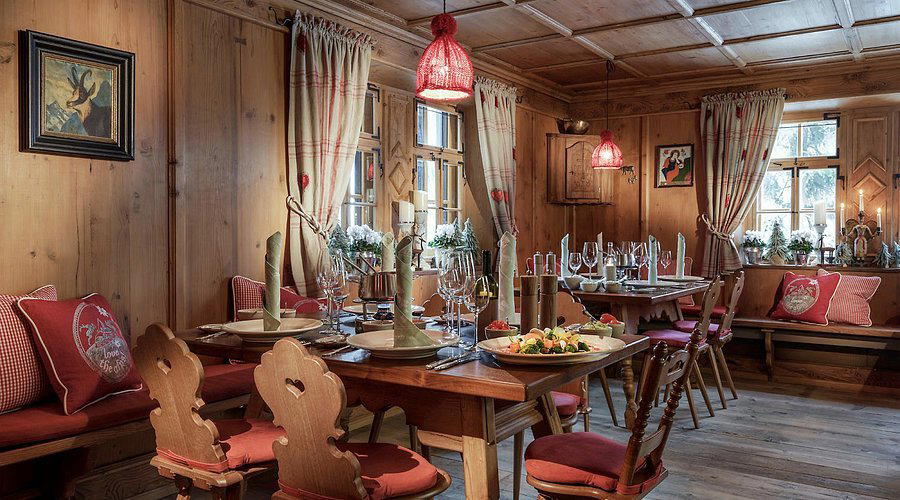
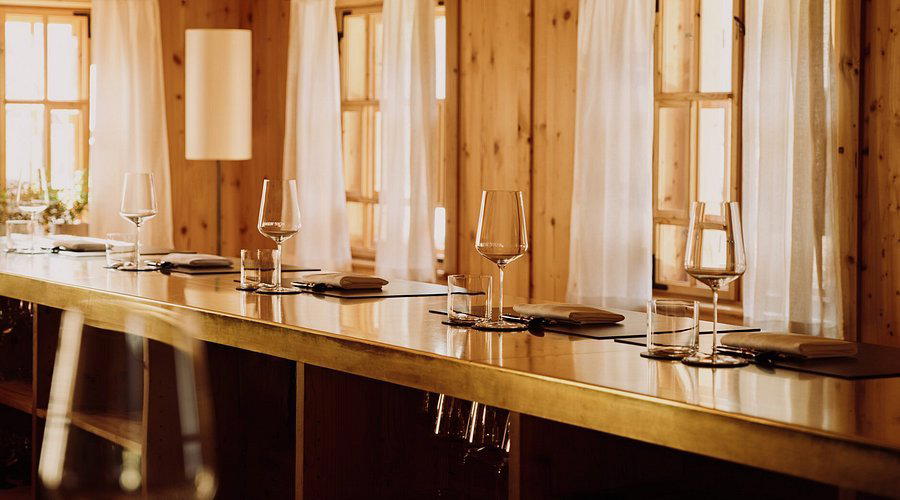
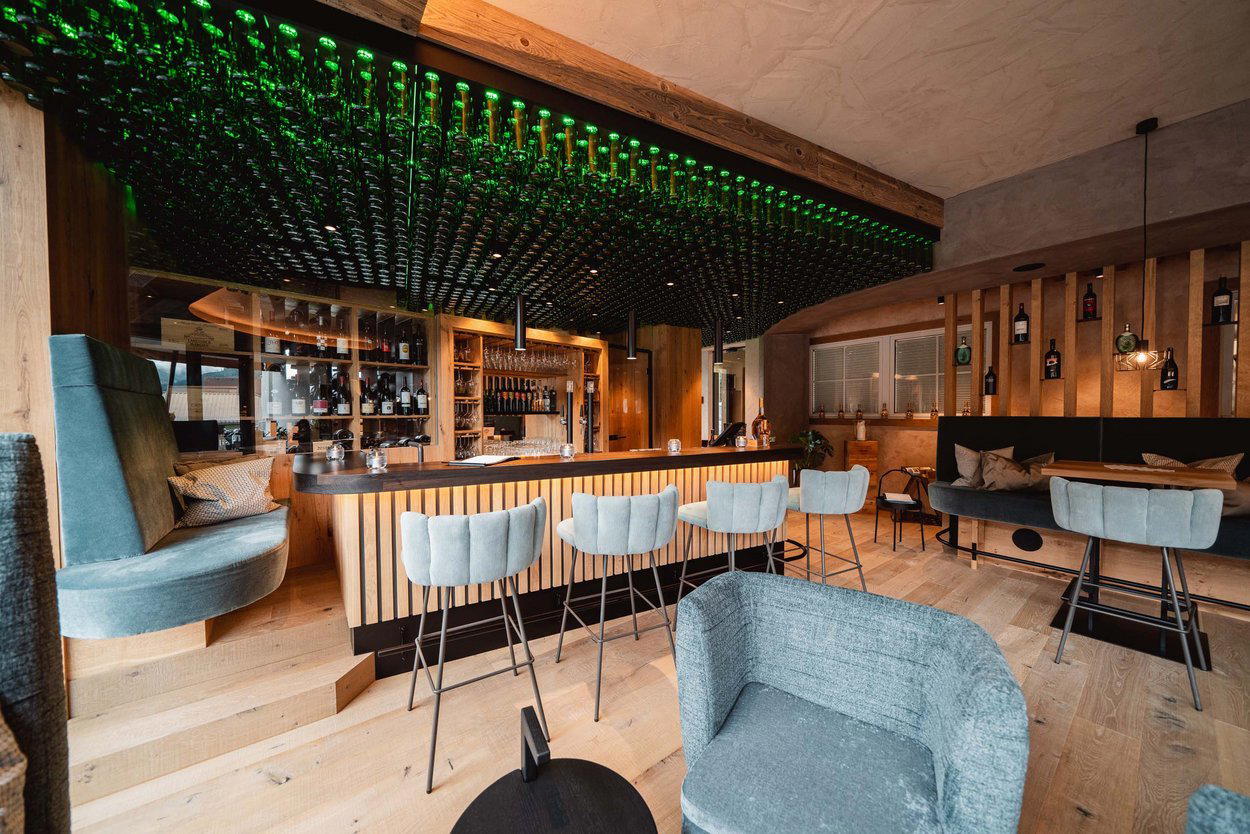
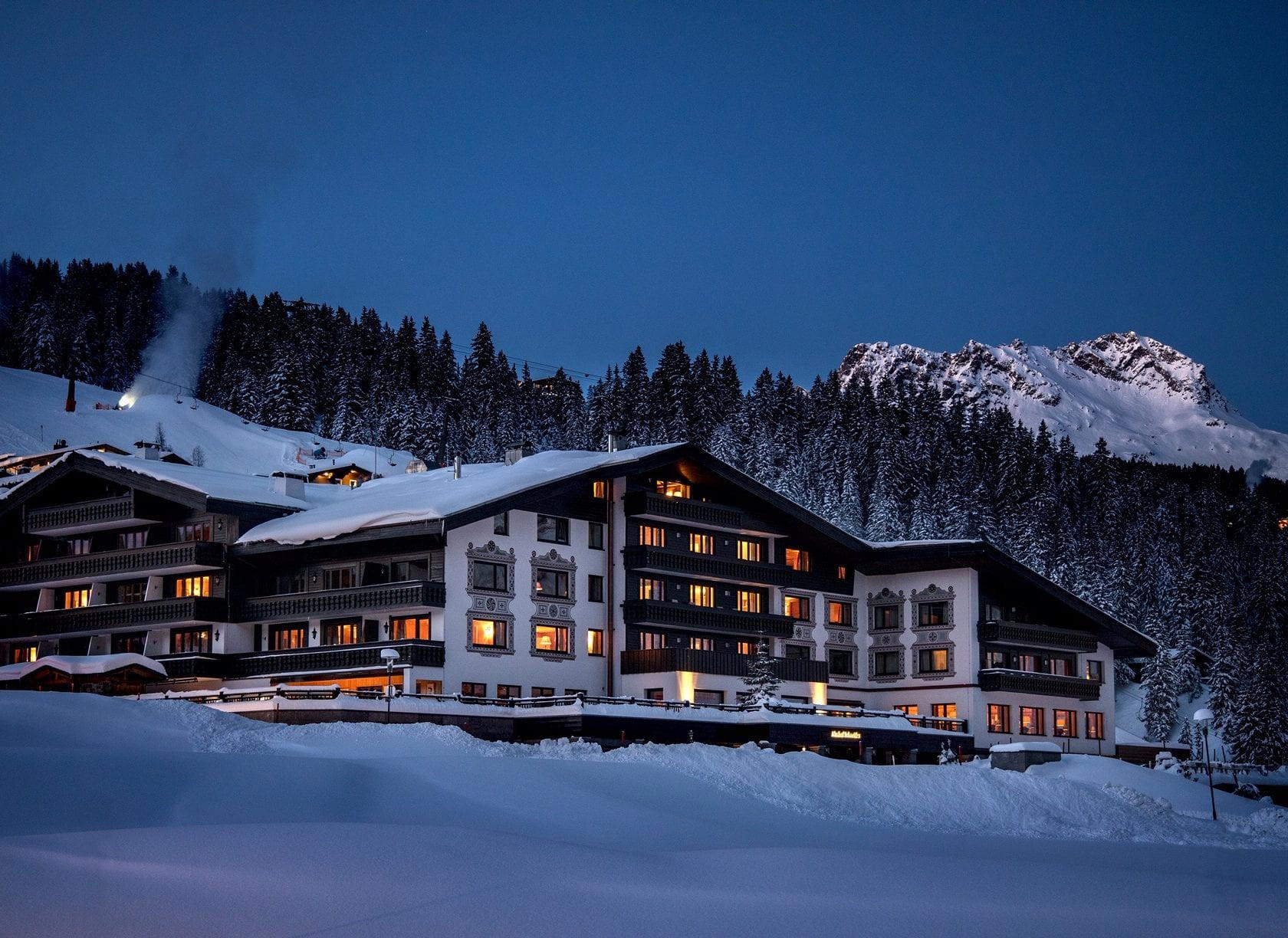
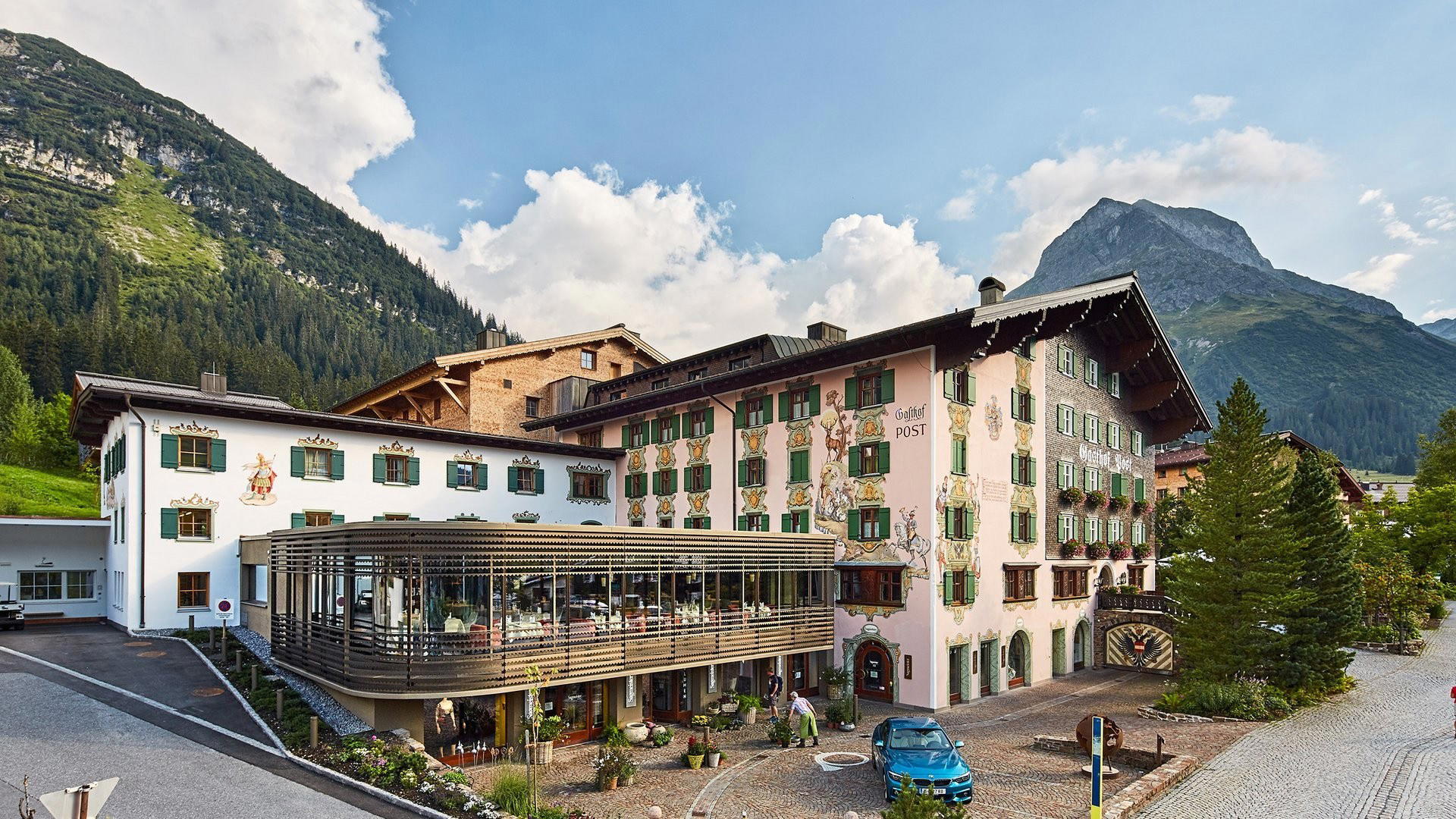
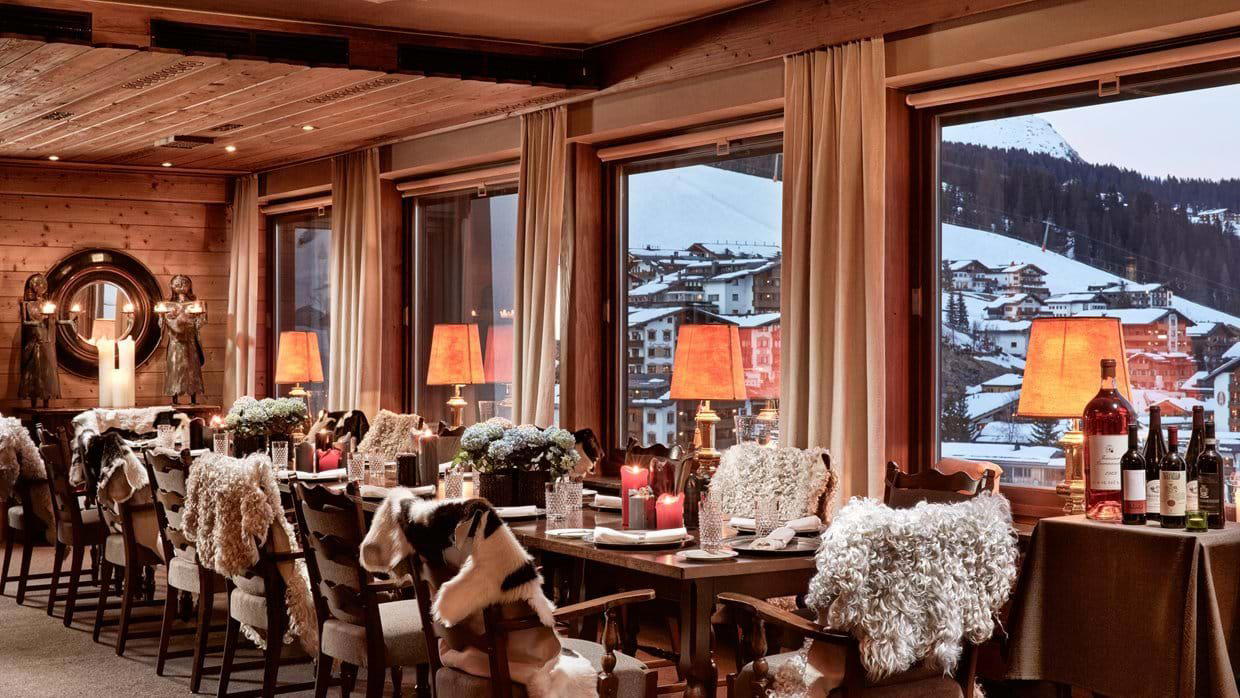
Cozy and elegant with rustic charm, soft lighting, natural woods, and a warm, inviting atmosphere.