Walch's Rote Wand Gourmet Hotel

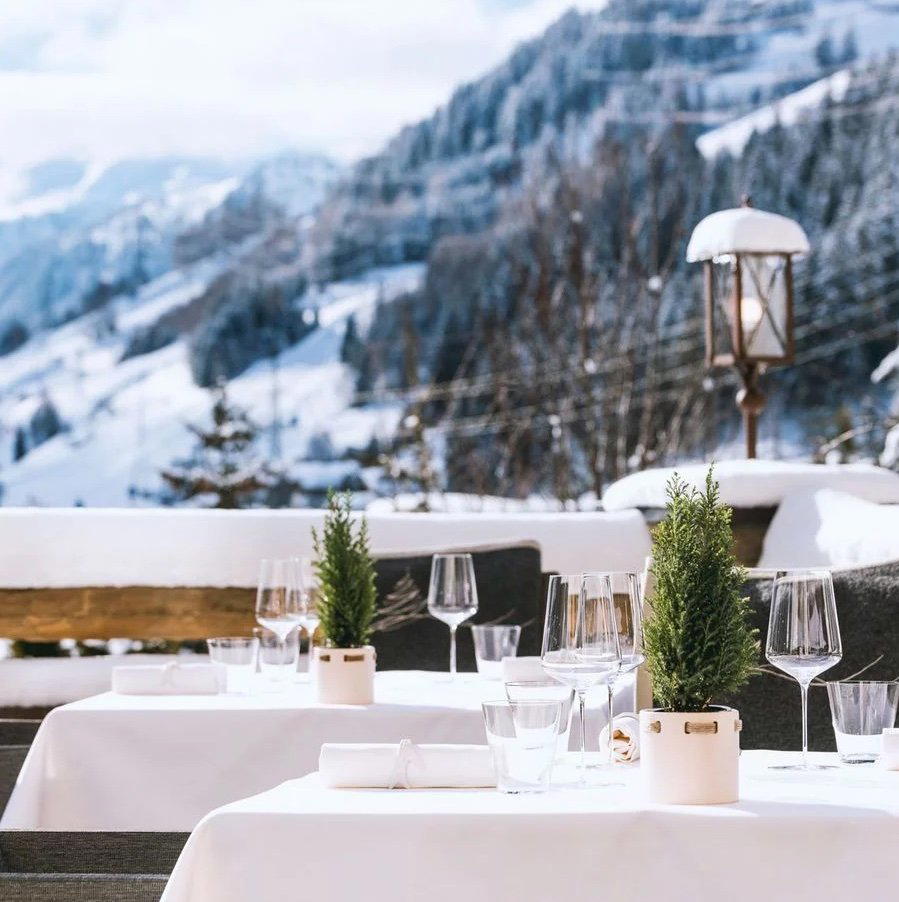
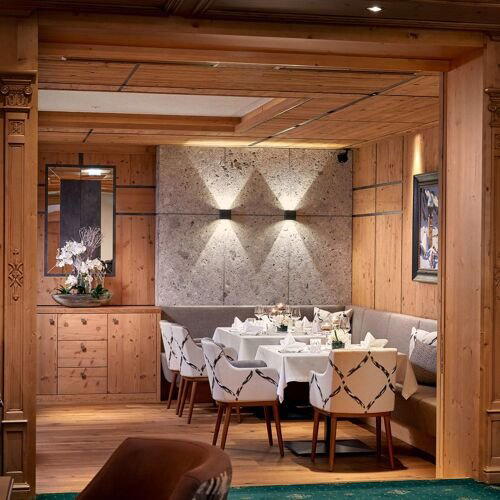
Tucked away high in the mountain state of Vorarlberg, Austria’s westernmost state, is the resort village of Lech am Arlberg, which is that most unusual variety of ski town: it’s actually a proper town, founded not during the 20th-century ski boom but by Swiss migrants during the 14th century. And here you’ll find a most unusual resort inn, the Walch's Rote Wand, a classic centuries-old Alpine inn, which beneath its absolutely traditional surface has been cleverly modernized, renovated in a light, contemporary style. Instead of heavy timbers the rooms are minimalist, in white Austrian maple, simply furnished and well-lit by the sun. The 1,500-square-meter spa is a new addition, offering a Finnish-style outdoor sauna, a steam grotto, and an indoor-outdoor pool, even in winter the water is warm enough for an outdoor swim. There’s a fitness center, to suit the Rote Wand’s active clientele, and massage, just the thing to recover from a day on the slopes. The restaurant, open during the winter, serves a fresh and modern Austrian cuisine. Along with its sister resort of Zürs, Lech offers some of the leading skiing in Europe, and in the summer this bucolic landscape, dotted with grazing cows, is about as picturesque as it gets.
Pearl is the En Primeur Club membership app — saves, bookings, and concierge access live there. Same editors, same standards.
- Address
- Zug 5, 6764 Lech, Austria
- Phone
- +43 5583 34350
- Website
- rotewand.com
- Directions
- Get directions
 Saves & bookings on Pearl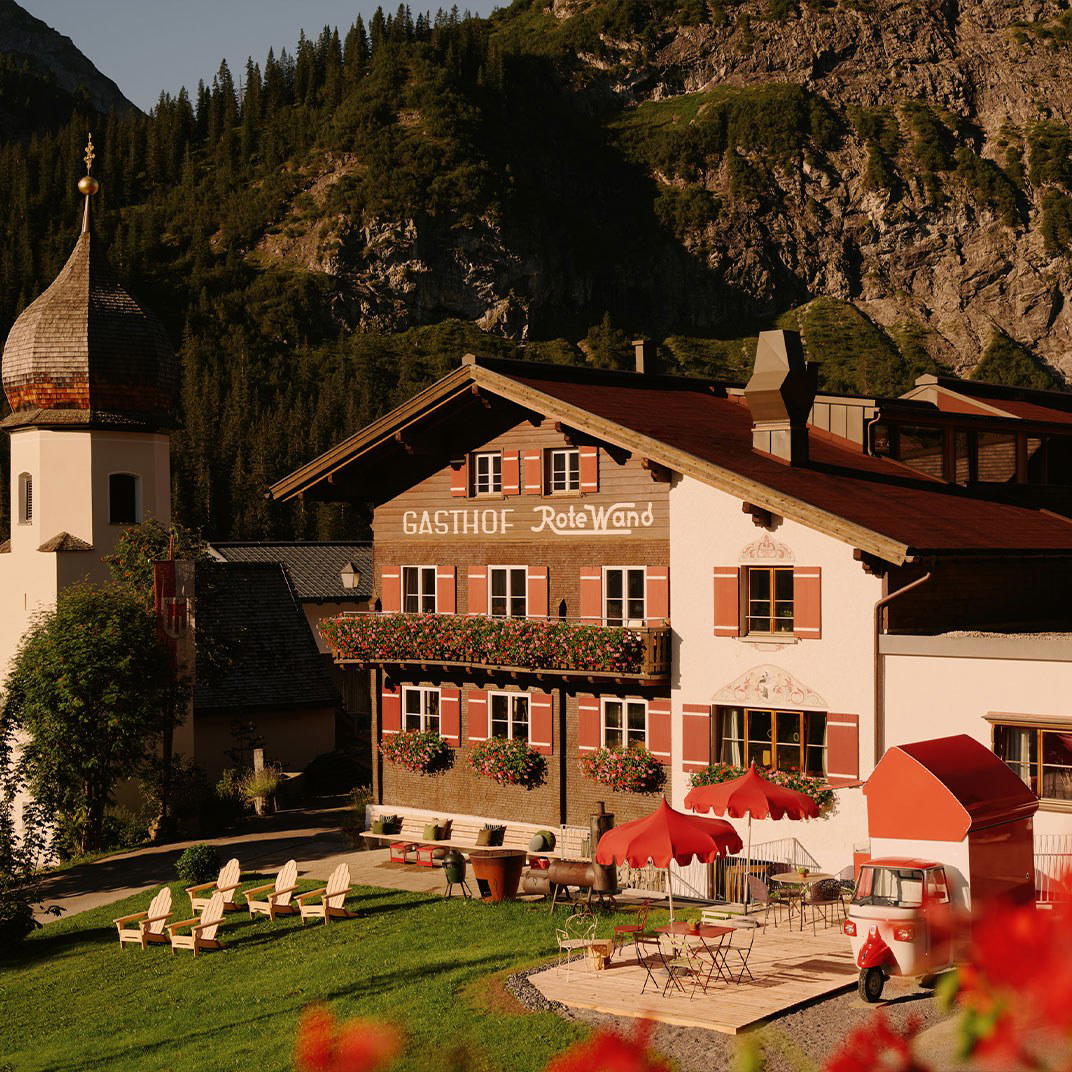
Zug, Not the Village Centre: Why the Address Matters
Walch's Rote Wand Gourmet Hotel sits in Zug, a hamlet roughly two kilometres from the main village of Lech am Arlberg, and that distance is half the editorial point. Where Lech's central accommodation strip runs toward the Zuger valley with a rhythm of chalet facades and aprés-ski foot traffic, Zug operates at a different register entirely. The approach by road or footpath delivers you to a cluster of Alpine structures that feel embedded in the terrain rather than imposed on it. Pitched roofs, heavy timber framing, and stone cladding read as vernacular rather than themed, a distinction that matters in a region where the line between authentic mountain architecture and its pastiche has grown increasingly blurry over several development cycles.
The Architecture and What It Signals About the Category
Austria's western Alpine corridor has produced two distinct luxury hotel typologies over the past two decades. The first is the grand chalet expanded and refined, adding spa wings and glass atria while retaining a heritage core. The second is the purpose-built gourmet hotel, where the room count stays deliberately low and the spatial logic places dining at the centre of the offer. Walch's Rote Wand Gourmet Hotel belongs to the latter category. The name itself encodes the offer: Rote Wand, the red-rock face visible from Zug, is both a geographic landmark and a framing device for the property's identity, tethering the building to its specific valley rather than to the broader Lech brand.
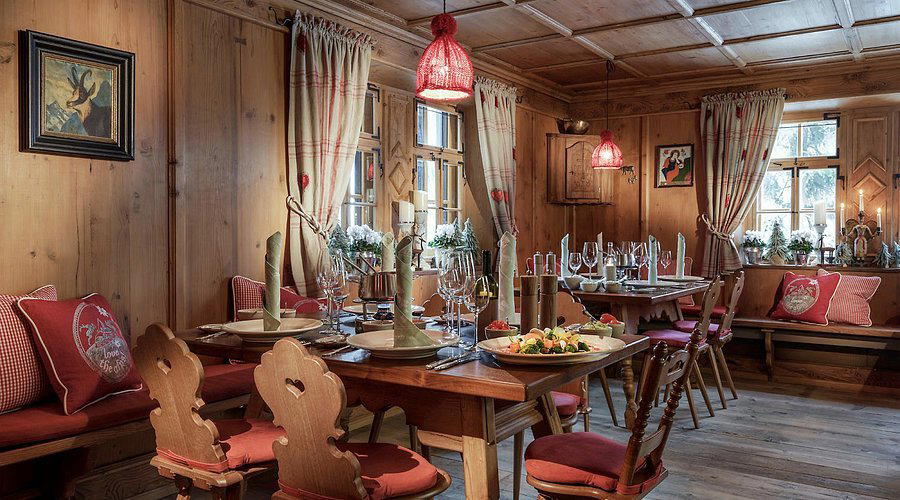
Inside, the design language follows the logic of restrained Alpine materiality. Exposed timber, local stone, and warm wool textiles appear as structural choices rather than decorative overlays. This is the approach that separates properties in Zug's small comparable set from the more theatrical interpretation of Alpine luxury found at scale in Zürs or St. Anton. Comparable properties in Lech, including Hotel Goldener Berg, Hotel Almhof Schneider, Kristiania Lech, and Burg Vital Resort, each make different spatial bets. Rote Wand's bet is on intimacy and the primacy of the table.
The Michelin Key and What the Recognition Actually Measures
Michelin introduced its hotel Key distinction in 2024, extending the guide's authority beyond restaurants into accommodation. The criteria weight notable stays, meaning properties where the physical environment, service architecture, and culinary offer cohere into something the inspectors regard as greater than the sum of parts. Walch's Rote Wand Gourmet Hotel holds One MICHELIN Key in the 2025 guide, placing it in a comparable set defined by that coherence rather than by room count or spa square footage.
Within Lech am Arlberg, the Key distinction is a meaningful differentiator. The Arlberg generally, and Lech specifically, carries premium positioning across Austrian Alpine tourism, but Michelin's hotel recognition is granular enough to separate properties that deliver on all dimensions from those that simply price at the upper bracket. For the traveller making decisions at this level, the Key operates as a more precise signal than star ratings alone, which in the Austrian context tend to be self-reported or federation-assessed rather than independently inspected.
Dining as the Structural Centre
The gourmet hotel format, as it has evolved across the German-speaking Alpine region, places the restaurant not as an amenity but as the reason the property exists. This distinguishes it sharply from the resort hotel, where food and beverage is often a captured audience problem to be solved efficiently. At Rote Wand, the word Gourmet in the name is a category declaration. Properties that structure themselves this way typically maintain tighter guest-to-cover ratios, shorter seasons calibrated to when kitchen talent can be sustained at full intensity, and menus that reflect the surrounding geography and seasonal availability.
The Vorarlberg region, in which Lech sits, has a distinct culinary register within Austria: dairy-forward, with Montafon and Bregenzerwald traditions around cheese, butter, and cured meats that differ from Viennese or Styrian cooking. A gourmet hotel in this context that draws on those traditions rather than defaulting to a generic Alpine European menu is making an editorial statement about its own cooking identity. Rote Wand's current kitchen programme leans into that specificity and the structural ambition is legible from the format.
Placing Rote Wand in the Wider Austrian Premium Hotel Context
Austria's premium hotel tier has a pronounced geographic spread. Vienna anchors one pole, with properties like Hotel Sacher Wien representing the grand urban tradition. Salzburg's surrounds offer a different register, with estate hotels such as Rosewood Schloss Fuschl and urban options like Schloss Mönchstein. The Tyrol and Vorarlberg corridor produces a third type: properties defined by mountain access and seasonal rhythm, where architecture, sport, and table converge. Within that corridor, options range from wellness-led mountain resorts such as Naturhotel Waldklause in Längenfeld and Alpen-Wellness Resort Hochfirst in Obergurgl to sport-centric properties like LEADING Hotel Hochgurgl and Aktiv & Wellnesshotel Bergfried in Tux. Rote Wand occupies the gourmet-led niche within that corridor, a smaller and more specific segment than the wellness resort category but one with clear demand from guests who plan itineraries around table access rather than ski-pass access alone.
For comparison across other premium Alpine markets, Badrutt's Palace Hotel in St. Moritz represents the grand-scale heritage approach, while Grand Tirolia Kitzbühel shows how golf and mountain sport anchor a different luxury format in the eastern Alpine belt.
Planning a Stay: What to Know Before Booking
Zug is accessible from Lech by road and on foot, and the hamlet's relative remove from the village centre is an asset rather than a friction point for guests who value quiet over proximity to après-ski. Lech am Arlberg operates a high-season model skewed toward winter, roughly December through April, with a secondary summer season from late June. Gourmet hotel formats in this region typically require advance reservation, and rooms at a One MICHELIN Key property in a low-capacity village setting should be expected to fill weeks or months ahead of peak dates rather than days. The hotel's website should be the first point of contact. Guests travelling from Zürich use the rail connection to Langen am Arlberg, with road transfers covering the final stretch to Zug.
For broader context on Austrian properties that combine design discipline with strong culinary ambition, Hotel Schloss Seefels in Techelsberg, Falkensteiner Schlosshotel Velden, Hotel Das Weitzer in Graz, and Hotel Kontor in Hall in Tirol each occupy distinct regional positions worth considering depending on the itinerary. For family-oriented mountain formats, Family Nature Resort Moar Gut in Grossarl and Bergblick in Grän offer different value propositions entirely. Sportresidenz Zillertal in Uderns and Nidum Hotel in Seefeld in Tirol round out the Tyrolean options for sport-first travellers. Outside of Austria, those comparing Alpine gourmet hotel formats against urban luxury might also reference The Fifth Avenue Hotel in New York or Hôtel de Paris Monte-Carlo as reference points for how dining centrality and design coherence translate into hotel programming at different price and geography coordinates. Hotel Almhof Schneider within Lech itself provides a direct local comparison for those weighing village-centre versus Zug positioning.
Comparison Snapshot
Comparable venues nearby, for context on price, style, and recognition.
| Venue | Cuisine | Price | Awards | Notes |
|---|---|---|---|---|
| Walch's Rote Wand Gourmet HotelThis venue — the venue you are viewing | Contemporary Alpine luxury blending centuries-old Walser tradition with modern minimalist design; six interconnected historic buildings unified by underground passages. | $$$$ | 4-Star | Not listed |
| Hotel Goldener Berg | Family-run 4-star superior alpine luxury hotel combining historical heritage with contemporary design innovation. | $$$$ | 4-Star | Oberlech |
| Hotel Almhof Schneider | Family-owned alpine heritage hotel with contemporary reinterpretation of vernacular style. | $$$$ | 5-Star | Lech |
| Kristiania Lech | Alpine chalet with private residence feel | $$$$ | 5-Star | Lech am Arlberg |
| Burg Vital Resort | Family-run luxury chalets blending privacy and expansive mountain living | $$$$ | Michelin 1 Key | Oberlech |
| Hotel Post Bezau | Contemporary classic mountain chalet with modern minimalist wellness extension | $$$$ | 4-Star | Bezau |
Recognition history
Dated appearances from independent guides and award organizations, with the underlying list record or original source where available.
Michelin 1 Key
Michelin
Continue exploring
More in Lech am Arlberg
Hotels in Lech am Arlberg
Browse all →
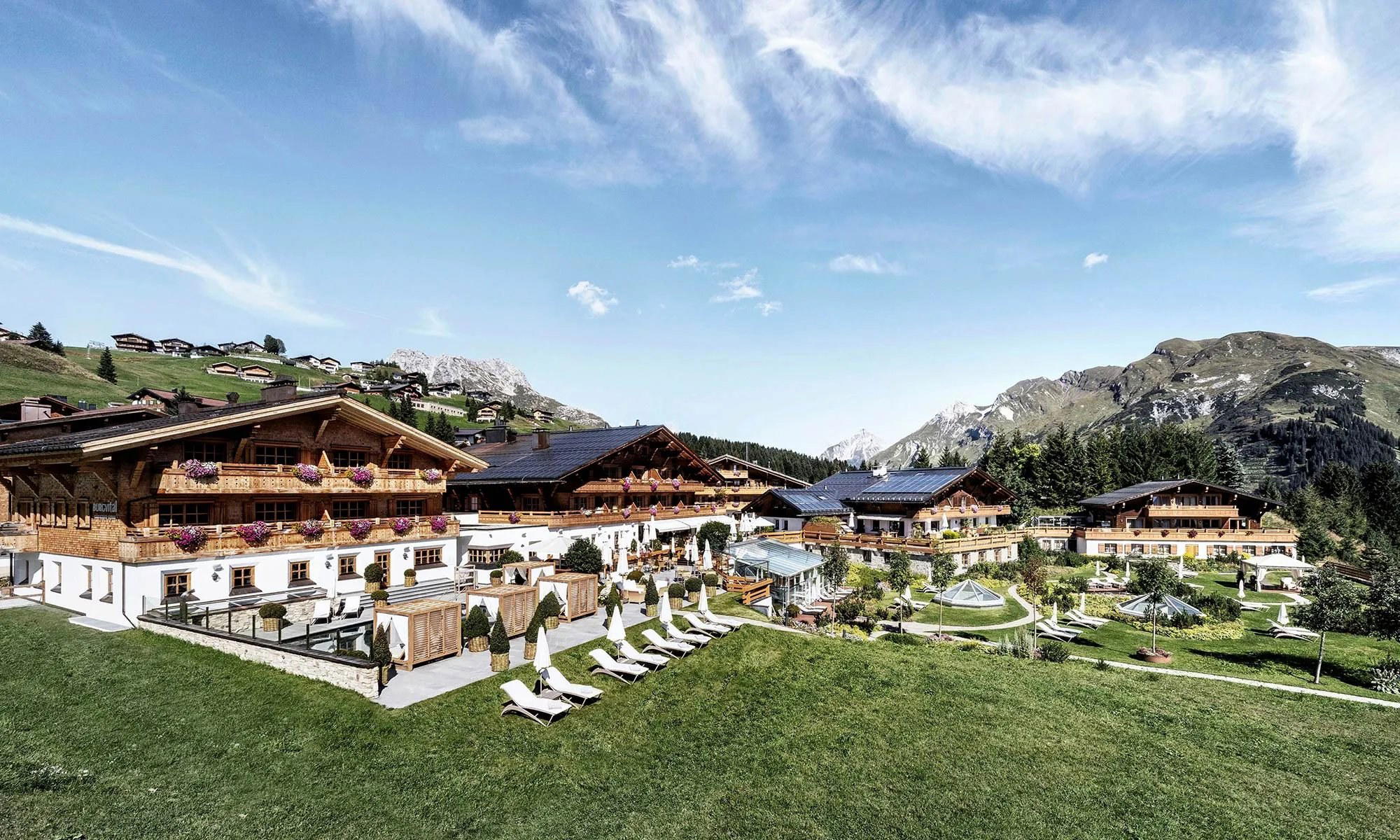
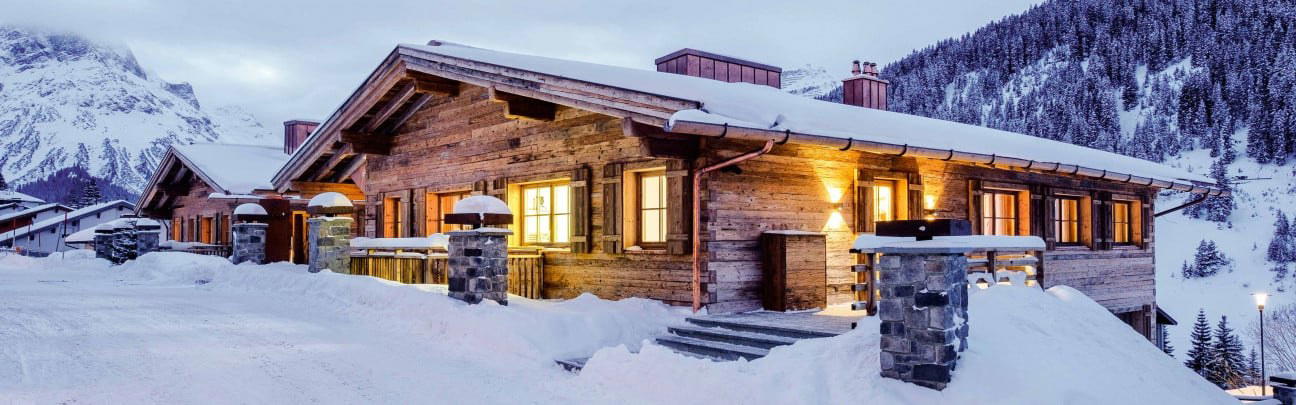
Bars in Lech am Arlberg
Browse all →
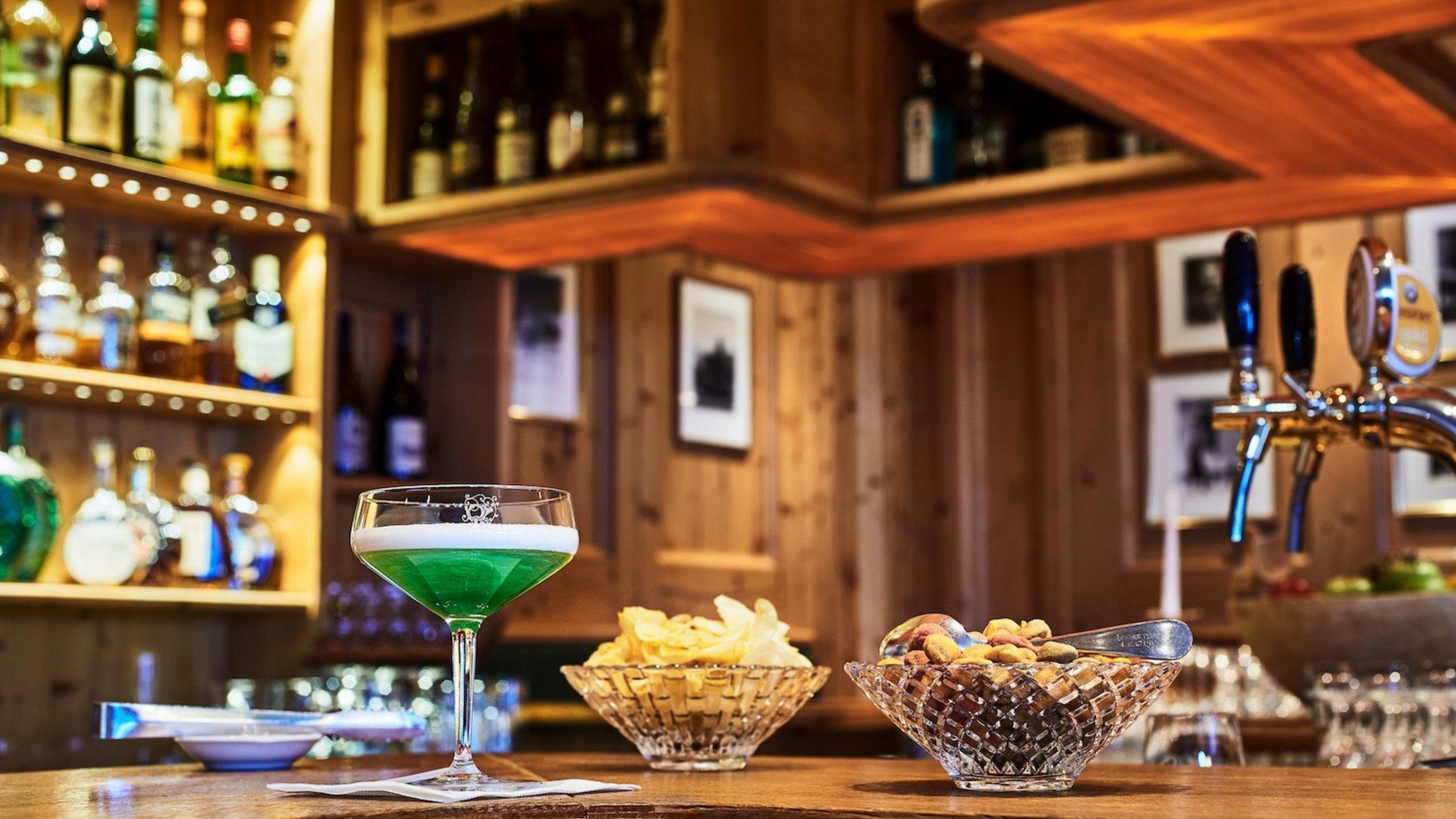
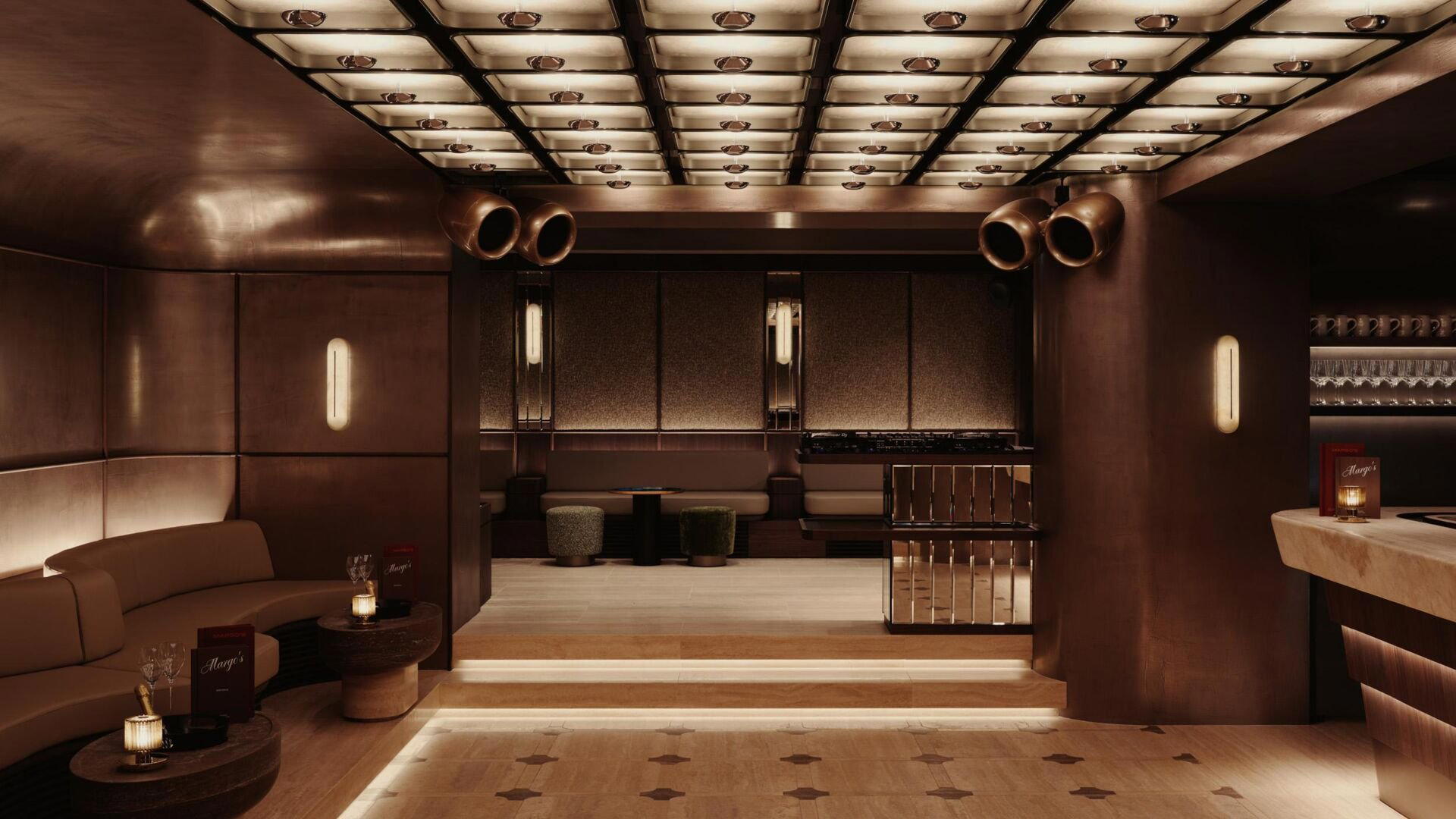


Restaurants in Lech am Arlberg
Browse all →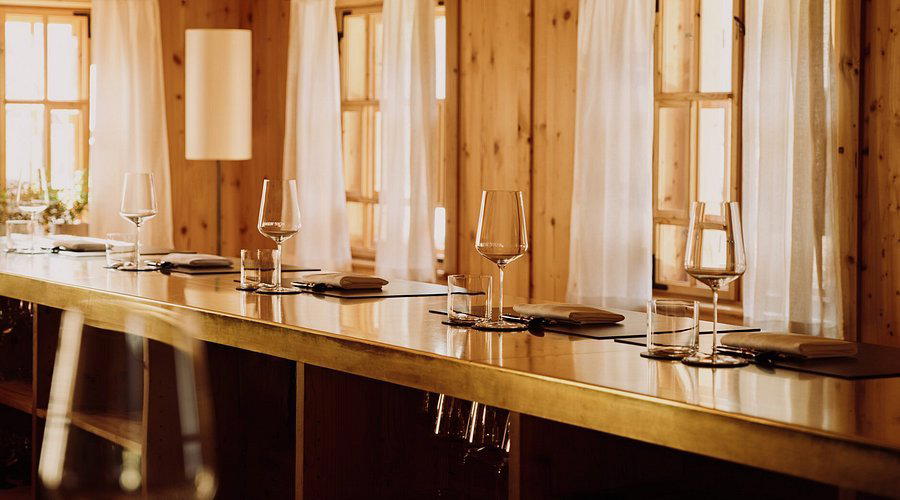

At a Glance
- Elegant
- Modern
- Scenic
- Sophisticated
- Cozy
- Romantic Getaway
- Wellness Retreat
- Celebration
- Destination Wedding
- Destination Spa
- Panoramic View
- Historic Building
- Design Destination
- Private Dining
- Garden
- Wi Fi
- Pool
- Spa
- Fitness Center
- Sauna
- Massage
- Golf Course
- Restaurant
- Bar
- Concierge
- EV Charging
- Mountain
- Wi Fi
- Pool
- Spa
- Fitness Center
- Sauna
- Massage
- Golf Course
- Restaurant
- Bar
- Concierge
- EV Charging
Warm, inviting luxury blending traditional Alpine charm with minimalist contemporary design; light-filled spaces with white Austrian maple furnishings and mountain views create a sanctuary atmosphere.