Our verdict
In the hillside village of Schenna, in Italy's South Tyrol, Zmailer-Hof sits along Via Monte Scena with the unhurried character of a place that has learned its rhythm from the agricultural calendar rather than the restaurant trade. The address places it within a small cluster of dining options in one of Alto Adige's quieter resort communes, where the cooking tradition draws on both Tyrolean and Italian influences in roughly equal measure.

Pearl is the En Primeur Club membership app, where members save venues, book tables and use the concierge.

Where South Tyrol Sets the Table
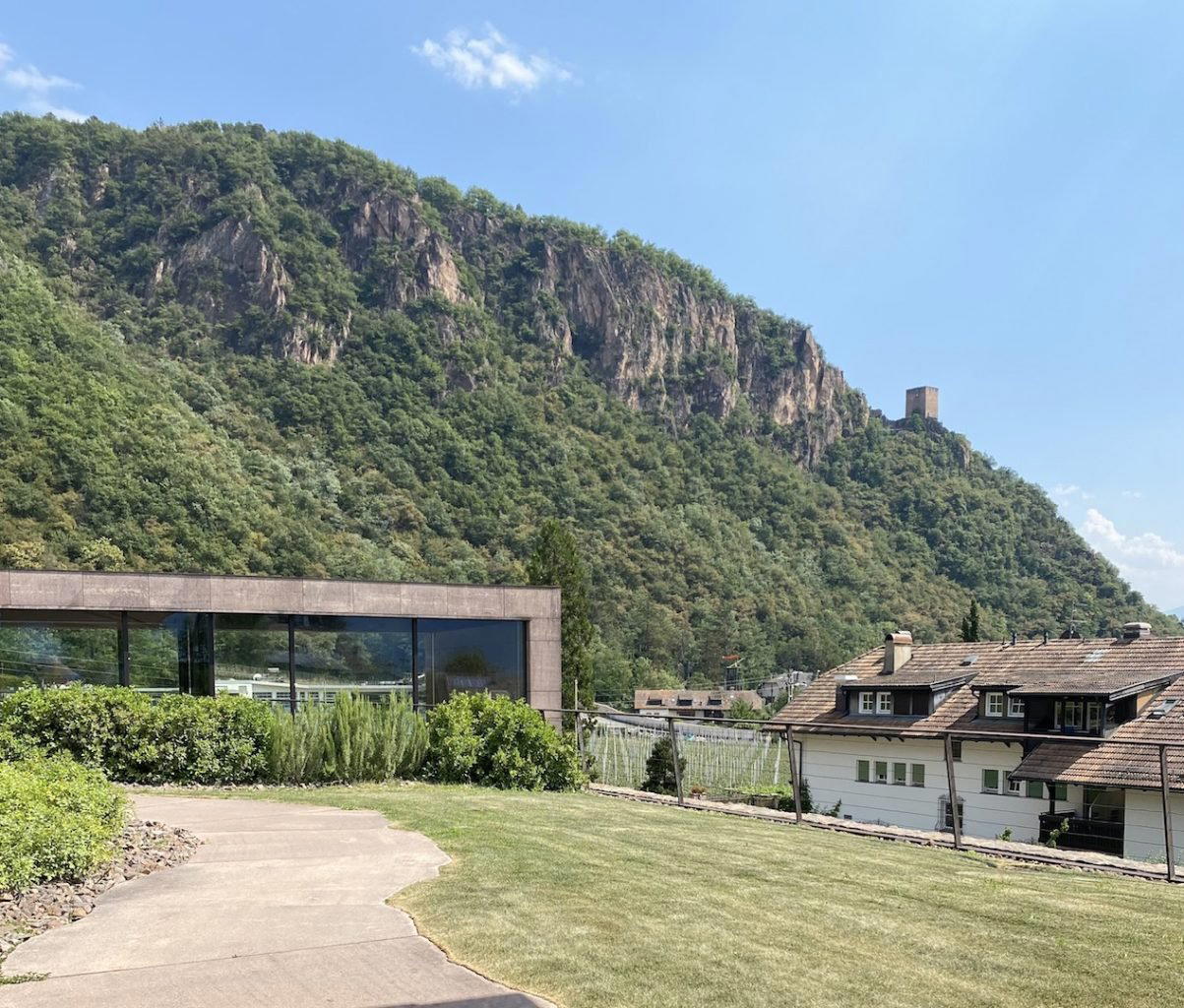
Dining in Schenna follows a particular logic that visitors from Italy's urban restaurant circuits sometimes find disorienting at first. The village sits above Merano in the Burggrafenamt district of Alto Adige, and its restaurants operate within a tradition shaped by the farming calendar, the apple orchards that line the terraced slopes, and a cultural inheritance that is neither straightforwardly Italian nor Austrian but something more specific: the Ladin-inflected Tyrolean vernacular that defines this part of the South Tyrol. Zmailer-Hof, at Via Monte Scena 17, belongs to this tradition. Its address places it on one of the hillside lanes that connect the village proper to the agricultural holdings above, a routing that already signals something about the pace and orientation of what you will find there.
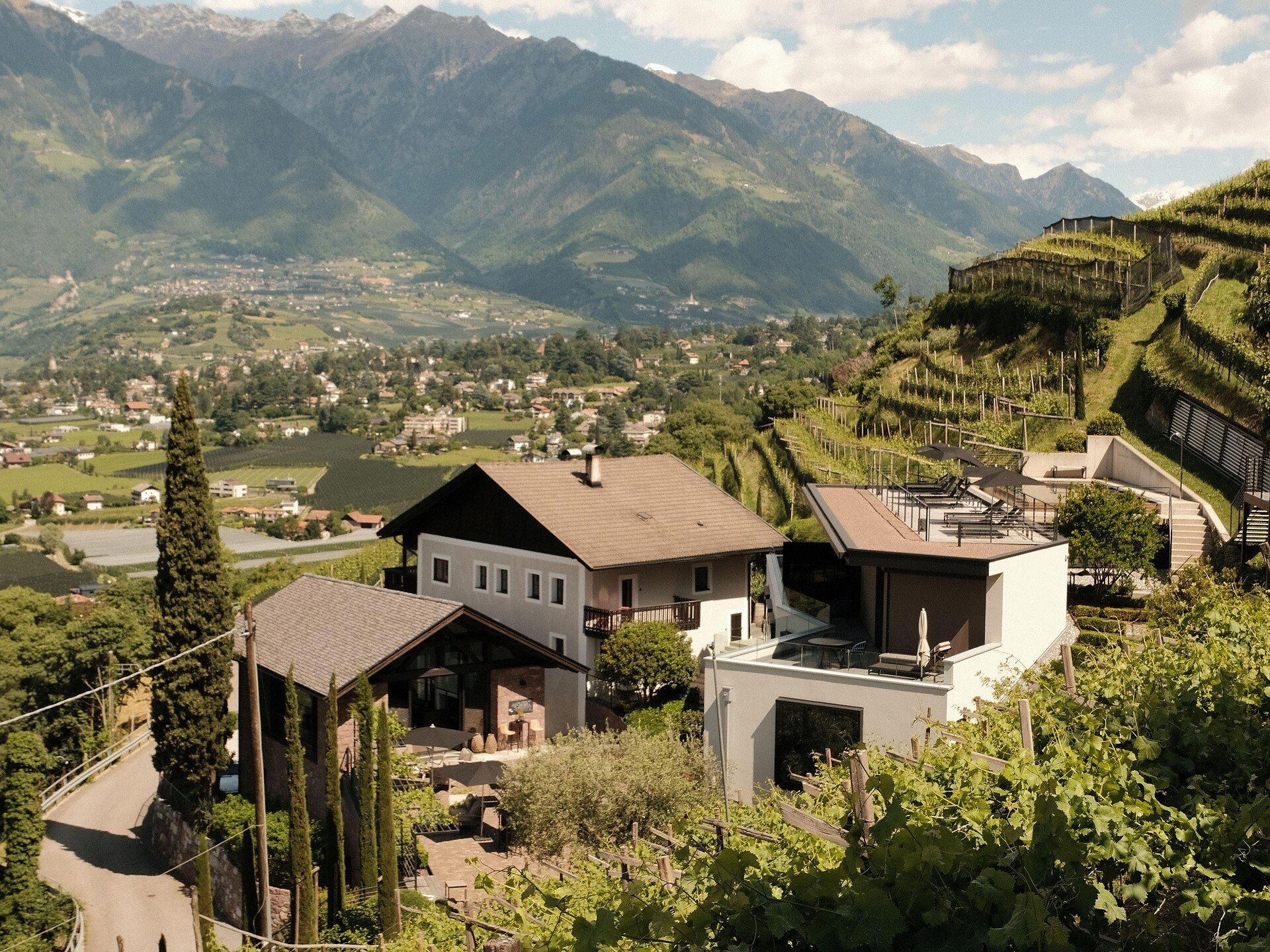
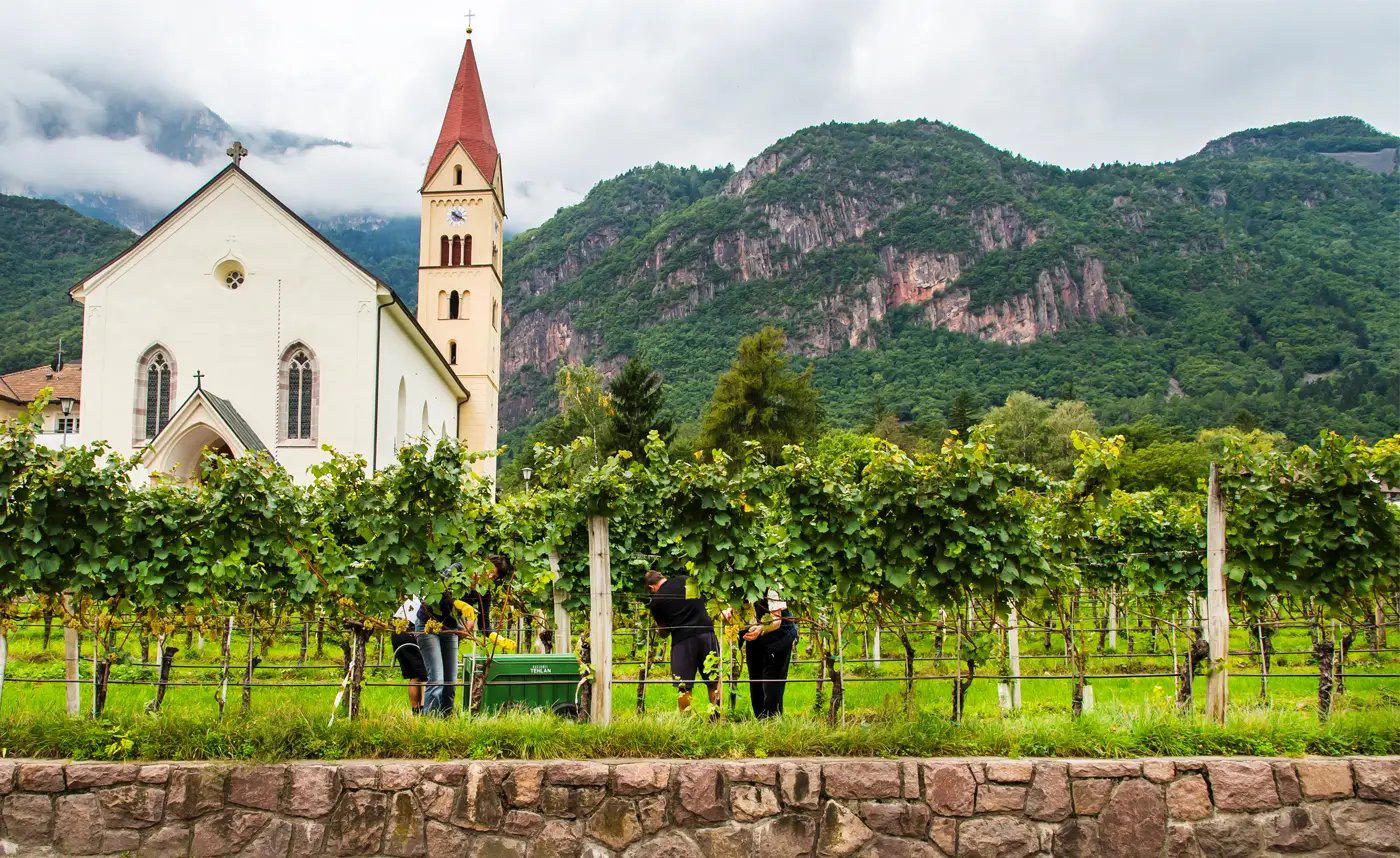
South Tyrolean dining at this level of village specificity tends to prize continuity over novelty. The meal is not a production; it is a sequence that has been refined over decades rather than seasons. Approach Zmailer-Hof with that expectation and the experience makes immediate sense. The setting in Schenna is compact enough that you are unlikely to be far from the property once you are in the village, and the surrounding range of vineyards and orchards provides the agricultural subtext that most of the region's kitchens translate into their menus. The area around Merano, which lies roughly four kilometres downhill, is one of Alto Adige's oldest wine production zones, giving kitchens in Schenna access to a cellar tradition that complements the food without requiring a long supply chain.
The Ritual of the Regional Table
In Alto Adige's smaller communes, the dining ritual differs from the tasting-menu formality that has come to define Italy's highest-profile destination restaurants. At venues like Osteria Francescana in Modena or Le Calandre in Rubano, the meal is structured around the kitchen's ambition and the chef's editorial vision. In a village setting like Schenna, the structure is older and less self-conscious: antipasto arrives when it arrives, the pacing belongs to the room rather than a service script, and the expectation is that guests will stay rather than turn the table. This is not a minor distinction. It changes how you plan the evening and how you read what is placed in front of you.
The South Tyrolean table at village level is typically organised around a small number of well-executed preparations: cured meats and speck from the surrounding valleys, dumplings (Knödel) prepared in several variations, game from the mountain forests, and the apple-based desserts that the Burggrafenamt's orchards make possible almost year-round. Wine pours are likely to lean toward Alto Adige DOC whites, particularly Pinot Grigio, Gewürztraminer, and the Lagrein that is the region's most distinctive red. At this price tier and in this geography, the cellar is defined by regional character rather than international breadth, and that is appropriate to the tradition.
For context on how Schenna's dining sits within the wider South Tyrolean scene, Atelier Moessmer Norbert Niederkofler in Brunico represents the formal apex of the regional tradition, a three-Michelin-star operation that has built a rigorous mountain-produce philosophy into a full tasting architecture. Zmailer-Hof operates in a different register entirely: village-scale, without the booking infrastructure of a destination restaurant, and oriented toward the community it serves as much as toward travelling visitors.
Reading the Room in Schenna
Schenna draws a specific kind of visitor: hikers on the Merano High Trail, guests at the wine-country agritourism properties that have multiplied along the valley slopes, and the returning regulars who anchor the local restaurant economy. The village's dining options are small in number and differentiated less by price tier than by character and focus. Schlosswirt and Schmied represent two other positions within the same compact scene, each with its own emphasis within the Tyrolean vernacular. Taken together, these addresses form a short but coherent village dining circuit, not a competitive hierarchy. The decision between them is more a matter of mood than quality gradient.
Italy's broader fine dining tier, which includes addresses like Piazza Duomo in Alba, Da Vittorio in Brusaporto, and Enoteca Pinchiorri in Florence, belongs to a different category of ambition and infrastructure. So do the progressive formats at Reale in Castel di Sangro or Uliassi in Senigallia. Placing Zmailer-Hof in conversation with those addresses would misread both. The relevant comparison set is the village trattoria and Gasthof tradition of the Alpine south: places where the kitchen's intelligence is expressed through restraint and regional literacy rather than technique or conceptual ambition.
Internationally, the closest parallels are not in Italy at all. The pacing and hospitality logic of a South Tyrolean village restaurant sits closer to the Austrian Gasthaus tradition than to anything in Rome or Milan. If you have spent time in the dining rooms of the Vorarlberg or Tyrol, the rhythm will feel familiar. If your reference points are Le Bernardin in New York City or Atomix in New York City, Schenna will require a different kind of attention.
Planning Your Visit
Schenna is most accessible by car from Merano, which connects to Bolzano and the A22 motorway. The village is a short drive up from the valley floor, and most properties along Via Monte Scena are reachable without navigating narrow lanes beyond what the region routinely requires. The window from late spring through October brings the leading combination of trail conditions, outdoor dining, and wine-harvest activity in the valley below; winter reduces both the visitor population and the number of operating kitchens, so confirming availability before a dedicated trip is sensible. Without published hours or a listed booking method, the practical approach is to contact the property directly through the address or to ask at your accommodation in Schenna or Merano, where local knowledge of which kitchens are open on a given day is reliably current. For a broader orientation to the Schenna dining scene before you arrive, our full Schenna restaurants guide covers the village's options with that context in mind.
Frequently asked questions
Does Zmailer-Hof work for a family meal?
Schenna's dining culture tends toward the unhurried and inclusive, and addresses like Zmailer-Hof on Via Monte Scena sit within a village that draws multi-generational visitors: hikers, agritourism guests, and wine-country travellers. South Tyrolean regional tables are generally structured around sharing, which suits mixed groups. Contacting the venue directly before visiting is advisable to confirm current arrangements.
What's the vibe at Zmailer-Hof?
Schenna operates at a pace set by its altitude and its visitor profile: the village sits above the Merano valley and draws guests who have come specifically to slow down. Zmailer-Hof at Via Monte Scena, 17 is positioned within that context, where the rhythm of a meal is shaped by the Alto Adige tradition of regional hospitality rather than urban restaurant formality. Expect a setting that reflects the mountain commune it occupies.
Is Zmailer-Hof a good base for visiting Schenna and the Merano High Trail?
Schenna is a primary staging point for the Merano High Trail, one of the better-documented alpine walking routes in South Tyrol, and Via Monte Scena places Zmailer-Hof within the village centre where most trail access begins. Merano itself is a short drive down the valley and connects to the A22 motorway and Bolzano. For hikers and wine-country visitors spending time in the 39017 postcode, proximity to both trail access and the Adige valley's wine estates makes Schenna a practical and considered stop.
What should I eat at Zmailer-Hof?
South Tyrolean regional cooking in Schenna draws on the German-speaking Alpine tradition that defines Alto Adige: cured meats, speck, rye breads, and dishes that bridge Austrian and Italian influences. Without current menu documentation, the most reliable approach is to ask at the venue what the kitchen is preparing on a given day, as smaller commune tables in this part of Bolzano province often follow seasonal and local availability.
Where is Zmailer-Hof in Schenna?
Zmailer-Hof is located at Via Monte Scena, 17, 39017 Scena BZ, Italy, Schenna.
Cuisine-First Comparison
Comparable venues nearby, for context on price, style, and recognition.
| Venue | Cuisine | Price | Notes |
|---|---|---|---|
| Zmailer-HofThis venue (the venue you are viewing) | South Tyrolean Farmhouse Inn | Not listed | Not listed |
| Schmied | South Tyrolean-Mediterranean Fine Dining | $50–100 | Scena |
| Schlosswirt | Modern South Tyrolean with Mediterranean Influences | $50–100 | Scena |
| Traubenwirt | Tyrolean with Mediterranean influences | $20–30 | historic center |
| Pfefferlechner | Traditional South Tyrolean | $20–30 | Lana |
| Brandiskeller | Traditional South Tyrolean Grill & Wine Cellar | $20–30 | Lana di Sotto |
Continue exploring
More in Schenna
Restaurants in Schenna
All restaurants in Schenna →
Bars in Schenna
Browse all →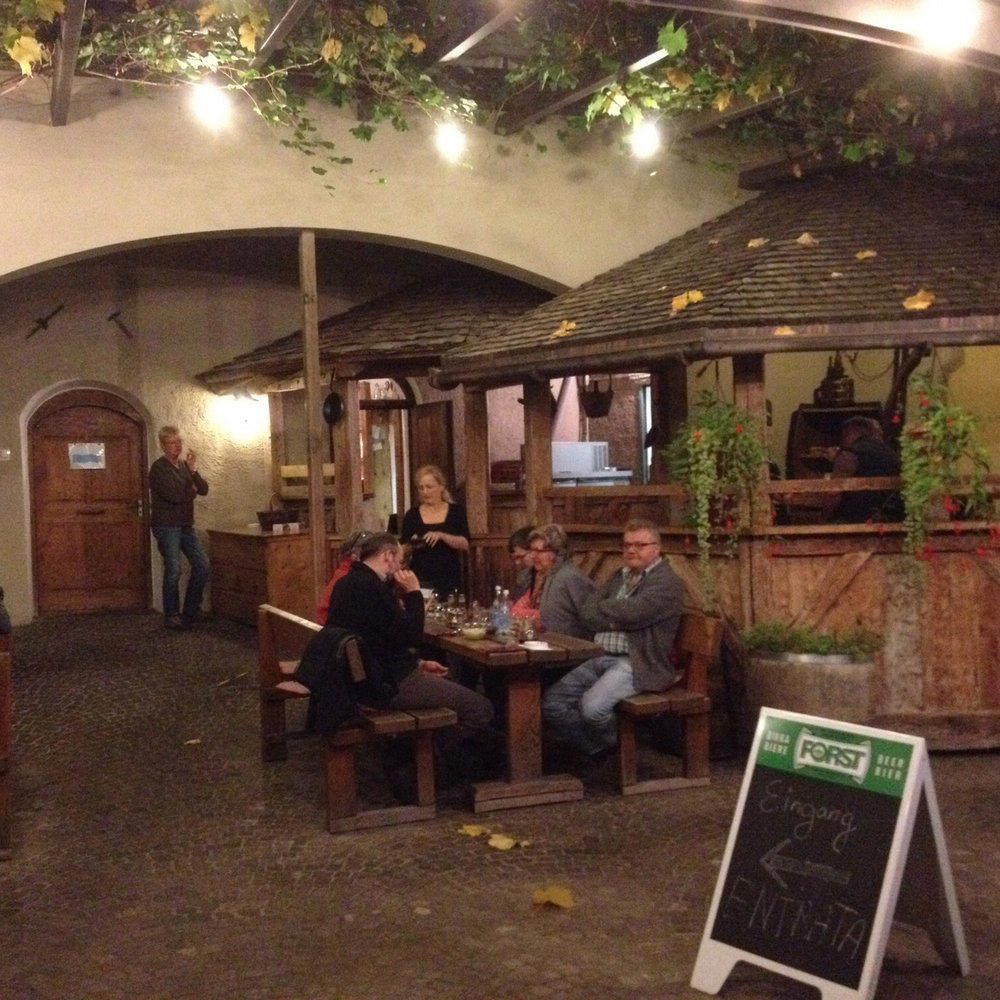
Details
- Rustic
- Cozy
- Scenic
- Family
- Casual Hangout
- Terrace
- Historic Building
- Local Sourcing
- Mountain
- A La Carte
- Vegetarian Friendly
Current opening hours
- Monday
- 11:30 AM–5:30 PM
- Tuesday
- 11:30 AM–5:30 PM
- Wednesday
- 11:30 AM–5:30 PM
- Thursday
- 11:30 AM–5:30 PM
- Friday
- Closed
- Saturday
- 11:30 AM–5:30 PM
- Sunday
- 11:30 AM–5:30 PM
Hours can change for holidays and private events. Hours as of .
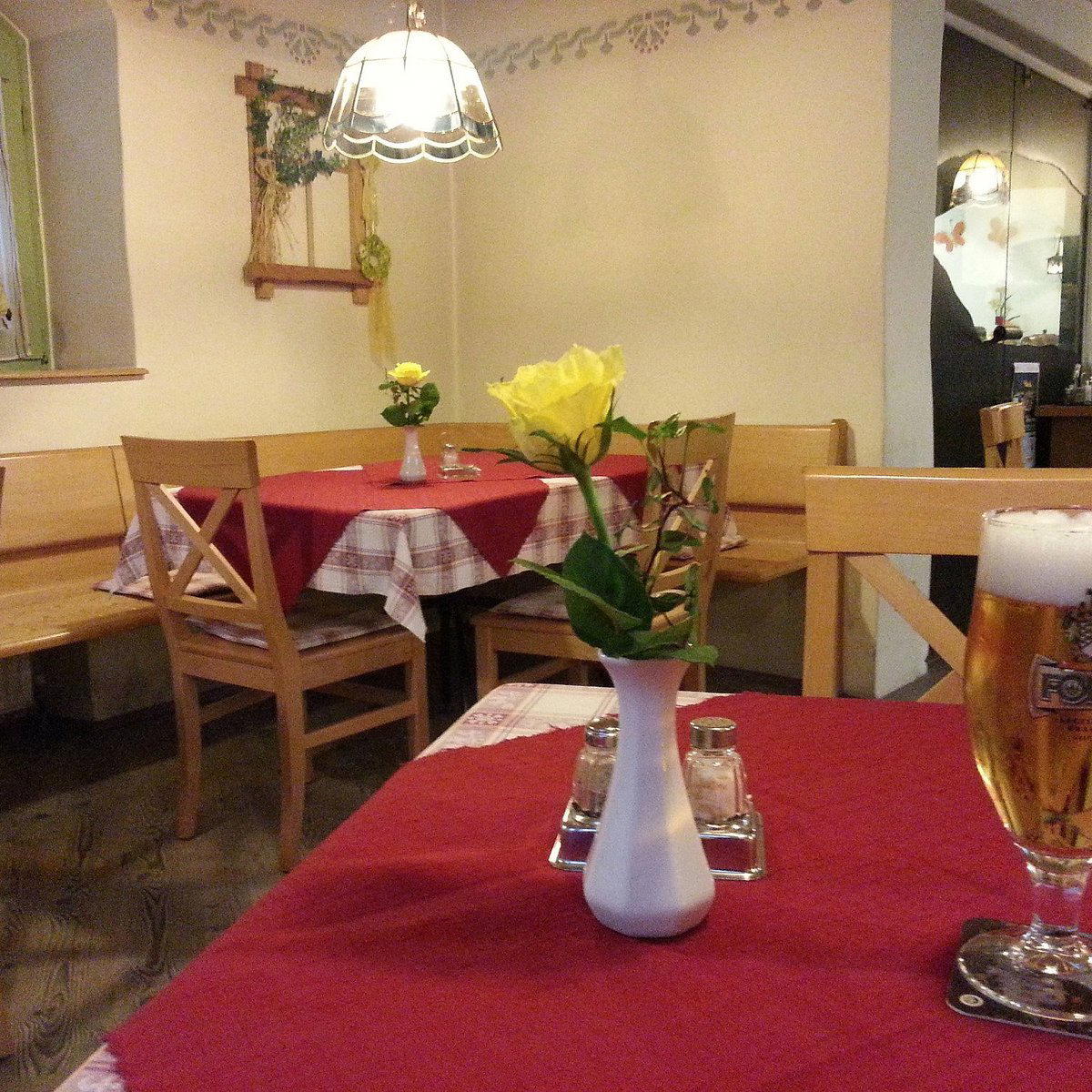
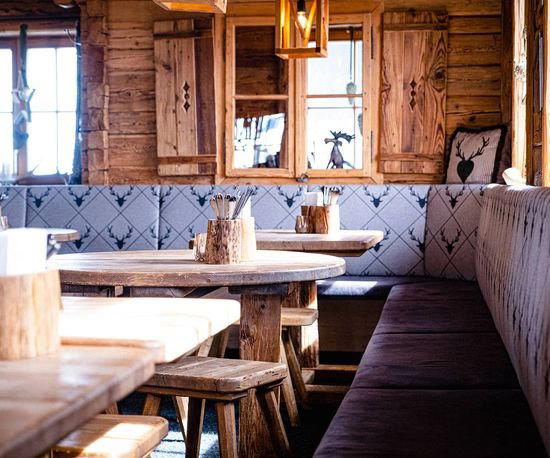
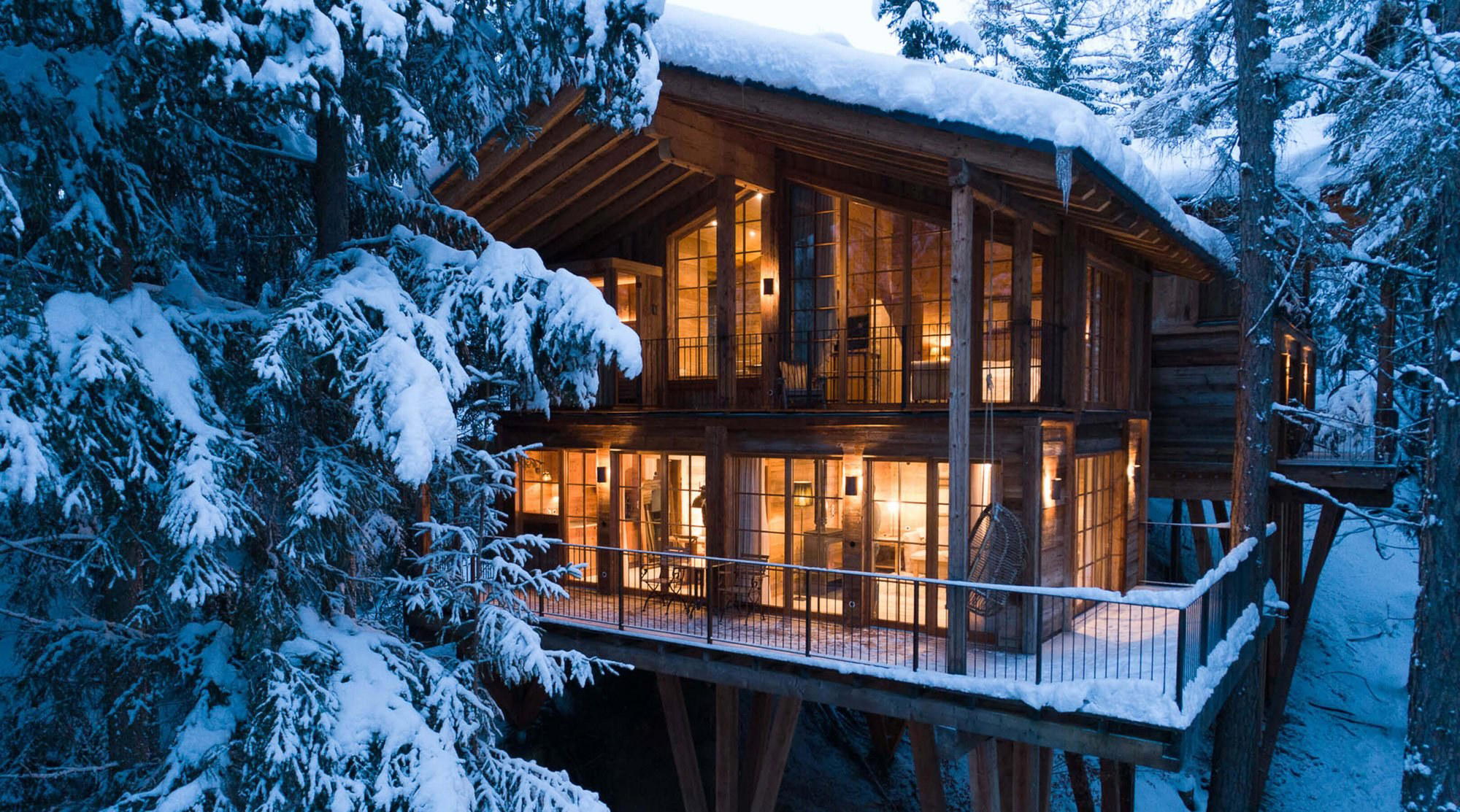
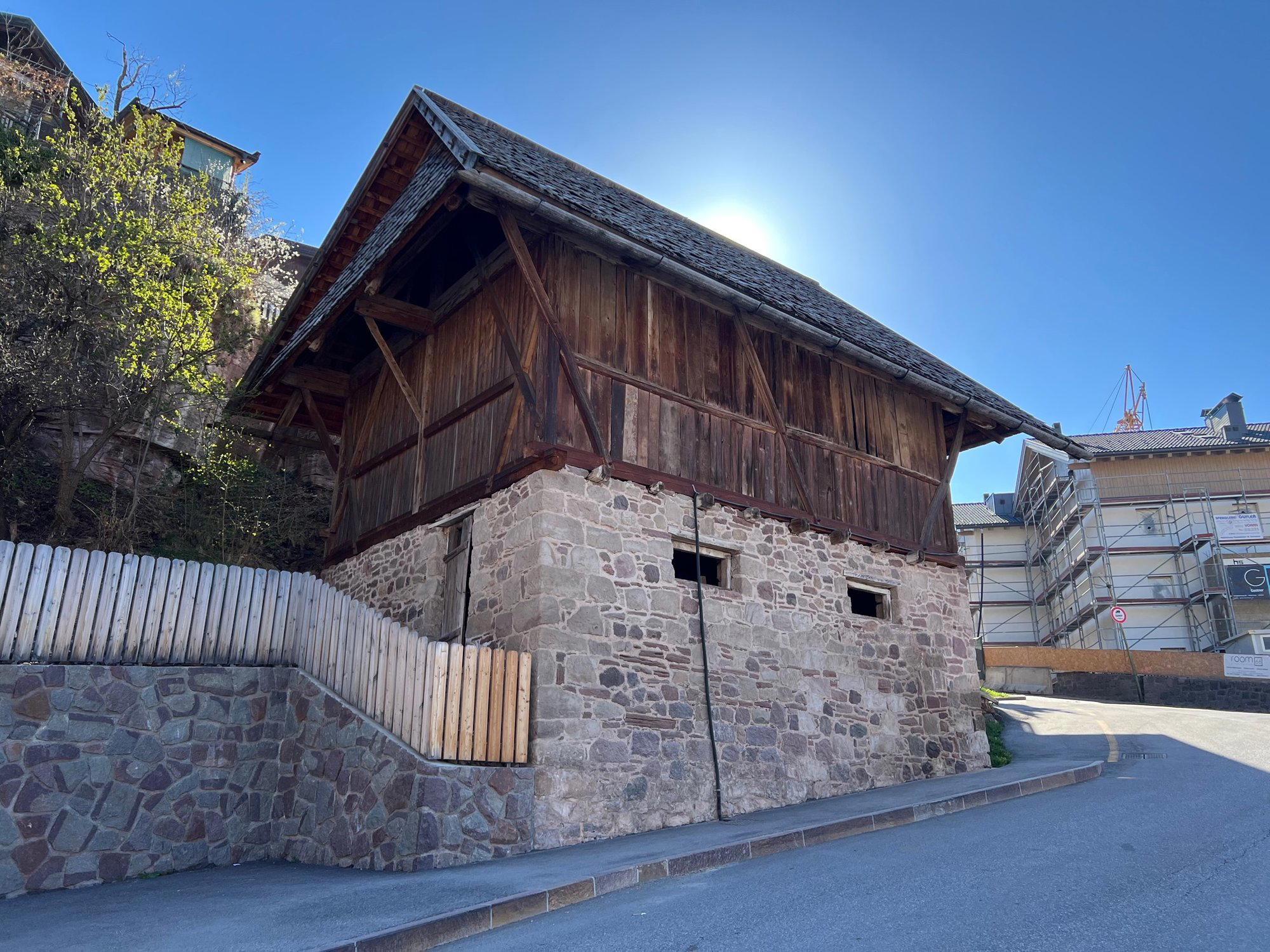
Cozy panelled stube and sunny terrace with warm, familial hospitality amid preserved historic features.