Gattara
Gattara occupies a distinctive position in Denver's Capitol Hill corridor at 1776 Grant St, where the city's appetite for serious, progression-driven dining continues to sharpen. The restaurant sits within a comparable set that includes tasting-format contemporaries across the Front Range, offering a meal structured around deliberate sequencing rather than à la carte choice. For Denver diners tracking the evolution of the city's fine-dining tier, it warrants close attention.
Pearl is the En Primeur Club membership app — saves, bookings, and concierge access live there. Same editors, same standards.
- Address
- 1776 Grant St, Denver, CO 80203
- Phone
- +13033187272
- Website
- gattararestaurant.com
- Directions
- Get directions
 Saves & bookings on Pearl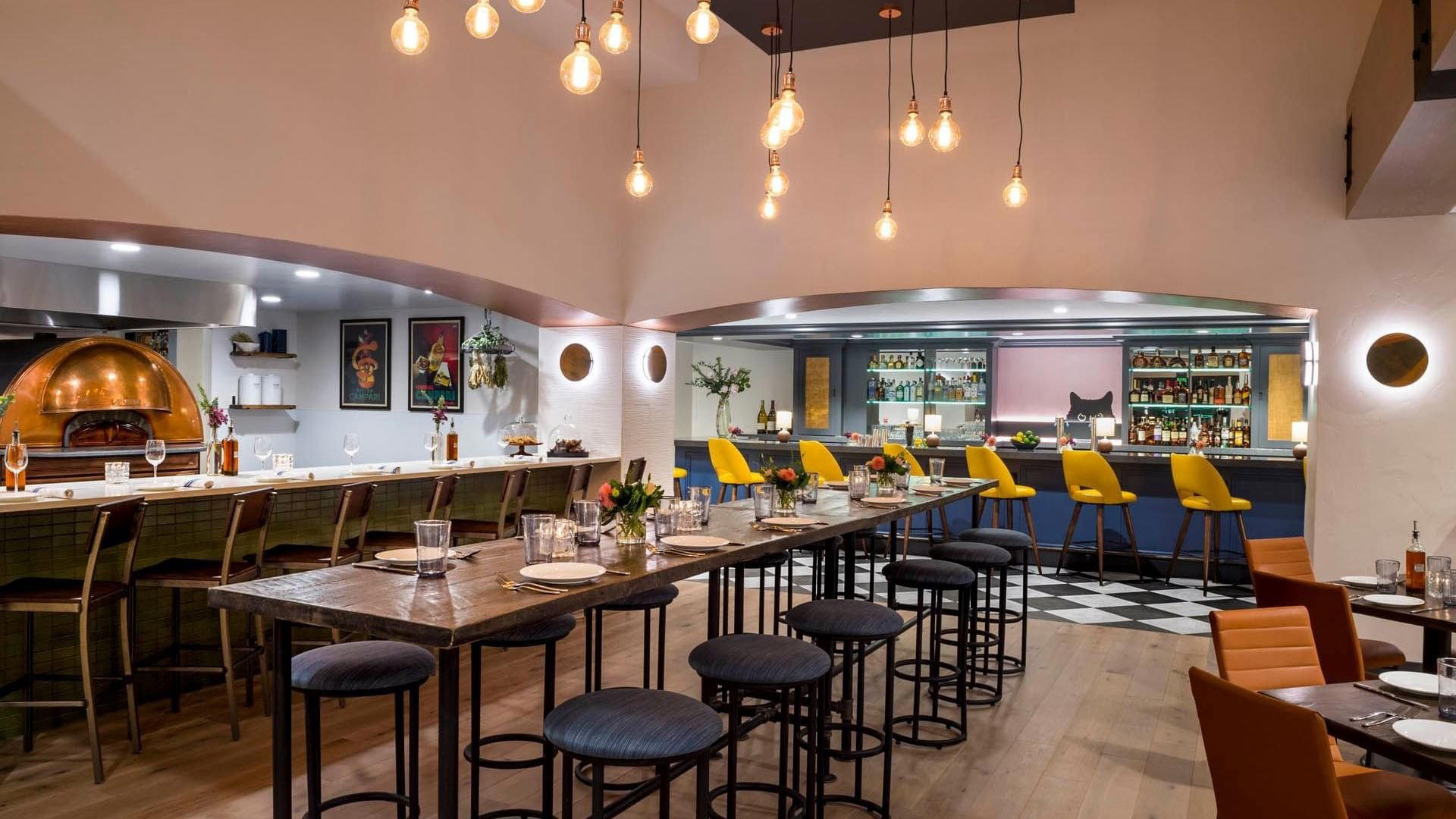
The Architecture of a Meal: Denver's Progression-Driven Dining Scene
Capitol Hill has long occupied a distinct place in Denver's dining geography: close enough to downtown to draw serious eaters, residential enough to shape a quieter restaurant scene. The neighbourhood's built environment, a mix of nineteenth-century brick and mid-century apartment blocks, creates a particular atmosphere for restaurants that choose it. There is less foot traffic than on Larimer Street, which means the places that survive there tend to earn their audience through reputation rather than location convenience. It sits inside that logic.
Denver's fine-dining tier has shifted meaningfully over the past decade. The city's most discussed restaurants increasingly organise the meal as a sequence rather than a selection, a format that demands more from both kitchen and guest. Venues like Beckon and Brutø have helped establish that expectation at the summit of the market, while The Wolf's Tailor has shown that New American tasting formats can carry genuine regional identity. Gattara enters this context as a Capitol Hill address operating within that same general register, where the sequenced meal is not a gimmick but an organising principle.
How the Meal Moves: Progression as the Point
The tasting progression format, at its most considered, is less about volume than about argument. Each course is a claim, and the arc from first to last should feel like a completed thought. This is a discipline that separates the restaurants doing it well from those using multi-course formats as a revenue mechanism. In cities like Chicago, where Smyth has built a reputation around fermentation and seasonal transitions, or in Healdsburg, where Single Thread Farm anchors progression in agricultural specificity, the format succeeds because each plate advances a coherent idea.
Denver kitchens working in this mode face a particular challenge: the city's altitude and climate compress certain seasons and extend others, and the Front Range's agricultural supply chain, while improving, still lacks the density of California or the Northeast. The restaurants that handle this leading tend to build menus that treat those constraints as creative conditions rather than limitations. Annette in Aurora has demonstrated that ingredient-forward thinking can anchor a strong progression even outside the metropolitan core. Gattara occupies a Capitol Hill address where similar questions about sourcing and sequence apply.
Denver in the National Tasting-Format Conversation
Nationally, the multi-course tasting format has bifurcated. On one side sit the grand-hotel tradition restaurants: Le Bernardin in New York City, The French Laundry in Napa, and The Inn at Little Washington, where the progression is partly ceremonial, a performance of culinary history as much as an exploration of ingredients. On the other side sit the newer generation of tasting rooms, represented by venues like Atomix in New York City or Lazy Bear in San Francisco, where the format is denser, more conceptually compressed, and less interested in classical European reference points.
Denver's progression restaurants tend to draw from both traditions without being fully absorbed by either. There is a Western directness to how Front Range kitchens approach the format: fewer sauce-intensive gestures, more attention to protein and grain, and a willingness to let a single strong ingredient carry a course rather than layering it into complexity. This regional disposition shows up across the comparable set. Alma Fonda Fina demonstrates, at a different price point and register, how a clearly defined culinary identity can hold a meal together without elaborate theatrical framing. The same principle applies at the tasting-format tier.
Further afield, venues like Blue Hill at Stone Barns in Tarrytown, Addison in San Diego, and Providence in Los Angeles show how tasting progressions anchored in a specific geographic or ecological identity can sustain long-term critical relevance. For European comparison, Atelier Moessmer Norbert Niederkofler in Brunico illustrates how a mountain-region kitchen can build a globally recognised progression format from deliberately local parameters, a model that has direct relevance to Denver's altitude-and-terrain context. Emeril's in New Orleans offers a counterpoint: what happens when a tasting format leans into regional culinary tradition rather than minimalist restraint.
Capitol Hill and the Neighbourhood Dynamic
Choosing Capitol Hill over RiNo or LoDo carries a specific signal for Denver restaurants. The neighbourhood draws a more locally embedded dining public, less dependent on hotel guests or convention-week traffic. That means a restaurant there builds its audience incrementally, through word-of-mouth and repeat visits, rather than through the burst attention that a high-visibility address can generate. The trade-off is a more demanding customer: Capitol Hill diners who seek out a serious progression restaurant tend to be comparatively well-travelled and food-literate, the kind of guests who have eaten at the city's leading tables and have a basis for comparison.
Know Before You Go
Address: 1776 Grant St, Denver, CO 80203
Neighbourhood: Capitol Hill
Format: Progression-focused dining; confirm current menu format directly with the restaurant
Price tier: Confirm current pricing with the restaurant; pricing is about $40 per person
Getting there: Capitol Hill is accessible by car, and street parking is available nearby.
Side-by-Side Snapshot
Comparable venues nearby, for context on price, style, and recognition.
| Venue | Cuisine | Price | Notes |
|---|---|---|---|
| GattaraThis venue — the venue you are viewing | Modern Italian-American | $$$ | Not listed |
| Café Mercato | Modern Southern Italian with Sicilian Influences | $$$ | Lowry Field |
| Cattivella | Authentic Regional Italian with Wood-Fired Specialties | $$$ | Central Park |
| Festa del Chianti Classico | Tuscan-Inspired Italian Wine Dinner | $$$ | Central Platte Valley |
| Benzina | Neapolitan Italian | $$ | South Park Hill |
| Attimo | Italian Wine Bar | $$$ | RiNo |
Continue exploring
More in Denver
Restaurants in Denver
Browse all →
Bars in Denver
Browse all →
Hotels in Denver
Browse all →

At a Glance
- Modern
- Cozy
- Trendy
- Sophisticated
- Date Night
- Casual Hangout
- Brunch
- Hotel Restaurant
- Open Kitchen
- Craft Cocktails
- Local Sourcing
Current opening hours
- Monday
- 6:30 AM–10:30 PM
- Tuesday
- 6:30 AM–10:30 PM
- Wednesday
- 6:30 AM–10:30 PM
- Thursday
- 6:30 AM–10:30 PM
- Friday
- 6:30 AM–10 PM
- Saturday
- 7 AM–10:30 PM
- Sunday
- 7 AM–10 PM
Hours can change for holidays and private events. Last verified .
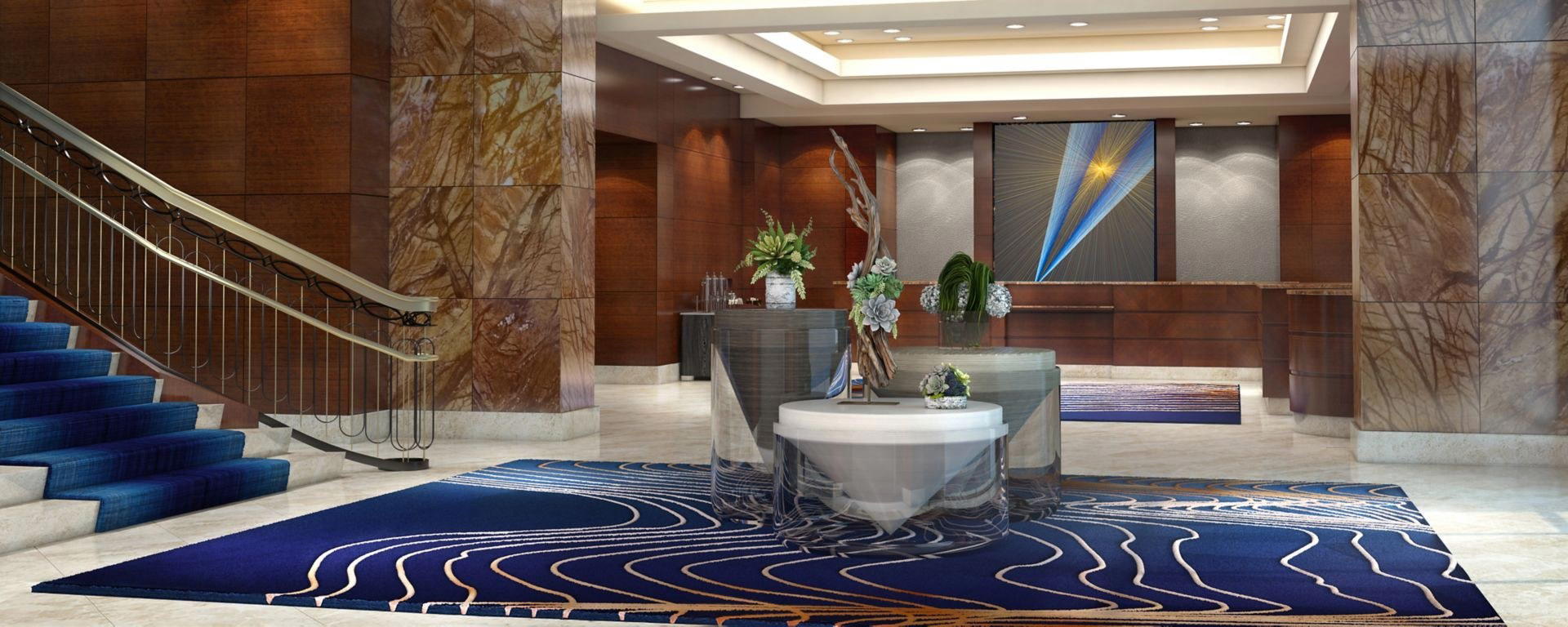
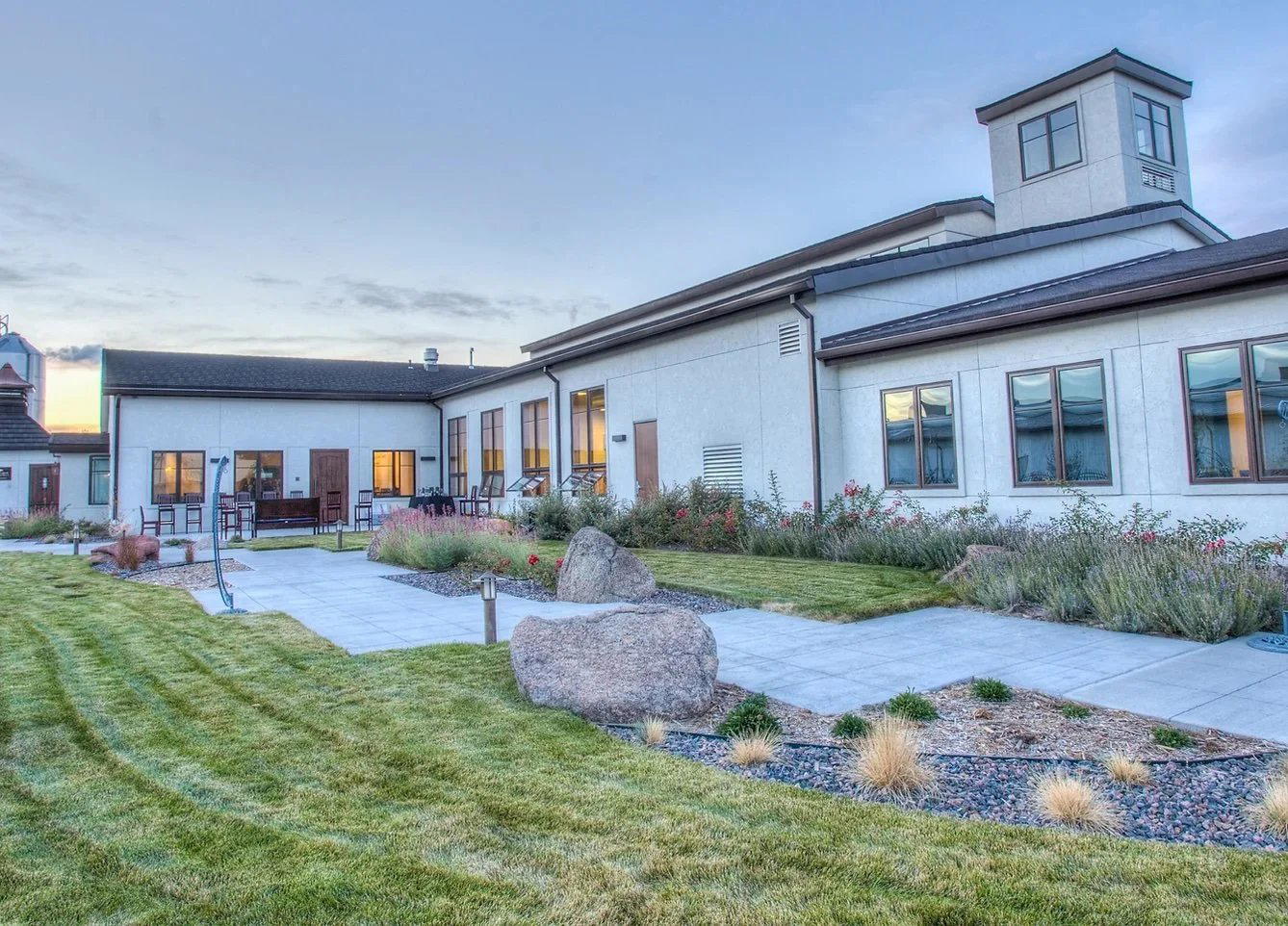
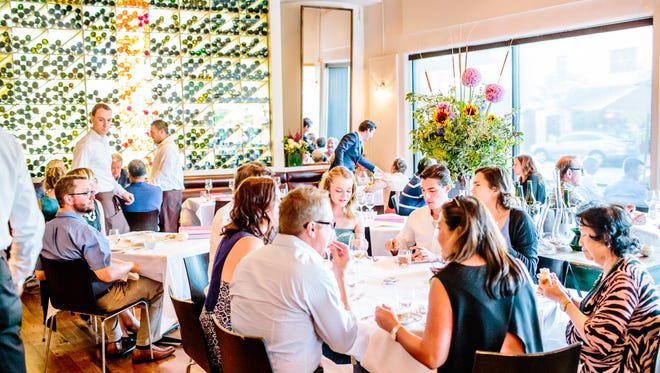
Mod-inspired main dining room with fresh, renovated décor and a spacious outdoor terrace featuring comfortable seating and an outdoor fireplace.