Luca

Luca sits on Grant Street in Denver's Capitol Hill corridor, a neighborhood where Italian-rooted cooking has carved a distinct niche among the city's more experimental dining rooms. The address places it within walking distance of several of Denver's more serious independent restaurants, making it a natural anchor for an evening that begins or ends nearby.
Pearl is the En Primeur Club membership app — saves, bookings, and concierge access live there. Same editors, same standards.
- Address
- 711 Grant St, Denver, CO 80203
- Phone
- +13038326600
- Website
- lucadenver.com
- Directions
- Get directions
 Saves & bookings on Pearl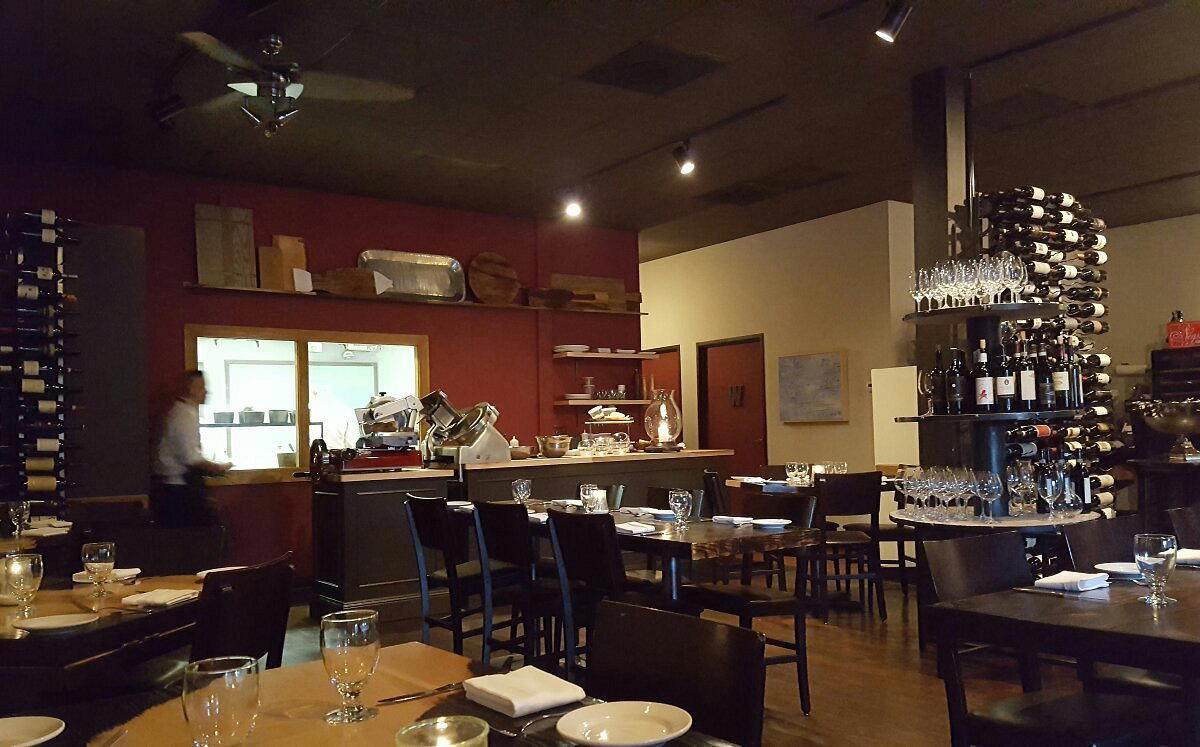
Italian Cooking in a City Still Defining Its Fine-Dining Identity
Denver's restaurant scene has spent the better part of a decade sorting itself into tiers. At the leading end, a cluster of tasting-menu rooms, Brutø, Beckon, and The Wolf's Tailor, have pushed contemporary American cooking into nationally recognized territory. Below that, a mid-tier of neighborhood-rooted restaurants has grown alongside them, often operating with fewer editorial accolades but tighter connections to specific culinary traditions. Italian cooking occupies an interesting position in that middle band. It carries enough cultural familiarity to fill rooms on a Tuesday, but enough technical depth, house-made pasta, serious wine lists, region-specific preparations, to reward the kind of attention Denver's more curious diners are increasingly willing to give it.
Luca is a rustic wood-fired Italian restaurant at 711 Grant St in Denver's Capitol Hill neighborhood, with dinner service Mon through Thu from 5 to 9 PM, Fri and Sat from 5 to 10 PM, and Sun from 5 to 9 PM. Luca, at 711 Grant Street in Capitol Hill, sits within that context. The address puts it in a walkable stretch of Denver that includes some of the city's more interesting independent dining, making it a practical choice for an evening that doesn't require a car or a long commitment to a fixed menu. Capitol Hill's density of independently owned restaurants and bars gives the neighborhood a rhythm distinct from the more developed RiNo or LoDo corridors, fewer tourists, more regulars, less spectacle.
What Italian Tradition Looks Like at This Latitude
Italian cooking in America has always operated along a spectrum from red-sauce comfort to refined regionalism. The better rooms in the past decade have moved toward the latter: shorter menus, pasta made daily, wine programs that reference northern Italian producers, and kitchens that treat the cured-meat and cheese course as seriously as the main. That shift mirrors what happened in cities like New York and San Francisco a generation earlier, and Denver is now working through its own version of the same transition.
At the regional level, Denver's Italian dining sits in an interesting comparable set. Annette brings a farm-adjacent sensibility to its menu, while Tavernetta, which operates at a comparable price point to many mid-range Italian rooms nationally, has established itself as one of the more technically assured pasta kitchens in the city. Luca occupies the same general territory: Grant Street rather than Union Station, Capitol Hill rather than downtown, but drawing from the same expectation that Italian cooking in Denver can now be something more than reliable.
The broader American context is worth noting. Cities with deeply established Italian-American communities, New York, Chicago, San Francisco, produced a different kind of Italian restaurant culture than cities like Denver, which came to the cuisine largely through the second wave of American culinary interest in the 1990s and 2000s. That later arrival means fewer entrenched habits, but also fewer deeply rooted institutions. Denver's Italian rooms tend to be less burdened by nostalgia and more open to referencing the actual regions of Italy rather than a generalized Italian-American idiom. That's a generational shift visible across the country, from Le Bernardin in New York City setting standards for French-rooted precision to Lazy Bear in San Francisco reframing what communal dining can mean, each city's fine-dining moment tends to reshape the mid-tier restaurants around it, and Denver is no exception.
The Grant Street Setting
Capitol Hill is one of Denver's older residential neighborhoods, and Grant Street's restaurant strip carries that character: buildings with some age to them, storefronts that haven't been gut-renovated into uniformity, a mix of longtime locals and newer arrivals. The physical approach to Luca gives you that neighborhood texture before you reach the door. It's a useful contrast to the purpose-built dining environments of newer Denver developments, where the design brief has often overwhelmed whatever cooking is meant to be the point.
Italian restaurants in particular tend to benefit from rooms that feel lived-in rather than designed from scratch. Strong examples among them, and you can trace this from trattorias in Bologna to serious Italian-American rooms in New York, have a quality of accumulated warmth that no opening-week press photo can replicate. Whether Luca's room has achieved that is a function of time and regulars as much as any deliberate design choice.
Where Luca Sits in Denver's Wider Dining Map
RiNo holds the more experimental rooms; downtown anchors the hotel dining and expense-account tier; Capitol Hill and its surrounding neighborhoods carry the mid-tier independents that define a city's actual dining culture more accurately than its marquee openings. Luca belongs to that latter category.
Nationally, the reference points for serious Italian cooking in America include rooms operating at significant scale and recognition: Alinea in Chicago and The French Laundry in Napa represent the apex of tasting-menu ambition in their cities, while Addison in San Diego and Blue Hill at Stone Barns in Tarrytown show how regional sourcing can anchor a fine-dining identity. Denver's Italian rooms are operating in a different register, less destination dining, more neighborhood institution, but the same pressure to be specific rather than generic applies. Italian cooking that gestures vaguely at the whole peninsula is less interesting than cooking that commits to a region, a technique, or a wine pairing logic. The city's better Italian rooms have understood that, and the expectation has raised the floor for everyone.
For Mexican cooking in Denver at a comparable level of seriousness, Alma Fonda Fina represents the standard the mid-tier is measured against.
Planning a Visit
Luca's Grant Street address is accessible from most of central Denver without significant travel time, Capitol Hill sits just southeast of the downtown core, and the neighborhood is walkable from several of the city's central hotels.
Peers in This Market
Comparable venues nearby, for context on price, style, and recognition.
| Venue | Cuisine | Price | Notes |
|---|---|---|---|
| LucaThis venue — the venue you are viewing | Rustic Wood-Fired Italian | $$$ | Not listed |
| Café Mercato | Modern Southern Italian with Sicilian Influences | $$$ | Lowry Field |
| Saverina | Italian-Inspired Modern American | $$$ | Southmoor Park |
| Cattivella | Authentic Regional Italian with Wood-Fired Specialties | $$$ | Central Park |
| PARISI | Casual Italian Trattoria | $$ | Berkeley |
| Shells and Sauce | Italian-American Trattoria | $$$ | Congress Park |
Recognition history
Dated appearances from independent guides and award organizations, with the underlying list record or original source where available.
Wine Spectator Award of Excellence
Wine Spectator
Continue exploring
More in Denver
Restaurants in Denver
Browse all →
Bars in Denver
Browse all →
Hotels in Denver
Browse all →

At a Glance
- Cozy
- Rustic
- Elegant
- Intimate
- Date Night
- Special Occasion
- Group Dining
- Open Kitchen
- Private Dining
- Extensive Wine List
Current opening hours
- Monday
- 5–9 PM
- Tuesday
- 5–9 PM
- Wednesday
- 5–9 PM
- Thursday
- 5–9 PM
- Friday
- 5–10 PM
- Saturday
- 5–10 PM
- Sunday
- 5–9 PM
Hours can change for holidays and private events. Last verified .
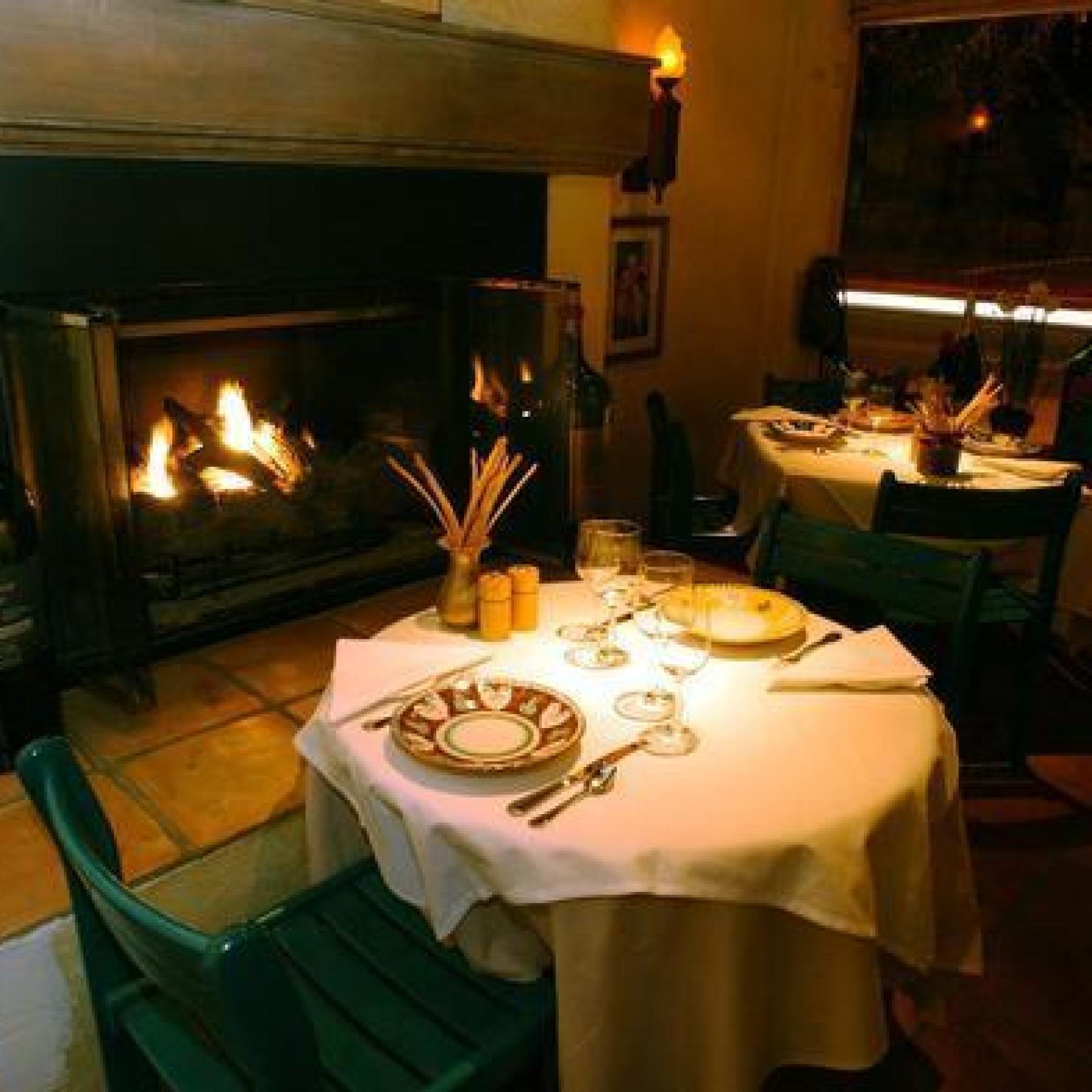
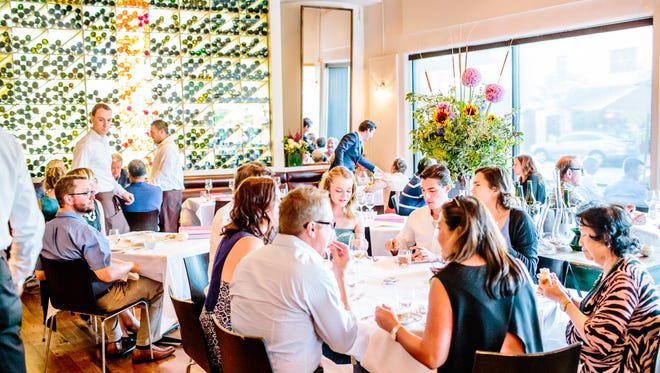
Cozy dining room with rustic scorched wood tables, warm atmosphere infused with wood-fired aromas, lively yet elegant for intimate gatherings.