Skip to Main Content
Mediterranean

Google: 4.3 · 266 reviews

← Collection
Dress CodeSmart Casual
ServiceUpscale Casual
NoiseLively
CapacityMedium

SAVATICO occupies a quiet address on Calle Carretas in Villaviciosa de Odón, a Madrid commuter town that sits well outside the capital's recognised dining circuit. What makes it worth attention is precisely that distance from the noise: a setting and approach that answer to local rhythms rather than metropolitan trend cycles. For travellers already in the Madrid region, it represents a different register of Spanish dining.

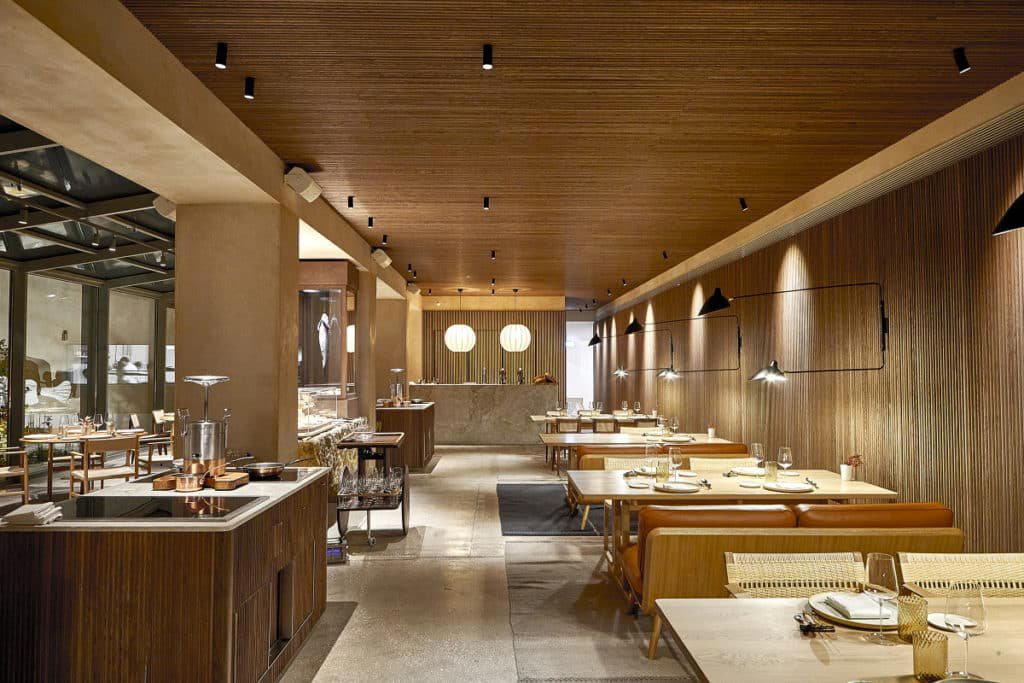
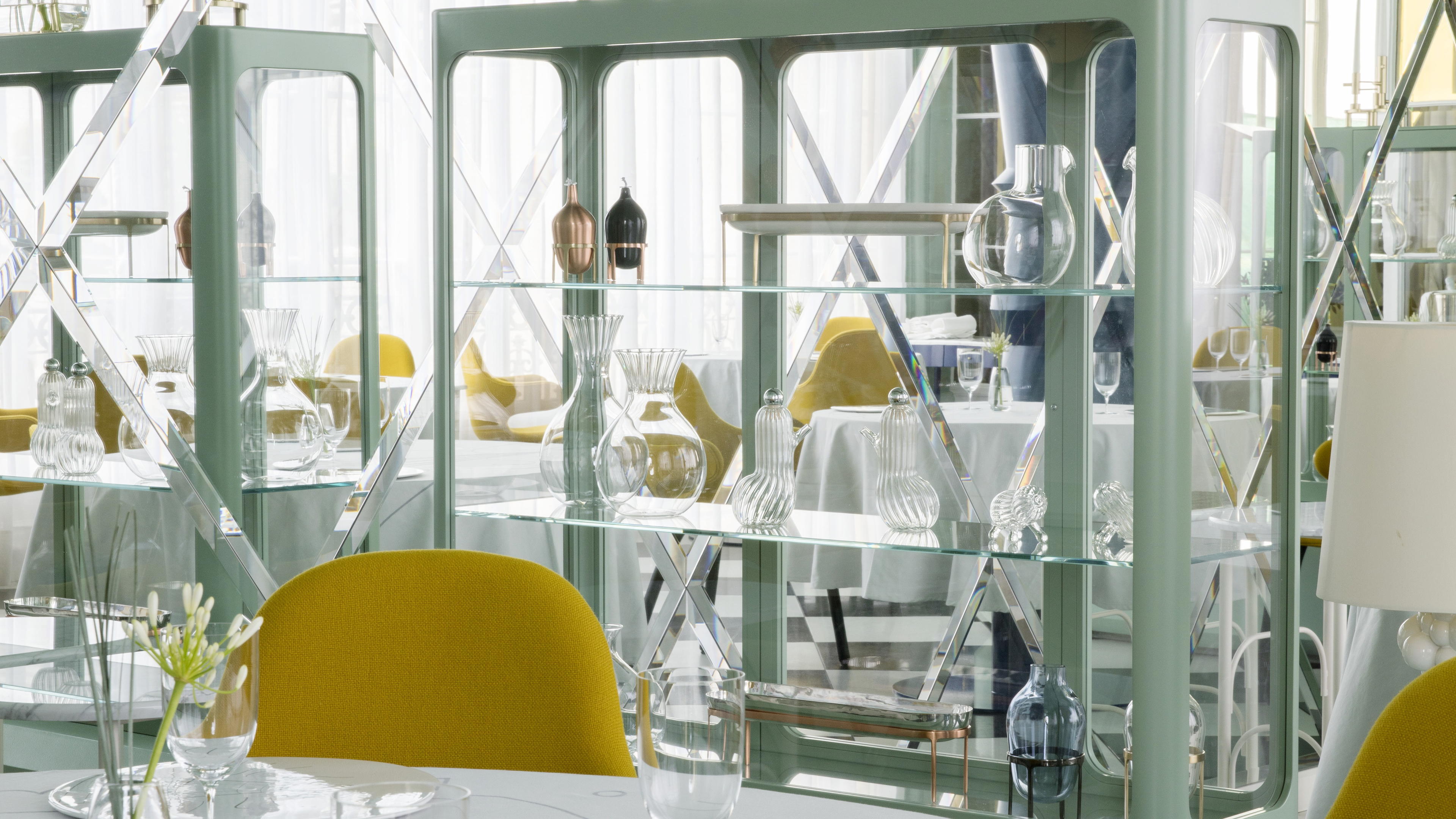
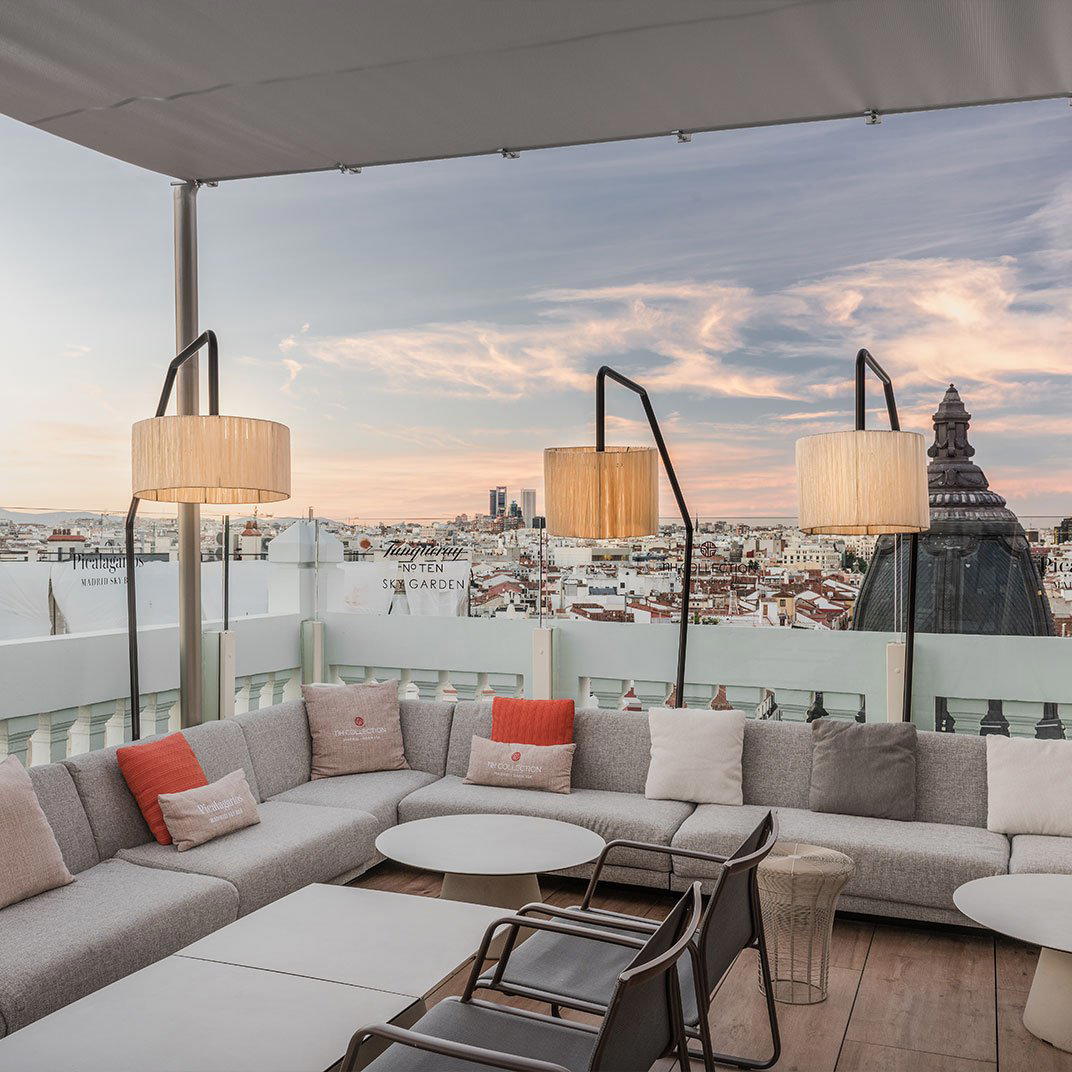
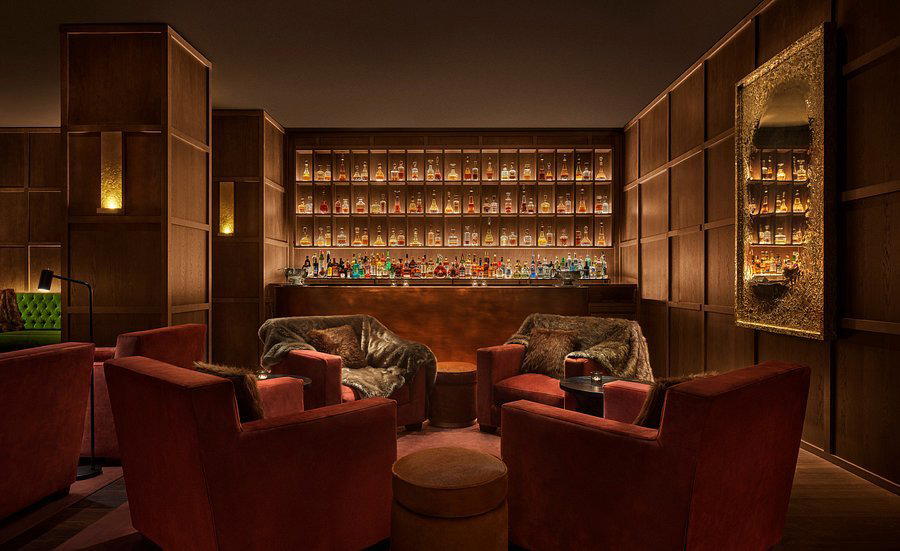
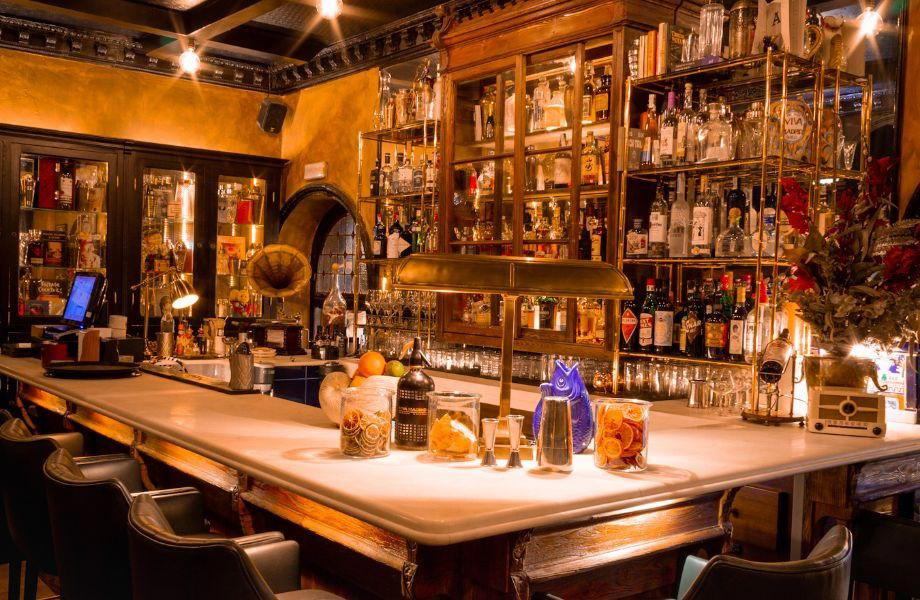
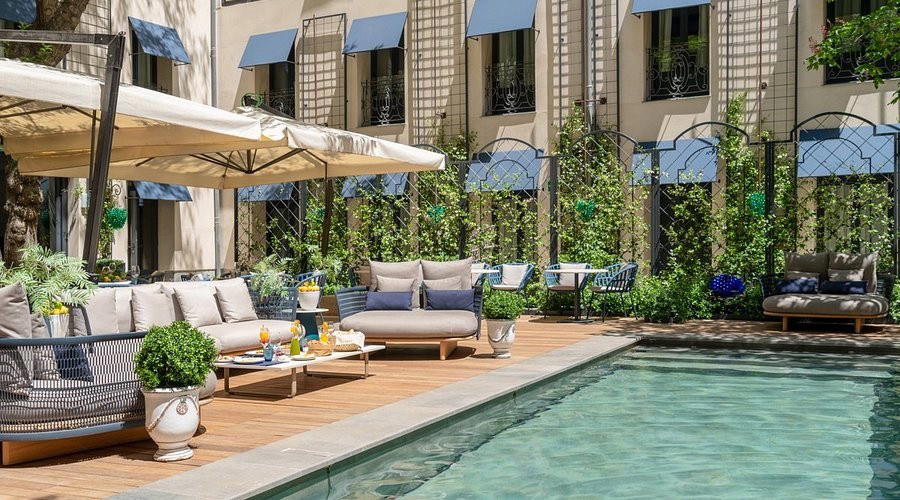
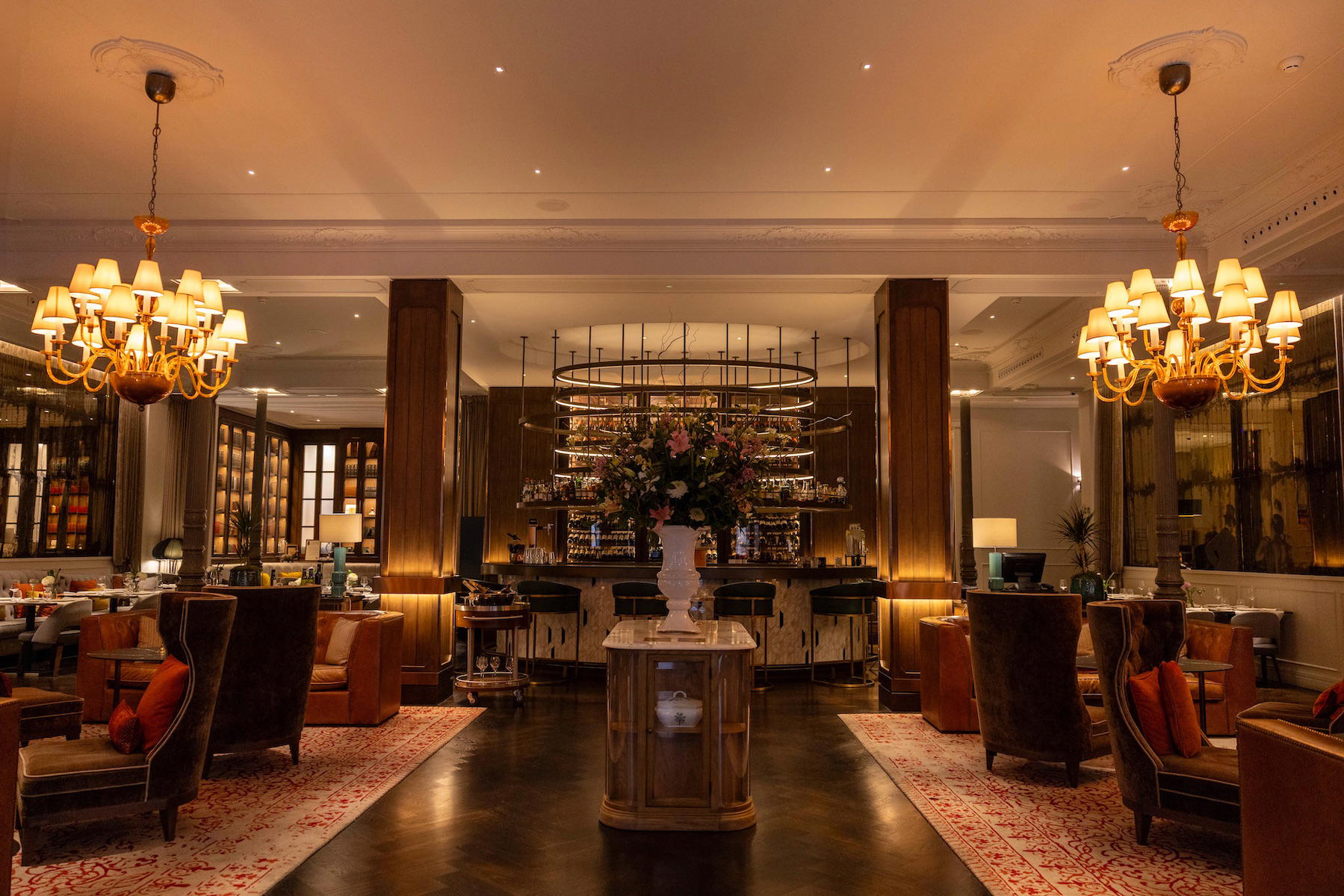
SAVATICO restaurant in Villaviciosa de Odón, Spain
About

Outside the Ring Road: Dining in Villaviciosa de Odón

Spain's serious restaurant culture concentrates in predictable coordinates. The three-Michelin-star tier runs through San Sebastián, Bilbao, Barcelona, Girona, and Madrid itself: Arzak in San Sebastián, Azurmendi in Larrabetzu, El Celler de Can Roca in Girona, DiverXO in Madrid. Below that stratum, the serious mid-register dining tends to cluster in city centres, where critics and food media circulate. Villaviciosa de Odón sits about 25 kilometres southwest of central Madrid, in the corridor of commuter towns that lines the A-5. It does not appear on most editorial dining maps. That absence is structural, not evaluative: towns at this distance from the capital rarely generate the visitor traffic that drives reviews and reservation pressure, which means the restaurants operating there answer primarily to a local audience rather than a touring one.

SAVATICO is on Calle Carretas, 7, in the town centre. The address is residential in character: the kind of street where a restaurant fits into the built fabric of a neighbourhood rather than performing its ambition through a statement facade. Approaching on foot, the scale is domestic. This is a consistent feature of serious provincial dining across Spain, where the building rarely signals what happens inside, and the audience already knows.

The Sourcing Logic Behind Provincial Spanish Tables

One of the more durable arguments for seeking out restaurants in Madrid's satellite towns is the ingredient supply chain. The agricultural hinterland around Madrid, including the Guadarrama foothills to the north and the plains stretching southwest through Castile-La Mancha, produces lamb, suckling pig, game, legumes, and seasonal vegetables that supply both the capital's leading tables and smaller local operations. The difference is proximity: a kitchen in Villaviciosa de Odón can, in principle, work with producers whose farms are within the same radius as local wholesale markets, without the additional handling and transit that ingredients accumulate before reaching a city-centre pass.

This is not a claim specific to SAVATICO, where detailed sourcing information is not publicly documented. It is a structural fact about this category of Spanish restaurant: towns within the Madrid agricultural belt have access to Castilian produce — the milk-fed lamb, the morcilla, the seasonal mushrooms from the sierra, the chickpeas and lentils of the meseta — that forms the backbone of the regional kitchen. Where a restaurant is positioned in that geography matters to what ends up on the plate, regardless of the format it takes.

For comparison, the sourcing philosophy that animates Spain's most discussed kitchens often depends on tight geographic anchoring. Ángel León's Aponiente in El Puerto de Santa María built its reputation on the Atlantic estuary ecosystem. Mugaritz in Errenteria draws on the Basque coast and interior. Casa Marcial in Arriondas works within Asturian agricultural specificity. The logic in each case is that territorial grounding produces a menu that could not exist in the same form elsewhere. A kitchen in the Madrid commuter belt operates within its own territorial logic: Central Castilian rather than coastal or Basque, but no less defined for that.

Where SAVATICO Sits in the Local Dining Pattern

Villaviciosa de Odón has a small but layered dining scene by the standards of a town its size. El Quinto Sabor operates in the creative register. The Canalla Club occupies a different position in the local market. SAVATICO appears as a third point in this small constellation. The full Villaviciosa de Odón restaurants guide maps the range in more detail. Within a town of this size, three distinct operations serving different audiences and formats represents a more developed local restaurant culture than the postcode would suggest to an outside visitor.

The broader Madrid region context matters here. The capital's serious dining tier, which includes operations like Martín Berasategui and referenced formats like Cocina Hermanos Torres in Barcelona and Ricard Camarena in València, operates at price points and booking lead times that position them as destination dining requiring advance planning. Restaurants in towns like Villaviciosa de Odón occupy a different position: accessible without extended forward booking in most cases, priced for repeat local custom, and evaluated against neighbourhood standards rather than national competition. For travellers who find themselves in the western Madrid suburbs, that accessibility is itself a practical argument.

Spain's Peripheral Restaurant Scene: The Structural Case

It is worth stating the editorial argument plainly. Spain's peripheral restaurant culture, the tables operating in medium-sized towns between major cities, carries a credibility problem that has nothing to do with quality. The review infrastructure, the travel media circuit, the Michelin inspector routes, and the food-tourism industry all concentrate on the same postcodes: the Basque Country, Catalonia, Madrid's central districts, Valencia's city restaurants. Towns 20 to 30 kilometres outside a capital remain structurally underexposed regardless of what is actually being produced in their kitchens.

This is the condition in which restaurants like SAVATICO operate. Without a documented award history or a publicly positioned chef profile, it sits in the category of local tables that the wider dining conversation has not yet evaluated on the record. That is not an argument for or against the kitchen; it is simply the structural reality of where provincial restaurants sit in the information hierarchy. Travellers with access to local knowledge, or a genuine appetite for dining outside the media-validated circuit, often find this tier more interesting precisely because the evaluation has not been done for them. Operations like Quique Dacosta in Dénia, Atrio in Cáceres, and Cenador de Amós in Villaverde de Pontones all made reputations from peripheral addresses before the media closed in. The pattern repeats across Spain's regions.

Planning a Visit

SAVATICO is located at Calle Carretas, 7, in central Villaviciosa de Odón, reachable from Madrid via the A-5 or by commuter rail to the Villaviciosa de Odón station. As with most independently operated restaurants in Spanish commuter towns, verifying opening hours and reservation availability directly before visiting is advisable; phone and website details are not publicly listed in current databases. The restaurant's position in a residential street suggests parking is available in the surrounding area, consistent with the town's street layout. For visitors using public transport from Madrid, the journey from Príncipe Pío takes under 40 minutes by direct service.

Frequently asked questions

Comparable Spots, Quickly

These are the closest comparables we have in our database for quick context.

At a Glance
Vibe
  • Trendy
  • Modern
  • Lively
Best For
  • Date Night
  • Casual Hangout
Drink Program
  • Extensive Wine List
Dress CodeSmart Casual
Noise LevelLively
CapacityMedium
Service StyleUpscale Casual
Meal PacingLeisurely

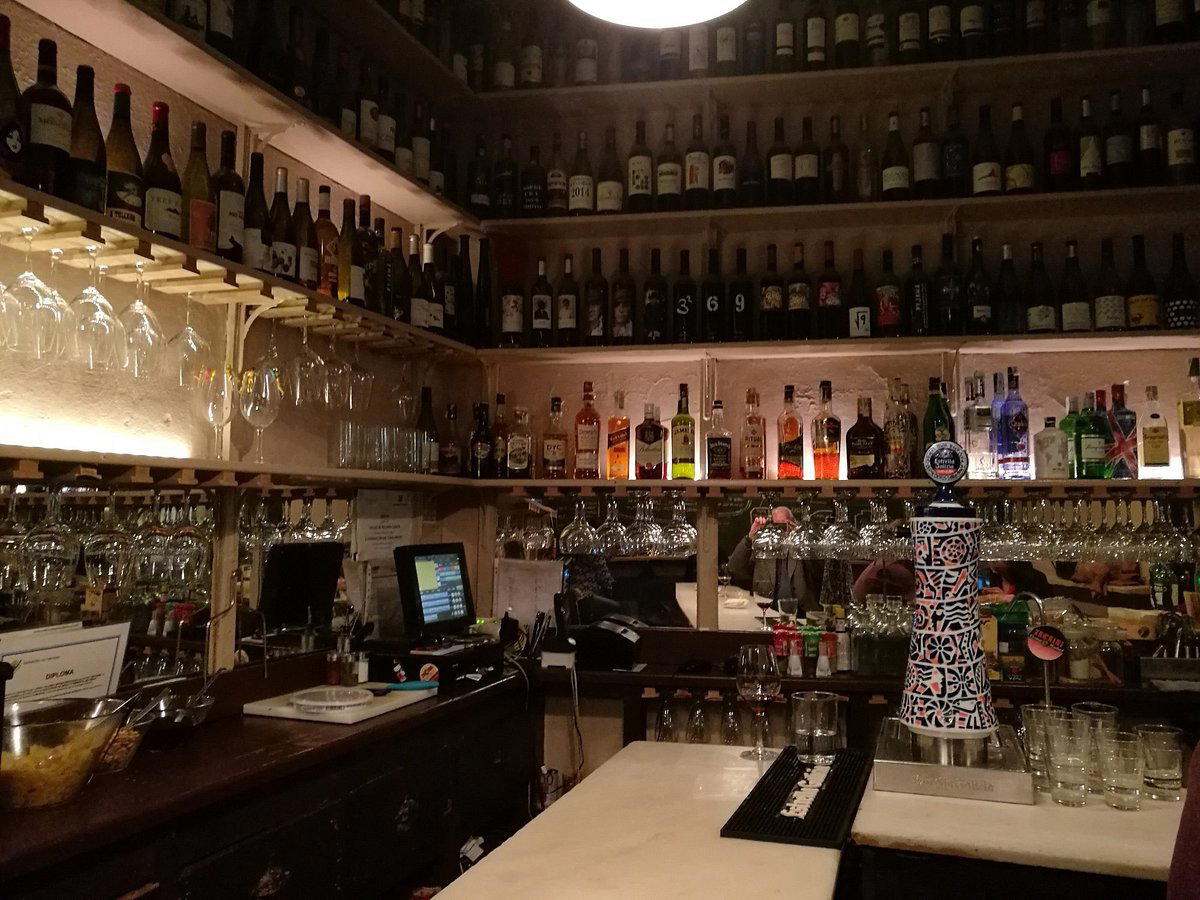
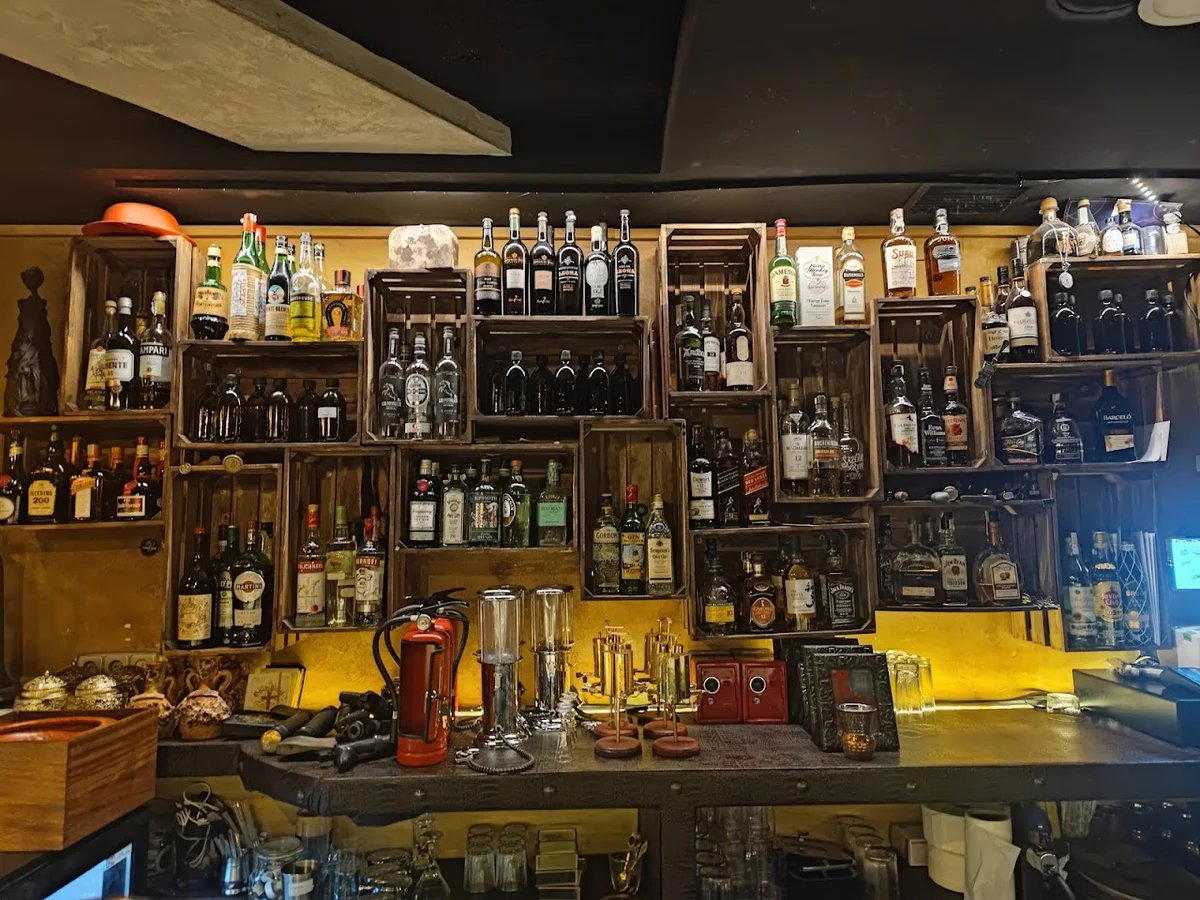
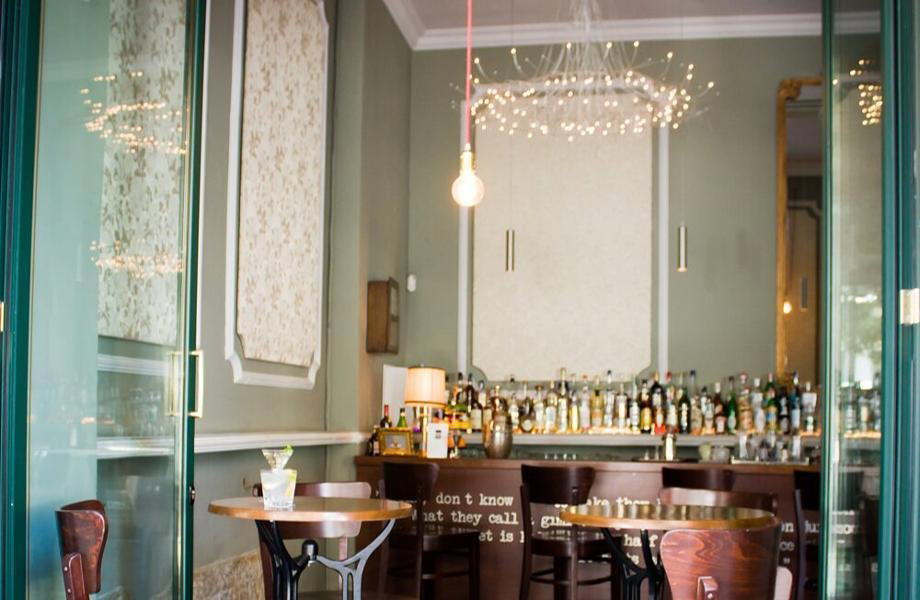
Youthful and vibrant atmosphere suitable for social gatherings.