
Tabelog 100 #88
Our verdict
Satonaka gives Kobe’s curry scene a compact counterpoint to the city’s better-known beef and patisserie circuits. The seven-seat, counter-only shop in Hachimandori is recognized in Tabelog 100 - Curry - WEST - 2024, with a low-price curry format that rewards planning around a small room rather than a long meal.

Pearl is the En Primeur Club membership app, where members save venues, book tables and use the concierge.
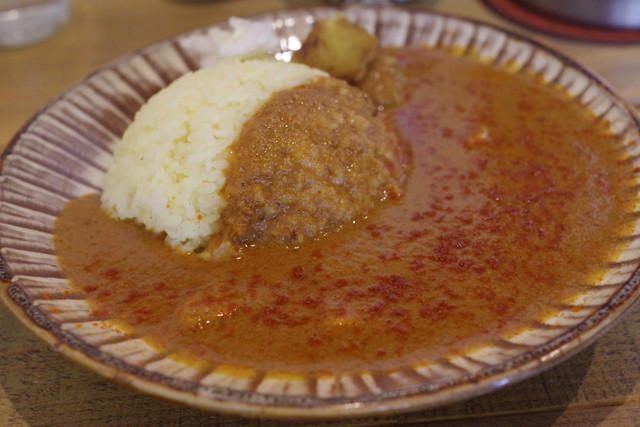
Kobe gives Satonaka a practical setting, where office blocks, small lunch counters, and station-footfall restaurants make the city feel less like a postcard port city and more like a working Kansai dining town. In that setting, curry has a different role from the city’s steakhouse mythology. It is fast, affordable, tightly formatted, and often judged by repeat custom rather than ceremony.
Satonaka belongs to that everyday side of Kobe eating: a curry-focused restaurant rather than a destination built around ceremony. The format matters. Japanese curry culture has long split between home-style comfort, chain-restaurant convenience, and specialist shops that treat roux, spice balance, and rice as a disciplined craft. Kobe’s version is shaped by commuter rhythm and a dense network of small independent restaurants, where modest places can carry real authority if the cooking has local trust.
Kobe curry in a city better known for beef
Kobe is still framed internationally through wagyu, but the city’s everyday dining identity is broader and more practical: bakeries with European influence, kissaten coffee rooms, standing bars, udon counters, Chinese restaurants, and curry shops built for efficient meals. That mix comes from a port-city history of imported tastes being absorbed into Japanese formats rather than preserved as museum pieces.
Against that backdrop, curry carries cultural weight without demanding formality. It is one of Japan’s great adapted foods: introduced through Western influence, normalized through homes and schools, then sharpened by specialist restaurants that compete on texture, heat, sweetness, spice aroma, and the rice-to-sauce relationship. The category rewards precision, but it does not require luxury signaling. That is why a low-cost curry meal can sit in the same serious dining conversation as higher-spend Kobe dining.
The Tabelog 100 - Curry - WEST - 2024 selection places Satonaka inside a regional curry conversation rather than merely a local one. The recognition is useful because curry shops are often judged locally and informally; a West Japan category signal gives travelers a way to distinguish specialist depth from generic convenience. Its listed score of 3.67 also gives the entry a clearer benchmark for visitors comparing Kobe options.
That does not make the meal formal. The curry-focused scale points toward a quick, purposeful format, closer to Japan’s strongest casual specialist dining than to a multi-course restaurant. For visitors building a Kobe itinerary, that distinction is the point: the city’s serious food culture is not confined to expensive beef. A low-cost curry stop can reveal how local diners actually eat between the landmark meals.
A compact curry shop changes the decision
Scale is part of the decision here. A focused curry specialist creates a different kind of demand from a large restaurant: the issue is not grand exclusivity but timing and purpose. A casual curry meal has limited tolerance for lingering, large groups, or itinerary drift. The better move is to treat the meal as a precise stop in the day, not as a flexible fallback after sightseeing.
The Kobe location also affects how the meal fits into the city. This is not only the postcard version of Kobe, nor simply a polished luxury-dining circuit. It is part of the practical city of transit, offices, and small restaurants. Travelers comparing Kobe’s dining range can put Satonaka beside other Kobe dining rooms, then see how sharply the city’s everyday specialists differ from its destination venues.
The useful comparison is not only luxury dining. Kobe’s casual food map includes coffee culture, izakaya-style local dining, bakeries, noodles, and international neighbourhood cooking. Read together, these categories show a city whose appeal lies in small-format specialization as much as headline prestige.
Among permitted comparison venues, the price tier sits closer to Comme Chinois and Tommy's Sannomiya higashi ten than to Propeller, while Sanuki Menbo Suzume occupies a neighboring casual-noodle lane. Those comparisons help frame the decision: this is not where to stage a long celebratory dinner. It is where to understand why Kansai’s everyday dining can be as competitive as its prestige rooms.
How to place it in a Kobe itinerary
Satonaka works better as a meal with a clear purpose than as an add-on. Pair it with a Kobe day, a museum or waterfront plan, or a transit-heavy schedule when a curry meal makes more sense than crossing town for a longer sitting. The focused setup favors diners who can keep the visit simple; larger groups should choose with care.
Payment and access habits also belong to the experience of small Japanese specialist shops. Cashless assumptions do not always hold across this tier, and a focused room leaves little margin for improvisation. The editorial call is simple: go for curry specificity, not for hospitality theatre. The reward is a sharper view of Kobe’s daily food culture, where recognition, low prices, and a focused format can coexist without contradiction.
For broader planning, see Our full Kobe restaurants guide, then build around the city’s parallel scenes with Our full Kobe hotels guide, Our full Kobe bars guide, Our full Kobe wineries guide, and Our full Kobe experiences guide. Travelers tracing Japanese casual dining beyond Hyogo can compare Satonaka with other casual specialist dining in Japan and abroad, while keeping Kobe itself as the main frame for this curry stop.
Frequently asked questions
Is Satonaka expensive?
Pricing at Satonaka is listed as - JPY 999 - JPY 999.
What part of town is Satonaka in?
Kobe.
Do they take walk-ins at Satonaka?
Satonaka is best approached as a curry-focused specialist, so plan the visit with some flexibility and avoid treating it as a long, lingering meal.
What's the signature at Satonaka?
Satonaka’s defining focus is curry, backed by its selection for Tabelog Curry WEST "Tabelog 100" in 2024. The format keeps the experience tightly focused on the curry itself.
Price and Positioning
Side-by-side context: comparable cuisine and price.
| Venue | Cuisine | Price | Awards | Notes |
|---|---|---|---|---|
| SatonakaThis venue (the venue you are viewing) | Spice curry counter | $1–10 | Tabelog 100 #88 | Not listed |
| Ca marche | Bakery Café | $1–10 | Tabelog 100 #19 | Chūō, Bakery Café |
| Suzuki Shoten | Gelato & Ice Cream | $1–10 | Tabelog 100 #92 | Higashinada, Gelato & Ice Cream |
| arima gelateria Stagione | Kita, Handmade Gelato & Café | $1–10 | Tabelog 100 #10 | Not listed |
| Evian Coffee | Not listed | $1–10 | Tabelog 100 | Chūō, Traditional Japanese coffee shop (kissaten) with cakes & light meals |
| Place de Pasto | French-inspired bakery & deli | Not listed | Tabelog 100 #63 | Chūō, French-inspired bakery & deli |
Recognition history
Dated appearances from independent guides and award organizations, with the underlying list record or original source where available.
Tabelog 100 #88 · No. 88
Tabelog · Tabelog 100 - Curry - WEST - 2024
Continue exploring
More in Kobe
Restaurants in Kobe
All restaurants in Kobe →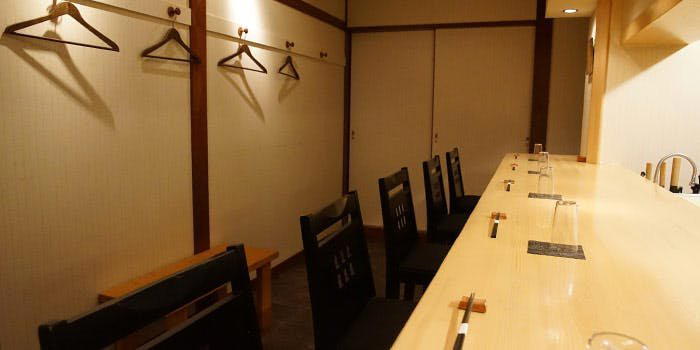


Bars in Kobe
Browse all →




Details
- Cozy
- Intimate
- Solo
- Casual Hangout
- After Work
- Standalone
- A La Carte
- Counter Dining
small, non-smoking counter with just seven seats, a simple and unpretentious interior and a relaxed, low-key atmosphere suited to solo diners or friends grabbing a quick curry.