
Sassafraz occupies a landmark address on Cumberland Street in Yorkville, Toronto's most established fine-dining neighbourhood. The room has drawn a loyal local following across decades, positioning it inside a comparable set that prizes consistency and neighbourhood presence over flash-in-the-pan tasting menus. For visitors reading the Toronto dining map, it represents a particular strand of Canadian restaurant culture worth understanding.
Pearl is the En Primeur Club membership app — saves, bookings, and concierge access live there. Same editors, same standards.
- Address
- 100 Cumberland St, Toronto, ON M5R 1A6, Canada
- Phone
- +1 416 964 2222
- Website
- sassafraz.ca
- Directions
- Get directions
 Saves & bookings on Pearl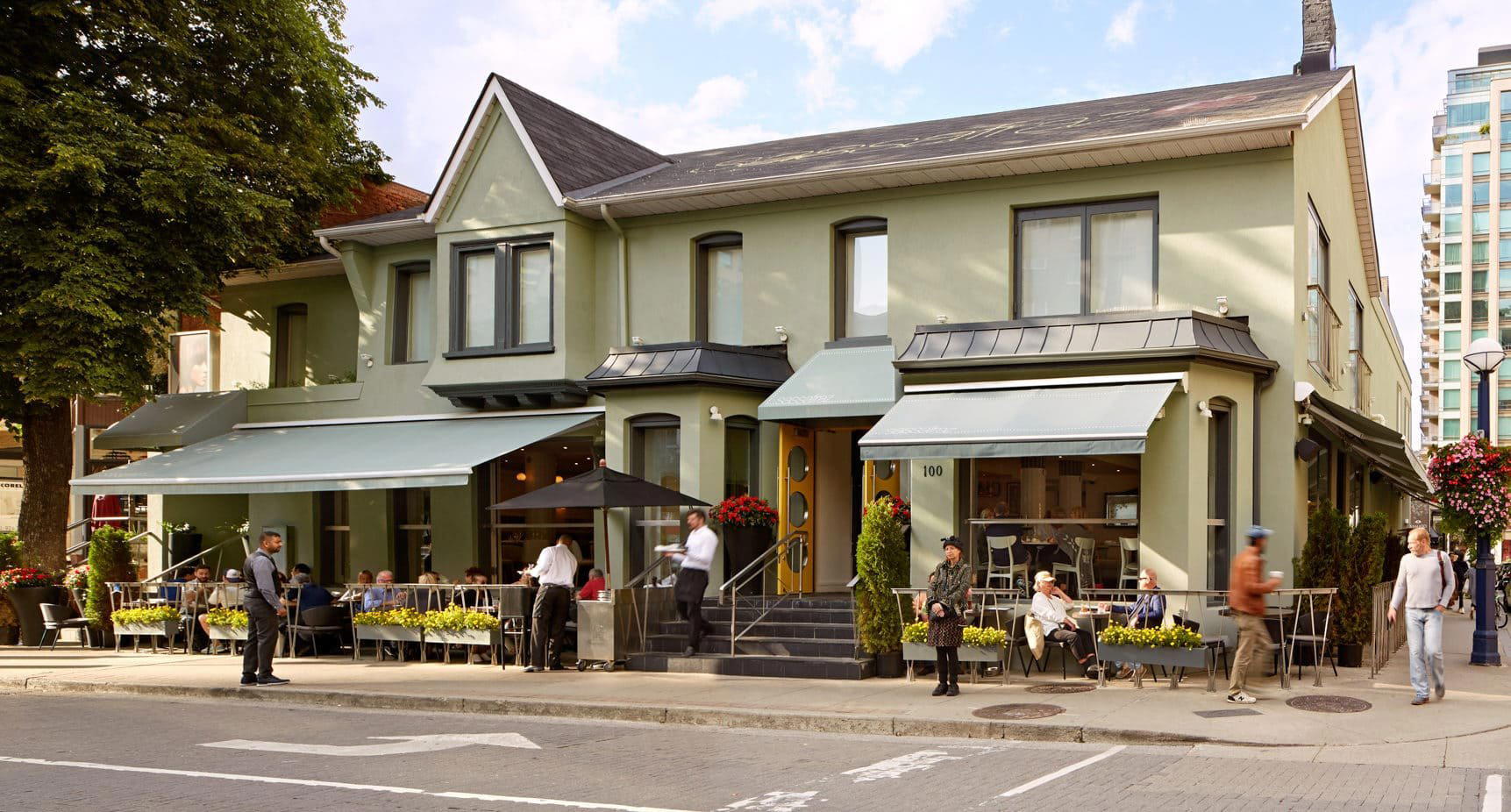
Yorkville's Long Game: What Sassafraz Says About Toronto's Upper-Middle Dining Tier
Cumberland Street in Yorkville has a particular quality in the early evening: the boutique windows dim, the gallery foot traffic thins, and the restaurants start to assert themselves. This stretch of Toronto has hosted serious dining for longer than most of the city's current critical favourites have existed. The address at 100 Cumberland, home to Sassafraz, sits inside that longer arc, a neighbourhood where staying power carries its own meaning.
Toronto's premium dining map has bifurcated sharply over the past decade. At one pole sit the tasting-menu rooms that compete on global terms: Alo (Contemporary) sets the pace at that level, drawing the kind of sustained critical attention that places it in conversation with rooms in New York and San Francisco. At the other pole, and this is the tier that often goes underexamined, sit the mid-to-upper restaurants that function as neighbourhood anchors rather than destination objects. Sassafraz belongs to the second category, and that positioning tells you something useful about how Yorkville actually operates as a dining district.
The Intersection of Imported Technique and Canadian Produce
The editorial angle that keeps Canadian dining interesting is the tension between globally trained technique and genuinely distinctive local ingredients. This is not a new observation: Tanière³ in Quebec City has built an entire reputation on Nordic-influenced method applied to St. Lawrence basin products. Restaurant Pearl Morissette in Lincoln does something similar with Niagara terroir. Even outside the tasting-menu format, the question of how Canadian kitchens reconcile classical European or Asian training with the specific produce of their region is one of the defining pressures in the country's cooking.
Yorkville's restaurants sit inside that tension whether they articulate it consciously or not. Ontario's agricultural belt, the Niagara Peninsula, Prince Edward County, the farms of Grey and Bruce County, produces ingredients that reward technique. Mushrooms, stone fruit, heritage grains, cold-water fish from Georgian Bay and Lake Huron: these are not generic commodity products. The question for any serious room operating in this neighbourhood is what it chooses to do with that proximity. Rooms that treat Canadian produce as a marketing point without adjusting technique accordingly tend to plateau; those that genuinely integrate sourcing with method build the kind of consistency that sustains a Yorkville address over time.
That regional sourcing conversation extends well beyond Toronto. Eigensinn Farm in Singhampton represents the extreme of farm-integrated dining in Ontario, a property where the supply chain is the philosophy. Fogo Island Inn Dining Room in Joe Batt's Arm does the same for Newfoundland's coastal products. Both sit at a different price point and format than a Yorkville neighbourhood room, but they anchor the broader Canadian argument: that the country's ingredients, taken seriously, can support cooking of real depth.
Reading the Room: Yorkville as a Dining District
Understanding Sassafraz requires understanding what Yorkville demands of its restaurants. The neighbourhood is not a destination for experimentalists. It draws a clientele that values reliability over novelty, business dinners, anniversary bookings, visitors staying in the area's hotels who want somewhere that won't require a forty-five-minute cab ride to a warehouse district. This is not a criticism. Most serious dining cities need neighbourhoods that perform this function, and Yorkville has done it consistently.
The competitive set is worth mapping. Don Alfonso 1890 (Contemporary Italian) operates at the formal end of the Yorkville tier, with a lineage that connects it explicitly to a celebrated Italian original. DaNico (Italian) occupies a different register, more casual, more neighbourhood-facing. The Japanese rooms, Sushi Masaki Saito (Sushi, Japanese) and Aburi Hana (Kaiseki, Japanese), operate at stronger examples from the city's price tier, competing on a different set of terms entirely. Sassafraz sits among this company not as a direct competitor to any of them but as a representative of the longer-standing, more generalist tradition that predates many of them.
The comparison extends nationally. AnnaLena in Vancouver and Jérôme Ferrer - Europea in Montréal each represent their cities' version of the accomplished neighbourhood room with serious credentials, rooms that don't chase trends but maintain a consistent standard that their cities rely on. Cafe Brio in Victoria does similar work on a smaller scale. This is a recognizable type across Canadian cities, and Sassafraz fits that pattern in Toronto's most established dining district.
Beyond Canada, the template has international parallels. Le Bernardin in New York City anchors a neighbourhood expectation while competing high on its category, a different tier, but the same logic of place-specific reliability. Lazy Bear in San Francisco takes a different approach, using a communal format to create neighbourhood belonging at a high price point. Both illustrate that longevity in a prime address requires a clear identity, not just competent cooking.
Outside Toronto: The Ontario Dining Circuit
Visitors who treat Toronto as a staging point for broader Ontario travel will find a dining circuit that rewards the detour. The Pine in Creemore has built a following for cooking that draws directly on the Grey County agricultural belt. Narval in Rimouski represents the Québec coastal tradition, a different product environment from Ontario's inland farms. Busters Barbeque in Kenora anchors the northwestern Ontario circuit, a region whose cooking traditions rarely surface in Toronto dining conversation. Each of these represents a distinct strand of Canadian cooking that the Yorkville room, at its leading, should be in dialogue with, even if that dialogue happens at the level of sourcing rather than explicit menu reference.
How It Stacks Up
Comparable venues nearby, for context on price, style, and recognition.
| Venue | Cuisine | Price | Notes |
|---|---|---|---|
| SassafrazThis venue — the venue you are viewing | Contemporary Canadian | $$$ | Not listed |
| L'Avenue | Quebec-Inspired Brunch | $$$ | Fashion District |
| Steam Whistle Kitchen | Contemporary Canadian Gastropub | $$ | Entertainment District |
| Reign | Canadian Brasserie | $$$ | Entertainment District |
| Ramona's Kitchen | Comfort Canadian Brunch | $$ | Leaside |
| AGO Bistro | Contemporary Bistro | $$$ | Kensington-Chinatown |
Recognition history
Dated appearances from independent guides and award organizations, with the underlying list record or original source where available.
Wine Spectator Award of Excellence
Wine Spectator
Continue exploring
More in Toronto
Restaurants in Toronto
Browse all →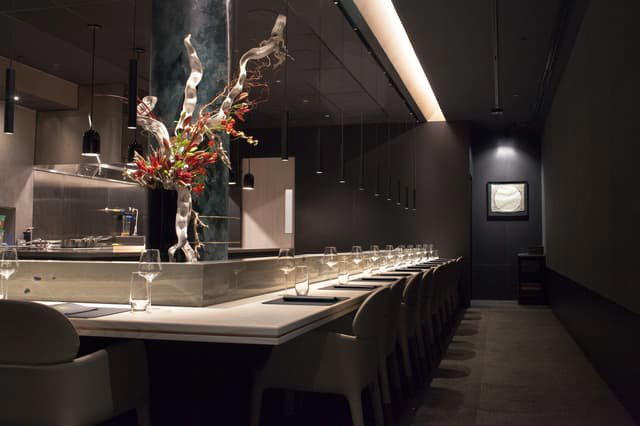
Bars in Toronto
Browse all →
Hotels in Toronto
Browse all →

At a Glance
- Romantic
- Elegant
- Cozy
- Sophisticated
- Well Known
- Date Night
- Special Occasion
- Brunch
- Historic Building
- Extensive Wine List
- Local Sourcing
- Farm To Table
Current opening hours
- Monday
- 11:30 AM–10 PM
- Tuesday
- 11:30 AM–10 PM
- Wednesday
- 11:30 AM–10 PM
- Thursday
- 11:30 AM–11 PM
- Friday
- 11:30 AM–11 PM
- Saturday
- 11 AM–11 PM
- Sunday
- 11 AM–10 PM
Hours can change for holidays and private events. Last verified .
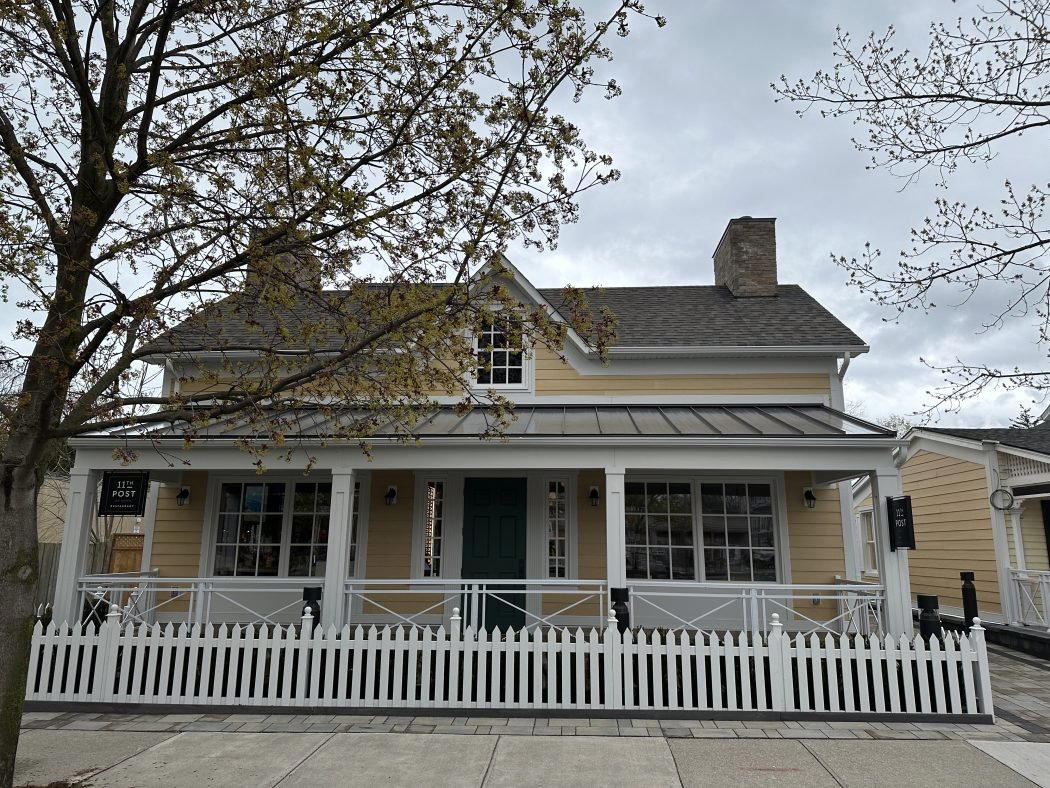
Romantic interior in a charming little yellow house with bright modern decor, warm hospitality, and elegant comfortable atmosphere.