Attached to the Art Gallery of Ontario on Dundas Street West, AGO Bistro occupies a position that few Toronto dining rooms share: a serious kitchen embedded within a major cultural institution. The restaurant sits in a neighbourhood that has shifted considerably over the past decade, and the dining room has evolved alongside it, making it a reference point for museum dining done with genuine culinary intent.
Pearl is the En Primeur Club membership app — saves, bookings, and concierge access live there. Same editors, same standards.
- Address
- 317 Dundas St W, Toronto, ON M5T 1G4, Canada
- Phone
- +14169796688
- Website
- ago.ca
- Directions
- Get directions
 Saves & bookings on Pearl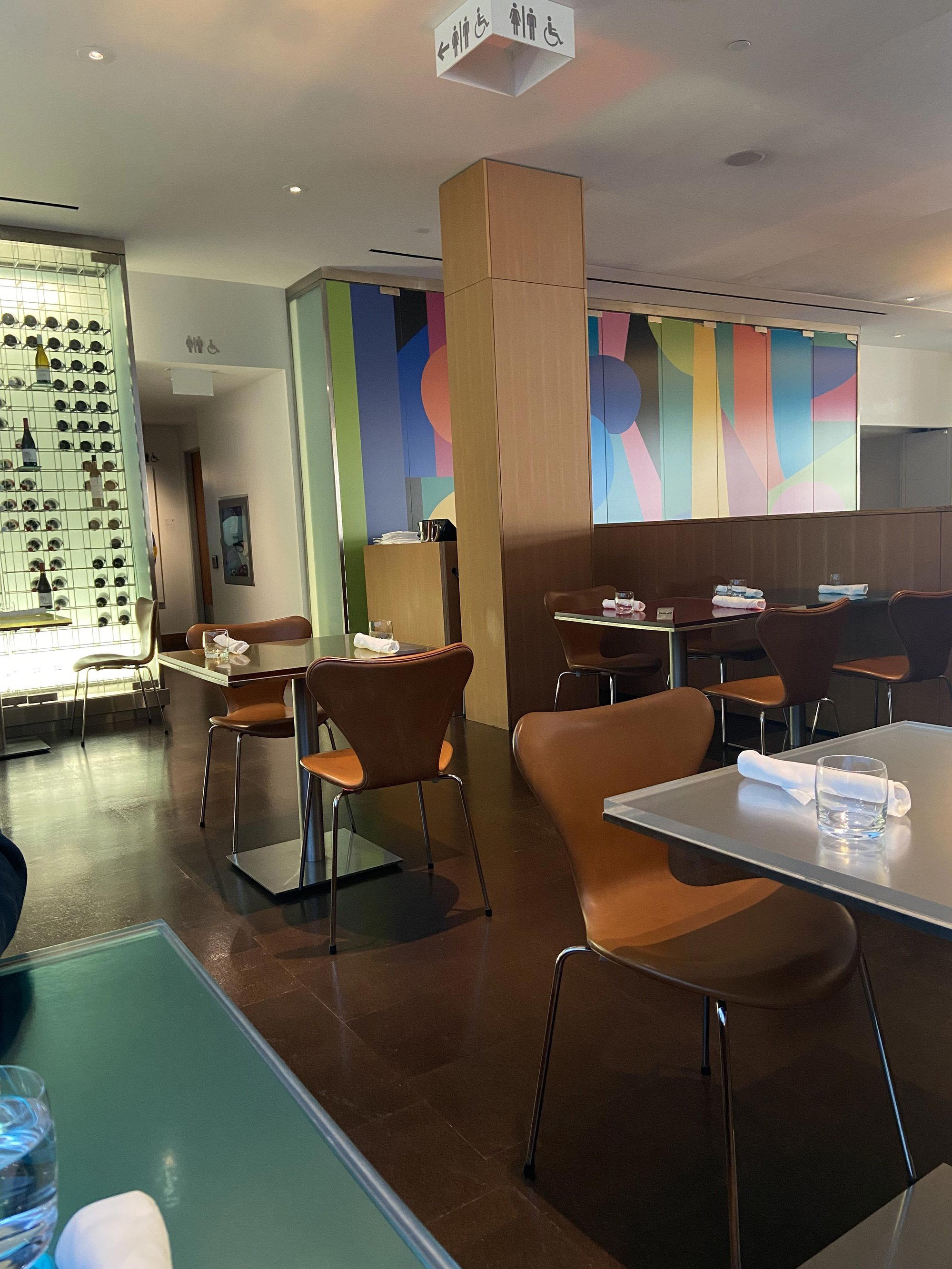
Where Dundas West Meets the Gallery Floor
Museum restaurants occupy a peculiar position in most cities. They serve two masters: the institution that houses them and the dining public that judges them on the same terms as any other serious kitchen. In Toronto, that tension plays out most visibly at AGO Bistro, which operates inside the Art Gallery of Ontario at 317 Dundas Street West. The AGO itself was substantially redesigned by Frank Gehry in 2008, and the reconfigured building created a different kind of hospitality context for the restaurant, one with higher foot traffic, a more architecturally considered interior, and a visitor profile that extends well beyond the typical gallery-goer.
The surrounding neighbourhood has changed considerably since then. Dundas West between University and Spadina was, for much of the 2000s, a transitional corridor. It is now one of the more culturally layered stretches in the downtown core, anchored by the AGO, Kensington Market to the west, and a steady accumulation of independent restaurants and bars that have raised the area's culinary baseline. AGO Bistro's evolution has run in parallel with that shift, making it harder to dismiss as simply a convenience stop for gallery visitors.
The Institutional Dining Problem, and How It Changes
Across North America, the museum restaurant model has gone through a visible reinvention over the past fifteen years. Institutions that once treated their dining rooms as afterthoughts have, in many cases, brought in serious culinary talent and positioned those rooms to compete with the broader restaurant market. The drivers are partly financial, food and beverage revenue matters more to institutional budgets than it once did, and partly reputational. A gallery with a genuinely good restaurant attracts a different kind of visitor engagement than one that offers a cafeteria.
AGO Bistro sits within that broader shift. The format here is a bistro rather than a tasting-menu room, which places it in a different competitive tier than a destination like Alo or the omakase counters at Sushi Masaki Saito and Aburi Hana. A bistro format implies accessible pricing, a shorter commitment of time, and a menu structure that works for both a quick lunch and a more considered dinner. That positioning is a deliberate choice rather than a limitation, and it is what distinguishes the restaurant model from the gallery restaurants that have tried to operate at fine-dining price points and struggled to fill covers outside of opening nights and special events.
The more relevant comparison for the restaurant is the category of neighbourhood bistros on Dundas and the surrounding streets, alongside other mid-register rooms in the downtown core. Against that comparable set, the institutional setting is an advantage as much as a constraint: the room is larger, the architecture more considered, and the visitor volume more consistent than most independent operators can sustain.
Evolution of the Room and Its Reach
What defines the restaurant's current direction is the degree to which it has moved away from the generic gallery-dining template. Museum restaurants of an earlier era tended to default to safe, broad menus calibrated for the widest possible visitor demographic. The more recent trajectory at the restaurant has been toward a more defined culinary identity, with the kitchen engaging more seriously with Canadian ingredients and seasonal sourcing patterns that now inform dining rooms across the city.
That trajectory puts the restaurant in conversation with a wider set of Canadian restaurants that have made locality and seasonality structural rather than decorative. Comparable commitments show up at Tanière³ in Quebec City, at Restaurant Pearl Morissette in Lincoln, and at the longer-established Eigensinn Farm in Singhampton. Those are higher-commitment, destination-format rooms, but the underlying sourcing philosophy is the same conversation.
Within Toronto, the mid-register Italian rooms offer a useful contrast. DaNico and Don Alfonso 1890 operate at a similar engagement level in terms of culinary seriousness, but inside a cuisine-specific framework that restaurant does not share. The bistro format at the AGO is deliberately broader, which gives the kitchen more flexibility but also requires more discipline to maintain a coherent identity across a wider menu.
Planning Your Visit
| Venue | Format | Price Tier | Booking Lead Time |
|---|---|---|---|
| The restaurant | Bistro (gallery-adjacent) | Mid-range | Short to moderate |
| Alo | Tasting menu | $$$$ | Several weeks minimum |
| Sushi Masaki Saito | Omakase counter | $$$$ | Extended, often months |
| DaNico | Contemporary Italian | $$$ | Days to weeks |
| Fogo Island Inn Dining Room | Inn dining room | $$$$ | Requires hotel booking |
AnnaLena in Vancouver, Jérôme Ferrer - Europea in Montreal, and Cafe Brio in Victoria offer useful reference points. For international museum-adjacent or culturally embedded dining, Le Bernardin in New York City and Lazy Bear in San Francisco represent the higher end of what serious culinary intent inside a distinct institutional context can achieve.
A Tight Comparison
Comparable venues nearby, for context on price, style, and recognition.
| Venue | Cuisine | Price | Notes |
|---|---|---|---|
| AGO BistroThis venue — the venue you are viewing | Not listed | $$$ | Not listed |
| Makilala | Garden District, Filipino | $$ | Not listed |
| Good Company | Not listed | $$ | Kensington-Chinatown, Café and Cocktail Bar |
| Poutini’s House of Poutine | West Queen West, Poutine House | $$ | Not listed |
| Casa Manila York Mills | Don Mills, Authentic Filipino | $$ | Not listed |
| Mercatto | Not listed | $$$ | Bay Street Corridor, Casual Elegant Italian |
Continue exploring
More in Toronto
Restaurants in Toronto
Browse all →
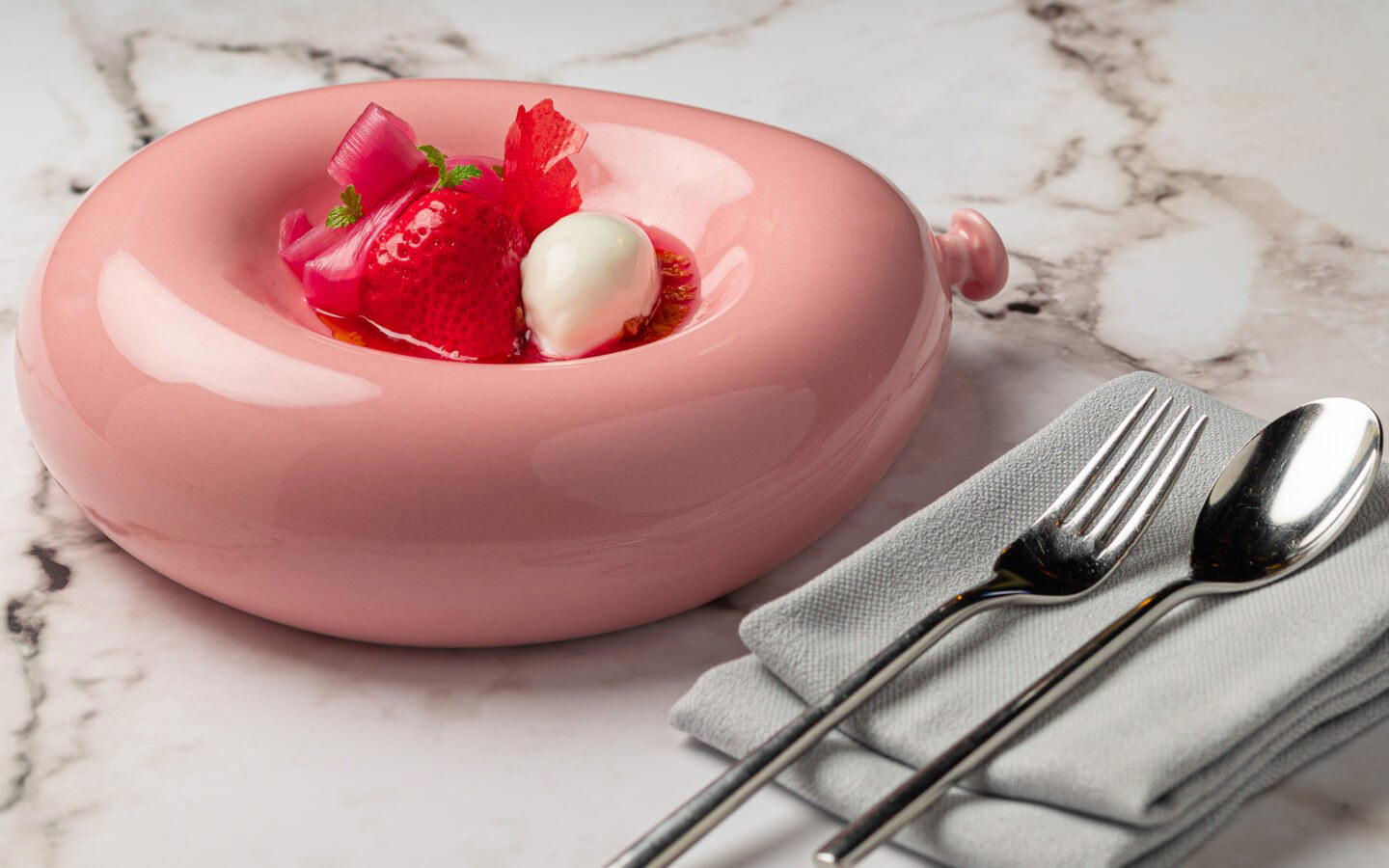
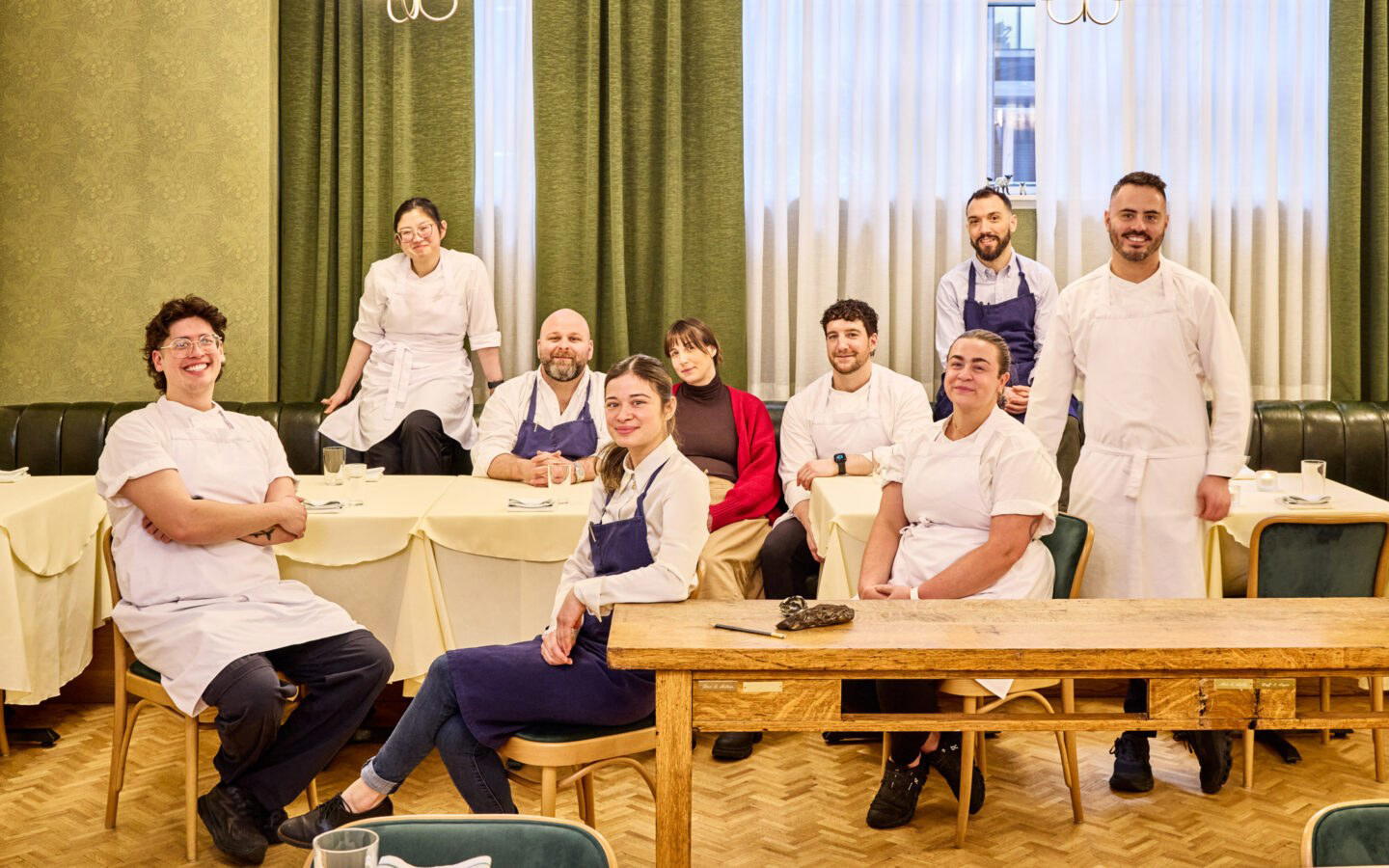
Bars in Toronto
Browse all →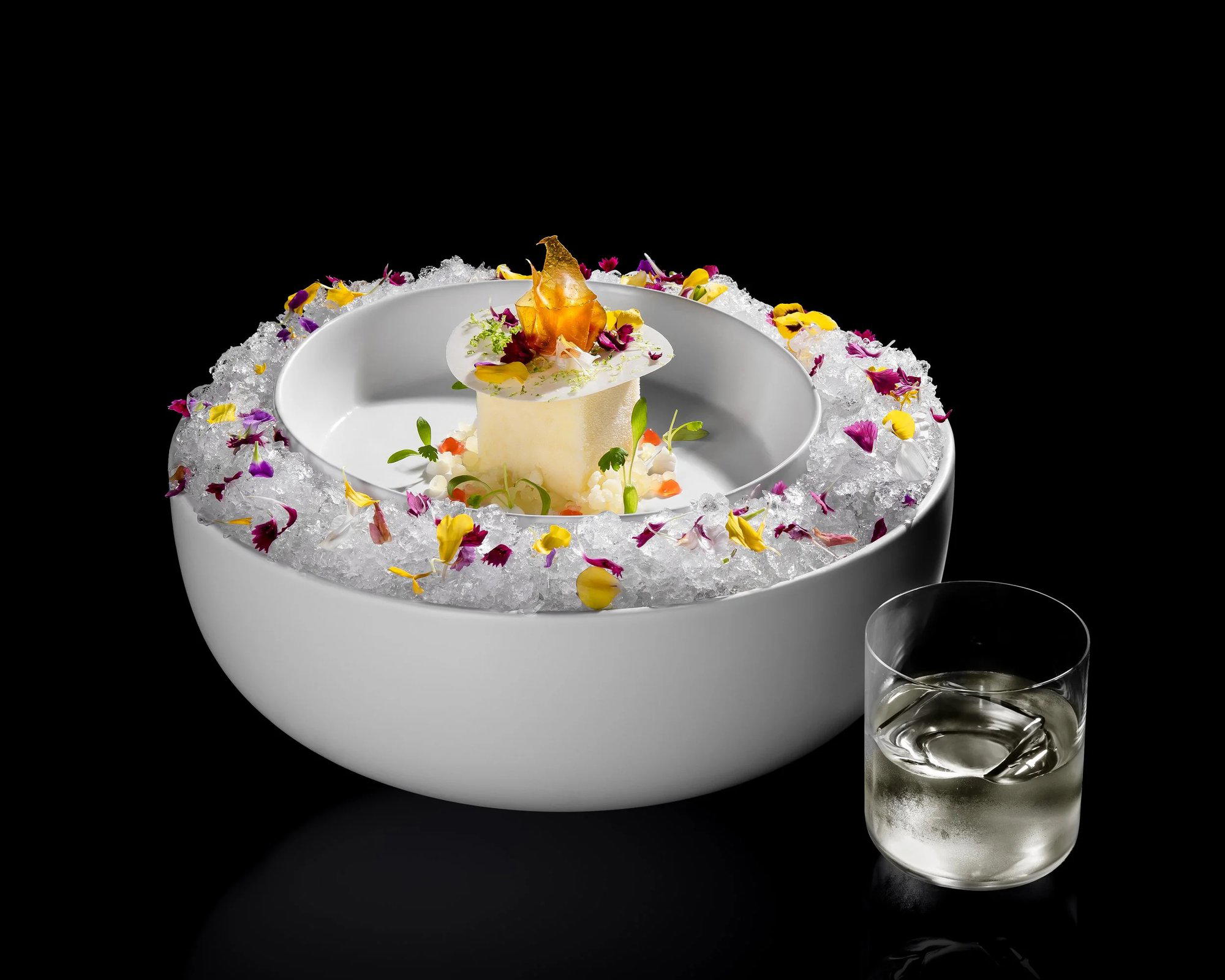
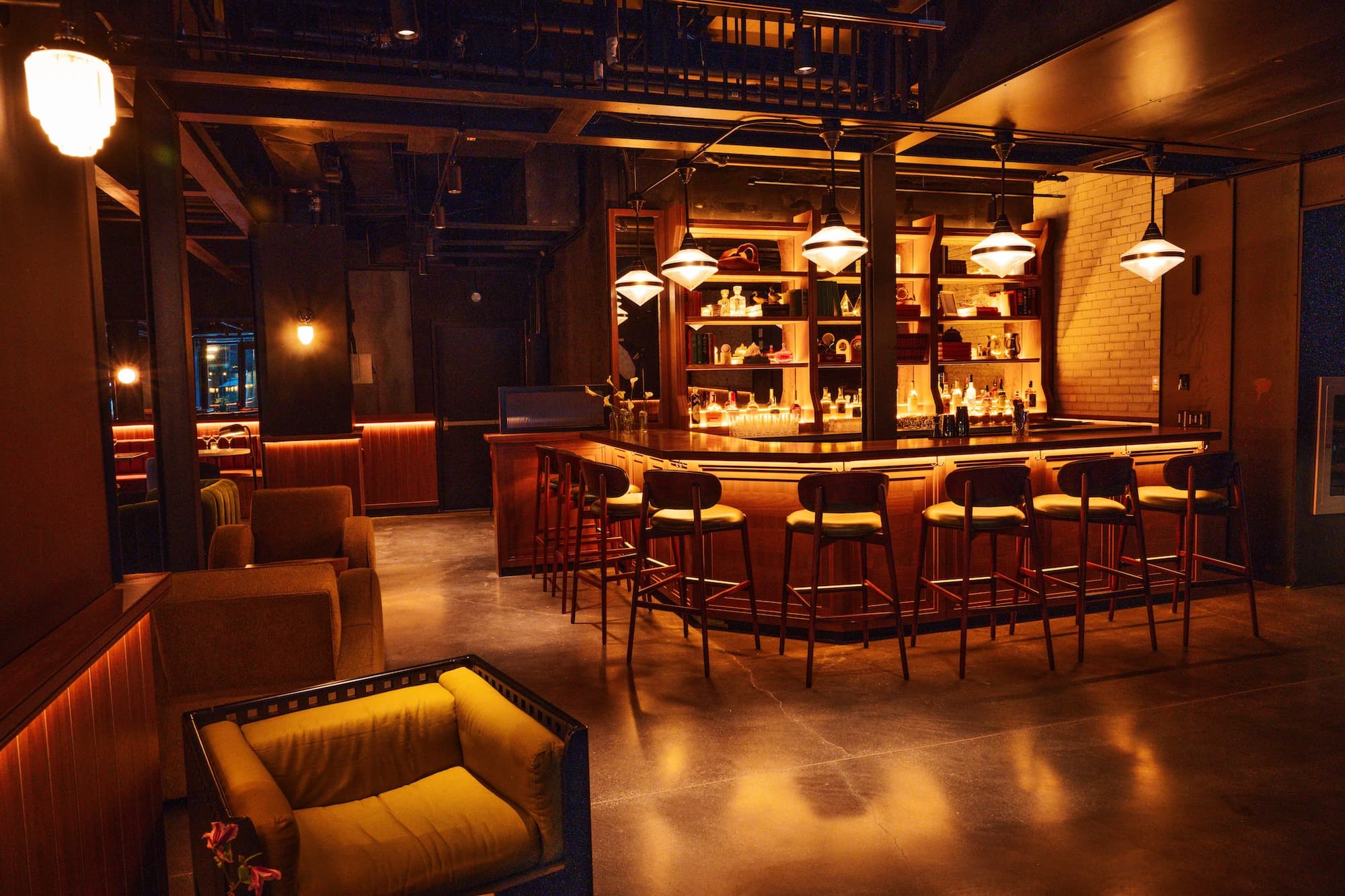
Hotels in Toronto
Browse all →

At a Glance
- Modern
- Elegant
- Cozy
- Sophisticated
- Brunch
- Date Night
- Open Kitchen
- Design Destination
- Hotel Restaurant
- Extensive Wine List
- Local Sourcing
- Street Scene
Current opening hours
- Monday
- Closed
- Tuesday
- 11:30 AM–2 PM
- Wednesday
- 11:30 AM–2 PM, 5–7:30 PM
- Thursday
- 11:30 AM–2 PM
- Friday
- 11:30 AM–2 PM, 5–7:30 PM
- Saturday
- 11:30 AM–2 PM
- Sunday
- 11:30 AM–2 PM
Hours can change for holidays and private events. Last verified .
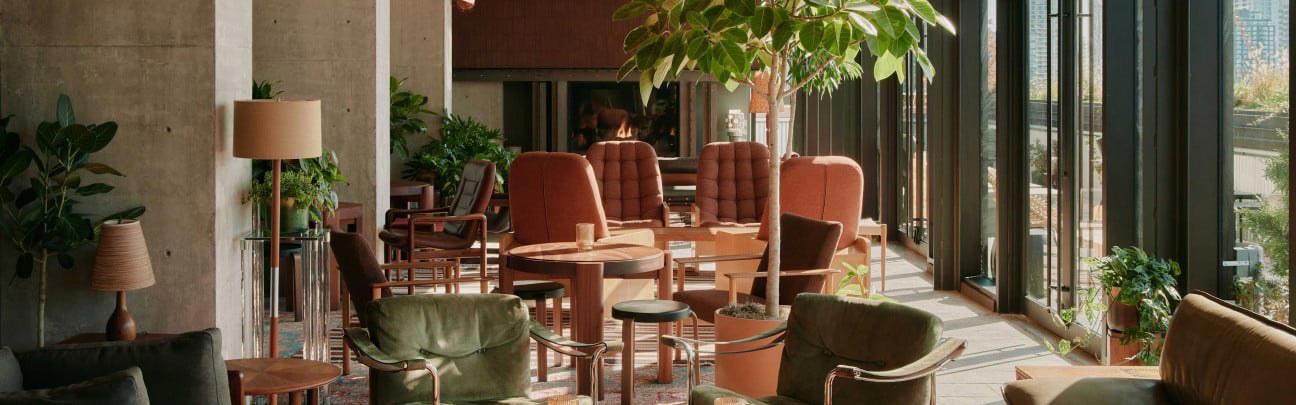
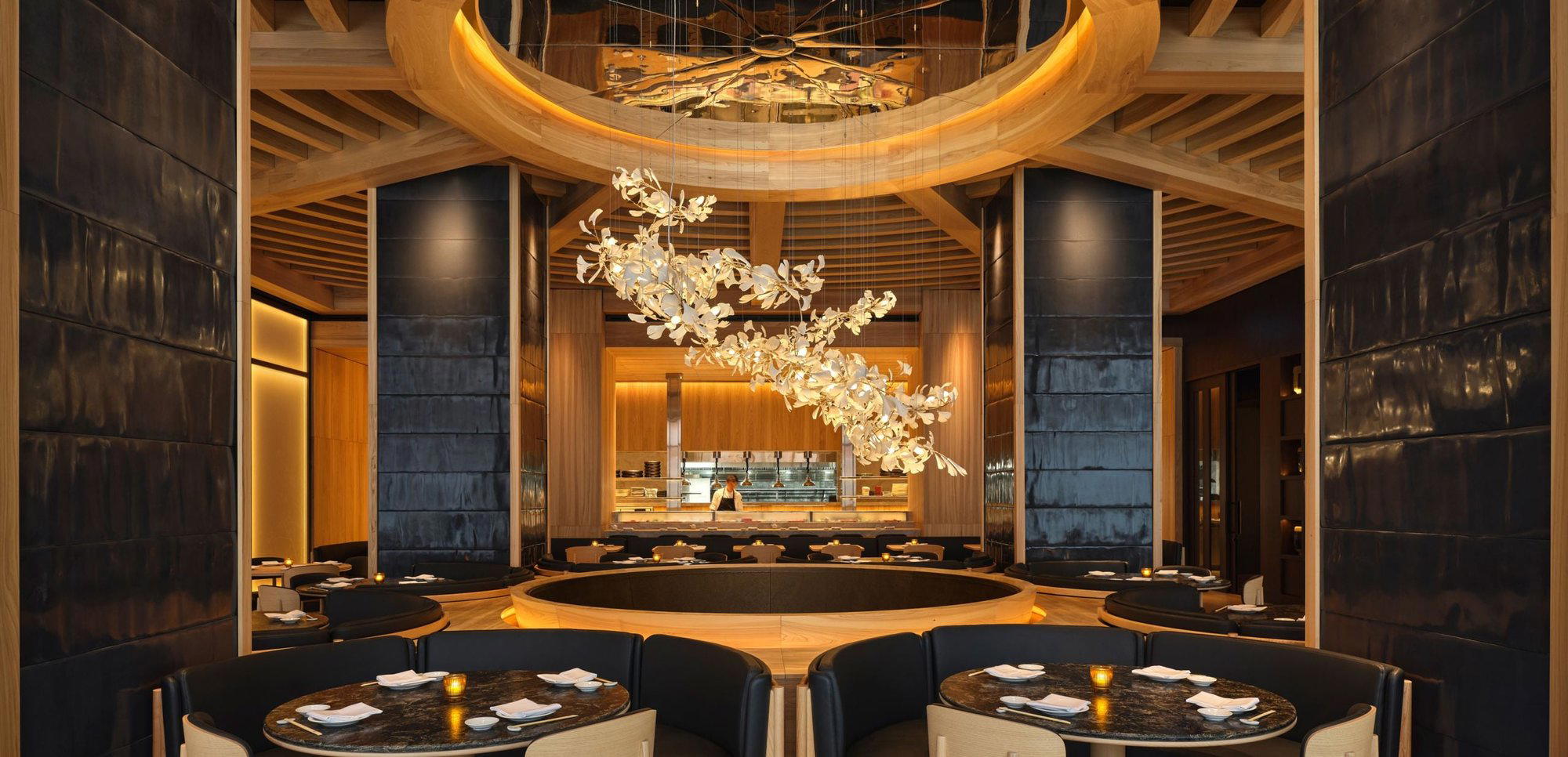
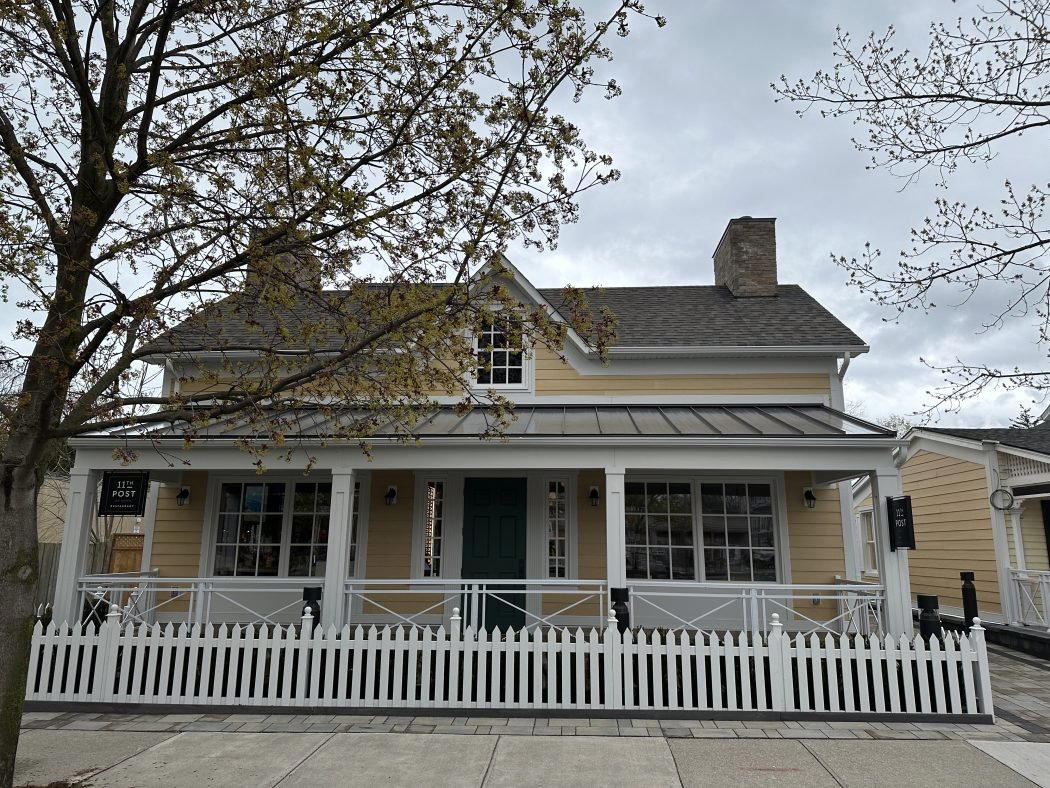
Design-rich dining room with modern, cozy atmosphere, large windows, and a festive, fun vibe enhanced by its gallery setting.