
Tabelog 100 #31
Our verdict
Sasha Kanetanaka sits in Omotesando’s polished café-and-wagashi lane, where Japanese sweets, light meals, and composed service belong to the same social ritual. Its Tabelog 100 Cafe EAST 2025 selection and 2022 Cafe recognition place it among a competitive Tokyo category where room, pacing, drinks, and sweets matter as much as cooking.

Pearl is the En Primeur Club membership app, where members save venues, book tables and use the concierge.
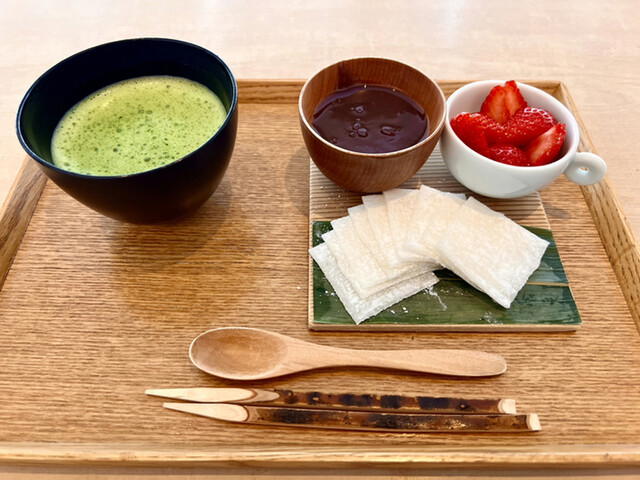
The menu
What to order
- Kaiseki lunch course
- Kaiseki dinner course
- Seasonal wagashi sweets
- Japanese tea pairings
Tokyo’s café culture is not only about espresso, pastry, and queue management. The stronger rooms understand another Tokyo habit: a daytime table can carry the weight of a restaurant meal, a tea salon, and a discreet meeting room without changing costume. Sasha Kanetanaka belongs to that lane, with the tone set by Japanese cuisine, Japanese-sweets-focused café service, and a format that sits across café and dining expectations.
The useful way to read the place is as part of Tokyo’s hybrid café tradition, not as a casual fallback after shopping. The city has a deep split between coffee-first cafés, dessert specialists, kissaten holdovers, and restaurant-adjacent salons. This venue sits closer to the latter: a room where sweets are not treated as decoration, Japanese cooking sits beside the café category, and front-of-house rhythm matters because the occasion is often social rather than transactional. Tabelog’s Hyakumeiten recognition in 2025 gives that positioning a measurable signal in a field crowded with visually driven rooms.
Tokyo's café table, handled with restaurant discipline
The better cafés in Tokyo do not need theatrical service to feel serious. They rely on sequencing: tea, sweets, light food, and service arriving with enough order that a table can hold conversation without becoming slack. Here, the appeal is less about a named chef’s personality than about how kitchen, sweets counter, and floor staff keep the format coherent. That team dynamic is the point. Japanese sweets need precision, Japanese cuisine needs pacing, and a café room in Tokyo has to manage guests who may arrive for a pause, a meal, or a private conversation.
That balance separates the venue from other Tokyo restaurant formats. 日本料理 太月 and Tagetsu sit in a more formal Japanese dining frame; AO works from an innovative restaurant register; tonkatsu.jp Omotesando answers a narrower craving at a comparable casual spend; Napule belongs to a different dining grammar. Sasha Kanetanaka occupies the softer middle, where café hours and restaurant expectations overlap. For travelers mapping the wider city, that distinction matters more than chasing another counter seat.
The category listing also explains the appeal. “Cafe, Japanese Cuisine, Cafe featuring Japanese sweets” is not a throwaway label in Tokyo; it signals a format built for intervals between lunch and dinner as much as for conventional meal periods. In a city where dessert shops can be rigid and restaurants can be reservation-heavy, this kind of room offers another rhythm: composed enough for a planned stop, flexible enough to suit Tokyo’s all-day movement.
Recognition in a category that rewards restraint
Tabelog’s Hyakumeiten café recognition tends to reward consistency across many small decisions. Coffee alone rarely carries the category. Neither does interior polish without food credibility. A 2025 Hyakumeiten listing, with a public Tabelog score of 3.67, places this venue among cafés that have converted repeat local use into durable recognition. That is a different kind of trust signal from destination dining, but in Tokyo it is often more useful for reading daytime quality.
The price bracket also shapes expectations. This is not high-end economics translated into café form; it sits in a moderate Tokyo range, with lunch and dinner both listed at JPY 2,000 - JPY 2,999. That makes the experience less about ceremony and more about how carefully the team handles accessible luxury. The better comparison is not a tasting menu, but the city’s habit of making small rituals feel complete: tea, a quiet table, sweets taken seriously enough to justify the detour.
There is a practical cultural point here. Tokyo travelers often over-index on dinner reservations, then treat daytime eating as logistical filler. The city punishes that mistake because its cafés range from design-led novelty to serious Japanese sweets rooms. Sasha Kanetanaka is useful precisely because it gives the afternoon a more adult structure. Its recognized café category, Japanese cuisine listing, and sweets focus are not decorative facts; they define how the room can be read without collapsing into a single café mood.
How to place it in a Tokyo eating day
The strongest use case is not as a substitute for a formal Japanese dinner. It is a calibrated stop in a day built around Tokyo, when the meal needs polish but not a long tasting-menu commitment. The room’s appeal is collaborative rather than personality-driven: kitchen, sweets, and service all have to stay aligned for the format to work. When that alignment holds, a café becomes part of Tokyo’s dining vocabulary rather than a pause between “real” meals.
Readers building a broader itinerary should treat this as one tile in Tokyo’s highly segmented food map. For another casual Tokyo contrast, look to other dining rooms across the city, from design-led cafés and casual counters to specialist spots and seafood-focused casual rooms. Broader planning sits in Our full Tokyo restaurants guide, with parallel city coverage in Our full Tokyo hotels guide, Our full Tokyo bars guide, Our full Tokyo wineries guide, and Our full Tokyo experiences guide.
For Japan-wide context, compare how regional specialists handle narrow formats in other cities, from café rooms and casual specialists to Japanese drinking and snack formats. Outside Japan, the broader pattern is similar: Japanese drinking, sweets, and snack traditions change when removed from Tokyo’s dense service codes.
Frequently asked questions
Where do I go for Sasha Kanetanaka?
Sasha Kanetanaka is located in Tokyo.
Is Sasha Kanetanaka more mid-range or high-end?
Pricing at Sasha Kanetanaka is listed as JPY 2,000 - JPY 2,999 JPY 2,000 - JPY 2,999 View spending breakdown.
What days is Sasha Kanetanaka closed?
Specific closing days are not provided in the available venue details.
What is Sasha Kanetanaka known for?
Sasha Kanetanaka is known as a Tokyo cafe, Japanese cuisine venue, and cafe featuring Japanese sweets, with Tabelog Hyakumeiten recognition in 2025 and a listed score of 3.67.
In Context: Similar Options
Comparable venues for context, by category and price tier.
| Venue | Cuisine | Price | Awards | Notes |
|---|---|---|---|---|
| Sasha KanetanakaThis venue (the venue you are viewing) | Modern Japanese kaiseki & tea house | $30–50 | Tabelog 100 #31 | Not listed |
| Sushi Inase | Edomae Omakase Sushi | $100–150 | Not listed | Shibuya |
| Sorano Shibuya | Traditional Japanese Tofu Cuisine | $30–50 | Not listed | Shibuya |
| びのむ | Modern Oden with Wine Pairing | $100–150 | Not listed | Minato |
| Jumbo Shirokane | Premium Yakiniku | $100–150 | Tabelog 100 #43 | Minato |
| Tempura Ginza Tentei | Traditional Ginza Tempura Counter | $50–100 | Tabelog 100 #86 | Chūō |
Recognition history
Dated appearances from independent guides and award organizations, with the underlying list record or original source where available.
Tabelog 100 #31 · No. 31
Tabelog · Tabelog 100 - Cafe - EAST - 2025
Continue exploring
More in Tokyo
Restaurants in Tokyo
All restaurants in Tokyo →



Bars in Tokyo
All bars in Tokyo →






Details
- Quiet
- Elegant
- Modern
- Cozy
- Sophisticated
- Date Night
- Business Dinner
- Special Occasion
- After Work
- Solo
- Garden
- Design Destination
- Standalone
- Private Dining
- Sake Program
- Local Sourcing
- Garden
- Set Menu
- A La Carte
- Tea
- Sake
- Pescatarian Friendly
Current opening hours
- Monday
- 11:30 AM–10 PM
- Tuesday
- 11:30 AM–10 PM
- Wednesday
- 11:30 AM–10 PM
- Thursday
- 11:30 AM–10 PM
- Friday
- 11:30 AM–10 PM
- Saturday
- 11:30 AM–10 PM
- Sunday
- 11:30 AM–10 PM
Hours can change for holidays and private events. Hours as of .
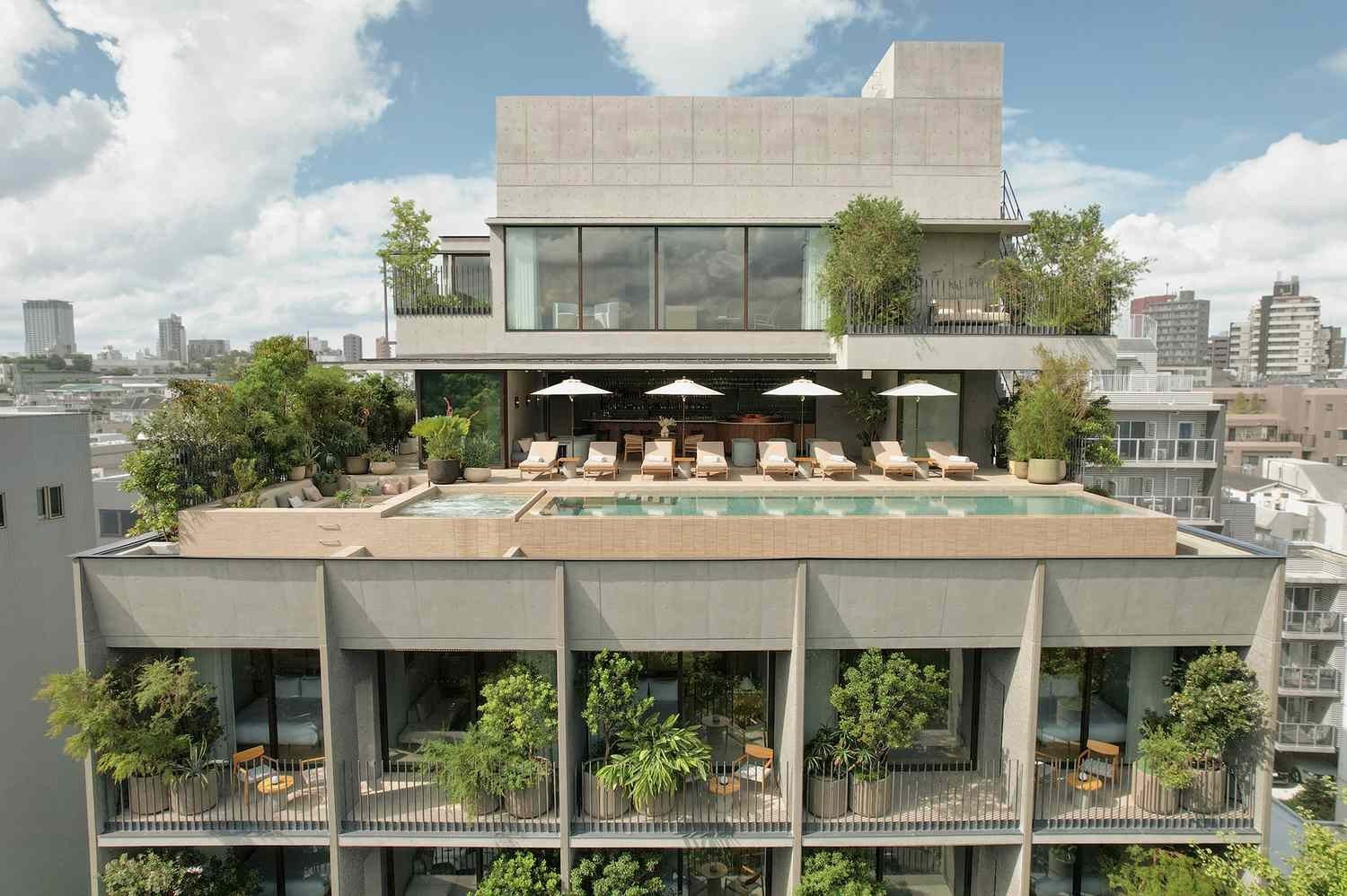
Calm, minimalist and art-focused, with soft lighting, contemporary Japanese design, and a small garden that creates a peaceful, almost temple-like atmosphere away from Omotesando’s crowds.