Tabelog 100 #86
Our verdict
Ginza’s tempura counters sit between ceremony and restraint: batter, oil temperature, pacing, and seasonal seafood matter as much as luxury signals. Tempura Ginza Tentei belongs to that specialist tier, with Tabelog Tempura 100 selections in 2022, 2023, and 2025, an 18-seat format, and a sharper value spread between lunch and dinner than many Ginza fine-dining rooms.

Pearl is the En Primeur Club membership app, where members save venues, book tables and use the concierge.
The menu
What to order
- Special Tempura Course
- Deluxe Tendon (tempura rice bowl)
- Tempura Cha (tempura over tea rice)
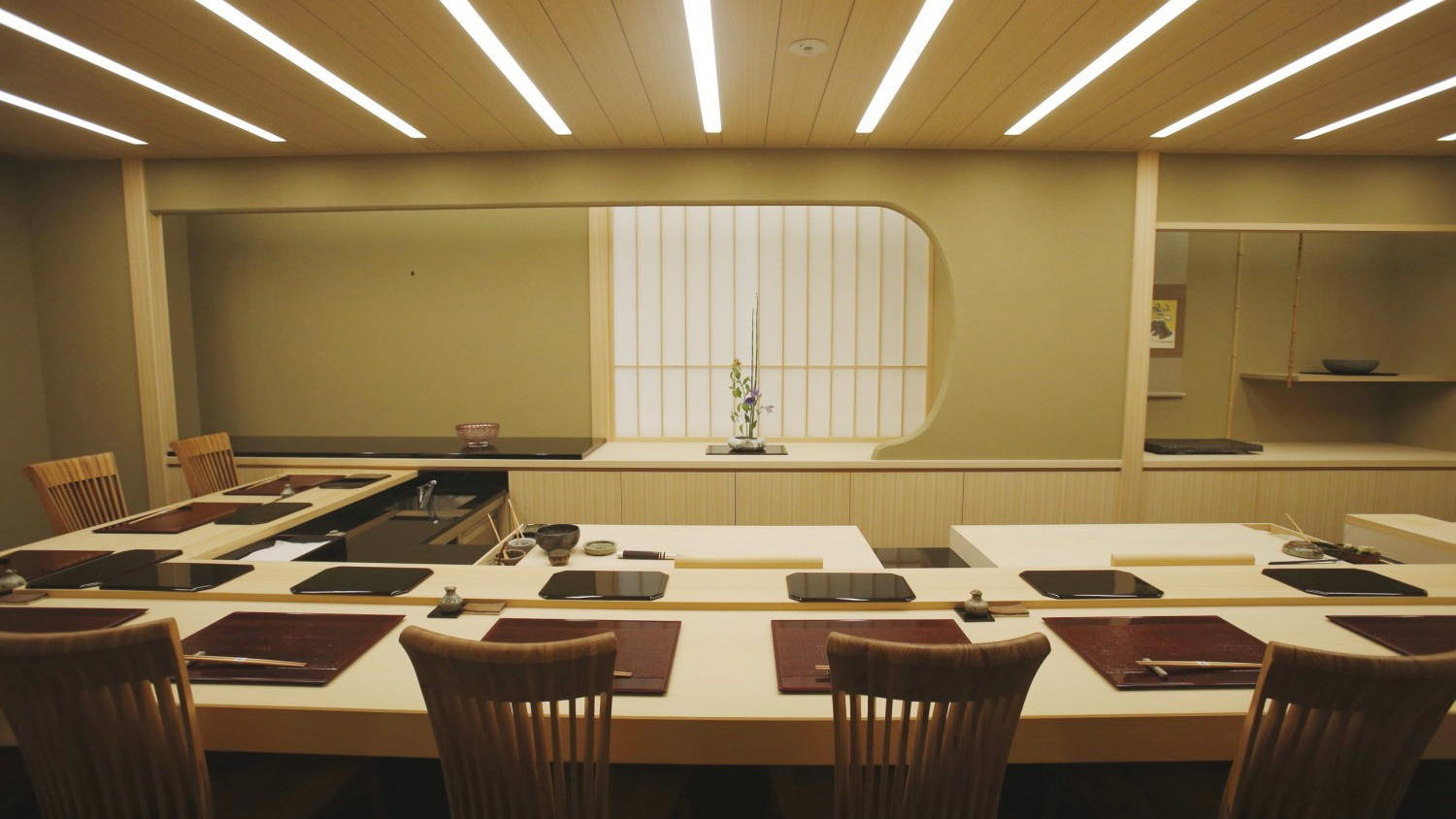
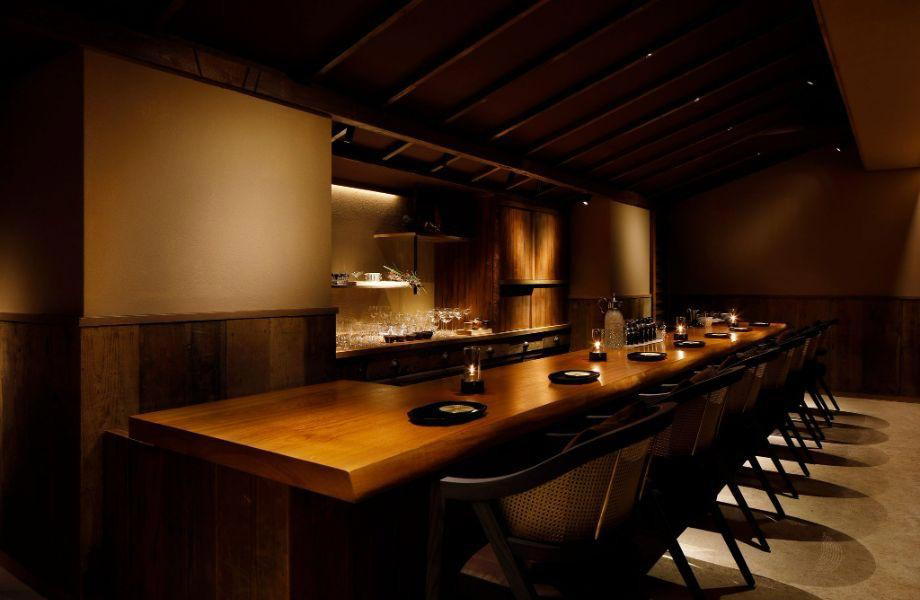
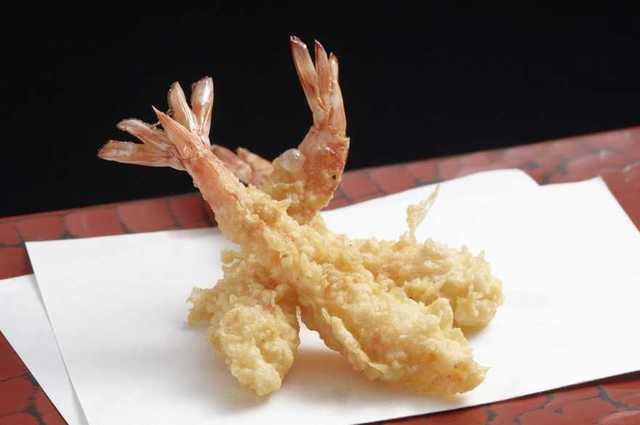
The approach is distinctly Tokyo: a composed room, a focus on the plate, and dining built around attention rather than display. Tempura is one of the city’s great rituals: batter mixed lightly, seafood and vegetables fried in small runs, each piece served before heat and texture flatten. The meal is timing, restraint, and following the fryer’s rhythm.
Tempura Ginza Tentei shows serious tempura in a city where specialist restaurants can define an itinerary. Inclusion in Tabelog’s Tempura 100 list for 2025 places it among a national group judged within tempura rather than broad Japanese fine dining. Its 3.68 score reinforces the point: a specialist address with category credibility, not a general-purpose Tokyo splurge room.
Tempura as a paced ritual, not a luxury set piece
Tokyo tempura follows a different logic from sushi, kaiseki, or yakitori. Sushi is read through rice temperature, neta sourcing, and chef lineage; kaiseki through seasonality and arrangement; yakitori through smoke, cuts, and tare. Tempura asks diners to notice the short interval between fryer and plate. The craft is visible but not theatrical; service order carries the argument.
Tentei is best understood as a specialist restaurant where diners focus on the sequence rather than treating tempura as one course among many. Proximity to timing matters because distance changes tempura: when served in a measured flow, the meal reads as live exchange between oil, ingredient, and diner. Specialists are judged less by decoration than pacing and consistency.
The cuisine classification is narrow in the right way: tempura, seafood, and Japanese cuisine. That framing points to diners who understand tempura’s incremental pleasures: one piece, then the next, judged by heat, coating, and cut. In Tokyo, where reputation can outrun category depth, the appeal is not excess but precision within a clearly defined genre.
For readers mapping Tokyo by genre, this sits apart from Tokyo sushi institutions such as Kyubey, where the counter grammar is rice and seafood handling, or Japanese dining rooms such as Ginza Fukuju, where broader category changes expectations around sequence. The comparison is not ranking but choosing the right ritual. Tempura suits diners seeking a quieter, more technical meal than multi-category Japanese dining and a less reputation-heavy experience than the city’s famous sushi circuit.
Where Tokyo tempura fits in a crowded Tokyo itinerary
Tokyo can make every meal feel overdetermined. Its reputation attracts visitors with famous-name lists and limited appetite. Tempura is a useful counterweight because the format is naturally disciplined: less menu anxiety, less table theater, fewer distractions. Arrive on time, eat pieces as served, and resist turning the meal into a photo session.
Tentei’s category standing adds depth. Tabelog Tempura 100 recognition supplies contemporary validation, while the restaurant’s specialist identity explains why it belongs in the city’s working dining culture as much as its visitor-facing one. Tokyo’s serious restaurants are not all temples of formality; many are compact, practical, category-specific rooms whose reputations are carried by repeat use.
Lunch and dinner signal different uses. A tempura lunch in Tokyo can teach the genre without taking an evening; dinner gives the format more space and drinks more relevance. The published budget spread puts dinner at JPY 15,000 - JPY 19,999 and lunch at JPY 3,000 - JPY 3,999, a Tokyo pattern savvy travelers use when building a week that might also include sushi, wagyu, kaiseki, cocktail bars, and casual neighborhood eating.
Tokyo dining is not one hierarchy but a grid of specialties. Other dining rooms ask for different readings of heat, smoke, grill work, spice, or café culture. Tempura earns its slot when the traveler wants concentrated technique and a room secondary to sequence. Tentei is most useful in an itinerary when it is chosen for that specific grammar rather than as a generic Japanese meal.
How to read the room before committing a Tokyo meal slot
The practical case should be read through the confirmed essentials rather than embellishment. Tempura Ginza Tentei is listed in the categories of tempura, seafood, and Japanese cuisine, with Tabelog recognition in 2025 and a 3.68 score. Those facts are enough to frame it as a credible specialist choice without turning it into a trophy booking or overclaiming the room’s format.
The budget framework is worth reading closely. Dinner is listed at JPY 15,000 - JPY 19,999, while lunch is listed at JPY 3,000 - JPY 3,999. The core experience remains the tempura meal, where the sequence matters more than spectacle.
This need not be a trophy booking. The stronger reason to go is category literacy. An itinerary chasing only famous sushi counters misses how tempura expresses season, seafood, and craft through different rules. Tentei gives that lesson in a Tokyo format, backed by category-specific Tabelog recognition and a score that signals a serious specialist address. For planning, use Our full Tokyo restaurants guide alongside Our full Tokyo bars guide, Our full Tokyo hotels guide, Our full Tokyo experiences guide, and Our full Tokyo wineries guide.
Travelers extending the same food-first lens beyond a single meal can compare Tentei with other unnamed dining rooms across Japan and beyond, from casual counters and cafés to contemporary restaurants and sake bars. Back in Tokyo, the city’s dining identity changes by format as much as by area, which is why a focused tempura meal can sit comfortably beside sushi, kaiseki, yakitori, curry, and everyday neighborhood eating.
Frequently asked questions
Is Tempura Ginza Tentei more mid-range or high-end?
Pricing at Tempura Ginza Tentei is listed as Dinner: JPY 15,000 - JPY 19,999; Lunch: JPY 3,000 - JPY 3,999.
Where is Tempura Ginza Tentei located?
Tokyo.
What's the best way to book Tempura Ginza Tentei?
For a direct enquiry, the phone number listed is +81-3-3571-8524. The restaurant is in Tokyo.
What's the signature at Tempura Ginza Tentei?
Tempura is the focus here, with the listing categories noting tempura, seafood, and Japanese cuisine. The restaurant also appears in Tabelog 100 Tempura 2025, which underlines its standing in the category.
The Essentials
Comparable venues by cuisine and category.
| Venue | Cuisine | Price | Awards | Notes |
|---|---|---|---|---|
| Tempura Ginza TenteiThis venue (the venue you are viewing) | Traditional Ginza Tempura Counter | $50–100 | Tabelog 100 #86 | Not listed |
| Tori Aroma | Hinai Jidori Yakitori Omakase | $50–100 | Tabelog 100 #31 | Chiyoda, Hinai Jidori Yakitori Omakase |
| Yakitori Katou | Traditional Yakitori Counter | $50–100 | Tabelog 100 #82 | Minato, Traditional Yakitori Counter |
| Kasumitei Matsubara | Kaiseki | $150–200 | Not listed | Minato, Kaiseki |
| Yakiniku Jambo Hongo | Premium Yakiniku with A5 Wagyu | $50–100 | Tabelog 100 #29 | Bunkyō, Premium Yakiniku with A5 Wagyu |
| Shirogane Toritama Kagurazaka ten | Yakitori & Izakaya | $50–100 | Tabelog 100 #21 | Shinjuku, Yakitori & Izakaya |
Recognition history
Dated appearances from independent guides and award organizations, with the underlying list record or original source where available.
Tabelog 100 #86 · No. 86
Tabelog · Tabelog 100 - Tempura - 2025