
SANN brings a rarely encountered regional tradition to Bang Yai's suburban sprawl: the home-style cooking of Phetchaburi, a central Thai province better known for its desserts than its savoury heritage. The kitchen favours meat-forward dishes, freshly pressed coconut milk, and produce sourced close to the table, making it a reference point for anyone tracking how provincial Thai cooking survives outside its place of origin.
Pearl is the En Primeur Club membership app — saves, bookings, and concierge access live there. Same editors, same standards.
- Address
- 32 หมู่ที่ 10 Bang Yai-Bang Khu Lat Rd, Bang Len, Bang Yai District, Nonthaburi 11140, Thailand
- Phone
- +66 66 137 6749
- Website
- instagram.com
- Directions
- Get directions
 Saves & bookings on Pearl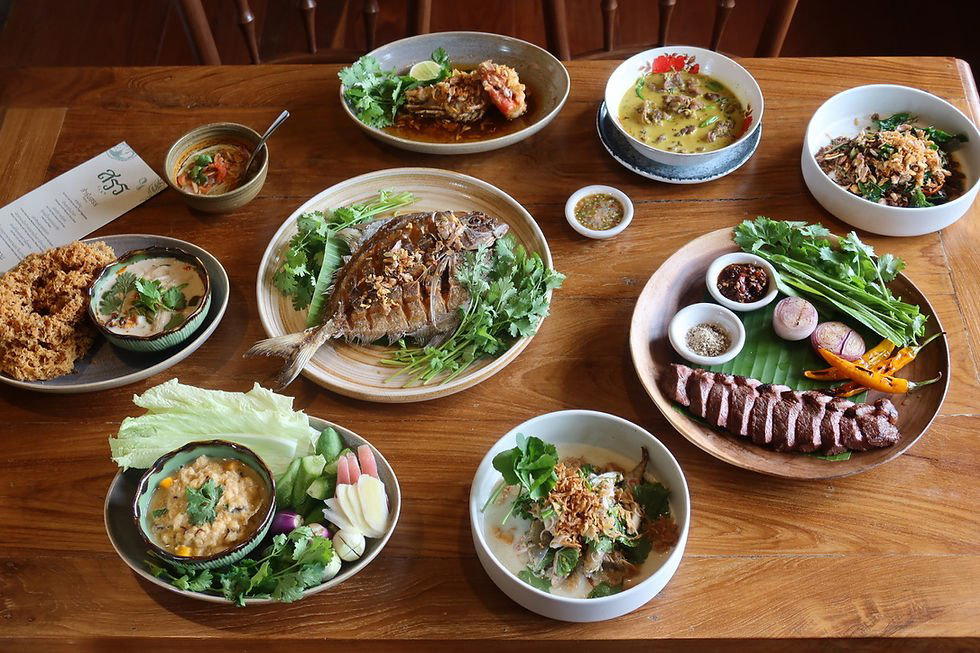
Where Phetchaburi Cooking Finds a New Address
Bang Yai sits in Nonthaburi Province, just northwest of Bangkok's administrative boundary, in the kind of low-rise, mid-density suburb where shophouses and family restaurants outnumber any formal dining infrastructure. It is a neighbourhood that draws food writers in search of regional Thai cooking, which is precisely why SANN matters to anyone following how provincial culinary traditions migrate and persist in Greater Bangkok's expanding residential belt. The restaurant occupies a suburban address on Bang Yai-Bang Khu Lat Road, and its physical register is domestic rather than designed: the sort of place that reads as a family home repurposed for guests, where the cooking has always been the point.
The Phetchaburi Tradition: Meat, Coconut, and Unfussy Technique
Most discussions of regional Thai cooking default to the south's chilli heat or the north's fermented complexity. Central Thailand's provincial kitchens, and Phetchaburi's in particular, occupy a quieter position in that conversation, and an underrepresented one. Phetchaburi Province, roughly three hours southwest of Bangkok by road, has historically produced some of Thailand's most prized palm sugar and coconut products, and its cooking reflects that agricultural reality. Dishes here lean on freshly pressed coconut milk rather than the shelf-stable substitute that appears in most city kitchens, and the flavour profile tends toward mellow sweetness undercut by measured heat rather than the assertive spice registers of neighbouring regions. Meat, particularly pork, features more prominently than fish, a divergence from the coastal-influenced cooking that dominates many central Thai restaurant menus in Bangkok.
That distinction matters when assessing where SANN sits in Greater Bangkok's Thai regional dining spectrum. Places like Sorn in Bangkok have established a high-profile template for southern Thai cuisine at the fine-dining tier. SANN operates in an entirely different register: no tasting menu format, no white-tablecloth presentation, The food is honest rather than theatrical, and that honesty is the editorial argument for the restaurant's existence.
Produce as the Kitchen's Anchor
The ingredient sourcing at SANN is where the editorial angle sharpens. The kitchen's identity is built around prime local produce used in time-honoured preparations, and the two signature preparations that define the menu both depend on ingredient quality in ways that technique alone cannot compensate for. The palm-shoot curry arrives simmered in freshly pressed coconut milk, which carries a creamier, more nuanced fat structure than processed alternatives, a difference that becomes apparent in the way the curry's sweetness develops gradually rather than hitting up front. The curry is crowned with smoky grilled pork, which introduces a char note that offsets the coconut's richness without disrupting the dish's essential mildness. It is a study in calibrated restraint: a preparation where the raw materials carry more weight than any dramatic culinary intervention.
The river prawn dish makes the sourcing argument in a different way. Flash-frying and a dusting of sea salt preserve the prawn's texture, springy yet yielding, in a manner that is only possible when the protein is genuinely fresh. A coriander-garlic crunch completes the dish, adding aromatics that function as counterpoint rather than dominant flavour. Both preparations have the character of recipes that have been refined through repetition over years, not engineered for novelty. For context on how sourcing-led Thai cooking operates at a more formal scale, PRU in Phuket offers a farm-to-table reference point at the fine-dining tier, while AKKEE in Pak Kret provides a closer geographic comparison within Nonthaburi Province itself.
The Seldom-Seen Status of Phetchaburi Savoury Cooking
It is worth understanding why Phetchaburi's savoury cooking remains seldom-seen in Bangkok restaurant culture, even as the province's desserts, particularly its egg yolk sweets and palm sugar confections, appear on fine-dining menus across the capital. The province's culinary identity has been shaped, in the public imagination, almost entirely by its confectionery tradition. Its savoury heritage, including the meat-forward, coconut-rich preparations that SANN draws on, has no comparable ambassador at any prominent tier of Bangkok dining. That gap creates a specific kind of value: SANN is not competing with a crowded field. It occupies a position with few direct peers in Greater Bangkok, which makes the comparison exercise instructive. Tracking equivalent regional specificity in other Thai culinary traditions requires looking at places like Aeeen in Chiang Mai for northern traditions, or Angeum in Phra Nakhon Si Ayutthaya for central Thai cooking in its historical heartland.
The contrast with Bangkok's premium Thai regional dining scene is also worth noting for what it reveals about price and access. The city's Michelin-recognised Thai restaurants, Sorn, Sühring-tier crossovers, Baan Tepa, Gaa, operate at ฿฿฿฿ price points, with booking windows that extend weeks or months ahead. SANN's suburban setting and home-style format place it outside that competitive bracket entirely. The cooking tradition being represented is rarer, but the format is accessible in ways that Bangkok's fine-dining circuit is not.
Planning a Visit
SANN sits at 32 หมู่ที่ 10, Bang Yai–Bang Khu Lat Road, Bang Len, Bang Yai District, Nonthaburi 11140, a suburban address that requires deliberate navigation rather than casual stumbling.
For readers building a broader Thai regional dining itinerary, the diversity of the country's provincial cooking traditions becomes apparent when placed alongside restaurants like Baan Heng in Khon Kaen, Baan Chik Pork Noodles in Udon Thani, Baan Suan Lung Khai in Ko Samui, Agave in Ubon Ratchathani, and Anuwat in Phang Nga. Each operates in a distinct regional register, and together they trace a map of Thai cooking that no single Bangkok menu can represent. For international reference points at the far end of the formality spectrum, Le Bernardin in New York City and Atomix in New York City illustrate how sourcing-led philosophy translates into fine-dining format, a useful contrast to SANN's unpretentious approach to the same underlying principle. And for day-trip context, The Spa in Lamai Beach offers another lens on how Thai regional identity gets expressed outside capital city dining rooms.
A Quick Peer Check
Comparable venues nearby, for context on price, style, and recognition.
| Venue | Cuisine | Price | Awards | Notes |
|---|---|---|---|---|
| SANNThis venue — the venue you are viewing | Thai | Not listed | Bib Gourmand | Not listed |
| Rongros | Traditional Thai with Riverside Views | $$ | Michelin Plate | Sanam Luang |
| Baannai | Traditional Thai Family Recipes | $$ | Bib Gourmand | Sam Sen |
| Aheesah Roddee | Thai Muslim Indonesian-Inspired | $$ | Michelin Plate | Talat Yot |
| Ayutthayarom | Authentic Thai Riverside | $$ | Michelin Plate | Ban Pom, Phra Nakhon Si Ayutthaya District |
| Plu | Authentic Pan-Thai | $$ | Bib Gourmand | Yan Nava |
Recognition history
Dated appearances from independent guides and award organizations, with the underlying list record or original source where available.
Michelin Bib Gourmand
Michelin




At a Glance
- Cozy
- Modern
- Rustic
- Family
- Casual Hangout
- Group Dining
- Garden
- Standalone
- Local Sourcing
- Garden
Current opening hours
- Monday
- 11 AM–9 PM
- Tuesday
- 11 AM–9 PM
- Wednesday
- 11 AM–9 PM
- Thursday
- 11 AM–9 PM
- Friday
- 11 AM–10 PM
- Saturday
- 11 AM–10 PM
- Sunday
- 11 AM–10 PM
Hours can change for holidays and private events. Last verified .
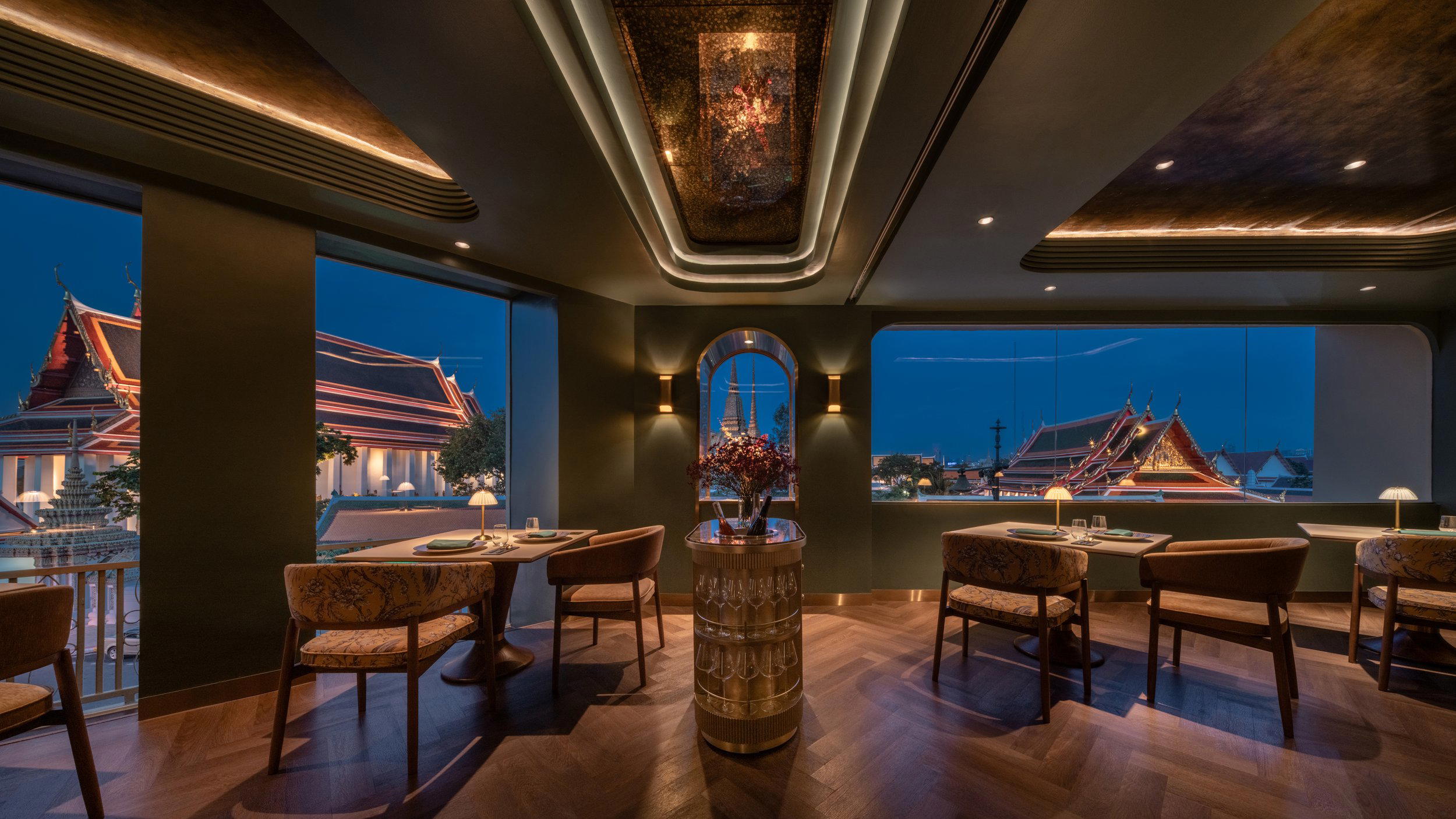
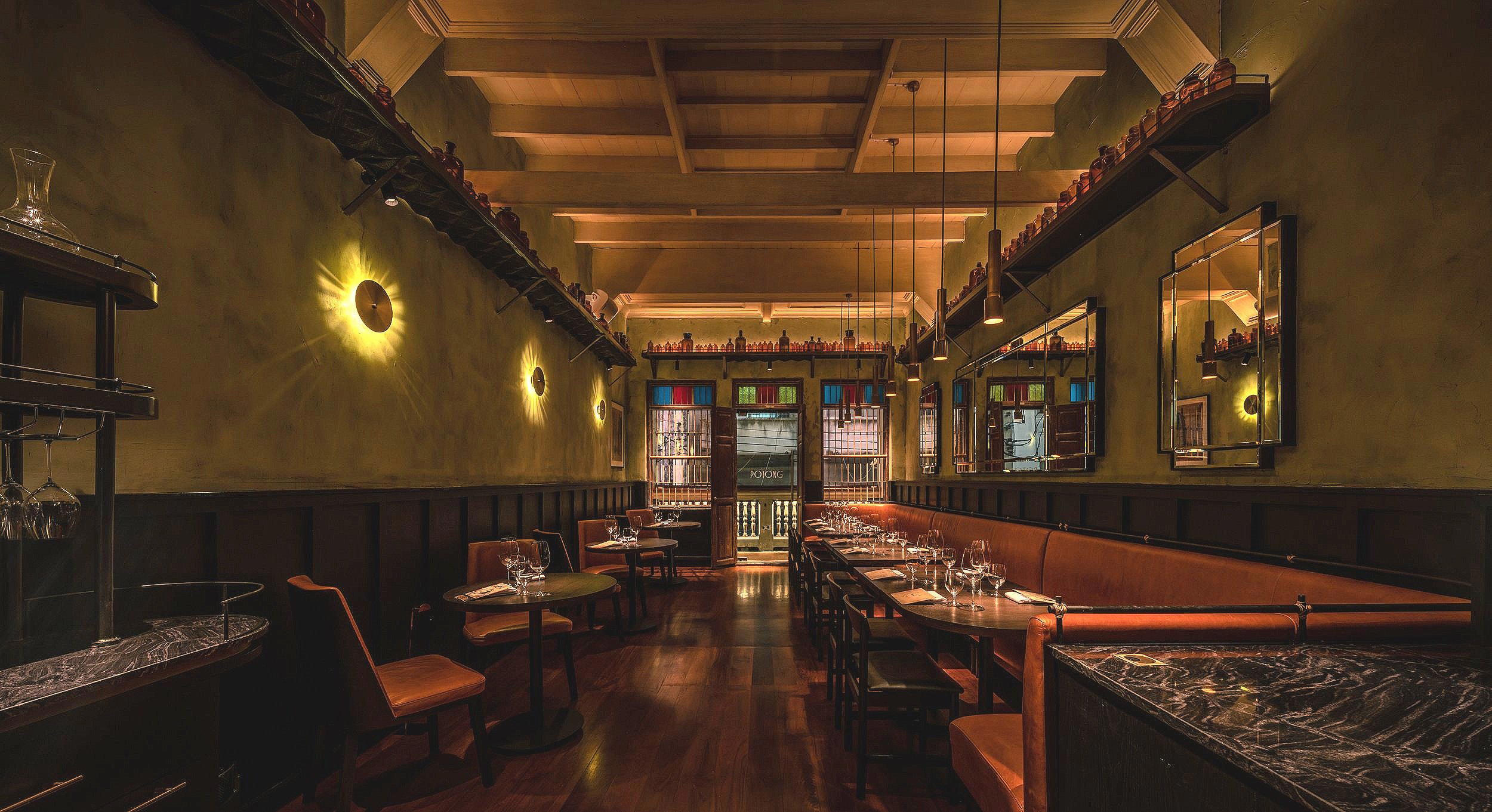
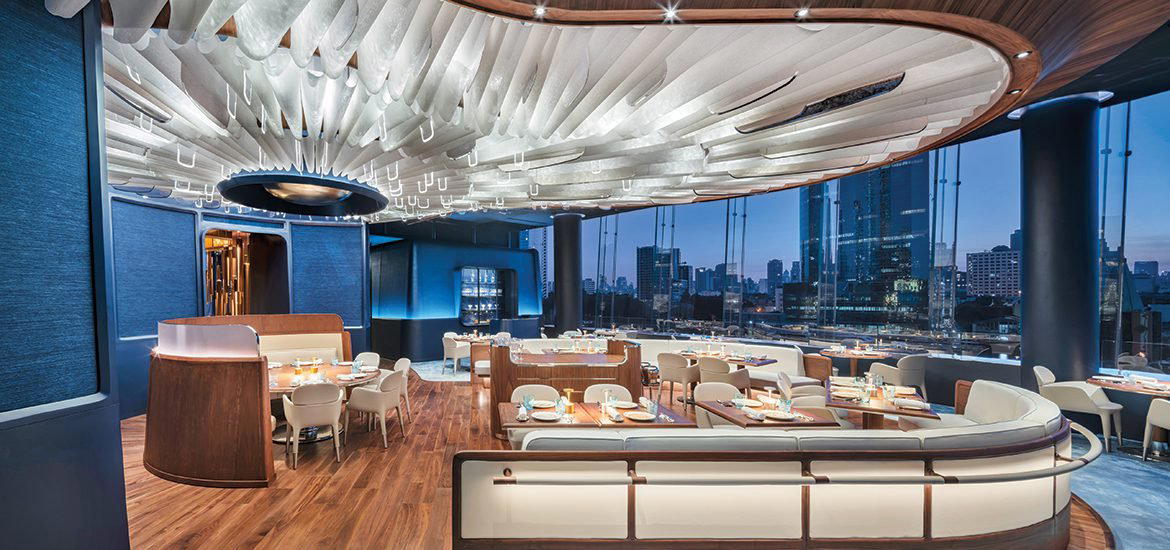
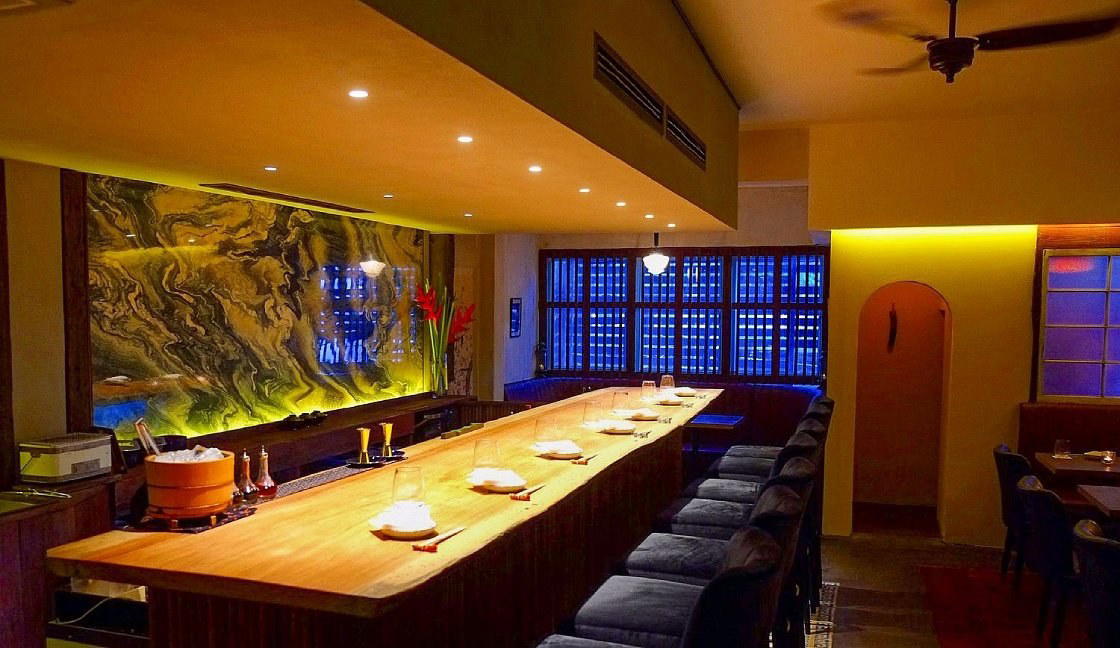
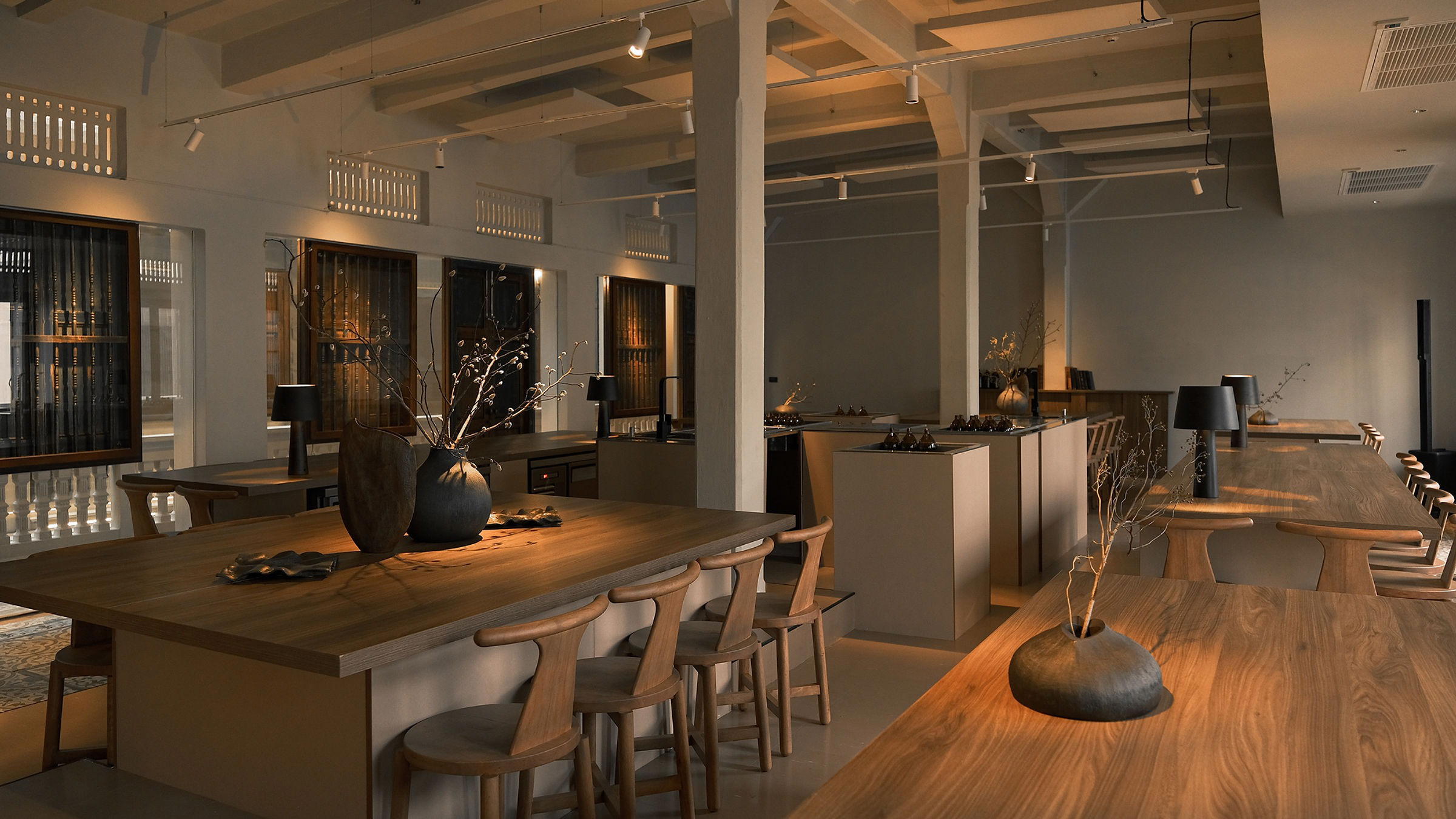
Warm, homely, and nostalgic with reddish-brown wood, tropical furnishings, and a bright, comfortable dining space overlooking the fruit farm.