
Find the full scoop inside.
Pearl is the En Primeur Club membership app — saves, bookings, and concierge access live there. Same editors, same standards.
- Address
- 8 Bancho-1427-2 Higashiboridori, Chuo Ward, Niigata, 951-8065, Japan
- Phone
- +81252249581
- Website
- kyodaisushi.gorp.jp
 Saves & bookings on Pearl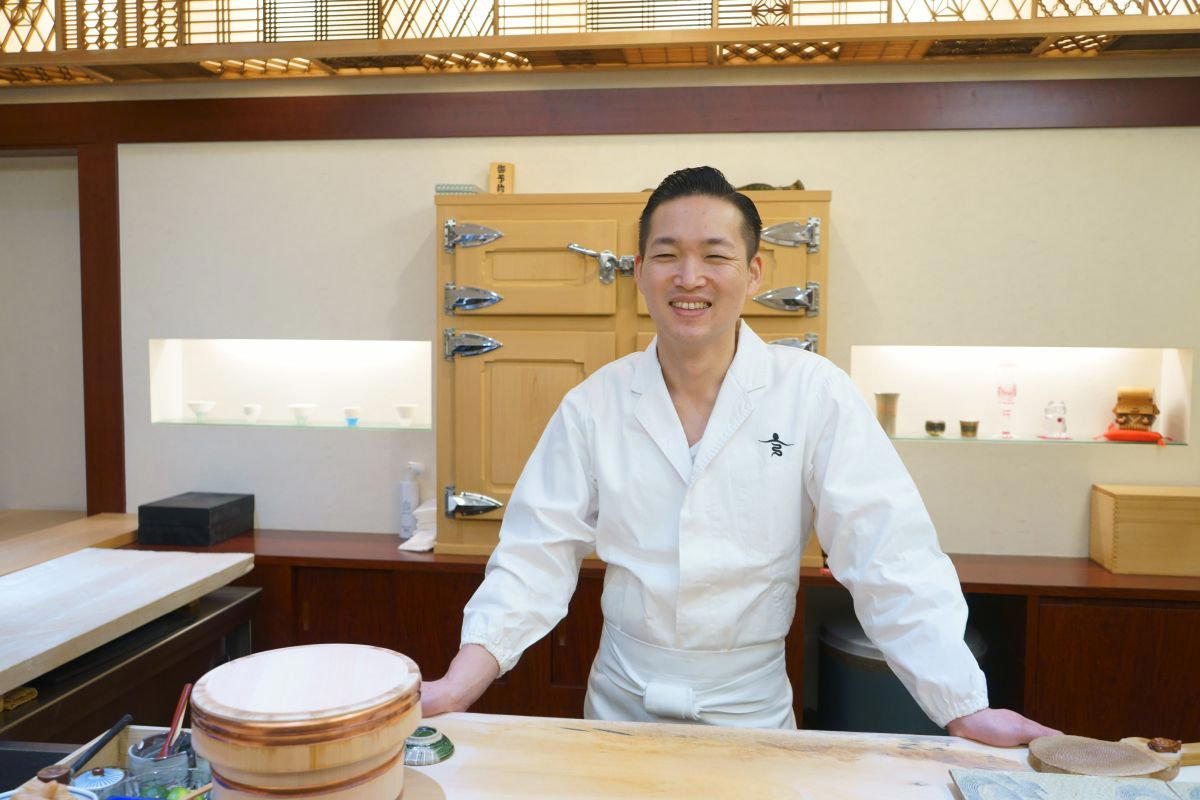
Sushi in Niigata: Where the Rice Changes Everything
兄弟寿し is a restaurant in Niigata’s Chuo Ward serving 新潟前寿司 Omakase, with a price tier of about USD 150 per person. The region produces Koshihikari rice, some of Japan's most prized short-grain, and the Sea of Japan delivers a cold-water catch that reads differently from the Pacific-facing hauls that supply the capital's counters. 兄弟寿し, located in the Higashiboridori district of Chuo Ward, operates inside this specific geography. The address places it within a stretch of central Niigata that retains the lower-density, neighbourhood-oriented character that the city's older dining fabric is known for: quieter than the station precincts, less transited by the short-stay visitor traffic that concentrates further west.
In Japan's sushi culture, this positioning matters. Family-run sushi-ya tend to build their reputation through repeat clientele and local word-of-mouth rather than through awards or platform visibility, a different kind of durability than the recognition cycle that drives, say, the Ginza omakase tier. For comparison, Niigata's sushi scene includes Kyodaizushi (Sushi) and Tokiwa Sushi Nigata Ten.
The Counter as a Collaborative Space
In the tradition of regional Japanese sushi-ya, the dynamic across the counter is not simply transactional. The itamae's choices about rice temperature, vinegar balance, and fish selection are shaped by what the morning's catch offers, a dialogue between kitchen sourcing and the day's available product. At family-run operations like 兄弟寿し, the front-of-house role is typically held by someone close to the kitchen, which compresses the distance between the person taking your order and the person preparing your fish. This is a structurally different team model than the large-brigade omakase counter, where floor staff and kitchen staff operate in distinct departments.
The Sea of Japan in winter and early spring is a different fishery than the Pacific coast. Snow crab, yellowtail (buri), and various flatfish run through the Niigata markets in the colder months, and a sushi counter sourcing locally will reflect those seasonal rhythms on the plate. This is the kind of temporal logic that distinguishes a regionally embedded sushi-ya from one that sources through centralized Tokyo wholesale networks, where the seasonality is more homogenized. Visitors who time their trip to Niigata between November and March will find the Sea of Japan at its most productive for cold-water species.
Niigata's Wider Dining Context
Niigata is not a city that draws heavy international dining tourism, which has practical consequences for how its restaurants operate. Most of the city's dining fabric is oriented toward local regulars and domestic travellers. This means pricing tends to be calibrated to local purchasing patterns rather than to visitor premiums, and bookings are often more accessible than at equivalent-quality counters in higher-visibility cities.
The Higashiboridori address places 兄弟寿し away from the Bandai and station-adjacent clusters that concentrate more of Niigata's hotel-adjacent dining. Those looking for a cross-section of the city's current scene can reference our full Niigata restaurants guide, which maps the range from neighbourhood sushi to the French-inflected dining at Restaurant UOZEN and the contemporary Japanese at KOKAJIYA. Menya Agosuke and Mûrir extend the city's range further, indicating a dining scene with more range than Niigata's international profile might suggest.
Planning Your Visit
兄弟寿し sits at 8 Bancho-1427-2 Higashiboridori in Chuo Ward, a central district reachable from Niigata Station by a short taxi or a moderate walk through the city's grid. For a city-centre sushi operation of this type, mid-week visits often carry less demand pressure than Friday and Saturday evenings, when local regulars fill neighbourhood counters consistently. akordu in Nara illustrates how regional Japanese cities reward visitors who engage with mid-tier neighbourhood dining rather than defaulting to particularly prominent names.
Price and Positioning
Comparable venues nearby, for context on price, style, and recognition.
| Venue | Cuisine | Price | Notes |
|---|---|---|---|
| 兄弟寿しThis venue — the venue you are viewing | 古町, 新潟前寿司 Omakase | $$$ | Not listed |
| Sushi Nakahisa Hoshino | Niigata Furumachi, Edomae Sushi | $$$ | Not listed |
| Sushi Yasu | Not listed | $$$ | Chuo Ward, Traditional Edo‑style Sushi |
| Echigo Ichie Juro | Not listed | $$ | Chuo-ku, Niigata local izakaya with creative Echigo cuisine |
| Yakiniku Hatchi | Furumachi, Japanese Yakiniku BBQ | $$$ | Not listed |
| 新潟浦島 小平 | Furumachi, Niigata-mae Omakase Sushi | $$$$ | Not listed |
Recognition history
Dated appearances from independent guides and award organizations, with the underlying list record or original source where available.
Opinionated About Dining Top Restaurants in Japan Ranked #143
Opinionated About Dining
Continue exploring
More in Niigata
At a Glance
- Elegant
- Intimate
- Sophisticated
- Classic
- Special Occasion
- Date Night
- Chefs Counter
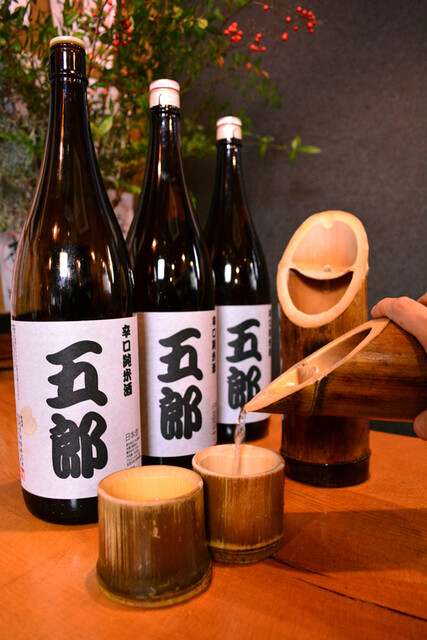
- Sake Program
- Local Sourcing
Current opening hours
- Monday
- 5:30 PM–12 AM
- Tuesday
- 5:30 PM–12 AM
- Wednesday
- 5:30 PM–12 AM
- Thursday
- 5:30 PM–12 AM
- Friday
- 5:30 PM–12 AM
- Saturday
- 5:30 PM–12 AM
- Sunday
- Closed
Hours can change for holidays and private events. Last verified .
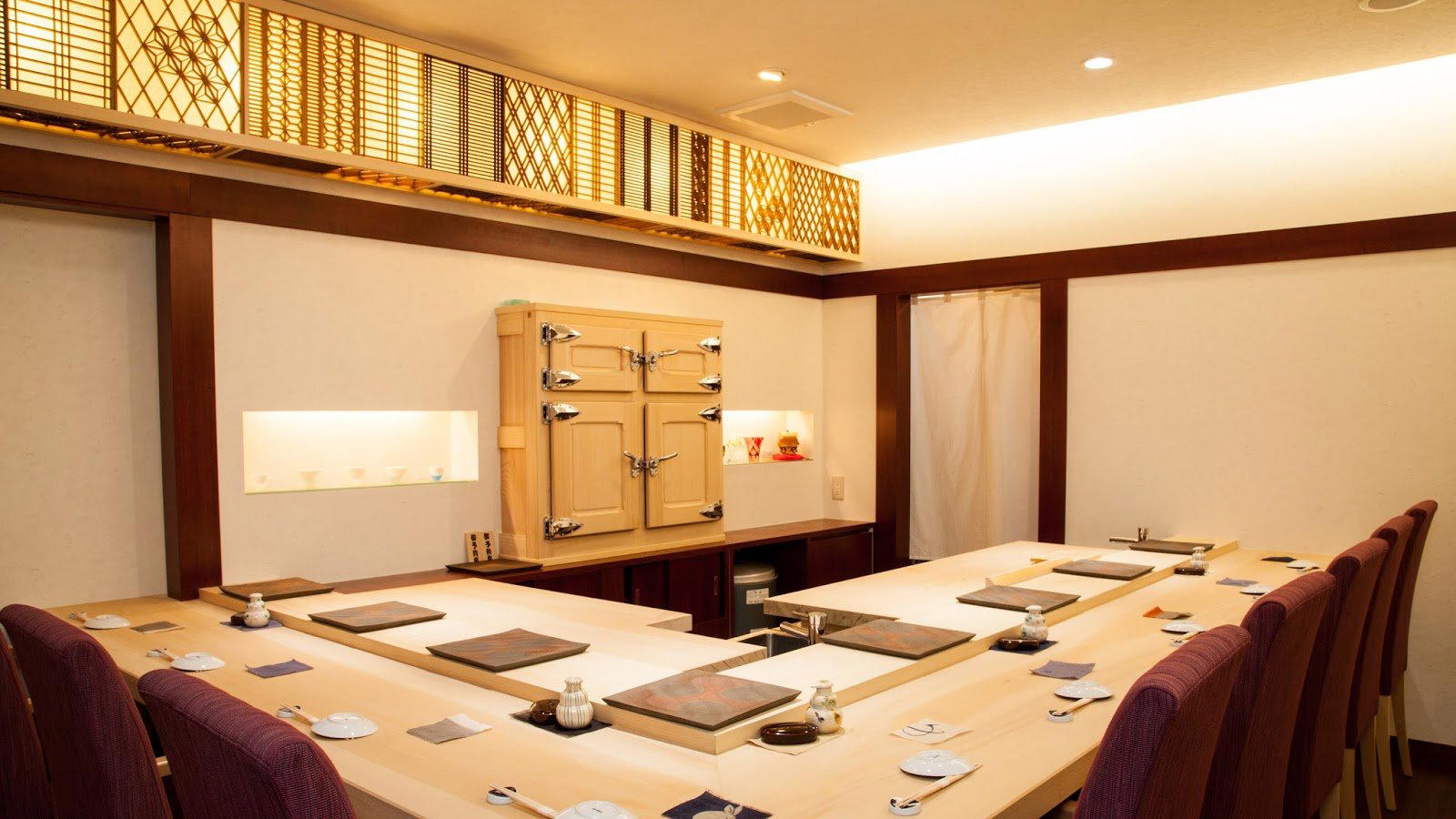
カウンター8-9席のみの隠れ家的なすきや建築の店内で、リラックスした洗練された雰囲気。