Salt.
On a quiet residential stretch of Düsseldorf's Pempelfort district, Salt. occupies a register that the city's dining scene doesn't produce in volume: intimate, atmosphere-led, and deliberate in its pacing. The address on Blücherstraße sits away from the Altstadt's higher-traffic corridors, positioning it within a neighbourhood where locals tend to eat rather than tourists tend to wander.
Pearl is the En Primeur Club membership app — saves, bookings, and concierge access live there. Same editors, same standards.
- Address
- Blücherstraße 53, 40477 Düsseldorf, Germany
- Phone
- +4915566310076
- Website
- instagram.com
- Directions
- Get directions
 Saves & bookings on Pearl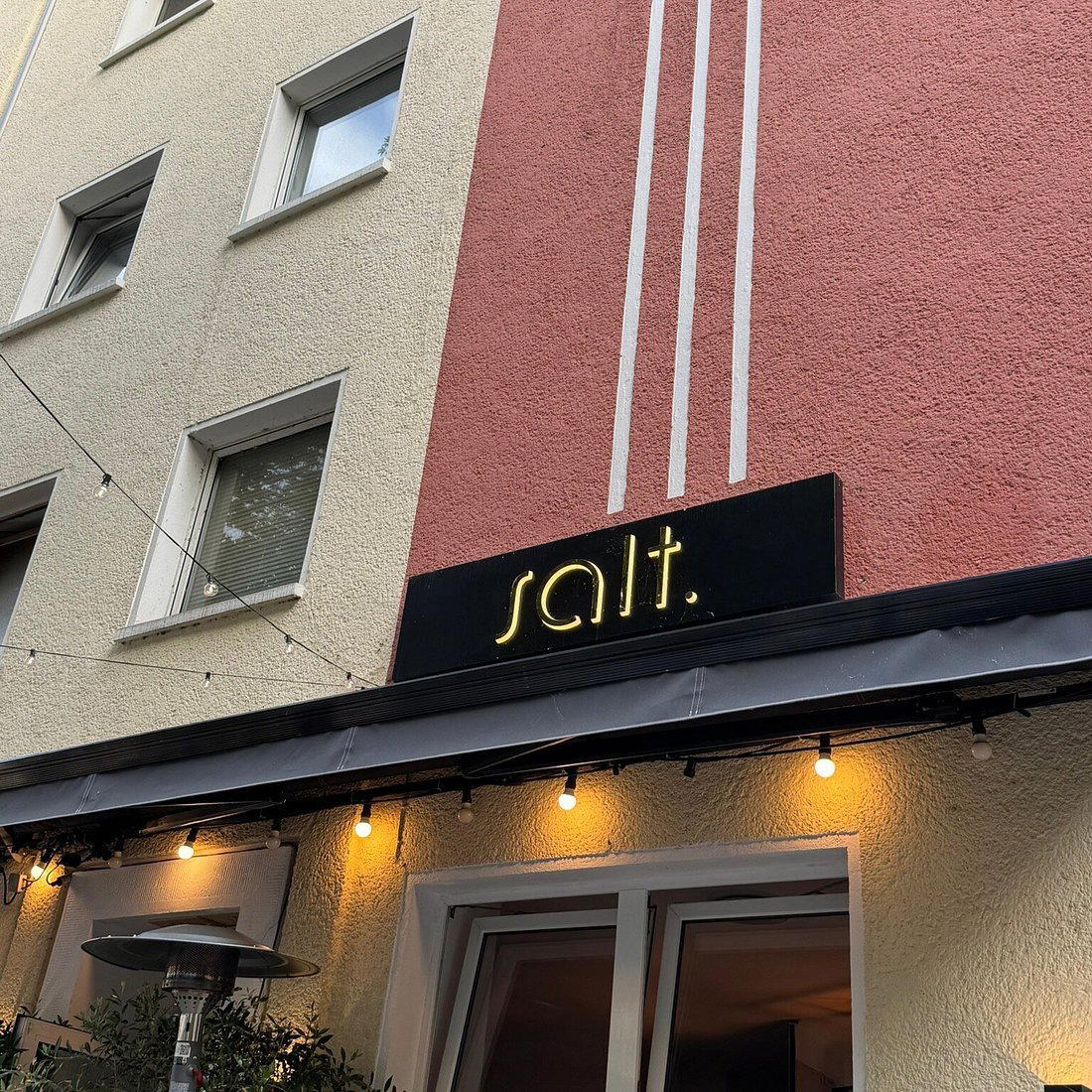
A Quiet Address With a Specific Gravitational Pull
Düsseldorf's fine dining conversation tends to cluster around the Altstadt and the Rhine-facing corridors, where visibility is highest and foot traffic does some of the marketing. Pempelfort operates differently. The neighbourhood runs north of the old city centre, predominantly residential in character, with the kind of restaurant density that rewards knowing where you're going rather than stumbling upon something. Salt. at Blücherstraße 53, sits inside that logic. It is a venue that assumes you came specifically, not accidentally.
That assumption shapes the atmosphere from arrival. Blücherstraße is a low-key residential street, and arriving there primes a different expectation than descending into a basement cocktail bar or entering through a hotel lobby. The physical approach is ordinary in all the ways that tend to make the contrast inside more effective. Germany's mid-tier fine dining addresses have become adept at deploying this kind of quiet understatement, letting the room do the work once the door opens rather than signalling ambition through facade.
How the Room Operates on the Senses
The sensory register of a serious independent restaurant in a residential neighbourhood tends to be calibrated around intimacy rather than spectacle. Tables are spaced to allow conversation without projection. Sound levels stay below the point where you're aware of other tables' business. Lighting does specific work: warm enough to render food accurately, low enough to create enclosure. These are not incidental design choices but deliberate ones that communicate something about the pace at which the kitchen expects you to eat and the attention it expects you to give the food.
Germany's restaurant culture has historically been more willing than, say, France's to let the food carry the evening without elaborate ceremony of service. The country's Michelin-tracked addresses, from Aqua in Wolfsburg to Schwarzwaldstube in Baiersbronn and Vendôme in Bergisch Gladbach, share a tendency toward technical seriousness delivered without the theatrical weight of French haute cuisine tradition. Independent rooms like Salt. operate in that same register at a more accessible scale.
Düsseldorf's Independent Dining Tier
The city has a well-established high-end restaurant scene, but it is not primarily a Michelin-star city in the way that Munich or Hamburg present themselves. Restaurant Haerlin in Hamburg and JAN in Munich operate with the kind of full-format tasting menu infrastructure and recognition apparatus that defines their respective cities' leading tiers. Düsseldorf's independent dining scene tends to run with more variation in format and ambition, which is not a weakness but a structural difference that produces interesting venues outside the Michelin orbit.
Salt. addresses on Blücherstraße place it in the city's mid-to-upper independent tier, where the competition is other serious neighbourhood restaurants rather than hotel dining rooms or destination tasting-menu formats. The venues it sits alongside in practical terms are places like Amuni Wein- und Käsebar, Anfora, and Arca Alacati, each of which represents a different approach to the question of what a serious independent Düsseldorf restaurant looks and tastes like in the current decade.
For visitors who have already worked through the city's more obvious addresses, the Pempelfort tier is where the more granular eating happens. Our full Düsseldorf restaurants guide covers the spread from casual to formal across all neighbourhoods.
The German Fine Dining Context Salt. Operates Within
Germany's serious restaurant scene outside the major cities has produced some of the country's most discussed addresses in recent years. ES:SENZ in Grassau, Schanz in Piesport, and Waldhotel Sonnora in Dreis demonstrate that the country's culinary ambition is geographically distributed rather than concentrated in its capital or its largest city. Victor's Fine Dining by Christian Bau in Perl and CODA Dessert Dining in Berlin each represent a formal extreme that pushes the boundaries of what German fine dining can mean structurally.
Salt. in Düsseldorf operates in a different part of that map: not the destination-format extreme, but the serious neighbourhood room that a city of Düsseldorf's scale and commercial weight tends to produce when it's functioning well. This tier matters because it's where most serious eating actually happens for residents, and because it's where the food often reflects local taste more accurately than a hotel restaurant calibrated for international visitors.
Internationally, the format has analogues. Le Bernardin in New York City and Atomix in New York City represent what the highest end of the format can achieve with sufficient investment and critical attention. The more relevant comparison for Salt. is the cluster of European cities where serious independent rooms on residential streets have become the primary locus of dining ambition rather than a secondary tier.
The Neighbourhood as Context
Pempelfort runs between the Altstadt's northern edge and the Derendorf district, and its restaurant density reflects a population that eats out seriously without requiring the social signalling of a prime riverside address. The streets around Blücherstraße include a range of formats from casual to considered, covering everything from fast and functional, represented by venues like 3h's burger & chicken and Alanya Döner, to the more deliberate register where Salt. operates. That diversity is characteristic of how Düsseldorf's residential dining neighbourhoods function.
Arriving by public transport from the central station takes roughly ten to fifteen minutes depending on route. The address is walkable from several tram lines that run through Pempelfort, which makes it viable as a standalone dinner destination without needing to build an itinerary around the Altstadt.
Know Before You Go
Address: Blücherstraße 53, 40477 Düsseldorf, Germany
Neighbourhood: Pempelfort, north of the Altstadt
Phone: Not publicly listed
Website: Not publicly listed — check current booking platforms for availability
Reservations: Contact directly or via current third-party booking platforms; specific policies not publicly confirmed
Getting there: Accessible by tram from Düsseldorf Hauptbahnhof; Pempelfort is a walkable neighbourhood once you arrive
Continue exploring
More in Düsseldorf
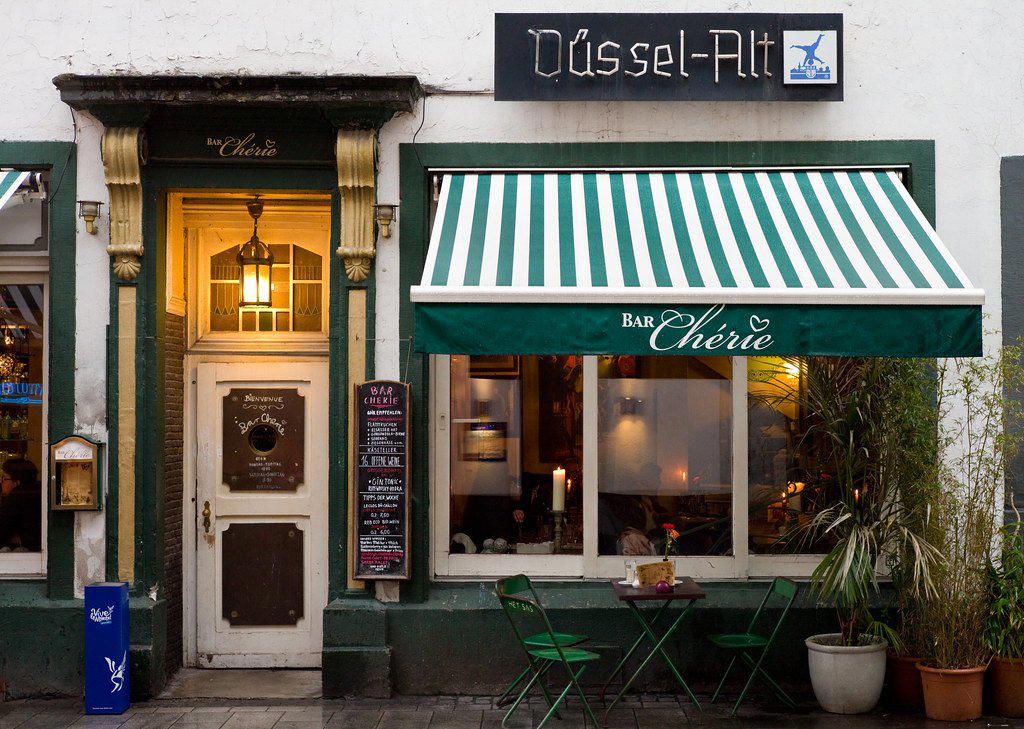
Restaurants in Düsseldorf
Browse all →
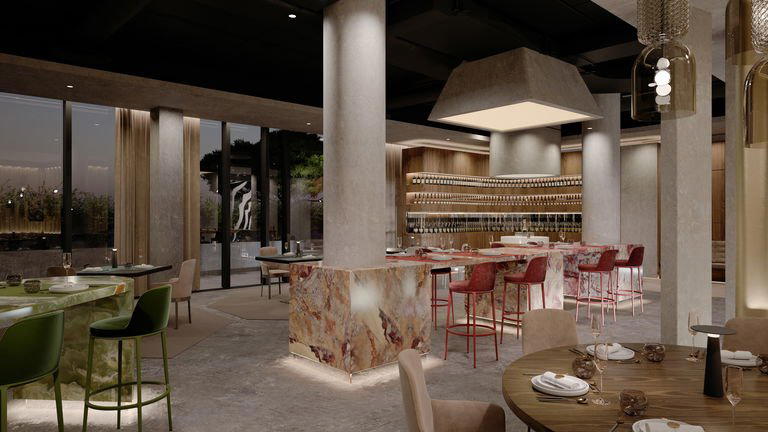
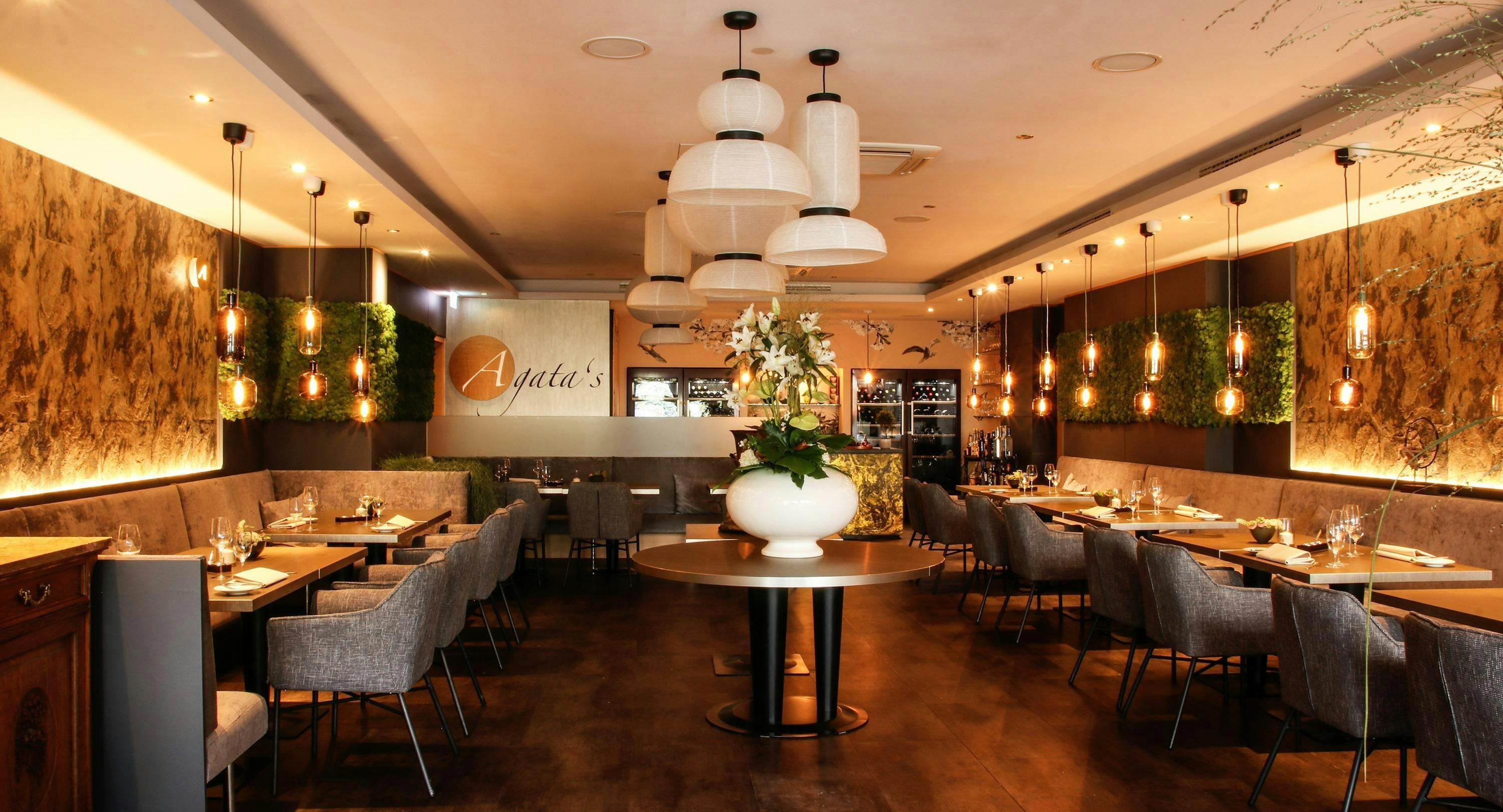
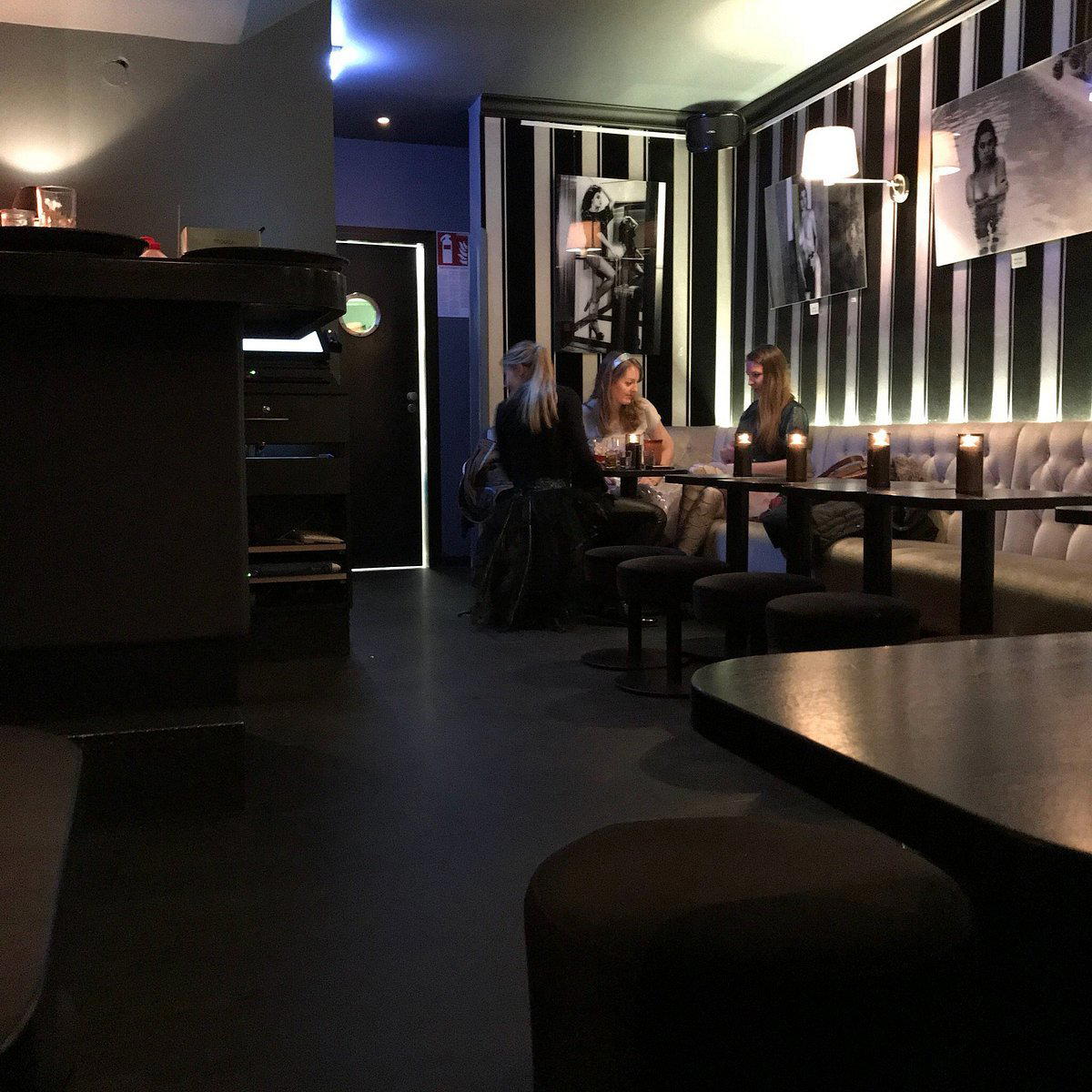
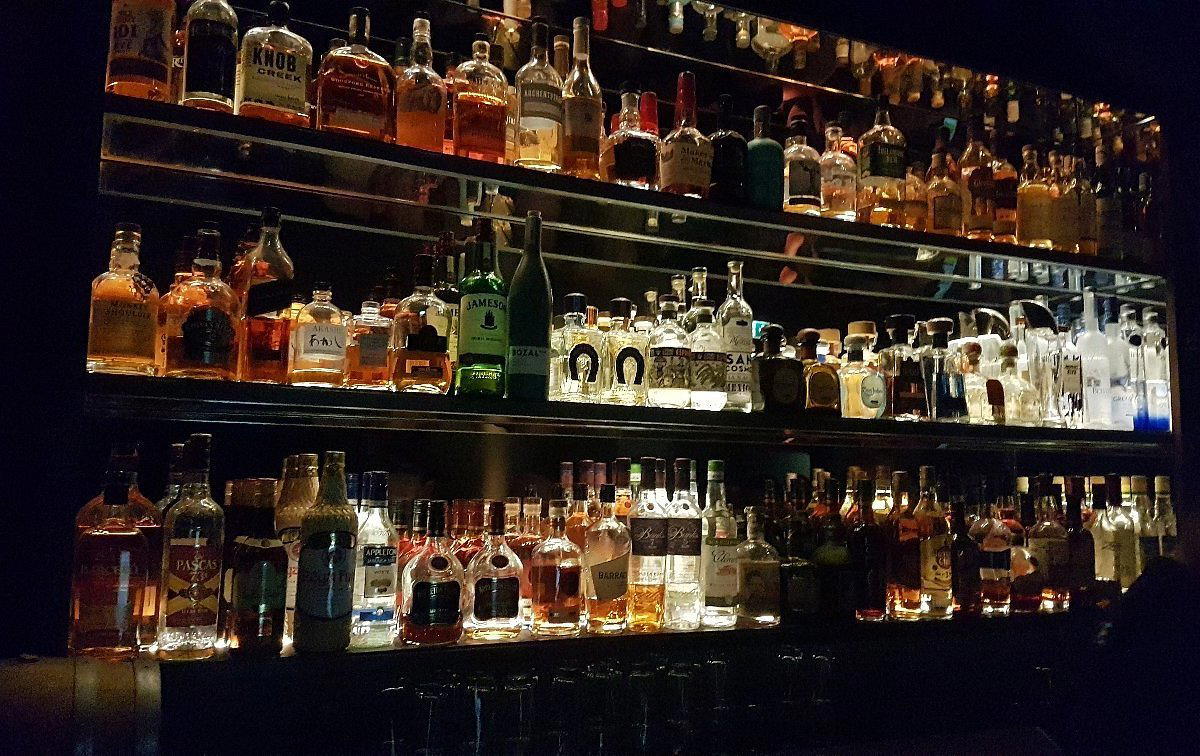
Bars in Düsseldorf
Browse all →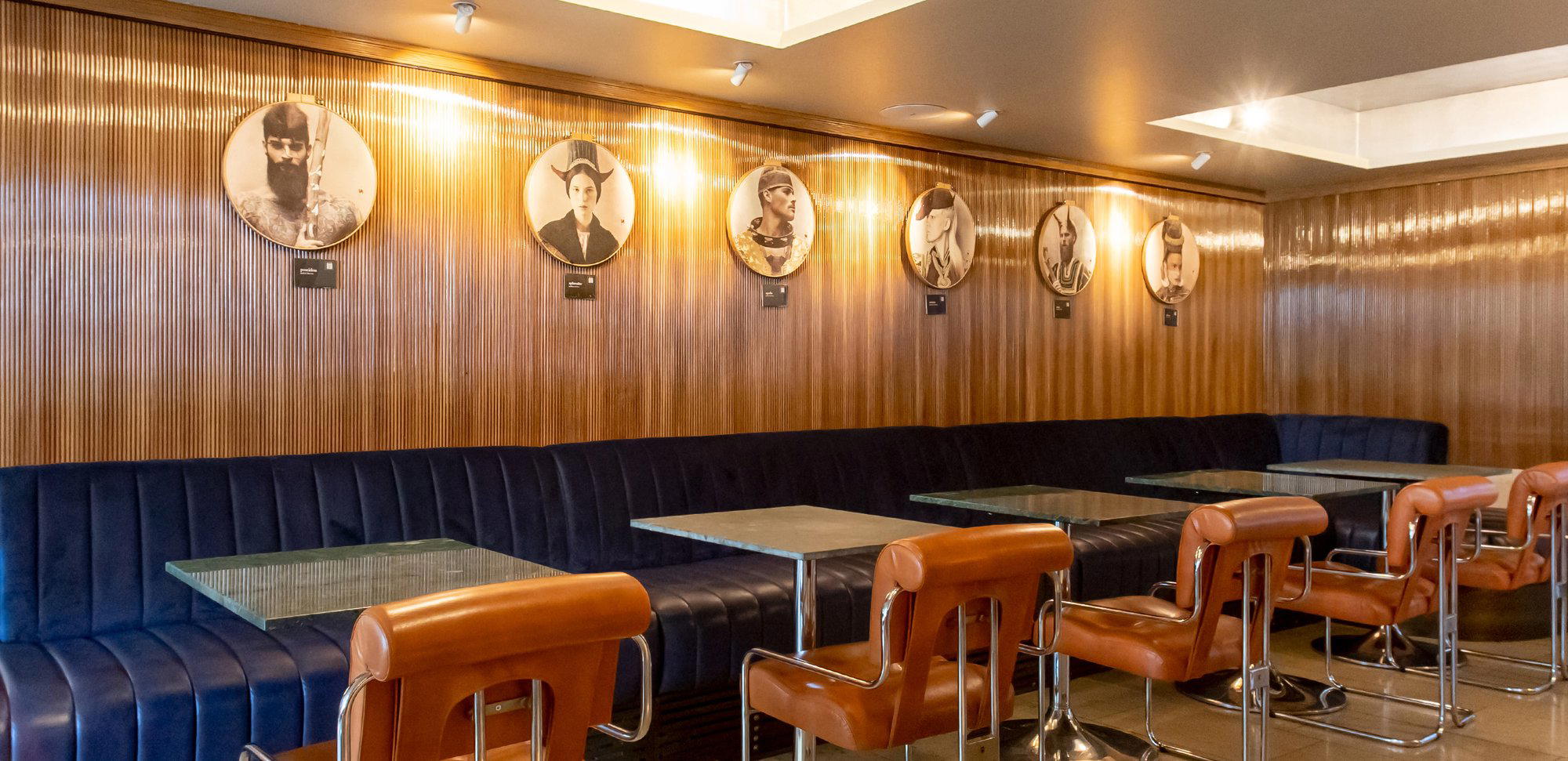
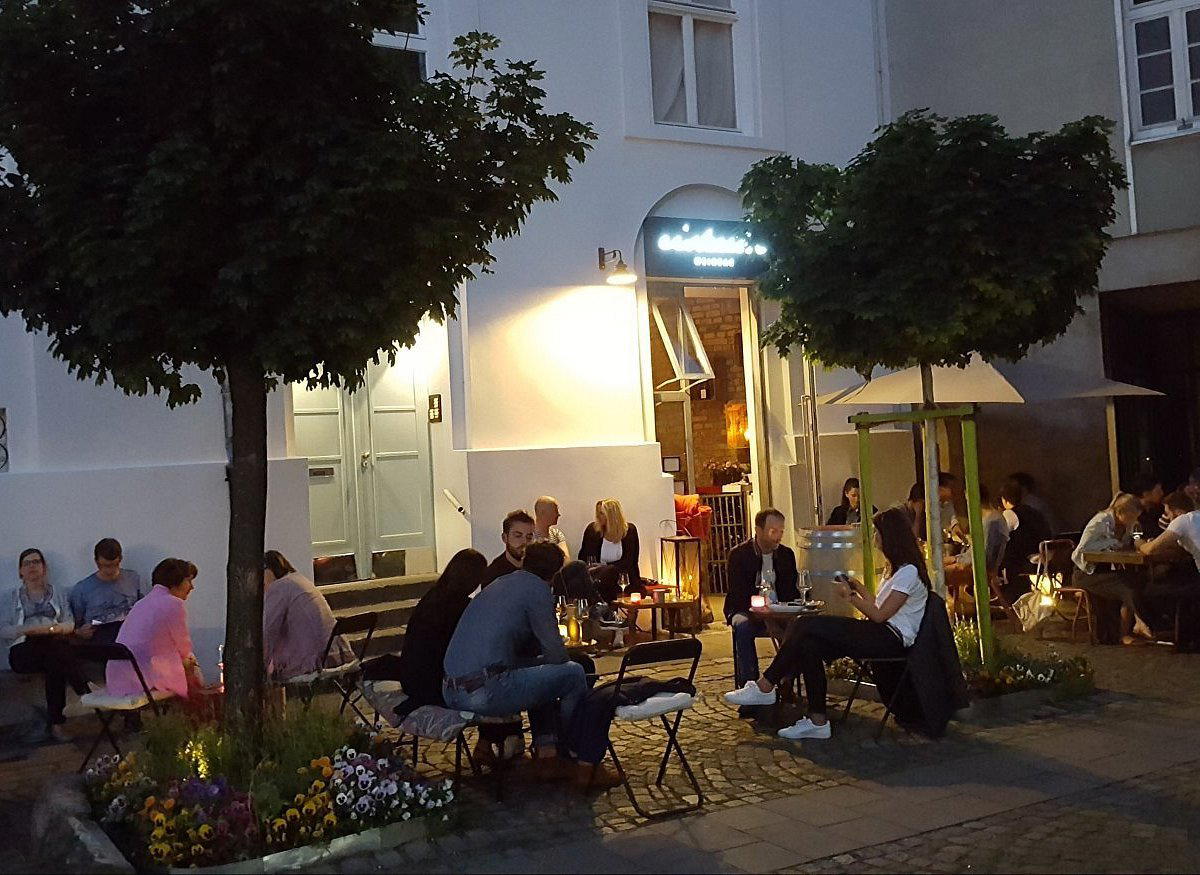
Hotels in Düsseldorf
Browse all →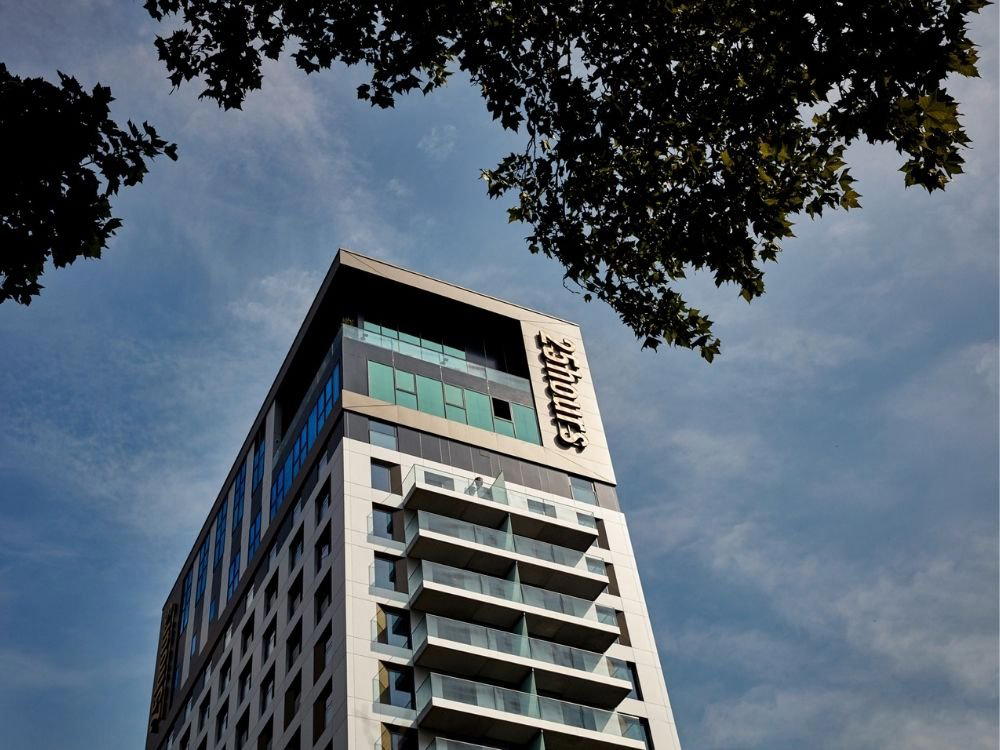
Wineries in Düsseldorf
Browse all →
At a Glance
- Elegant
- Intimate
- Modern
- Date Night
- Special Occasion
- Standalone
- Local Sourcing
Current opening hours
- Monday
- Closed
- Tuesday
- 5:30 PM–12 AM
- Wednesday
- 5:30 PM–12 AM
- Thursday
- 5:30 PM–12 AM
- Friday
- 5:30 PM–1 AM
- Saturday
- 5:30 PM–1 AM
- Sunday
- 5:30 PM–12 AM
Hours can change for holidays and private events. Last verified .
Intimate setting with Mediterranean lightness and fresh, uncomplicated presentation reflecting careful culinary attention.
Know Before You Go
- Getting there
- Blücherstraße 53, 40477 Düsseldorf, Germany