thewaytonapoli
The Way to Napoli on Grafenberger Allee brings Neapolitan pizza tradition to Düsseldorf's Grafenberg neighbourhood, drawing a loyal local following that returns week after week. The format is direct Italian, the kind of place where the regulars have a preferred table and the kitchen knows what they drink. For Düsseldorf's Italian dining scene, it represents the neighbourhood end of the spectrum rather than the fine-dining tier.
Pearl is the En Primeur Club membership app — saves, bookings, and concierge access live there. Same editors, same standards.
- Address
- Grafenberger Allee 67, 40237 Düsseldorf, Germany
- Phone
- +4921138732191
- Website
- thewaytonapoli.de
- Directions
- Get directions
 Saves & bookings on Pearl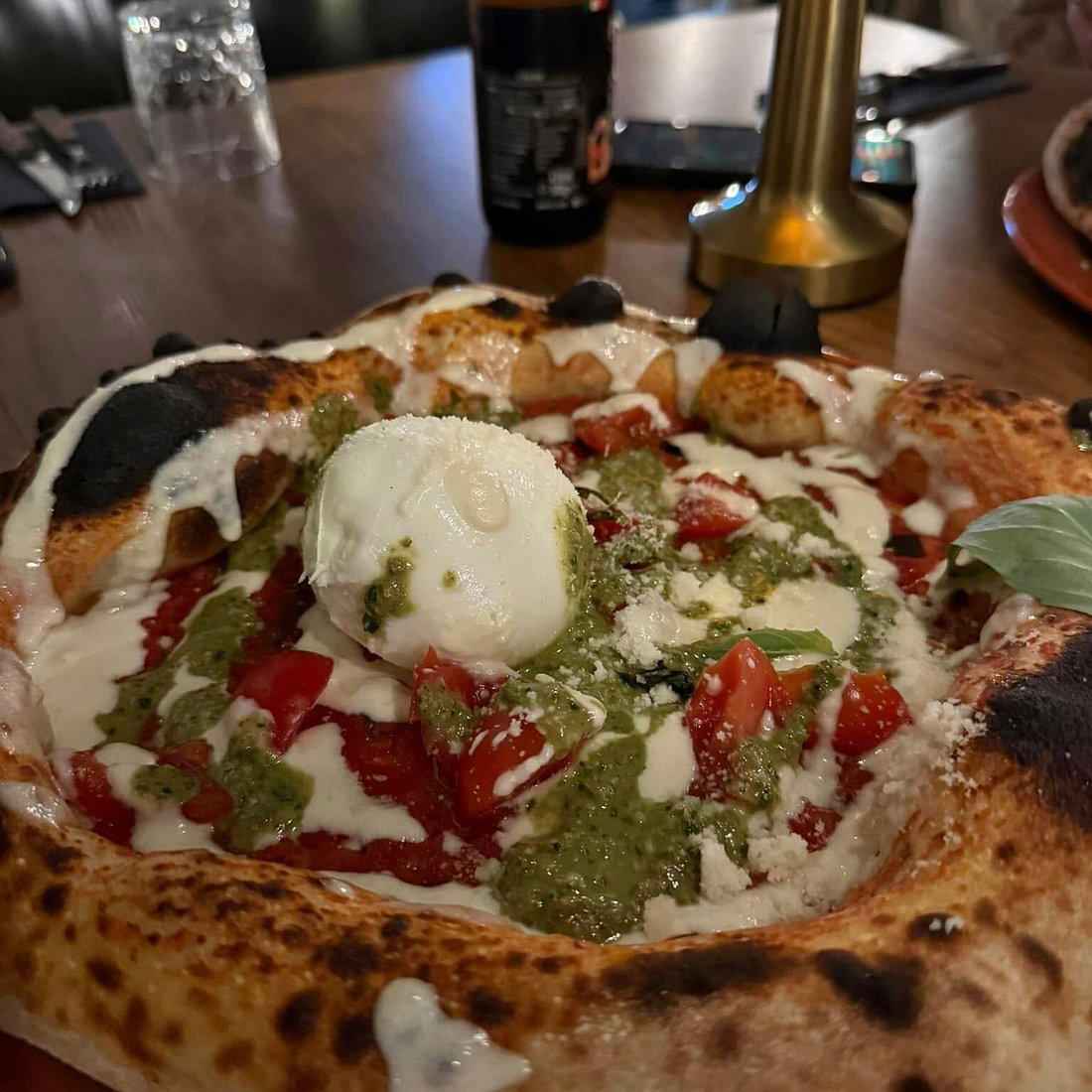
What the Regulars Know About Grafenberg's Neapolitan Spot
On Grafenberger Allee, a stretch of Düsseldorf that runs northeast from the city centre toward the wooded Grafenberg park, the neighbourhood restaurant format still holds. This is not the Altstadt's tourist corridor or Carlstadt's gallery-adjacent dining room, it is a residential quarter where people eat close to home, return to the same places, and develop the kind of familiarity with a kitchen that only regulars accumulate. The Way to Napoli sits in that context: a Neapolitan-focused address on a street that sees more locals than visitors, more midweek dinners than weekend destination dining.
Neapolitan pizza in Germany occupies a well-defined tier. At one end, the high-volume Italians that serve the broadest possible audience; at the other, a smaller cohort of addresses that treat dough fermentation, flour sourcing, and oven temperature as the primary variables rather than secondary concerns. The Way to Napoli's name signals its orientation clearly, toward the southern Italian tradition rather than the Roman or northern hybrid formats that populate much of Germany's Italian restaurant scene. That positioning, in a city with a large Italian-heritage community and a well-travelled dining public, creates a specific kind of loyal following: people who know what they are looking for and come back when they find it.
The Neighbourhood and Why It Matters
Grafenberg is the kind of Düsseldorf neighbourhood that does not appear prominently in city dining guides. It lacks the concentration of high-profile restaurants found in Bilk or the Medienhafen, and it does not generate the editorial attention of the Altstadt. What it has is a stable, residential character, owner-occupied apartments, a cycling culture, proximity to Grafenberger Wald, and a dining scene built around neighbourhood loyalty rather than destination traffic. A restaurant on Grafenberger Allee succeeds by earning repeat visits from people who live within walking distance, not by capturing tourists or business diners.
That dynamic shapes how a place like The Way to Napoli functions. The measure of success is not covers per night but the depth of the relationship with a fixed local audience. In Italian restaurant culture, this is a recognisable model: the neighbourhood trattoria that survives not on novelty but on consistency, on the fact that the regulars know the menu well enough to order without looking at it.
For Düsseldorf's broader dining scene, the full picture spans from neighbourhood Italians like this to three-Michelin-star operations further afield. Readers planning a wider German fine-dining trip might look at Aqua in Wolfsburg or Vendôme in Bergisch Gladbach for the upper tier, while the city's own Italian and casual dining scene provides a different kind of value entirely. See our full Dusseldorf restaurants guide for broader context across categories.
What Keeps Regulars Returning
The regulars' perspective on a Neapolitan pizza address is usually instructive. In the tradition, the pizza itself is the test, specifically the cornicione (the raised crust edge), which should show char marks from the high-temperature oven, air pockets from proper fermentation, and a texture that is simultaneously crisp and yielding. A kitchen that handles this correctly will earn loyalty from diners who care about the distinction; one that does not will see those same diners migrate to wherever the standard is held.
Beyond the pizza, the Neapolitan model includes a supporting cast that regulars often know better than first-time visitors: the antipasti, the fritti, the choice of San Marzano-based sauces versus white bases, the wine list's lean toward southern Italian producers. These are the unwritten menu items that a loyal clientele accumulates knowledge of over time. The rhythm of a neighbourhood Italian, where you sit, what you drink before the food arrives, which dishes rotate and which do not, is something that takes several visits to understand properly.
In Düsseldorf's casual dining scene, The Way to Napoli sits alongside a range of neighbourhood addresses across different cuisines. The city's dining diversity at the casual end includes addresses like Alanya Döner, Anfora, and Arca Alacati, each with its own loyal following in specific neighbourhoods. The Italian category, in particular, rewards this kind of neighbourhood specialisation: a city like Düsseldorf, with its significant Italian community and long history of Italian immigration to the Rhineland industrial cities, has developed a sophisticated Italian dining public that can distinguish between formats.
Italian Dining in Düsseldorf: The Broader Picture
Germany's relationship with Italian cuisine is long and specific. The postwar Gastarbeiter migration brought significant Italian communities to cities like Düsseldorf, Cologne, and Frankfurt, and the Italian restaurant as a fixture of German neighbourhood life predates the current interest in regional Italian specificity by several decades. What has changed is the level of differentiation: where a 1970s or 1980s Italian restaurant in Germany served a broadly recognisable menu regardless of the owner's regional origin, the current generation is more likely to flag its specific regional identity, Neapolitan, Sicilian, Pugliese, and to make that specificity a part of its offer.
The Neapolitan pizza tradition, in particular, has seen formalisation through bodies like the Associazione Verace Pizza Napoletana, which sets standards for dough composition, fermentation time, oven temperature (485°C minimum), and cooking time (60-90 seconds). Whether any given Neapolitan-named restaurant adheres to these standards or uses the name loosely is always the operative question for a knowledgeable diner. The regulars at a place like The Way to Napoli will have formed their own view on this over time.
For those interested in tracing how Italian wine and food culture intersects with Düsseldorf's dining scene, Amuni Wein- und Käsebar represents the wine-bar end of the Italian spectrum in the city, while 3h's burger & chicken and Anfora show how Düsseldorf's casual dining scene diversifies across formats. Elsewhere in Germany, the fine-dining tier runs through addresses like JAN in Munich, Schwarzwaldstube in Baiersbronn, CODA Dessert Dining in Berlin, ES:SENZ in Grassau, Victor's Fine Dining by Christian Bau in Perl, Waldhotel Sonnora in Dreis, Restaurant Haerlin in Hamburg, and Schanz in Piesport. Internationally, Le Bernardin in New York City and Atomix in New York City represent the kind of precision-format dining that sits at the opposite end of the spectrum from a Grafenberg neighbourhood Italian.
Know Before You Go
| Address | Grafenberger Allee 67, 40237 Düsseldorf, Germany |
|---|---|
| Cuisine | Neapolitan / Italian |
| Neighbourhood | Grafenberg, Düsseldorf |
| Reservations | |
| Getting There | Grafenberger Allee is accessible by tram from central Düsseldorf; the address sits northeast of the city centre |
| Context | Neighbourhood Italian format; suited to repeat visits rather than single destination dining |
Reputation Context
Comparable venues nearby, for context on price, style, and recognition.
| Venue | Cuisine | Price | Notes |
|---|---|---|---|
| thewaytonapoliThis venue — the venue you are viewing | Neapolitan Pizza | $$$ | Not listed |
| Primitivo | Authentic Italian Ristorante & Weinbar | $$$ | Pempelfort |
| Pitti Cucina Italiana | Modern Italian Trattoria | $$$ | Altstadt |
| The Paradise Now | International Fusion | $$$ | Hafen |
| Reef and Beef Düsseldorf | Steakhouse & Seafood | $$$ | Pempelfort |
| Staudi’s Restaurant | Modern German Vegetarian Fine Dining | $$$ | Derendorf |
Continue exploring
More in Düsseldorf
Restaurants in Düsseldorf
Browse all →
Bars in Düsseldorf
Browse all →
At a Glance
- Rustic
- Modern
- Cozy
- Casual Hangout
- Date Night
- Family
- Open Kitchen
Current opening hours
- Monday
- 12–10 PM
- Tuesday
- 12:30–10 PM
- Wednesday
- 12–10 PM
- Thursday
- 12–10 PM
- Friday
- 12–11 PM
- Saturday
- 12–11 PM
- Sunday
- 2–10 PM
Hours can change for holidays and private events. Last verified .
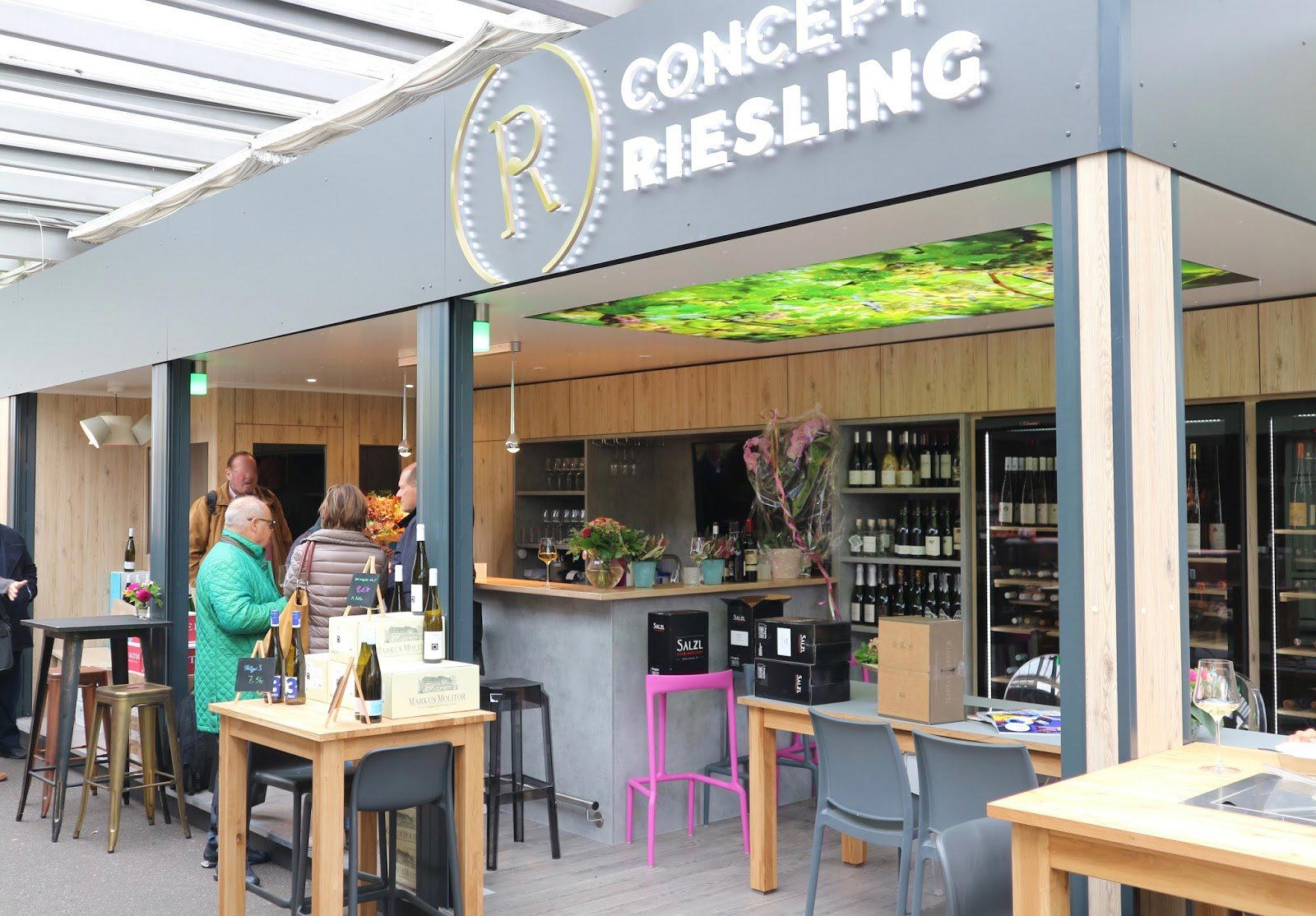
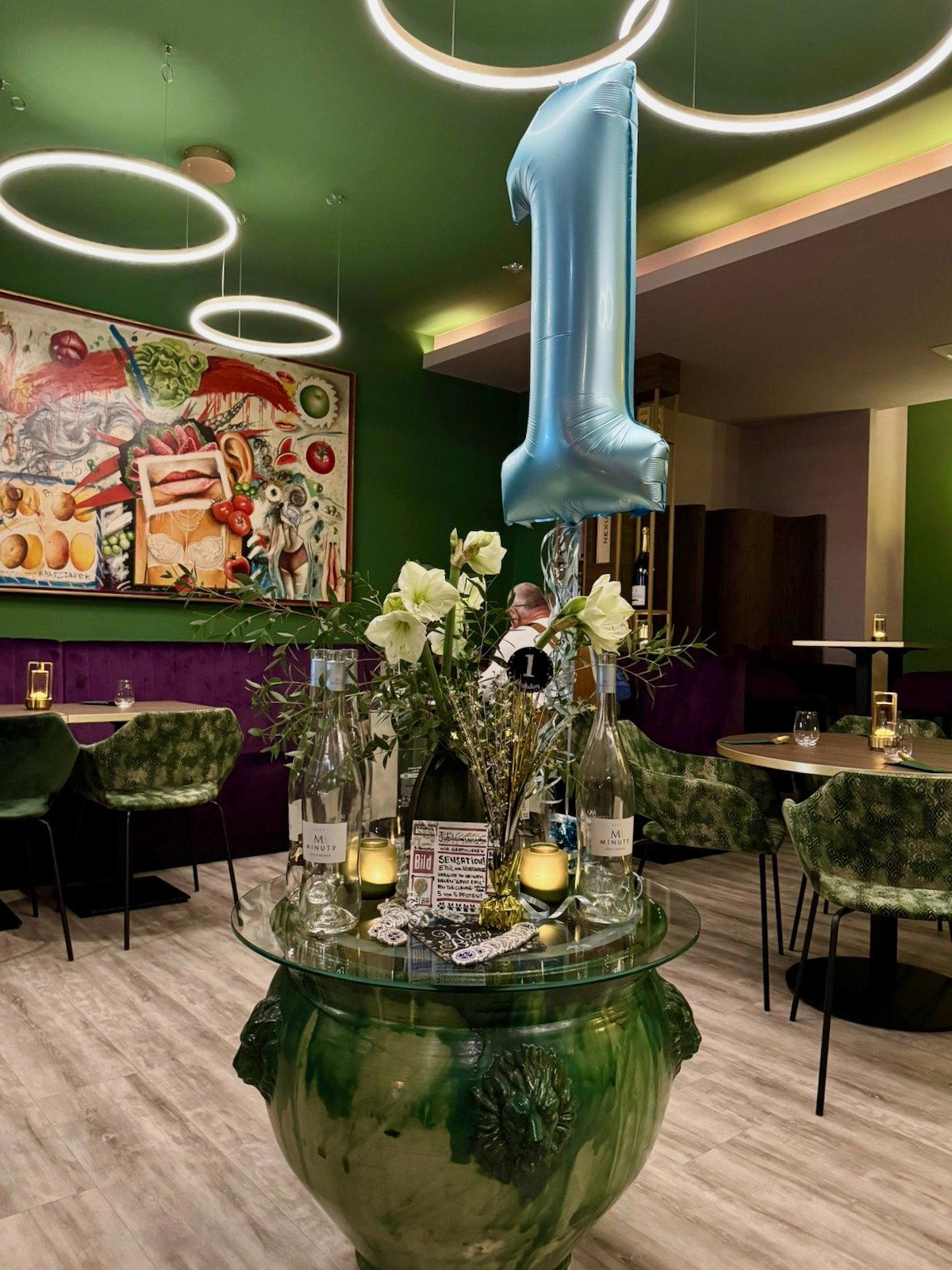
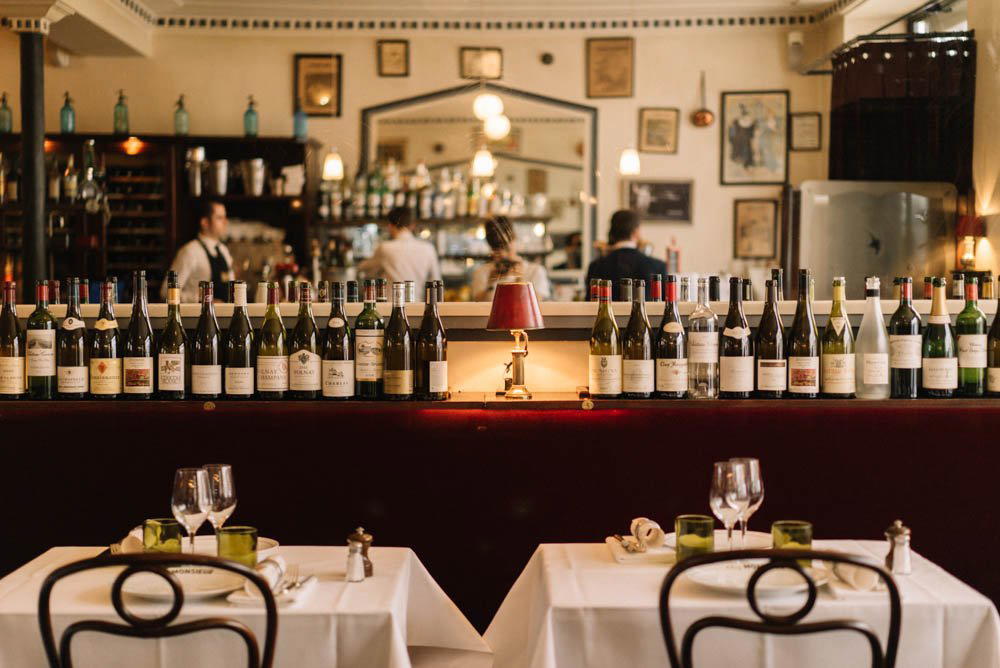
Modern yet rustic setting with an open kitchen that evokes the welcoming Napoli feeling.