Amuni Wein- und Käsebar
A wine and cheese bar on Liefergasse in Düsseldorf's Altstadt, Amuni pairs European wine culture with the slow, deliberate pleasure of aged cheese. The format sits within a broader shift in German bar culture toward produce-led, conversation-paced drinking. Visitors with an interest in continental wine and dairy traditions will find the combination well-suited to an unhurried evening in the city's historic quarter.
Pearl is the En Primeur Club membership app — saves, bookings, and concierge access live there. Same editors, same standards.
- Address
- Liefergasse 9, 40213 Düsseldorf, Germany
- Phone
- +491625171826
- Website
- amuniwinebar.de
- Directions
- Get directions
 Saves & bookings on Pearl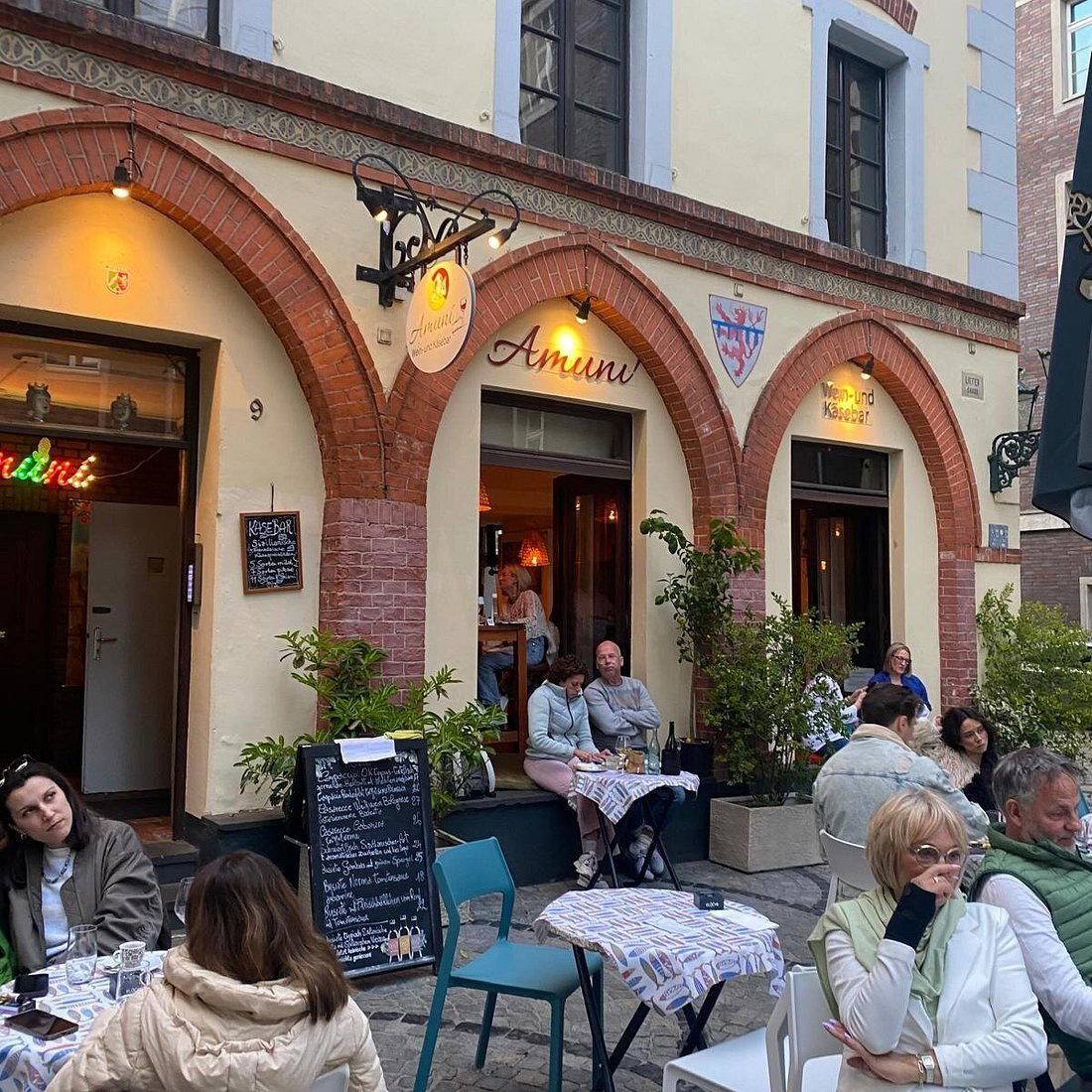
Wine, Cheese, and the Culture Behind the Counter
Liefergasse is one of those narrow Altstadt lanes that narrows your attention as you walk it, the cobblestones and tight building lines pulling focus down to the street level rather than up at facades. It is the kind of address that rewards venues with a specific, unhurried proposition, and Amuni Wein- und Käsebar occupies that register. Amuni Wein- und Käsebar is a Sicilian Wine & Cheese Bar in Düsseldorf, priced at about $35 per person. The format, wine paired with cheese, is one of continental Europe's oldest and most considered drinking rituals, and the bar-format setting places it squarely within Düsseldorf's growing interest in produce-led, lower-intervention evening venues.
The wine-and-cheese pairing tradition has deep roots across France, Italy, and the German-speaking world, where it long preceded the modern restaurant. For centuries, wine merchants sold alongside local dairy producers, and the combinations that emerged were shaped by geography as much as gastronomy: the wines and cheeses of a region tended to harmonise because they were produced by the same soils, climates, and agricultural practices. A bar that takes this seriously is not offering a novelty format; it is recovering a pre-restaurant logic that the modern dining industry largely set aside in favour of full kitchen operations.
Where Amuni Sits in Düsseldorf's Drinking Scene
Düsseldorf's bar culture has historically been defined by its Altbier tradition, a top-fermented, copper-coloured beer that the city's Altstadt brewhouses have served continuously for well over a century. Wine bars have existed alongside that tradition, but the more focused format of wine-and-cheese specialist bars represents a smaller, more recent niche. Across Germany's larger cities, this format has expanded steadily over the past decade, driven partly by a broader European interest in natural and low-intervention wines, which tend to pair well with aged and semi-aged cheeses because both rely on ambient microbiological activity for their character.
Amuni sits within that specialist tier. The address at Liefergasse 9 places it in the Altstadt core, which means it draws from both the neighbourhood's high-footfall evening crowds and from the smaller subset of visitors looking for something more deliberate than a Kölsch or a Pils. The venue's name, Amuni, carries phonetic traces of southern European and Mediterranean naming conventions, which may signal a wine selection that looks beyond the Rhine and Mosel toward Italian or Iberian producers, though the specifics of the list are best confirmed directly with the venue.
For visitors comparing options in this part of the city, the Altstadt also contains dining rooms ranging from Turkish specialists like Alanya Döner and Arca Alacati to Greek-influenced kitchens like Askitis greekcuisine and Italian-leaning Anfora. The wine-and-cheese bar format occupies a different lane entirely, one oriented toward slower consumption and conversation rather than a structured meal.
The Cultural Logic of the Wine-and-Cheese Format
There is a reason the wine-and-cheese bar has proven durable across European cities while other specialist formats have come and gone. The format makes almost no demands on the visitor: there is no prescribed order of courses, no tasting menu to commit to, no timeline. You arrive, you select, you stay as long as the glass and the conversation carry you. The social contract of the wine bar is fundamentally different from that of the tasting-menu restaurant, where the kitchen controls the pace.
For cheese specifically, Germany has a complicated relationship with its own dairy tradition. While France and Italy have codified hundreds of protected designation cheeses, German cheese culture is less globally prominent, though no less serious at the regional level. A well-curated cheese bar in a German city will often import from France (Comté, Époisses, Roquefort), Italy (Parmigiano-Reggiano, Taleggio, Pecorino), Switzerland (Gruyère, Raclette), and occasionally from smaller domestic producers. The selection on any given night is as much a curatorial act as a culinary one.
Wine selection in this format typically prioritises producers whose wines have enough character to hold their own alongside strong dairy flavours. That tends to mean medium-to-full-bodied whites with some oxidative or phenolic grip, lighter reds with high acidity, and in many cases, natural or low-sulphur wines whose textural complexity complements aged rinds. German wine culture contributes its own strengths here: Riesling, particularly from the Mosel and Nahe, has a structural acidity that cuts through fat with precision. Whether Amuni emphasises German producers or draws from a broader European range is worth asking at the venue.
Germany's Broader Fine Dining Context
Visitors using Düsseldorf as a base for wider exploration of Germany's restaurant scene will find many reference points at the upper end of the market. Across the country, venues like Schwarzwaldstube in Baiersbronn, Aqua in Wolfsburg, and Vendôme in Bergisch Gladbach represent the formal tasting-menu end of German gastronomy. Others like JAN in Munich, CODA Dessert Dining in Berlin, ES:SENZ in Grassau, Schanz in Piesport, Waldhotel Sonnora in Dreis, and Victor's Fine Dining by Christian Bau in Perl occupy various positions across the country's Michelin-recognised tier. At the international level, Le Bernardin in New York City and Lazy Bear in San Francisco illustrate how the produce-led, tasting-format approach plays out in different markets. And closer to Düsseldorf, Restaurant Haerlin in Hamburg anchors the northern German fine dining conversation.
Amuni operates in a different register from all of these, but it belongs to the same broader ecosystem of venues that take the sourcing and presentation of European food and drink seriously. A wine-and-cheese bar done with conviction requires as much supplier knowledge and selection discipline as a formal tasting menu, the difference is that the curation is transparent and the guest assembles the experience themselves.
Planning Your Visit
Amuni Wein- und Käsebar is located at Liefergasse 9 in Düsseldorf's Altstadt. The Altstadt is well-served by the city's Strassenbahn network, and the area is walkable from Düsseldorf Hauptbahnhof in under twenty minutes. Given the bar format and the Altstadt's general character as an evening destination, visits are most natural from early evening onward. Amuni is recommended for reservations and is open Wednesday 5 to 11:30 PM, Thursday 5 to 11:30 PM, Friday 5 PM to 1 AM, Saturday 4 PM to 1 AM, and Sunday 6 to 9:30 PM.
Booking and Cost Snapshot
Comparable venues nearby, for context on price, style, and recognition.
| Venue | Cuisine | Price | Notes |
|---|---|---|---|
| Amuni Wein- und KäsebarThis venue — the venue you are viewing | Altstadt, Sicilian Wine & Cheese Bar | $$ | Not listed |
| Pizza | Friedrichstadt, Italian Pizza | $$ | Not listed |
| G. Saitta | Not listed | $$$ | Kaiserswerth, Authentic Italian Tuscan & Central-Italian |
| Primitivo | Not listed | $$$ | Pempelfort, Authentic Italian Ristorante & Weinbar |
| Principale Pizzabar | Flingern Nord, Italian Pizza and Pasta | $$ | Not listed |
| Ham Ham bei Josef | Not listed | $$ | Altstadt, Traditional German Schweinshaxe |
Continue exploring
More in Düsseldorf
Restaurants in Düsseldorf
Browse all →
Bars in Düsseldorf
Browse all →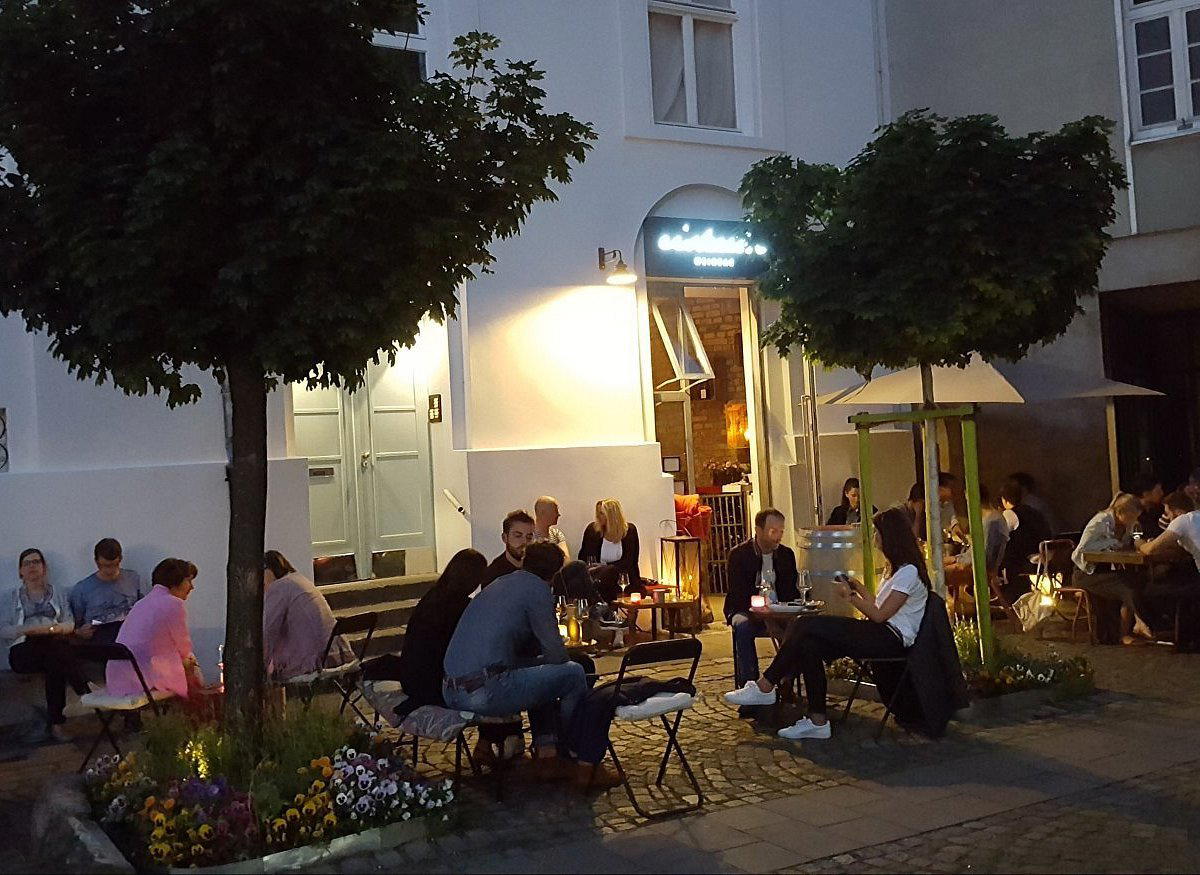
At a Glance
- Cozy
- Intimate
- Rustic
- Date Night
- Casual Hangout
- Late Night
- Terrace
- Historic Building
- Live Music
- Extensive Wine List
- Natural Wine
- Street Scene
Current opening hours
- Monday
- Closed
- Tuesday
- Closed
- Wednesday
- 5–11:30 PM
- Thursday
- 5–11:30 PM
- Friday
- 5 PM–1 AM
- Saturday
- 4 PM–1 AM
- Sunday
- 6–9:30 PM
Hours can change for holidays and private events. Last verified .
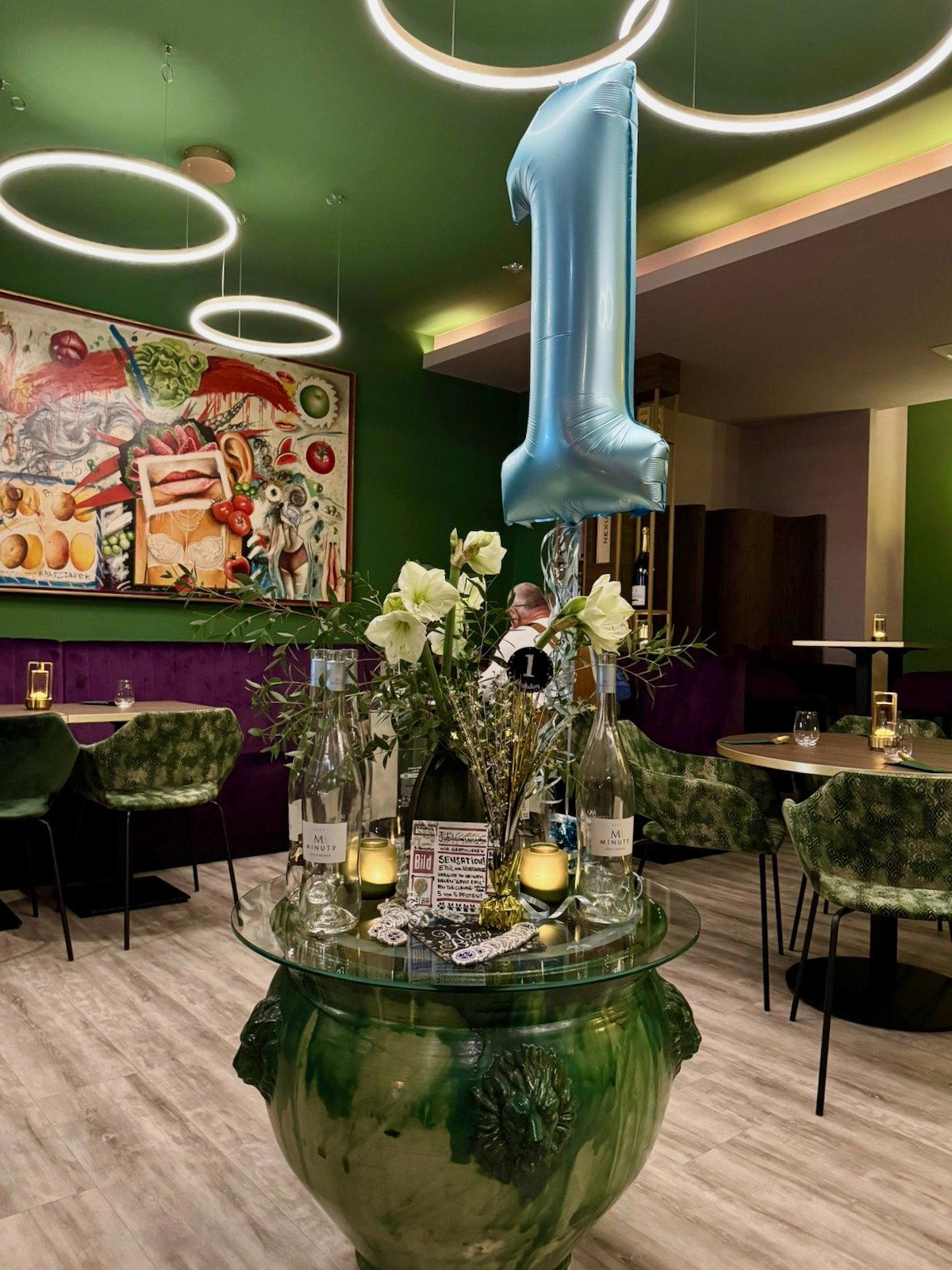
Lovingly designed Sicilian-inspired interior with warm hospitality and lively terrace atmosphere.