il punto
Our verdict
On Mühlenstraße in Düsseldorf's Altstadt-adjacent corridor, il punto occupies a stretch of the city where Italian restaurants compete on authenticity rather than novelty. It sits closer to the trattoria tradition than the modern Italian wave sweeping larger German cities, making it a reference point for those who measure Italian cooking in Düsseldorf against regional sincerity rather than creative ambition.

Pearl is the En Primeur Club membership app, where members save venues, book tables and use the concierge.
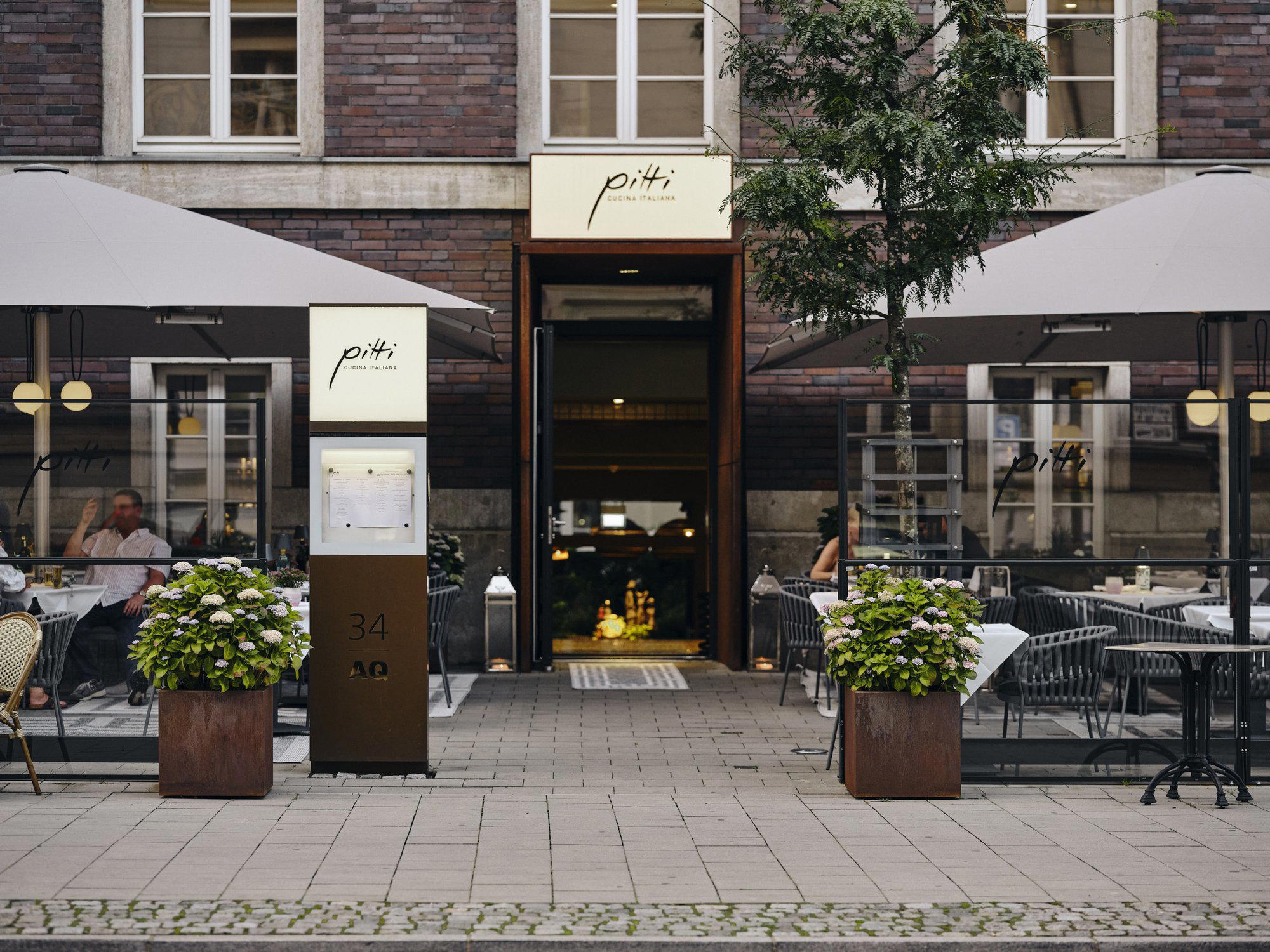
Where Mühlenstraße Meets the Mainland Italian Table
Düsseldorf's relationship with Italian cooking is longer and more layered than most German cities care to admit. The postwar labour migration that shaped communities in the Rhine-Ruhr region left behind a culinary infrastructure that still runs deeper than tourist menus and pizza chains. Mühlenstraße 34 sits within a short walk of the Altstadt's northern edge, in a part of the city where the restaurant density is high but the quality tier shifts noticeably depending on which block you choose. This is not the gallery-district dining of Pempelfort or the self-consciously modern rooms of the Medienhafen waterfront. It is an older, denser urban fabric, and il punto reads as a product of that environment.
The house sums up its kitchen as la cucina italiana, semplice e genuina, which places it with a generation of Italian restaurants in Germany that leaned into regional authenticity rather than fusion or reinvention. It sits in the same semantic register as the trattoria model that defined Italian dining in northern Europe through the 1980s and 1990s, when the measure of a good Italian restaurant was proximity to a grandmother's kitchen rather than a chef's tasting menu. Whether the kitchen at il punto delivers on that promise with full conviction is a question leading answered by visiting on a midweek evening, when the room is running at pace and the kitchen's real habits show through.
Reading the Room: Atmosphere Along the Rhine Italian Circuit
In cities like Düsseldorf, Frankfurt, and Munich, the Italian restaurant category has fragmented sharply over the past decade. At one end, a small number of high-investment Italian fine-dining addresses compete with German Michelin-starred rooms. Operations like Aqua in Wolfsburg, JAN in Munich, and Schwarzwaldstube in Baiersbronn represent the ambition end of German dining, where Italian influence often threads through at an ingredient or technique level. At the other end, fast-casual formats and delivery-oriented operations have absorbed the lower price tier almost entirely. il punto occupies neither extreme. It reads as a mid-market trattoria format, the kind that competes primarily on regulars rather than destination diners.
That middle tier is where Düsseldorf's Italian dining scene does much of its real cultural work. A city of roughly 620,000 people, Düsseldorf has a diversified restaurant population that includes Alanya Döner for Turkish fast food, Arca Alacati for modern Aegean cooking, and Anfora for Spanish-influenced formats. The Italian tier specifically tends to be judged in Düsseldorf by pasta execution, sourcing transparency, and whether the wine list reflects any genuine attention to Italian regional producers rather than defaulting to supermarket-familiar labels.
The Sensory Register of a Neighbourhood Italian
The experience of a well-run neighbourhood Italian in a German city carries particular sensory signatures. The smell of a proper soffritto, the sound of a dining room pitched at conversation rather than performance, the visual texture of handwritten daily specials, these are the signals that differentiate a kitchen with genuine Italian formation from one that has copied the surface vocabulary. On Mühlenstraße, the surrounding streetscape is functional rather than picturesque: ground-floor retail, residential above, the ambient noise of a working-class artery running close to the old town. What happens inside a restaurant in this setting matters more than what surrounds it.
Italian cooking at the trattoria register depends heavily on timing and temperature. Pasta served at the correct moment, sauce reduced to the right consistency, bread warm enough to be relevant rather than obligatory, these are not small things. They are the difference between a room that feels cared for and one that is merely operational. Düsseldorf diners who eat regularly in this corridor develop strong opinions quickly. The city's dining culture, while less internationally profiled than Berlin's or Hamburg's, is genuinely critical at the local level. For context on Germany's higher-end dining tier, Vendôme in Bergisch Gladbach, Victor's Fine Dining by Christian Bau in Perl, and Waldhotel Sonnora in Dreis set the benchmark against which all serious German kitchens are measured. il punto operates several tiers below that altitude, but that does not make its execution less consequential to the people who eat there regularly.
Placing il punto in Düsseldorf's Broader Dining Map
Düsseldorf rewards systematic exploration rather than one-off visits. The city's restaurant geography clusters differently from what visitors expect: the Altstadt's famous kilometre of bars gives way quickly to more serious dining rooms on its perimeter. Mühlenstraße is part of that perimeter band, running close enough to the action to benefit from foot traffic but far enough to attract a neighbourhood clientele rather than a purely tourist one. Other addresses in the city's casual international tier include Amuni Wein- und Käsebar, which approaches Italian product through a wine-and-cheese lens, and 3h's burger & chicken at the fast-casual end of the scale. Our full Düsseldorf restaurants guide maps the city's dining tiers in detail.
For those comparing Düsseldorf's Italian options against Germany's broader Italian fine-dining tier, the reference set extends internationally. Le Bernardin in New York City and Atomix in New York City represent the upper register of committed tasting-menu cooking. CODA Dessert Dining in Berlin and ES:SENZ in Grassau show what serious German kitchens do at the creative frontier. Restaurant Haerlin in Hamburg and Schanz in Piesport fill out the northern and western German fine-dining picture. il punto does not compete in those registers, nor does it try to.
Planning a Visit
il punto is located at Mühlenstraße 34, 40213 Düsseldorf. The address places it within the central postcode, accessible on foot from the Altstadt and reachable by tram from the Hauptbahnhof in under ten minutes. German Italian restaurants at this format level typically operate across lunch and dinner service, with dinner seeing higher demand on Thursday through Saturday. The Mühlenstraße corridor is leading approached in the early evening, when the street quiets from its daytime commercial pace and restaurant rooms begin to fill from the neighbourhood inward.
Frequently asked questions
What should I order at il punto?
Do I need a reservation for il punto?
What is il punto leading at?
Is il punto allergy-friendly?
Does il punto justify its prices?
How does il punto compare to other Italian options in Düsseldorf's Altstadt area?
Just the Basics
Comparable venues nearby, for context on price, style, and recognition.
| Venue | Cuisine | Price | Notes |
|---|---|---|---|
| il puntoThis venue (the venue you are viewing) | Modern Italian Trattoria | $30–50 | Not listed |
| Salt. | Mediterranean | Not listed | Pempelfort, Mediterranean |
| Primitivo | Authentic Italian Ristorante & Weinbar | $50–100 | Pempelfort, Authentic Italian Ristorante & Weinbar |
| Trattoria Carissima | Italian Trattoria | $20–30 | Oberkassel, Italian Trattoria |
| Zerogradi | Modern Italian Pizzeria & Pinsa | $10–20 | Pempelfort, Modern Italian Pizzeria & Pinsa |
| The Paradise Now | International Fusion | Not listed | Hafen, International Fusion |
Continue exploring
More in Düsseldorf
Restaurants in Düsseldorf
All restaurants in Düsseldorf →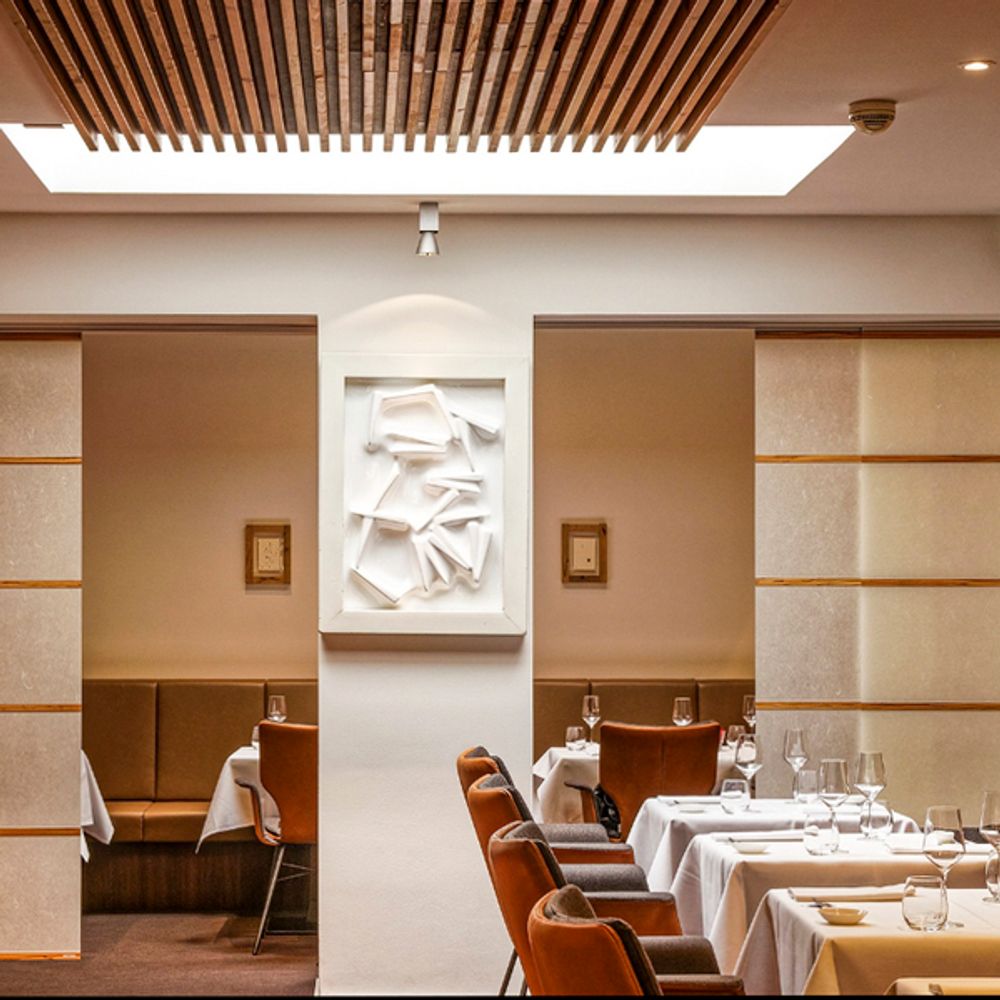
Bars in Düsseldorf
All bars in Düsseldorf →
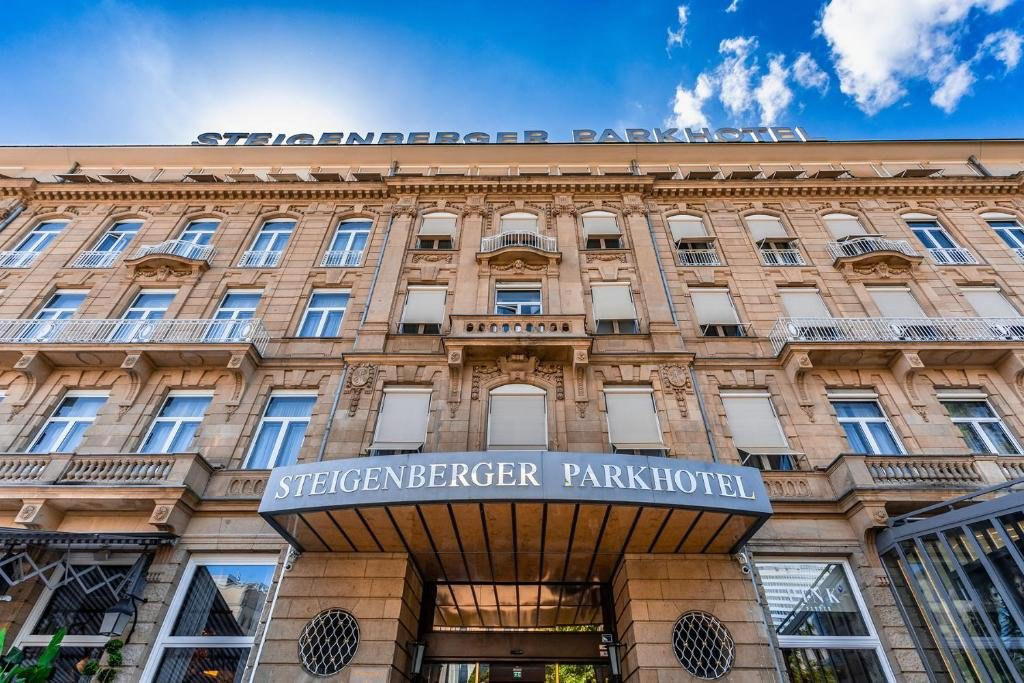
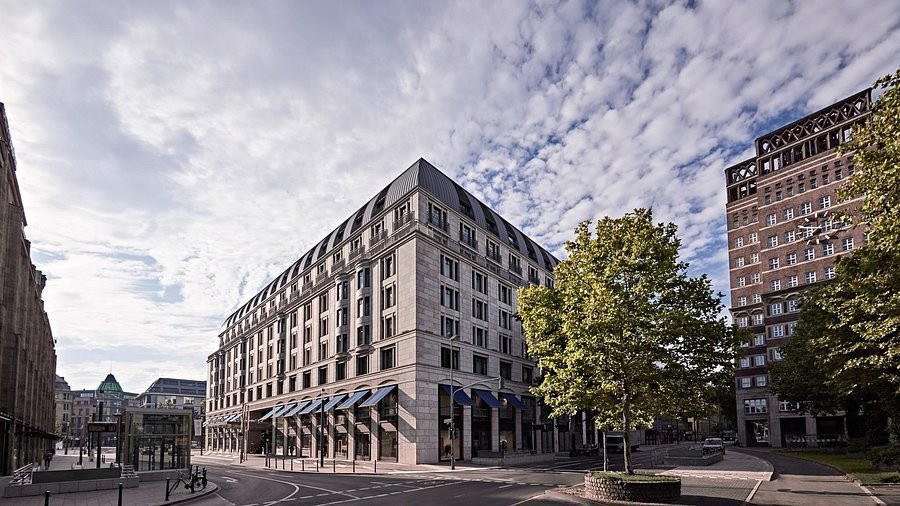
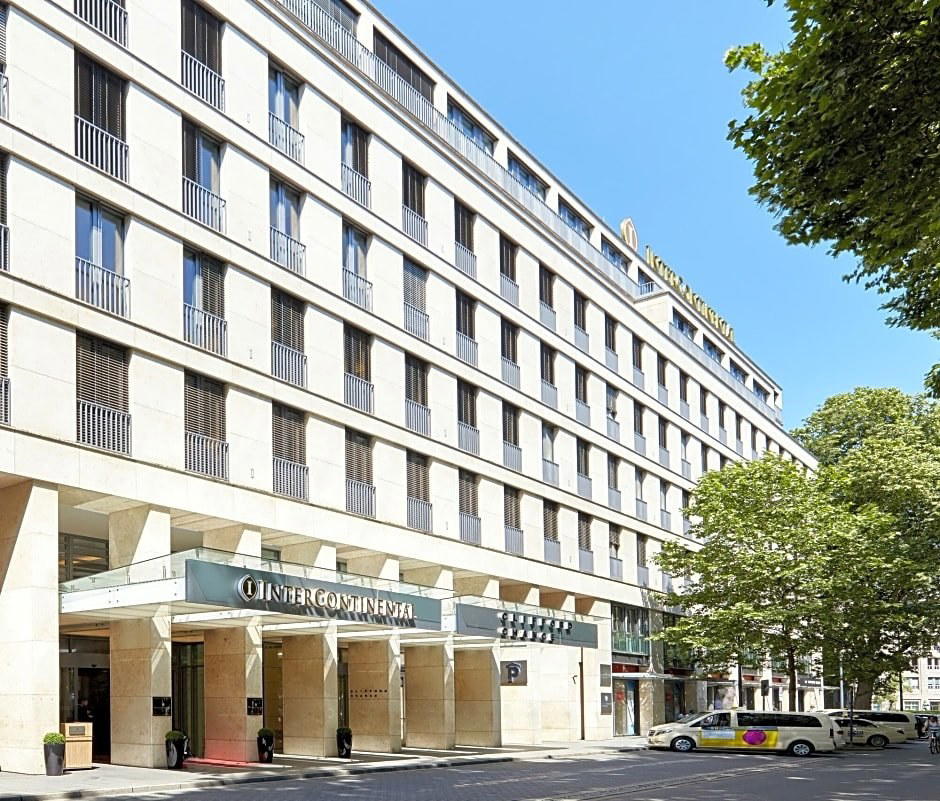
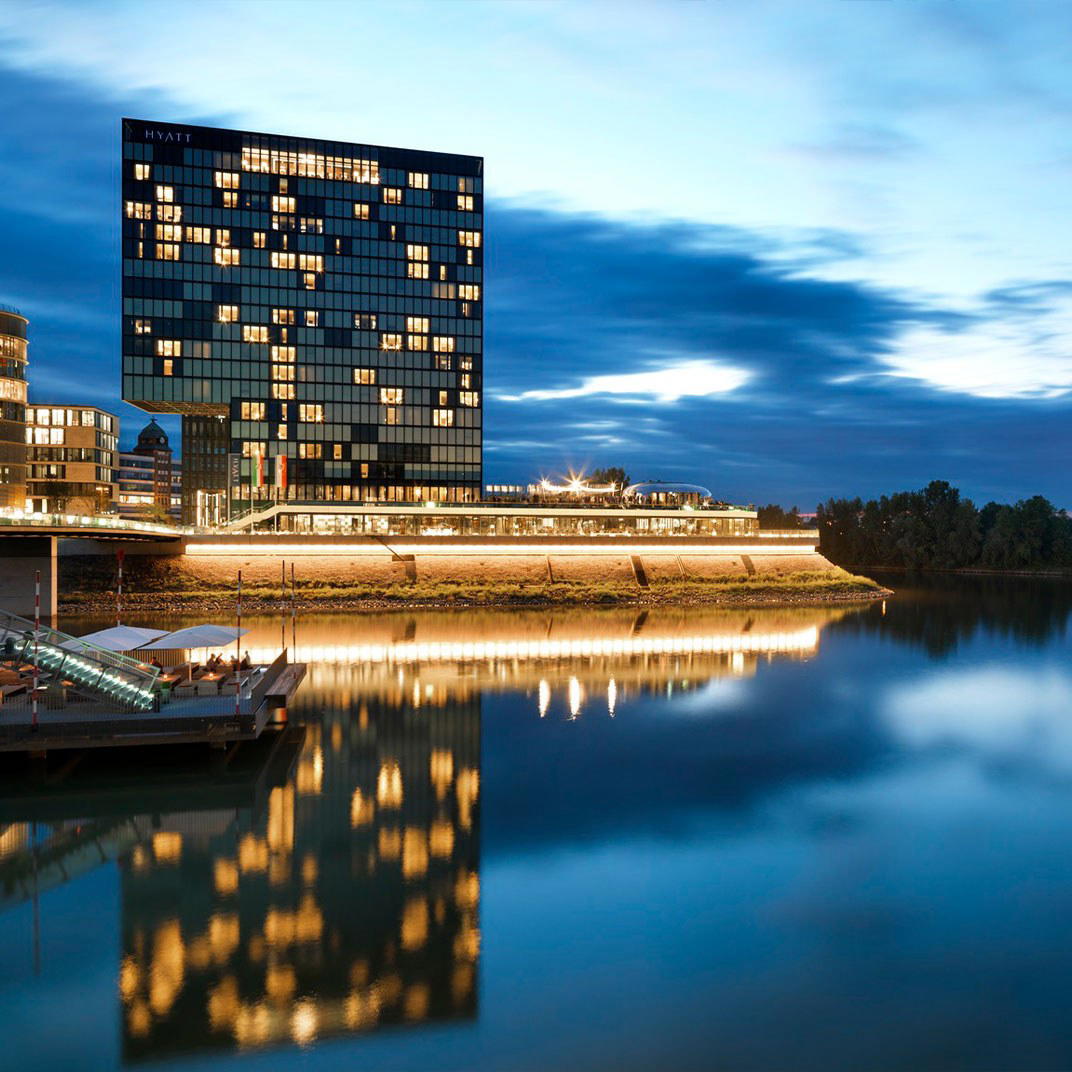
Hotels in Düsseldorf
All hotels in Düsseldorf →
Wineries in Düsseldorf
Browse all →
Details
- Elegant
- Classic
- Cozy
- Sophisticated
- Date Night
- Business Dinner
- Special Occasion
- Private Dining
- Hotel Restaurant
- Extensive Wine List
- A La Carte
- Vegetarian Friendly
Current opening hours
- Monday
- 12–11 PM
- Tuesday
- 12–11 PM
- Wednesday
- 12–11 PM
- Thursday
- 12–11 PM
- Friday
- 12–11 PM
- Saturday
- 12–11 PM
- Sunday
- Closed
Hours can change for holidays and private events. Hours as of .
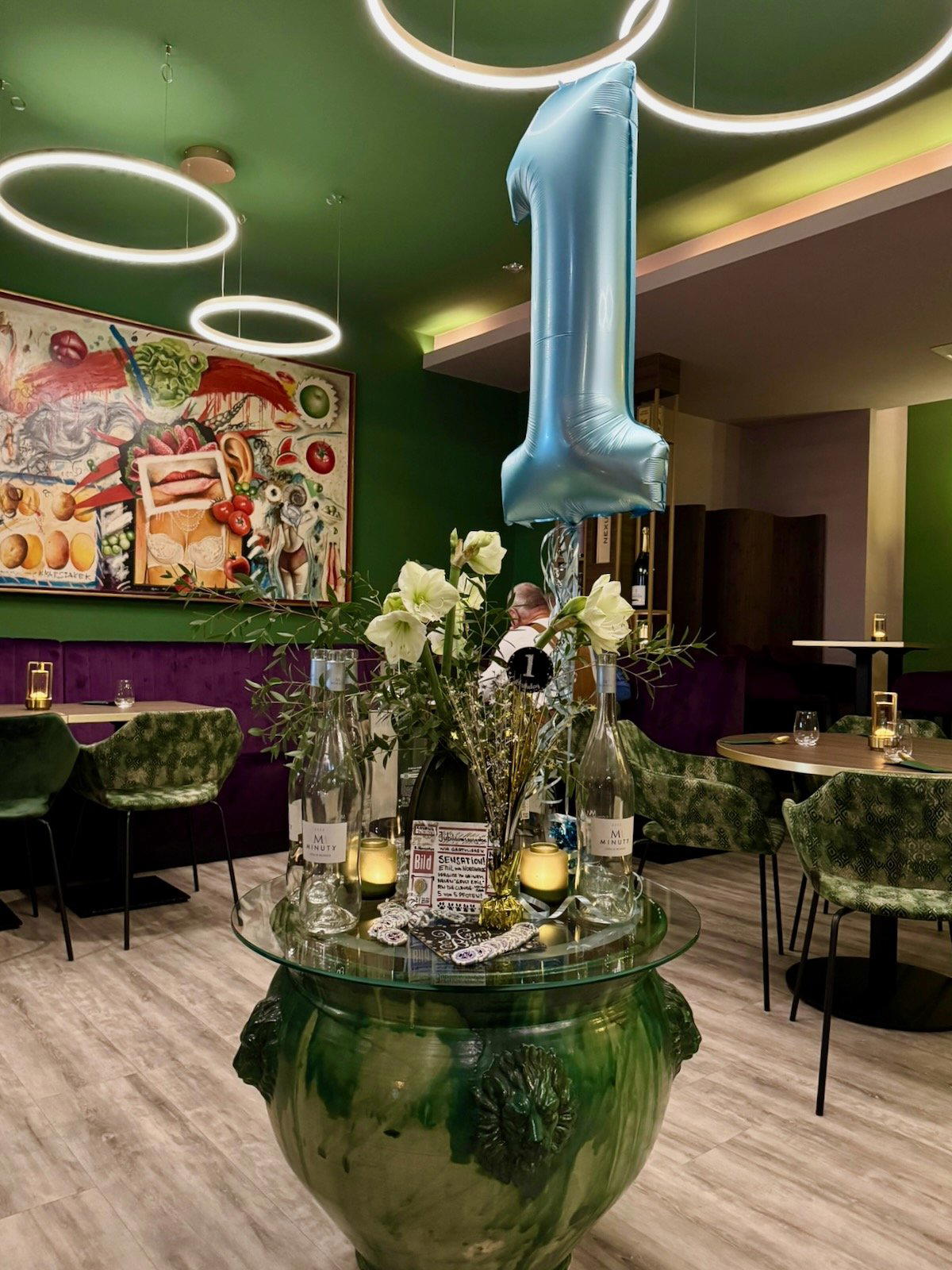
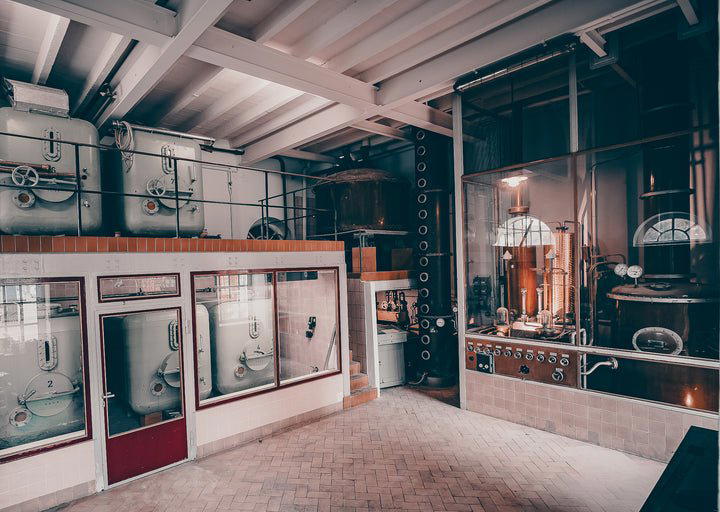
Stylish and elegant ambience with artistic elements, clear lighting, and a luxurious hotel atmosphere that invites lingering.