The Paradise Now
Our verdict
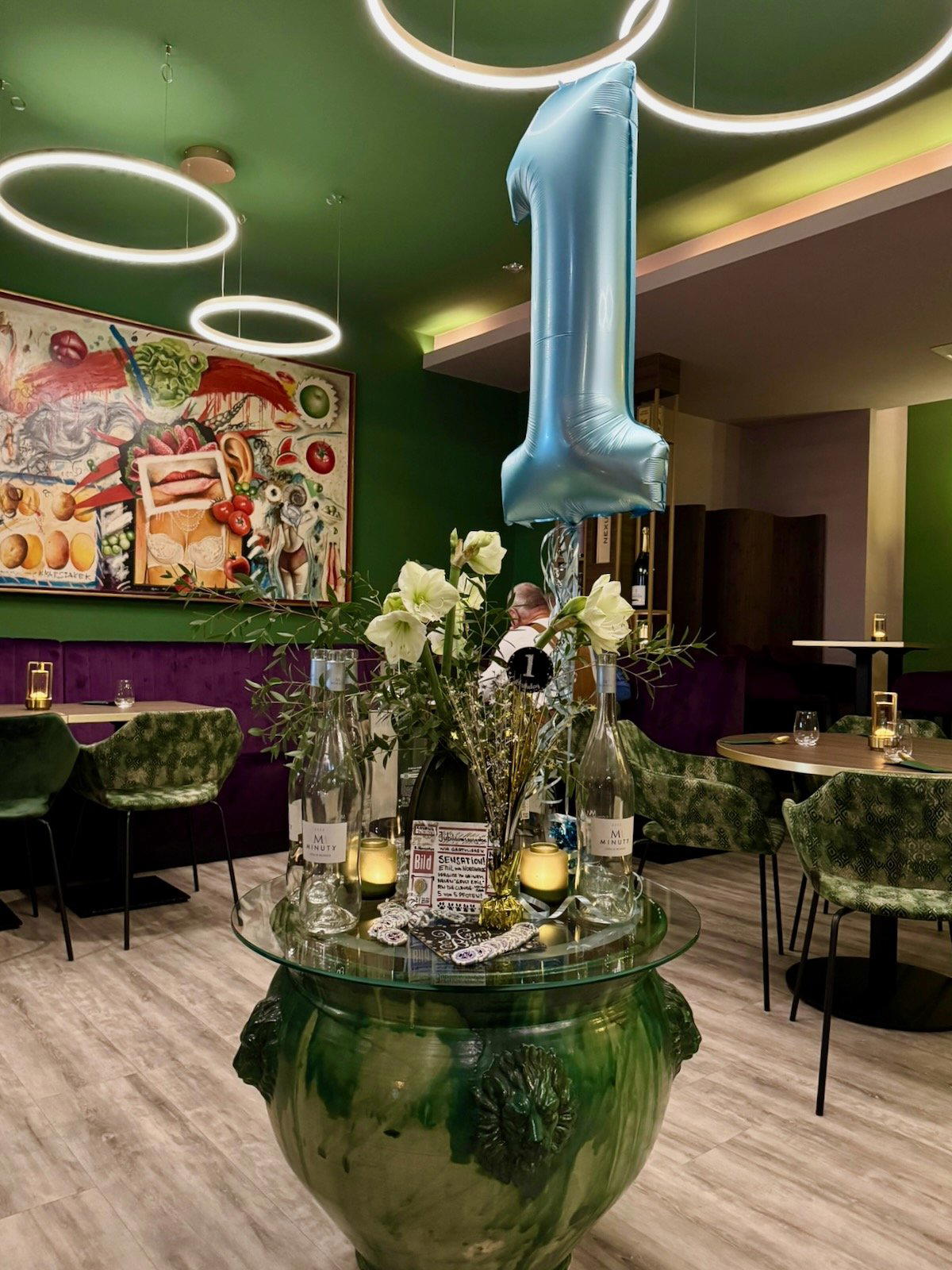
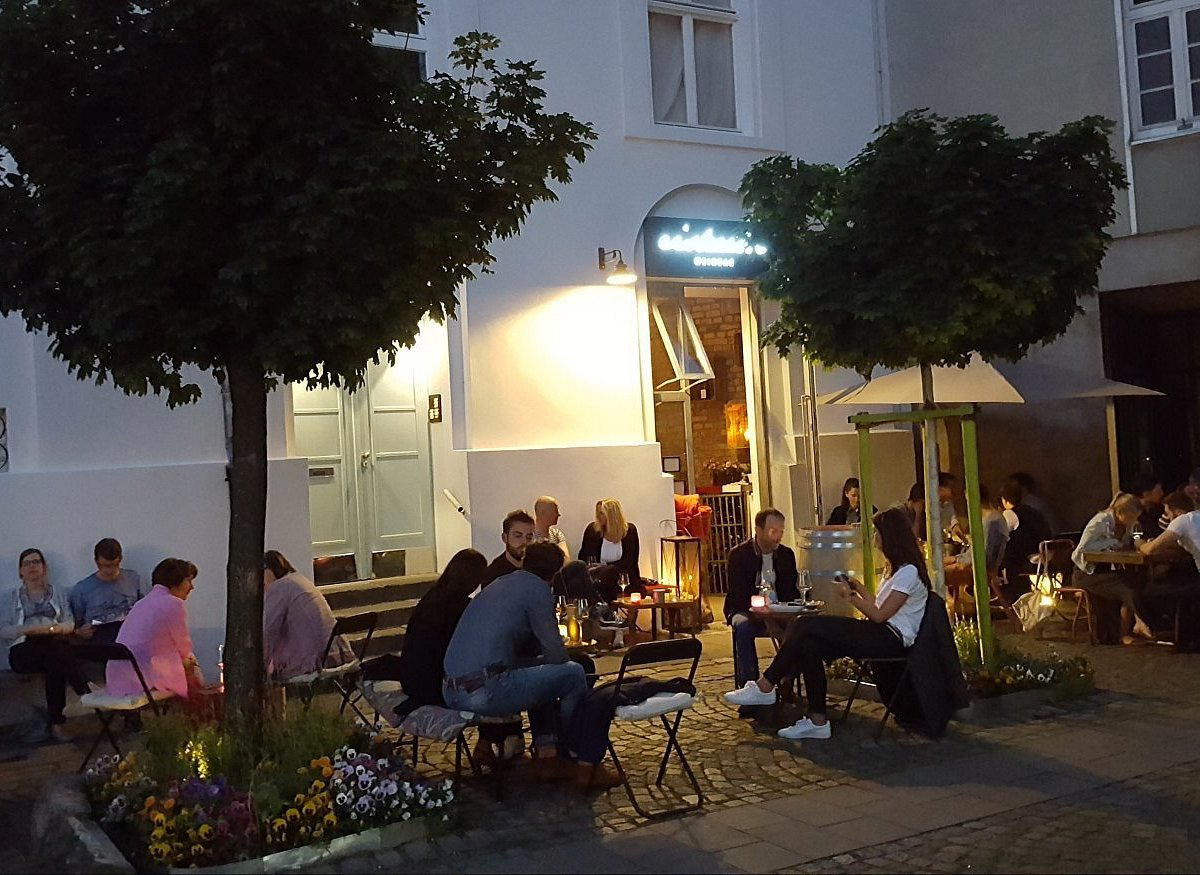
On Hammer Strasse in Düsseldorf's Unterbilk district, The Paradise Now occupies a stretch of the city where independent operators have quietly displaced the chains. The address alone signals intent: this is not a destination built on visibility or inherited reputation, but on the kind of deliberate programming that defines Düsseldorf's more considered dining tier. Expect a room where the work between kitchen, floor, and cellar is the actual product.

Pearl is the En Primeur Club membership app, where members save venues, book tables and use the concierge.
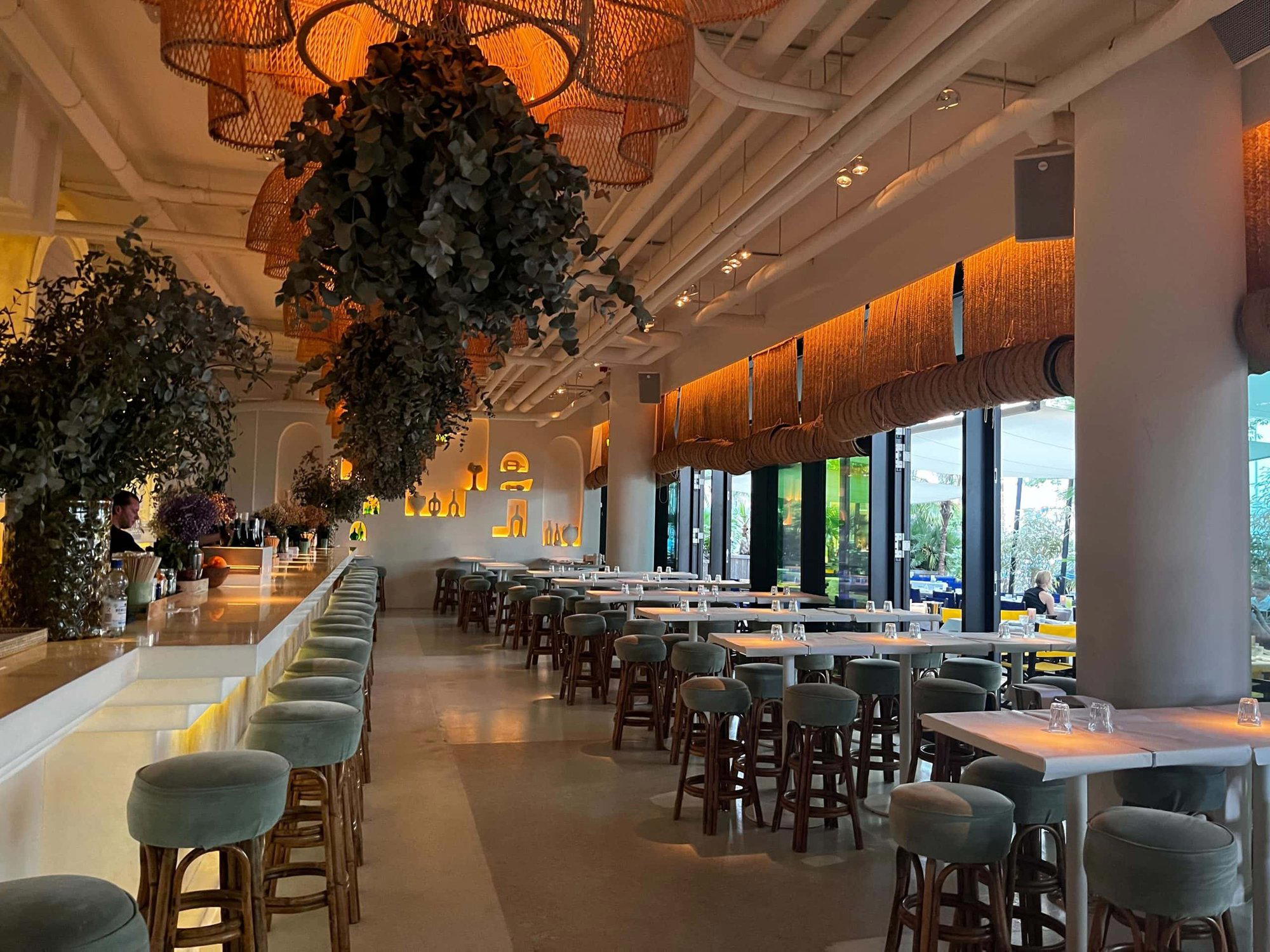
Where Unterbilk's Independent Dining Scene Sets Its Own Terms
Düsseldorf's dining geography has long been read through the lens of Altstadt density and Kaiserswerth polish, but the more instructive story is happening further west. In Unterbilk, along corridors like Hammer Strasse, independent operators have accumulated enough critical mass to form a recognisable alternative tier, one defined less by Michelin paperwork and more by the deliberate calibration of what goes on a plate, in a glass, and into a service approach. The Paradise Now, at Hammer Str. 27, sits inside this pattern. Its address is not incidental; it positions the venue within a neighbourhood logic that rewards commitment over footfall.
That positioning matters because Düsseldorf's dining scene, more than most German cities of comparable size, operates in distinct registers. At the leading, you have the kind of long-haul fine dining represented nationally by rooms like Vendôme in Bergisch Gladbach or Aqua in Wolfsburg, where formality and multi-course ambition are the explicit contract. Below that, the city has increasingly supported a middle register: serious cooking, developed wine thinking, and front-of-house attentiveness without the theatrical scaffolding. The Paradise Now occupies the territory where that middle register is actively being constructed rather than inherited.
The Collaboration Model: Kitchen, Cellar, and Floor as a Single Argument
Germany's stronger dining rooms in recent years have moved away from the chef-as-singular-auteur model toward something more legible as a team discipline. The cooking at JAN in Munich or the floor culture at Restaurant Haerlin in Hamburg reflect operations where the sommelier's selections and the front-of-house pacing are as compositionally intentional as the menu itself. The dynamic that defines The Paradise Now follows a comparable logic: the experience is legible as a coordinated argument rather than a sequence of independent decisions.
This matters more than it sounds. In rooms where the kitchen, cellar, and floor operate independently, the diner absorbs the gaps, a wine pairing that doesn't track the dish's acidity, a tempo between courses that breaks concentration rather than building it. The collaborative model closes those gaps by treating the meal as a single scored piece. What the kitchen produces informs what the sommelier reaches for; what the sommelier pours shapes how the floor times the next moment. When this works, the diner experiences it as coherence rather than effort. That coherence is among the harder things to build in a restaurant, and among the first things a returning guest notices when it's present.
Düsseldorf's independent dining sector has been building toward this kind of integrated service culture for some time, and venues along the Unterbilk corridor have been among the more consistent practitioners. The Paradise Now's address places it in direct dialogue with that local evolution.
Reading The Paradise Now Against the Düsseldorf Field
To understand where The Paradise Now sits competitively, it helps to map the range of dining options the city currently supports. At one end, quick-format operators, 3h's burger & chicken, Alanya Döner, serve the city's high-volume, low-deliberation tier. At another, wine-and-produce focused formats like Amuni Wein- und Käsebar and Mediterranean-leaning rooms such as Anfora and Arca Alacati represent the city's growing appetite for ingredient-led eating with a point of view on the glass.
The Paradise Now doesn't slot cleanly into any of these existing categories, which is part of what makes it worth tracking. It operates in the space between producer-focused informality and structured dining commitment, a tier that Germany's broader restaurant culture has been formalising since the mid-2010s, when the influence of natural wine culture and Nordic-inflected restraint began to reshape what a serious independent room could look like without the traditional formal architecture.
For Germany-wide context, the comparison points shift: rooms like CODA Dessert Dining in Berlin, which has reconfigured what a dessert-focused tasting menu can argue, or ES:SENZ in Grassau, which operates at the alpine edge of fine dining ambition, demonstrate the range of formats Germany's independent sector is now sustaining. The Paradise Now's Hammer Strasse location puts it in a more urban, denser-neighbourhood context, but the underlying premise, that a room's intellectual coherence matters as much as its category classification, connects it to the same national conversation.
Düsseldorf in the German Fine Dining Map
Germany's most decorated dining addresses remain geographically dispersed: Schwarzwaldstube in Baiersbronn, Waldhotel Sonnora in Dreis, Victor's Fine Dining by Christian Bau in Perl, and Schanz in Piesport all sit outside the major urban centres, a structural quirk of the German Michelin map that has historically left Düsseldorf slightly undercounted relative to its actual dining ambition. That gap has been closing. The city's independent tier has grown sophisticated enough that rooms operating without formal award architecture are increasingly the more interesting story, less constrained by the genre expectations that come with starred status, more able to define their own terms.
International comparison sharpens the point. The collaborative dining model that informs The Paradise Now's approach has analogues in rooms well outside Germany: Le Bernardin in New York City has long treated the coordination between kitchen precision and floor intelligence as a non-negotiable; Atomix in New York City extends that into a conceptual programming layer where each course arrives with context as well as flavour. The Paradise Now operates at a different scale and register, but the underlying conviction, that the leading restaurant experiences are designed rather than assembled, connects these rooms across geography and price tier.
For readers building a Düsseldorf itinerary with serious dining at its centre, our full Düsseldorf restaurants guide maps the city's current field across formats and price points.
Know Before You Go
Address: Hammer Str. 27, 40219 Düsseldorf, Germany
Neighbourhood: Unterbilk, west of the Altstadt
Price range:, check current pricing directly with the venue
Hours:, verify before visiting
Getting there: Unterbilk is accessible from Düsseldorf Hauptbahnhof by tram; the Hammer Strasse stretch is walkable from the Friedrichstadt tram stops
Frequently asked questions
Where do I go for The Paradise Now?
The Paradise Now is located at Hammer Str. 27, 40219 Düsseldorf, Germany, Dusseldorf.
How does The Paradise Now fit into Düsseldorf's dining scene compared to the city's Michelin-recognised addresses?
The Paradise Now occupies a different register from Düsseldorf's decorated hotel-adjacent rooms: it is part of the independent neighbourhood tier in Unterbilk, at Hammer Str. 27, where the city's more opinionated and less formulaic dining has concentrated in recent years. No awards are currently documented for the venue, which places the interest squarely in what the room does on its own terms rather than through the validation of external guides.
What should I eat at The Paradise Now?
Visiting without a rigid agenda is the more productive approach. Check directly with the restaurant at Hammer Str. 27 for current menu direction.
Do I need a reservation for The Paradise Now?
No booking data is published for The Paradise Now at this time, but given its position in Unterbilk's tighter, independent dining circuit rather than Düsseldorf's Altstadt tourist belt, the room is unlikely to absorb walk-ins on busy evenings without friction. Contacting the venue at Hammer Str. 27, 40219 Düsseldorf directly before your visit is the practical move.
What's the signature at The Paradise Now?
The clearest signature is structural rather than a single dish: The Paradise Now sits within a Düsseldorf wave of dining rooms treating kitchen, floor, and cellar as a single coordinated argument rather than separate departments. That integration, more legible in Unterbilk than in the city's hotel dining corridors, shapes the character of the meal from the first course through the close.
The Quick Read
Comparable venues nearby, for context on price, style, and recognition.
| Venue | Cuisine | Price | Notes |
|---|---|---|---|
| The Paradise NowThis venue (the venue you are viewing) | International Fusion | Not listed | Not listed |
| King Fusion | Asian Fusion Sushi & Tapas | $30–50 | Stadtmitte, Asian Fusion Sushi & Tapas |
| Ross & Reiter | Modern Seasonal Fusion Gastro | $30–50 | Derendorf, Modern Seasonal Fusion Gastro |
| KYO Burger | Japanese Fusion Burgers | $20–30 | Stadtmitte, Japanese Fusion Burgers |
| BARISTAPAS | Modern Breakfast Tapas & Brunch Café | $10–20 | Unterbilk, Modern Breakfast Tapas & Brunch Café |
| il punto | Modern Italian Trattoria | $30–50 | Altstadt, Modern Italian Trattoria |