Salmuera
On Rozengracht in the Jordaan, Salmuera occupies a stretch of Amsterdam where canal-side informality meets serious cooking ambition. The name, Spanish for brine, signals a kitchen with curing and preservation at its core, placing it in a growing cohort of Amsterdam restaurants that draw from southern European technique without mimicking it wholesale. It is an address worth tracking.
Pearl is the En Primeur Club membership app — saves, bookings, and concierge access live there. Same editors, same standards.
- Address
- Rozengracht 106 110, 1016 NH Amsterdam, Netherlands
- Phone
- +31 20 624 5752
- Website
- sal-amsterdam.nl
- Directions
- Get directions
 Saves & bookings on Pearl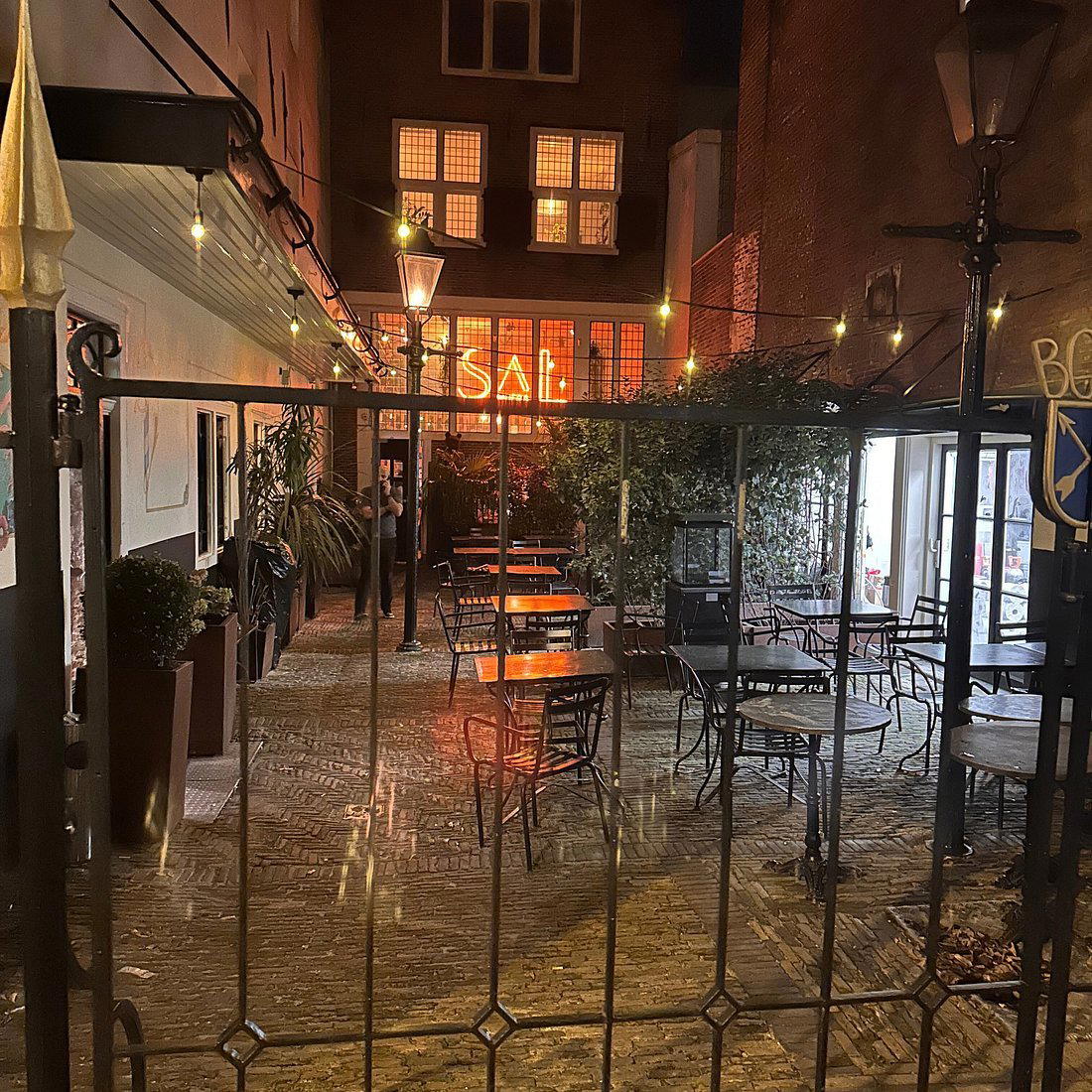
Where the Jordaan Meets Southern Preservation
Rozengracht runs west from the central canal ring through the Jordaan, a neighbourhood whose dining character has shifted considerably over the past decade. What was once a corridor of brown cafés and tourist-facing kitchens now contains some of Amsterdam's more considered mid-tier and upper-mid-tier restaurants, operating alongside the city's Michelin-active addresses without directly competing with them. Salmuera sits at numbers 106 to 110 on that street, in a run of properties that reads, from the outside, as quietly residential, the kind of frontage that asks you to pay attention before it gives anything away.
The name is the first signal worth reading. Salmuera is Spanish for brine, the salt-and-water solution that defines preservation traditions across the Iberian peninsula, the Mediterranean coast, and much of South America. For a kitchen to take that as its identity marker is to claim a particular lineage: one built around patience, curing time, and the transformation of raw ingredients through salt and acid rather than through heat alone. In Amsterdam's current restaurant cohort, which includes farm-to-table addresses like De Nieuwe Winkel-adjacent thinking and the product-forward naturalism of venues like BAK and De Kas, that kind of preservation-led framing positions Salmuera in a distinct lane.
The Arc of a Meal: How the Progression Works
Restaurants organised around preservation and curing tend to structure their menus differently from those built on classical French sequencing or contemporary Nordic reduction. The cold preparations carry weight early: cured fish, aged meats, pickled vegetables, and fermented elements often arrive before anything touches a flame. This front-loading of technique-intensive work means the opening courses at a brine-oriented kitchen demand more attention than a standard amuse sequence. They are making an argument about what the kitchen values before the main heat-driven courses begin to answer.
In the broader European context, this approach connects Salmuera to a family of restaurants, from the salt-cod traditions of northern Portugal to the charcuterie-anchored menus appearing in cities like Barcelona and Lyon, where the cold counter or the curing room is as important as the stove. At a city scale, Amsterdam has been developing its own version of this sensibility, with producers in the Netherlands providing excellent raw material for preservation work: North Sea fish, aged Dutch cheeses, and game from the eastern provinces all take well to brine and cure.
As a multi-course meal progresses through a preservation-led menu, the structural tension is typically between restraint and accumulation. Early courses are clean and precise; salt and acid do the editorial work that cream and butter handle elsewhere. By the time warm preparations arrive, braises, roasted cuts, anything that benefits from extended cooking time, the palate has been conditioned to read fat and heat as contrast rather than as default. It is a more demanding structure than classical progression, and when it works, the final courses feel earned rather than expected.
For readers comparing Amsterdam's higher-end options, Ciel Bleu at the Hotel Okura operates at the summit of the city's formal creative tier, while Flore, Spectrum, and Vinkeles occupy different positions within the €€€€ bracket. Salmuera, with its Jordaan address and preservation-led identity, appears to be working in a different register, closer in spirit to the mid-serious tier that Amsterdam has been building out, alongside addresses like Bistro de la Mer in the classic cuisine bracket.
Amsterdam's Broader Restaurant Momentum
The Netherlands has been producing serious restaurant talent at a rate that its Michelin count, which now extends well beyond Amsterdam, to addresses like De Librije in Zwolle, Inter Scaldes in Kruiningen, and De Lindenhof in Giethoorn, reflects. The concentration of serious kitchens in smaller Dutch cities is partly a function of real estate economics and partly a culture of precision that runs through Dutch professional life. Within Amsterdam itself, the competition for dining attention is significant: a restaurant on Rozengracht is competing not just with its immediate neighbourhood peers but with the entire weight of the city's reputation as a serious food destination.
What distinguishes the Jordaan's current dining moment from the more flagrant Michelin positioning of addresses near the Museum Quarter or the harbour is a degree of neighbourhood-scale ambition. Restaurants here tend to build local regulars before they build critic attention, and menus often reflect the specific tastes of a clientele that walks rather than taxis. That grounding tends to produce kitchens that are more willing to take textural or flavour risks, because they are feeding people who return, not people who are checking boxes.
For international reference points, the preservation-led menu structure that Salmuera appears to work within has European parallels worth understanding. At the technique level, it sits closer to the precision of Le Bernardin in New York, where a single ingredient category (fish, in that case) structures the entire menu logic, than to the communal progression of something like Lazy Bear in San Francisco. The Dutch regional comparison would be the farms-to-counter seriousness of De Groene Lantaarn in Staphorst or the product focus visible at Tribeca in Heeze and Brut172 in Reijmerstok.
Planning a Visit
Rozengracht 106 to 110 is in the western Jordaan, reachable on foot from the central canal belt in under fifteen minutes, or by tram along the Marnixstraat corridor. The address sits at the quieter western end of Rozengracht, past the junction where the street widens and the foot traffic from the central market thins. The restaurant is recommended for reservations and opens daily from 5 PM, with late service on Friday and Saturday until 1 AM. De Lindehof in Nuenen, De Bokkedoorns in Overveen, and De Treeswijkhoeve in Waalre are all within day-trip range and represent different positions within the serious Dutch kitchen conversation.
A Credentials Check
Comparable venues nearby, for context on price, style, and recognition.
| Venue | Cuisine | Price | Notes |
|---|---|---|---|
| SalmueraThis venue — the venue you are viewing | Latin American Steakhouse | $$$ | Not listed |
| Dèsa | Authentic Indonesian Rijsttafel | $$$ | Sarphatiparkbuurt |
| REM Restaurant | Modern European Fine Dining | $$$ | Coenhaven/Mercuriushaven |
| The Pancake Bakery | Traditional Dutch Pancakes | $$ | Leliegracht e.o. |
| MOYŌ | Modern Japanese Omakase | $$$ | Bellamybuurt Zuid |
| SenT | Grilled Brasserie | $$$ | Frans Halsbuurt |
Continue exploring
More in Amsterdam
Restaurants in Amsterdam
Browse all →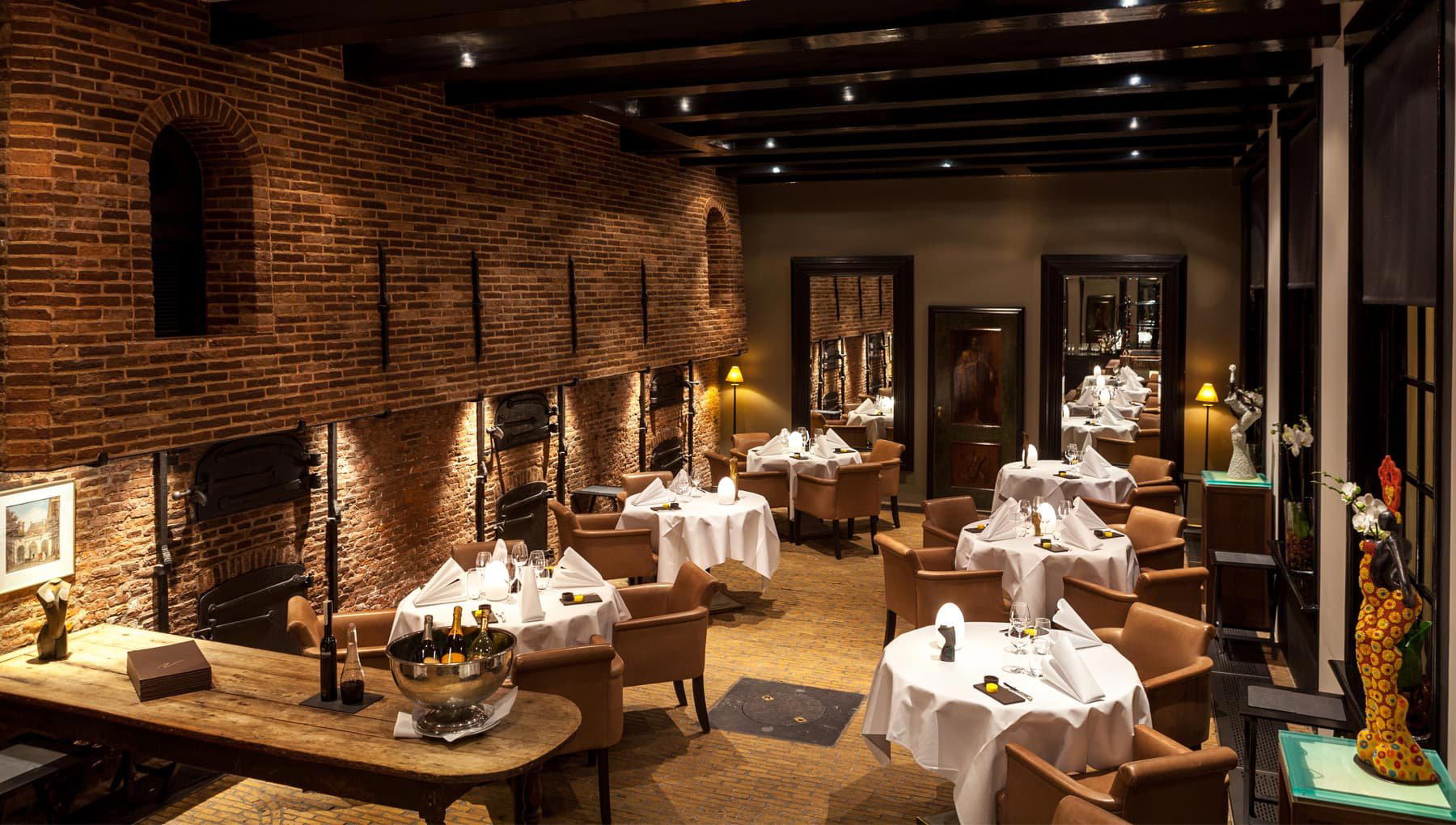
Bars in Amsterdam
Browse all →
Hotels in Amsterdam
Browse all →
Wineries in Amsterdam
Browse all →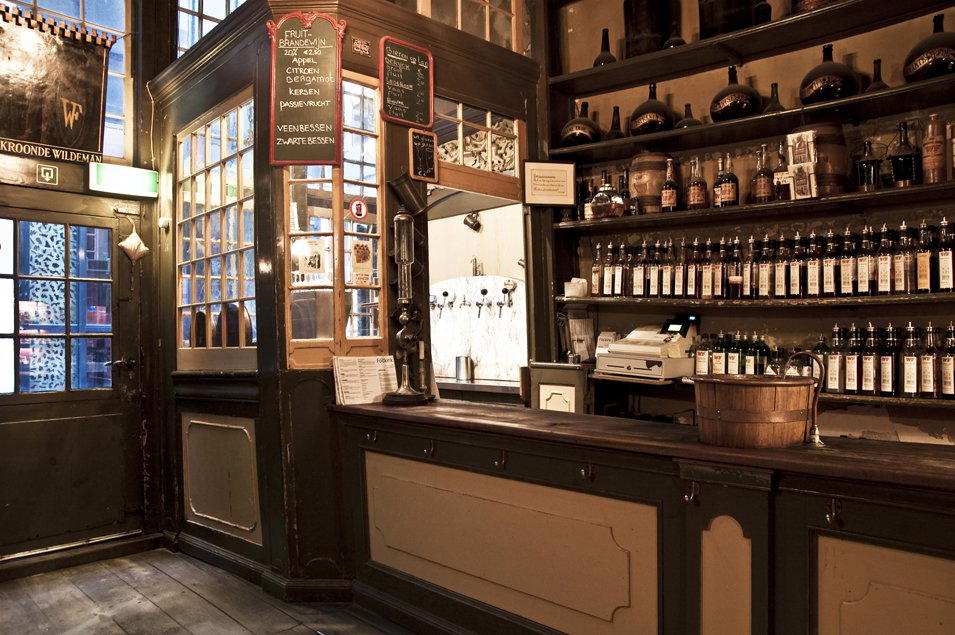
At a Glance
- Lively
- Trendy
- Cozy
- Date Night
- Group Dining
- Casual Hangout
- Open Kitchen
- Craft Cocktails
Current opening hours
- Monday
- 5 PM–12 AM
- Tuesday
- 5 PM–12 AM
- Wednesday
- 5 PM–12 AM
- Thursday
- 5 PM–12 AM
- Friday
- 5 PM–1 AM
- Saturday
- 5 PM–1 AM
- Sunday
- 5 PM–12 AM
Hours can change for holidays and private events. Last verified .
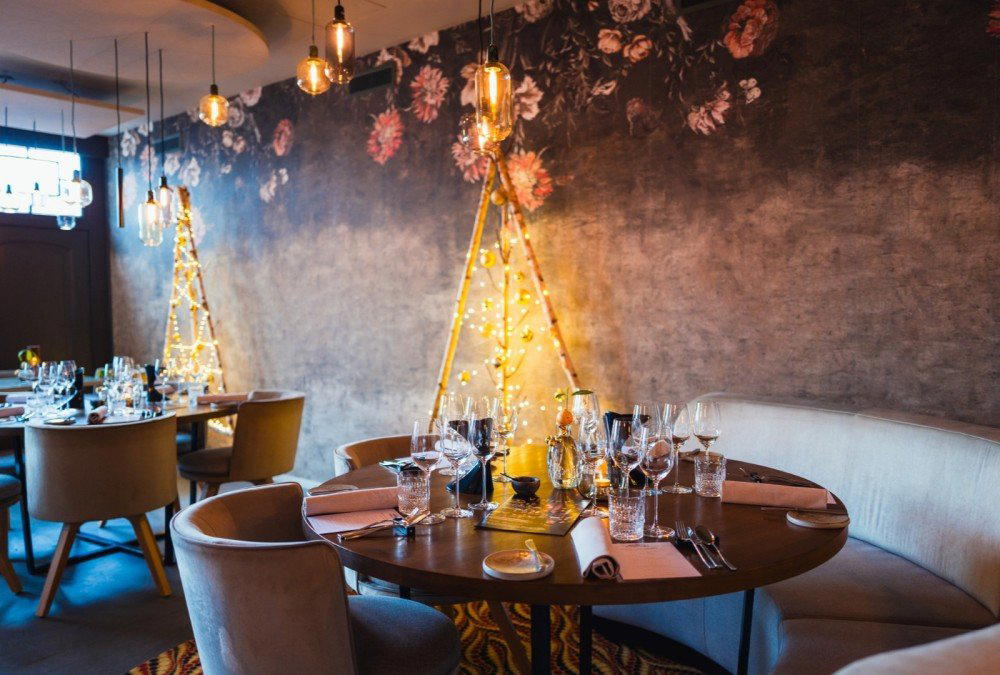
Lively yet cozy with rustic decor, soft lighting, and upbeat music.