SALIN
SALIN occupies a setting that few German restaurants can match: a working salt heritage site in Bad Reichenhall, where the raw material of the region's identity for over a millennium becomes the editorial thread running through the kitchen. For travellers moving through Bavaria's Alpine spa corridor, it represents a rare case of place informing plate in a way that feels earned rather than staged.
Pearl is the En Primeur Club membership app — saves, bookings, and concierge access live there. Same editors, same standards.
- Address
- Alte Saline 2, 83435 Bad Reichenhall, Germany
- Phone
- +4986517174907
- Website
- salin-reichenhall.de
- Directions
- Get directions
 Saves & bookings on Pearl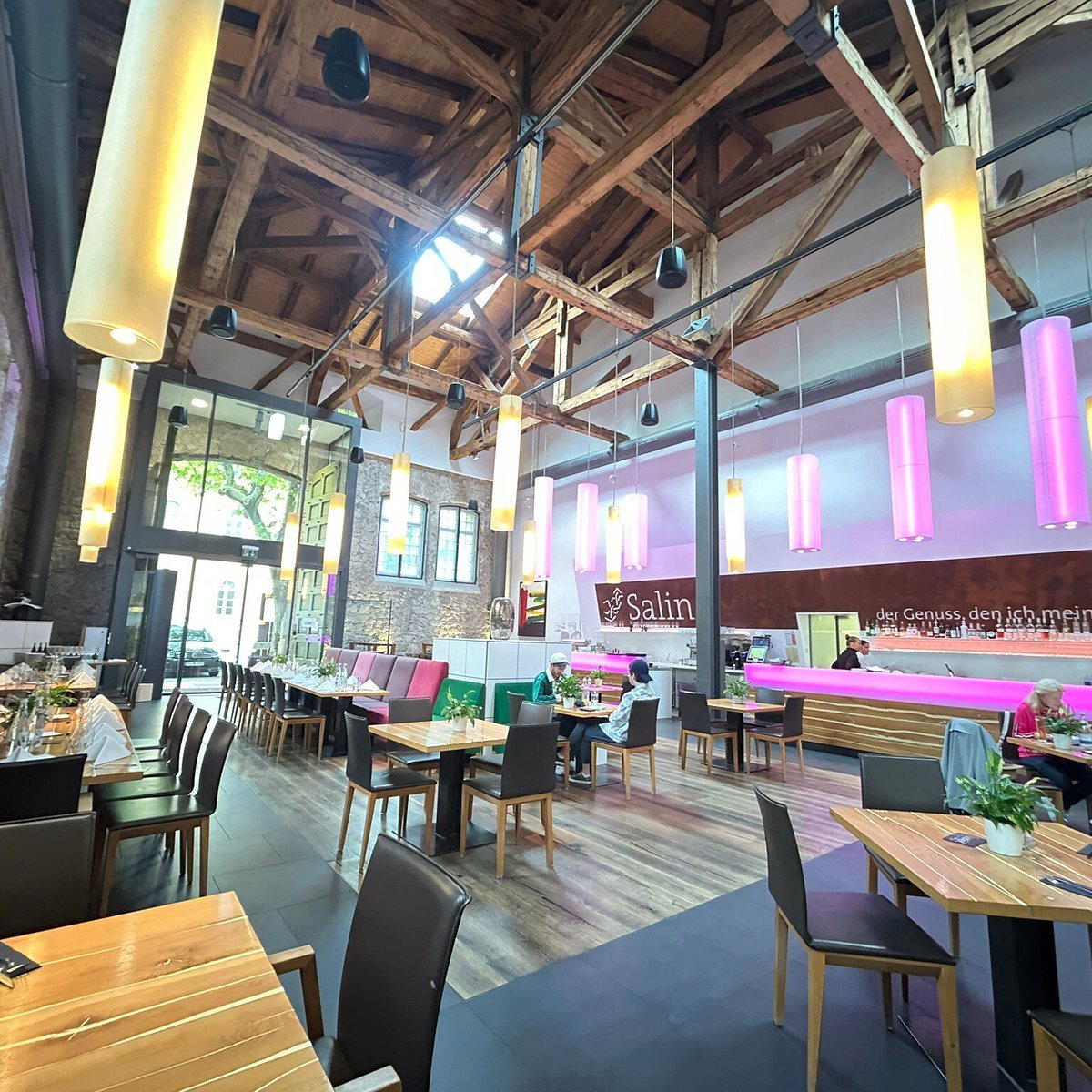
Salt, Source, and the Architecture of a Meal
Bad Reichenhall has been defined by salt for more than a thousand years. The Alte Saline, the historic saltworks complex at the centre of the town, produced the resource that funded the region's growth, shaped its trade routes, and gave it a distinct identity within the Alpine economy. SALIN takes its address from that complex directly, situated at Alte Saline 2. The question a kitchen in this position must answer is direct: does the location inform what lands on the plate, or is it merely scenery?
That question matters because ingredient sourcing in Bavarian fine dining has become increasingly consequential. Across the Alpine region, a tier of restaurants has emerged that treats proximity to primary producers, alpine dairy farms, freshwater fisheries, highland foragers, as a structural commitment rather than a menu footnote. ES:SENZ in Grassau, roughly 25 kilometres south of Bad Reichenhall, operates within this same tradition of place-rooted sourcing in a landscape where the ingredients themselves carry altitude and mineral character. SALIN's positioning within a working heritage salt site places it at an even more specific intersection: the town's defining raw material is not imported or invoked symbolically, it is present in the soil, the water table, and the culinary grammar of the surrounding area.
What the Alpine Salt Belt Produces
The Bad Reichenhall salt springs feed into a regional food culture that has long distinguished itself from the heartier tavern traditions of lower Bavaria. Cured meats, mineral-rich stocks, preserving techniques, these are all downstream expressions of a territory where salt was currency. A kitchen genuinely engaged with this history would draw on preserved preparations, on long-matured proteins where salt plays a structural rather than a seasoning role, and on suppliers operating within the same hydrological basin that made the town relevant in the first place.
Germany's most decorated kitchens have increasingly made this kind of provenance argument. Schwarzwaldstube in Baiersbronn has for decades demonstrated that regional identity and classical technique are not in conflict. Vendôme in Bergisch Gladbach and Victor's Fine Dining by Christian Bau in Perl occupy the upper tier of German fine dining with markedly different sourcing philosophies, which illustrates how many viable paths exist between pure terroir expression and cosmopolitan technique. SALIN's address alone suggests a particular path: one grounded in the mineral specificity of this corner of the Berchtesgadener Land.
The Setting as Editorial Statement
Approaching the Alte Saline complex, the architecture does the initial work. The building dates to the nineteenth century, a formal Bavarian structure designed to process and store one of Europe's most commercially important commodities. Dining within this context means eating against a background of industrial heritage that has been repurposed rather than erased. In cities, this kind of adaptive reuse is common enough to have become a design cliché. In a mid-sized Alpine spa town like Bad Reichenhall, with a population well under 20,000, it reads differently: as a genuine act of local reinvention.
The spa town format itself shapes the dining rhythm. Bad Reichenhall draws visitors for its saline inhalation therapies and its position as a Bavarian health resort, a tradition codified in the nineteenth century and still operative today. Guests tend to stay longer than typical city visitors, which suits a more deliberate dining approach. This is the same dynamic that supports the fine dining programmes at Alpine resort hotels throughout the region, where a captive and unhurried audience allows kitchens to work at a slower, more considered pace than urban restaurants competing for fast-turnaround covers.
Where SALIN Sits in the Regional Dining Picture
For a broader read on Bavarian fine dining, the comparison set is instructive. JAN in Munich operates at the summit of the city's contemporary dining tier. AUGUST in Augsburg represents the kind of serious regional commitment that mid-sized Bavarian cities can sustain when the kitchen is ambitious enough. Further afield, Aqua in Wolfsburg and Restaurant Haerlin in Hamburg anchor the northern end of Germany's fine dining spectrum, while Waldhotel Sonnora in Dreis and Schanz in Piesport show how deeply the country's leading kitchens have embedded themselves in rural settings. SALIN's position in Bad Reichenhall places it within a genuine tradition of serious German cooking operating outside the major metropolitan centres.
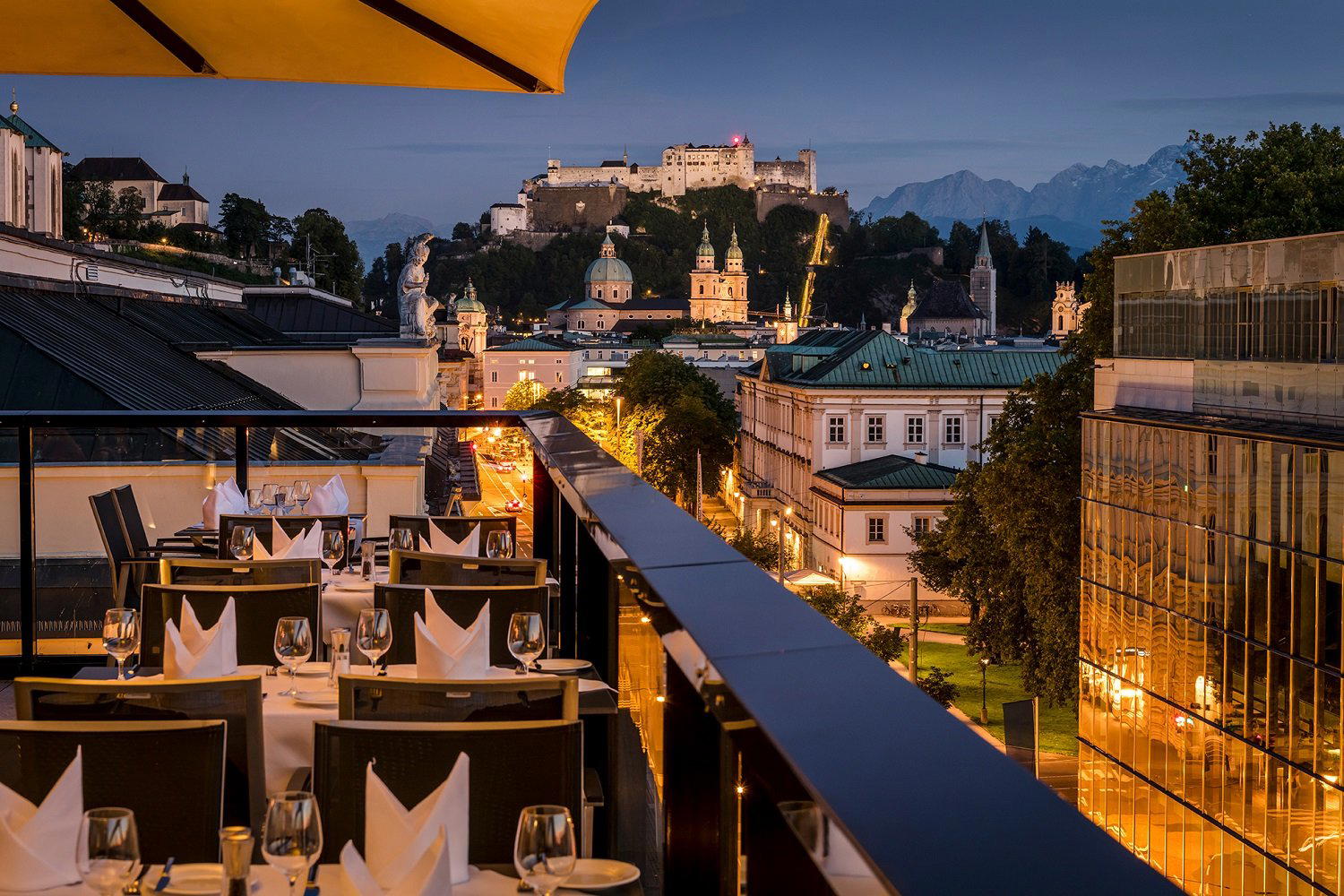
Closer in geography, Skybar Schlafende Hex offers a different perspective on what Bad Reichenhall's dining scene can produce, less rooted in the salt heritage, more oriented toward the view and the resort atmosphere. The two venues together suggest a town that is developing a more considered food identity, even if that development is still in relatively early stages compared to neighbouring resort destinations.
For those whose interest runs toward more experimental German cooking, CODA Dessert Dining in Berlin and ATAMA by Martin Stopp in Sankt Ingbert show how far the country's fine dining conversation has pushed conceptually, while international reference points like Le Bernardin in New York City and Atomix in New York City illustrate the global benchmarks against which ambitious kitchens are increasingly measured, even in smaller European towns.
Planning a Visit
Bad Reichenhall is accessible by rail from Munich in approximately 1.5 hours via Salzburg, with the Alte Saline complex walkable from the town's central train station. The town's character as a spa resort means that accommodation ranges from historic cure hotels to smaller Alpine guesthouses, and booking well in advance is advisable during peak summer and winter wellness seasons. For visitors building an itinerary around the region's food programme, our full Bad Reichenhall restaurants guide maps the town's dining options against its broader Alpine context. Given the limited availability of specific booking details for SALIN in current records, visiting the Alte Saline complex directly or contacting local tourism resources is one reliable route to current reservation information. Bagatelle in Trier and ammolite in Rust offer instructive comparisons for travellers accustomed to fine dining within German heritage or resort settings, and calibrate expectations for what this format can deliver at its most accomplished.
A Quick Peer Check
Comparable venues nearby, for context on price, style, and recognition.
| Venue | Cuisine | Price | Notes |
|---|---|---|---|
| SALINThis venue — the venue you are viewing | Modern German with European influences | $$ | Not listed |
| Skybar Schlafende Hex | Rooftop Snacks & Cocktails | $$ | Zentrum |
| Marstall Festzelt | Traditional Bavarian Oktoberfest | $$ | Theresienwiese |
| Bräustüberl Weihenstephan | Traditional Bavarian Beer Hall | $$ | Weihenstephaner Berg |
| Schinken-Peter | Traditional Bavarian | $$ | Au |
| Zum Dürnbräu | Traditional Bavarian | $$ | Altstadt |
Continue exploring
More in Bad Reichenhall
Restaurants in Bad Reichenhall
Browse all →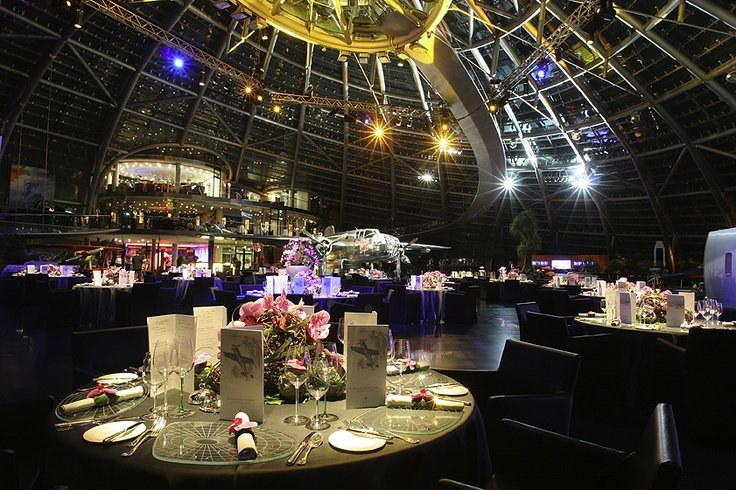
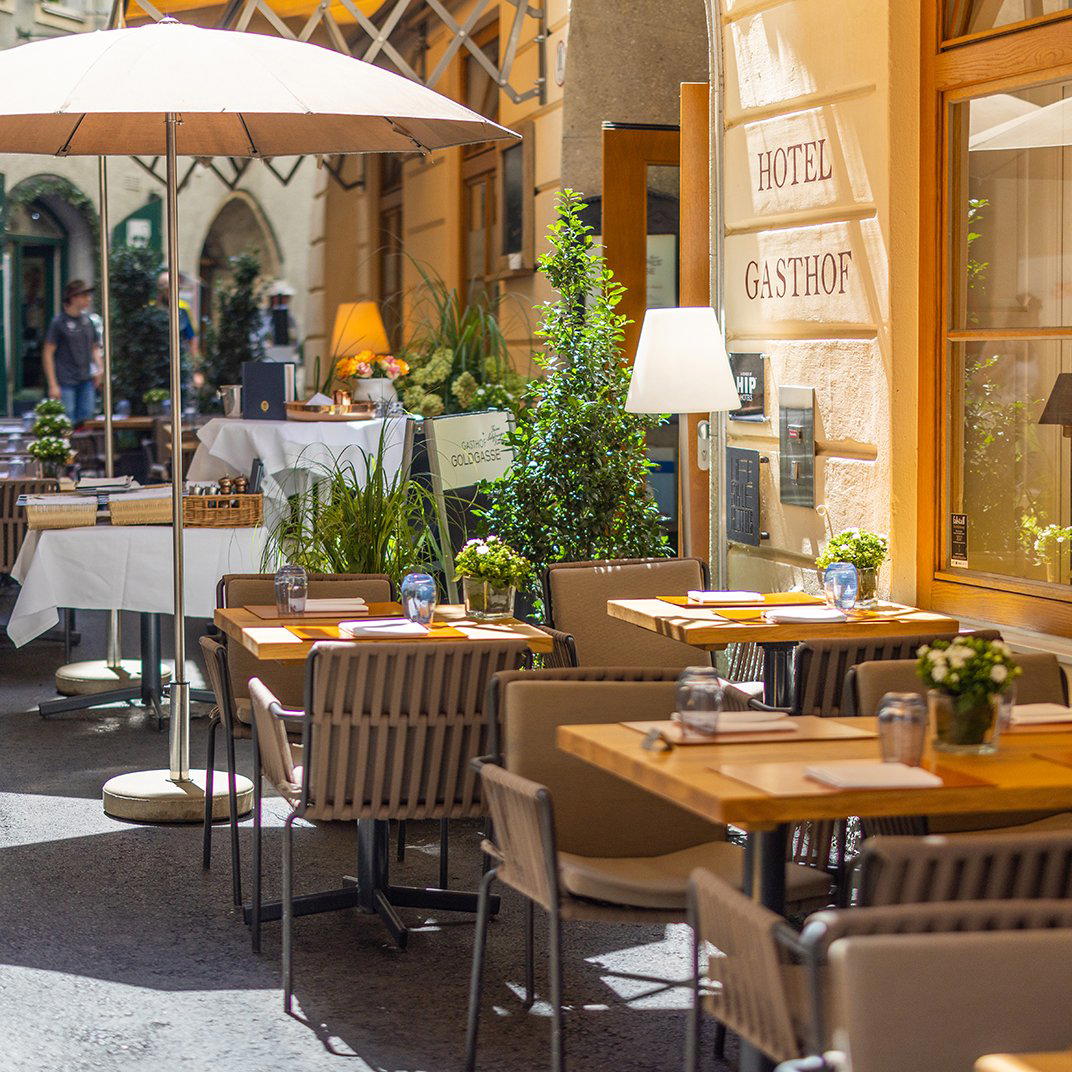
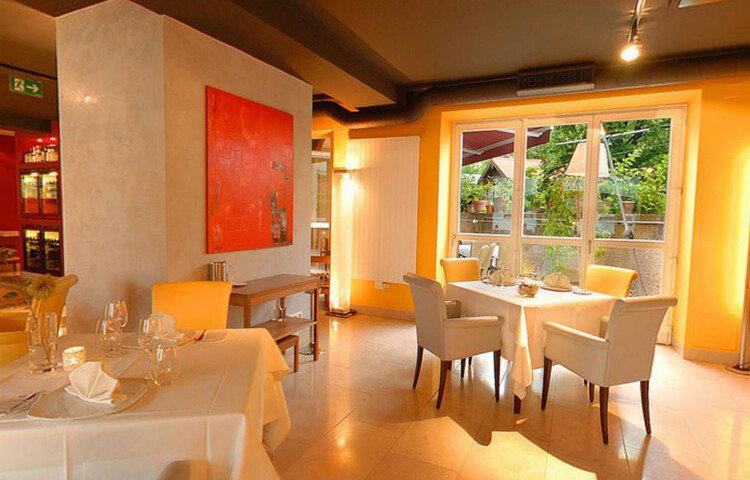
Bars in Bad Reichenhall
Browse all →
At a Glance
- Modern
- Elegant
- Industrial
- Date Night
- Brunch
- Terrace
- Historic Building
- Local Sourcing
- Mountain
Current opening hours
- Monday
- Closed
- Tuesday
- Closed
- Wednesday
- 12–9:30 PM
- Thursday
- 12–9:30 PM
- Friday
- 12–10 PM
- Saturday
- 12–10 PM
- Sunday
- 9:30 AM–8:30 PM
Hours can change for holidays and private events. Last verified .
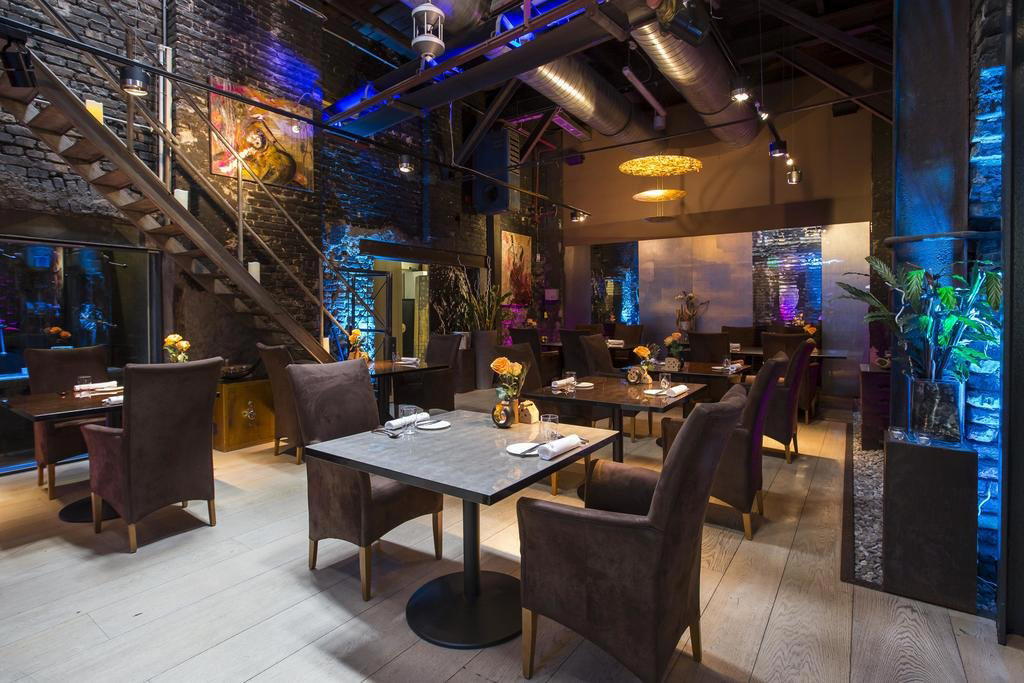
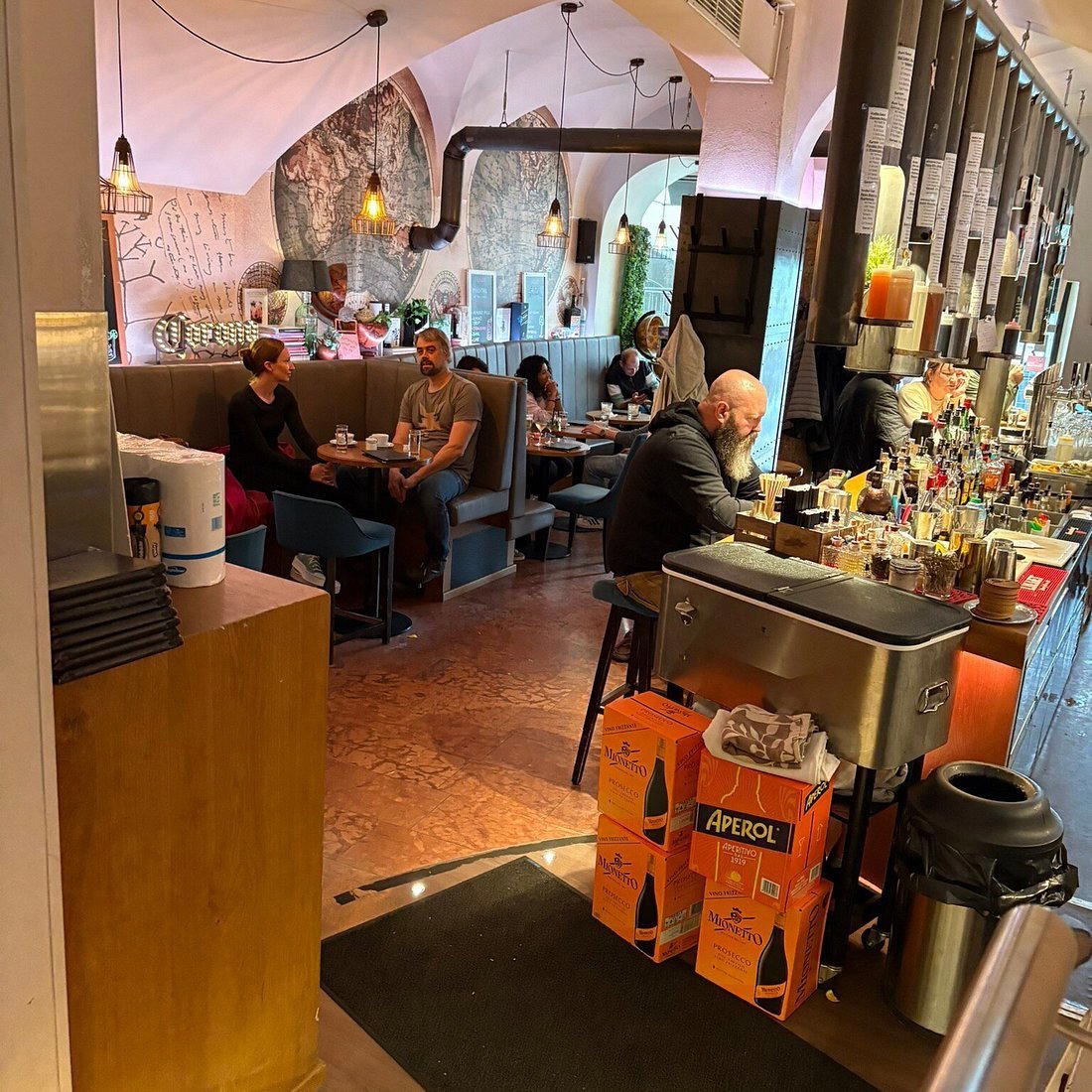
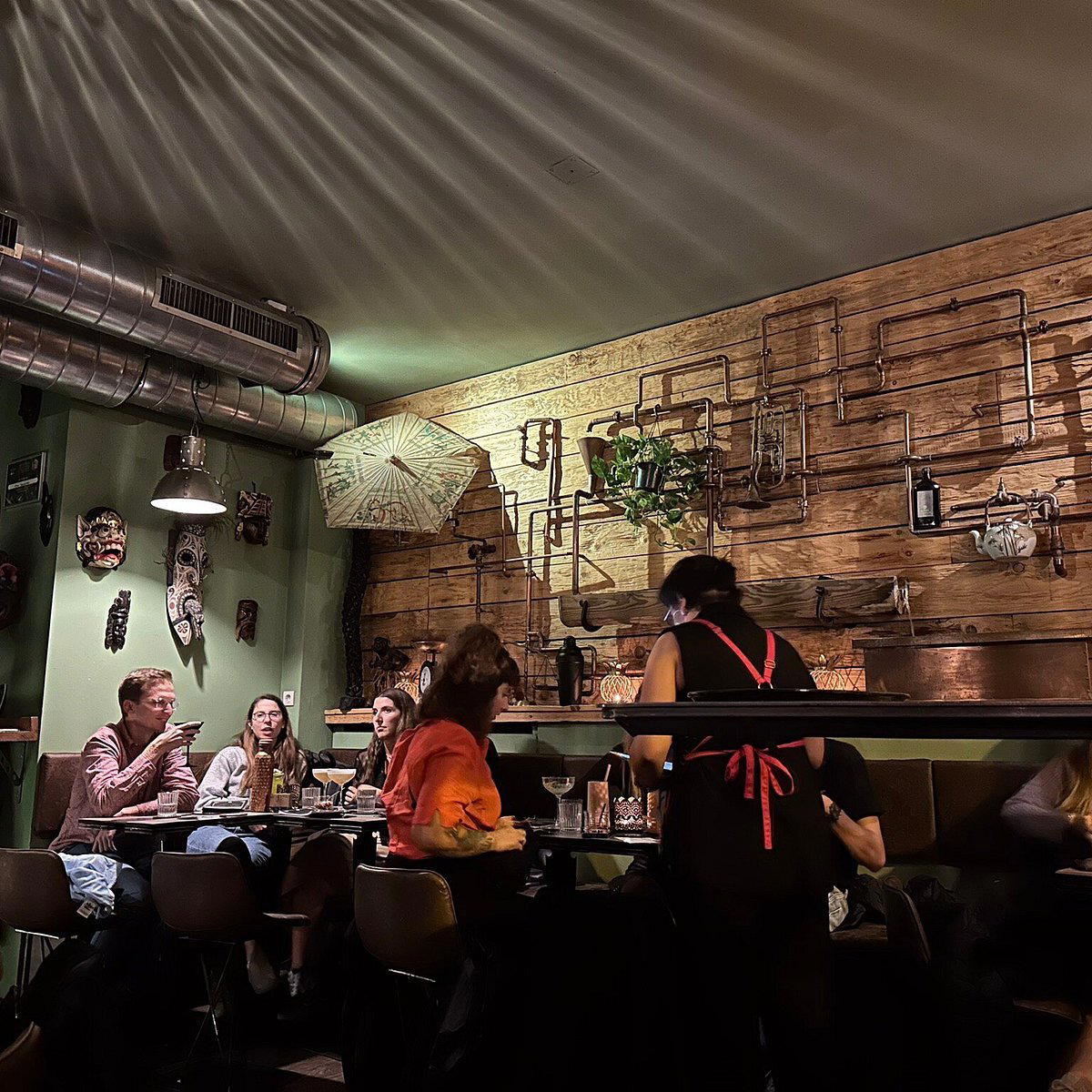
Modern loft-style industrial design with colorful, busy decor creating an elegant and social atmosphere.