Our verdict
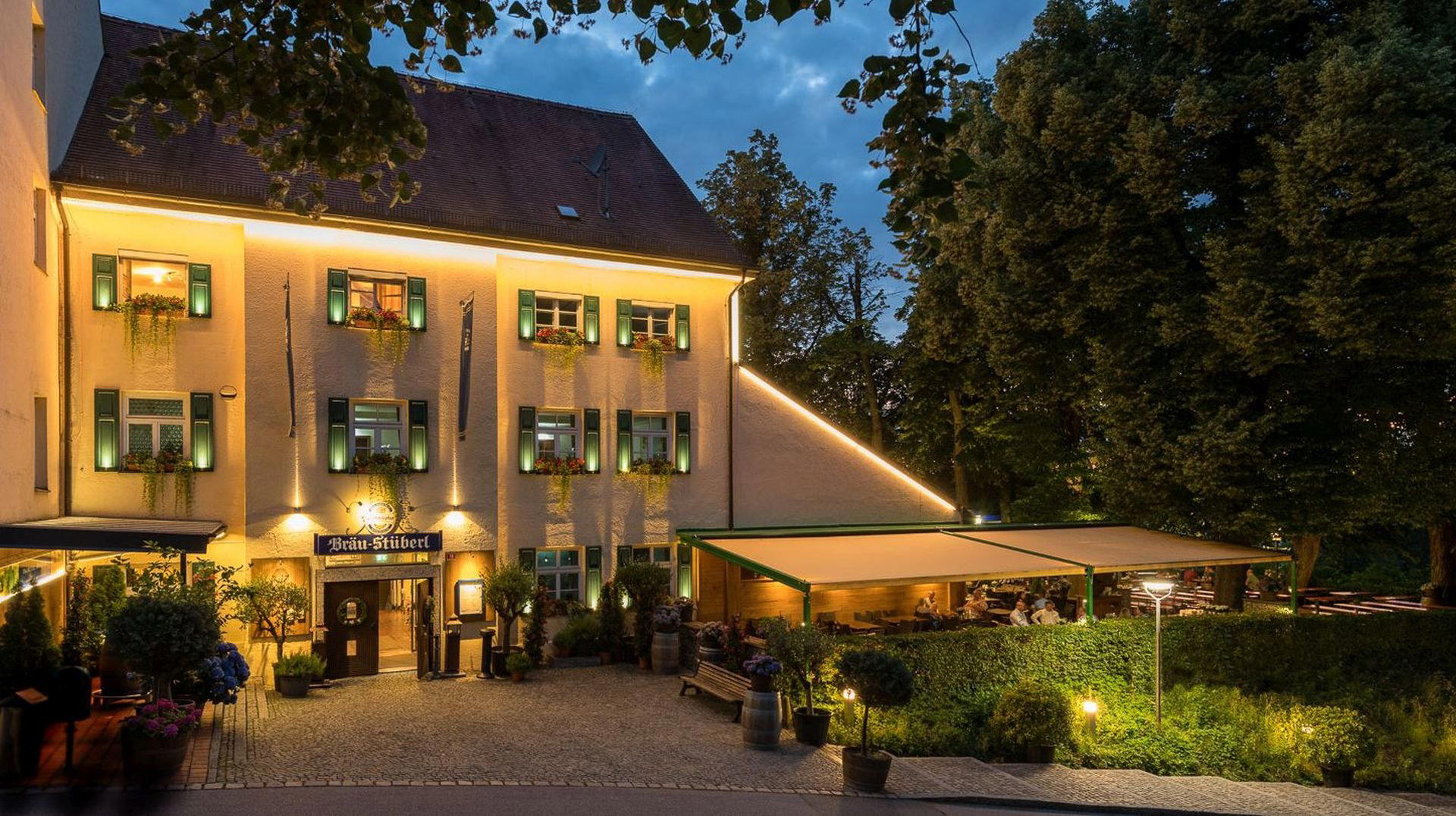
Perched on the Weihenstephaner Berg above Freising, Bräustüberl Weihenstephan draws its identity from one of the world's oldest continuously operating brewery sites — a Benedictine institution whose origins trace back over a thousand years. The beer garden and traditional tavern format places it firmly within Bavaria's most rooted drinking-and-dining culture, where provenance is the point and ceremony is built into the pour.

Pearl is the En Primeur Club membership app — saves, bookings, and concierge access live there. Same editors, same standards.
- Address
- Weihenstephaner Berg 10, 85354 Freising, Germany
- Phone
- +4981618866940
- Hours
- Daily 10 AM–11 PM
- Directions
- Get directions
- Booking
- Book on the venue's website
The menu
What to order
- Obazda
- Schweinsbraten
- Schweinshaxe
- Wiener Schnitzel
Where Brewing History Meets the Bavarian Table
The approach to Weihenstephaner Berg tells you what kind of place this is before you arrive. The hill above Freising has been associated with monastic brewing since at least the eleventh century — the site is widely cited as one of the oldest continuously operating brewery locations in the world, a credential that shapes everything from the architecture to the atmosphere inside the Bräustüberl. Long wooden benches, low ceilings, and the particular hum of a room where most people already know what they're ordering: this is a tavern format that has not drifted toward reinvention, because reinvention would miss the point.
In the broader context of Bavarian drinking culture, the Bräustüberl occupies a specific position. It is not a theme park reconstruction of a historic inn, nor a gastropub retrofitted with craft-beer branding. It sits in the lineage of the institutional Wirtshaus — the kind of establishment whose authority comes from continuity rather than from a recent award or a rebranding cycle. That continuity is most visible in the beer itself, brewed on the same hill under the stewardship of Weihenstephan, the state-owned Bavarian brewery whose name the tavern shares.
The Source Is the Argument
From an ingredient-sourcing perspective, few European tavern formats can match the compressed supply chain of a brewery-attached Bräustüberl. The beer travels the shortest possible distance from production to glass. That vertical proximity, brewery to tap to table, is the defining feature of this format, and it shapes how the food is conceived. Traditional Bavarian tavern menus are built to complement the beer rather than compete with it for attention: Obatzda (a seasoned soft-cheese preparation), Brezn, Weißwurst served before the noon cutoff as local custom dictates, roast pork with a crackling crust, and the category of cold-plate preparations that hold their own at room temperature and encourage another round.
This relationship between beer and food at a brewery-attached tavern is not accidental. It reflects a centuries-old logic of production and consumption that predates modern restaurant culture. The kitchen is in service of the brewery, not the reverse. That hierarchy gives the food a specificity you rarely encounter at restaurants that source beer as an afterthought. At sites like this one, the question of what to eat is answered in relation to what you're drinking, which is always the house product, brewed on the premises it's being served.
For comparison with how the ingredient-sourcing conversation plays out at the opposite end of the German dining spectrum, consider how tasting-menu-led restaurants such as ES:SENZ in Grassau or Schanz in Piesport approach provenance as a narrative architecture, each course tracing a single ingredient to a named farm or forager. The Bräustüberl's sourcing story is simpler and older: the main ingredient is made here, and the food follows from that fact.
The Beer Garden Tier in Bavaria
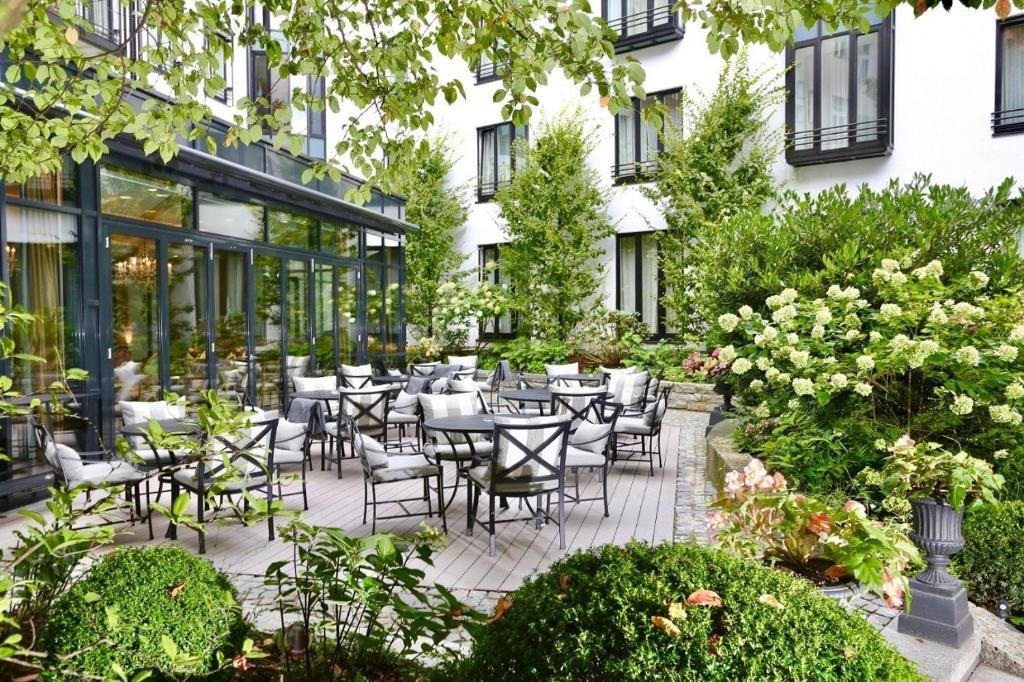
Bavaria's beer garden tradition operates on a tiered logic that visitors often misread. Not all beer gardens are equivalent. The institutional brewery gardens, attached to operating breweries, often with historic buildings on the same land, carry a different cultural weight than the municipal leisure gardens or the terrace seating bolted onto a city-centre restaurant. The Bräustüberl Weihenstephan's outdoor seating sits within the latter category: grounds associated with the brewery complex itself, overlooking the Freising plain, with the Benedictine legacy embedded in the physical setting.
This matters for understanding the experience. You are not eating lunch on a repurposed industrial rooftop or a riverside deck managed by a hospitality group. You are sitting in a place whose use as a gathering point for the community around this hill predates most of what we now call restaurant culture. The seasonal dimension is significant: a summer afternoon in this beer garden, with the Weihenstephan hills behind you and a half-litre of the house lager on the table, is a different proposition from a winter afternoon inside the Stüberl, where the enclosed warmth and the noise of the room carry their own character.
Freising's dining scene, which includes Freisinger Augustiner and the farm-to-table approach of Gasthaus Landbrecht, reflects a city that has not been fully absorbed into the Munich orbit despite its proximity. The Bräustüberl sits at the traditional end of that spectrum, a counterweight to the aspiration visible at Kathi's Steakhaus and at the Munich fine-dining addresses such as JAN in Munich. These are two different conversations about what eating in this region means.
For those building a broader picture of serious German dining, EP Club also covers three-Michelin-star territory at Schwarzwaldstube in Baiersbronn, Aqua in Wolfsburg, Vendôme in Bergisch Gladbach, Victor's Fine Dining by Christian Bau in Perl, and Waldhotel Sonnora in Dreis. These represent the other end of the German dining conversation, and understanding both ends clarifies what each is doing. The Bräustüberl is not trying to be any of those places. The format has a different ambition: to do one thing with the authority that comes from having done it continuously for longer than most wine regions have existed.
Planning Your Visit
The Bräustüberl sits at Weihenstephaner Berg 10, 85354 Freising, the brewery complex is accessible from the Freising city centre on foot, with the hill climb adding a physical dimension to the arrival that sharpens the sense of arrival. Munich is approximately 35 kilometres to the south, making this a logical half-day excursion rather than a standalone city-break destination. The beer garden operates seasonally and depends on weather; the indoor Stüberl offers year-round access. Walk-in is the standard approach for this format, reservations are not the operative concept here. If you are building a broader Freising itinerary, see our full Freising restaurants guide for the complete picture.
For context on how other German cities handle their equivalent of the traditional tavern-to-fine-dining range, EP Club covers Restaurant Haerlin in Hamburg, CODA Dessert Dining in Berlin, and Bagatelle in Trier. Beyond Germany, the institutional-dining-attached-to-production model has international parallels worth tracking, from L.A. Jordan in Deidesheim's winery-restaurant format to the produce-driven community tables at Lazy Bear in San Francisco. The logic of place-as-ingredient runs across formats and price points; the Bräustüberl simply has the oldest version of that argument in this part of Bavaria.
Frequently asked questions
Would Bräustüberl Weihenstephan be comfortable with kids?
Bavarian Bräustüberl culture is family-oriented by tradition, and the Weihenstephaner Berg site — with its open-air beer garden setting above Freising — suits families across age groups. The format is communal and informal, with long bench seating typical of institutional brewery gardens rather than the closer-quarters atmosphere of a formal restaurant. Children are a standard presence at this style of venue.
What's the vibe at Bräustüberl Weihenstephan?
The setting on Weihenstephaner Berg gives the Bräustüberl a distinct sense of remove from Freising below — a hilltop brewery complex that has operated in some form for centuries. Inside, expect the standard Bavarian Bräustüberl register: wooden furniture, long communal tables, and a pace set by beer rather than a kitchen timetable. It reads as an institutional venue with genuine historical grounding, not a reconstructed tourism product.
How does Bräustüberl Weihenstephan relate to the Weihenstephan brewing school and its history in Freising?
The Bräustüberl sits within the same Weihenstephaner Berg complex that houses the Technical University of Munich's campus for brewing and food technology — one of the most referenced brewing faculties in the German-speaking world. That proximity means the tavern operates in a context where professional brewing knowledge is literally across the grounds, giving it a different institutional character than a standard gasthaus in Freising. The hill's documented association with monastic brewing predates the university by several centuries.
What's the best thing to order at Bräustüberl Weihenstephan?
The beer is the central argument for a visit. Weihenstephan holds the claim of being among the oldest continuously operating breweries in the world, and ordering from the Weihenstephaner range on-site — poured at the source — is the point of coming to Weihenstephaner Berg 10 rather than finding the same bottles elsewhere. Traditional Bavarian tavern food accompanies the beer, consistent with the format across comparable institutional brewery Bräustübern in the region.
Where is Bräustüberl Weihenstephan located?
Bräustüberl Weihenstephan is located at Weihenstephaner Berg 10, 85354 Freising, Germany, Freising.
What's the best way to book Bräustüberl Weihenstephan?
For large groups, contacting the Bräustüberl directly in advance is advisable, particularly during summer when the beer garden at Weihenstephaner Berg draws significant numbers from both Freising and Munich day-trippers. For individual visits or small parties, walk-in is the conventional approach at this style of venue.
How It Stacks Up
Comparable venues nearby, for context on price, style, and recognition.
| Venue | Cuisine | Price | Awards | Notes |
|---|---|---|---|---|
| Bräustüberl WeihenstephanThis venue — the venue you are viewing | Traditional Bavarian Beer Hall | $20–30 | Not listed | Not listed |
| Gasthaus Landbrecht | Traditional Bavarian Regional | $30–50 | Michelin Plate | Haindlfing |
| Kathi's Steakhaus | Premium German Steakhouse | $50–100 | Not listed | Freising |
| Freisinger Augustiner | Traditional Bavarian Beer Restaurant | $20–30 | Not listed | Stadtmitte |
| Wirtshaus in der Au | Traditional Bavarian with Innovative Dumplings | $20–30 | Not listed | Au |
| Deutsche Eiche | Modern Bavarian | $20–30 | Not listed | Isarvorstadt |
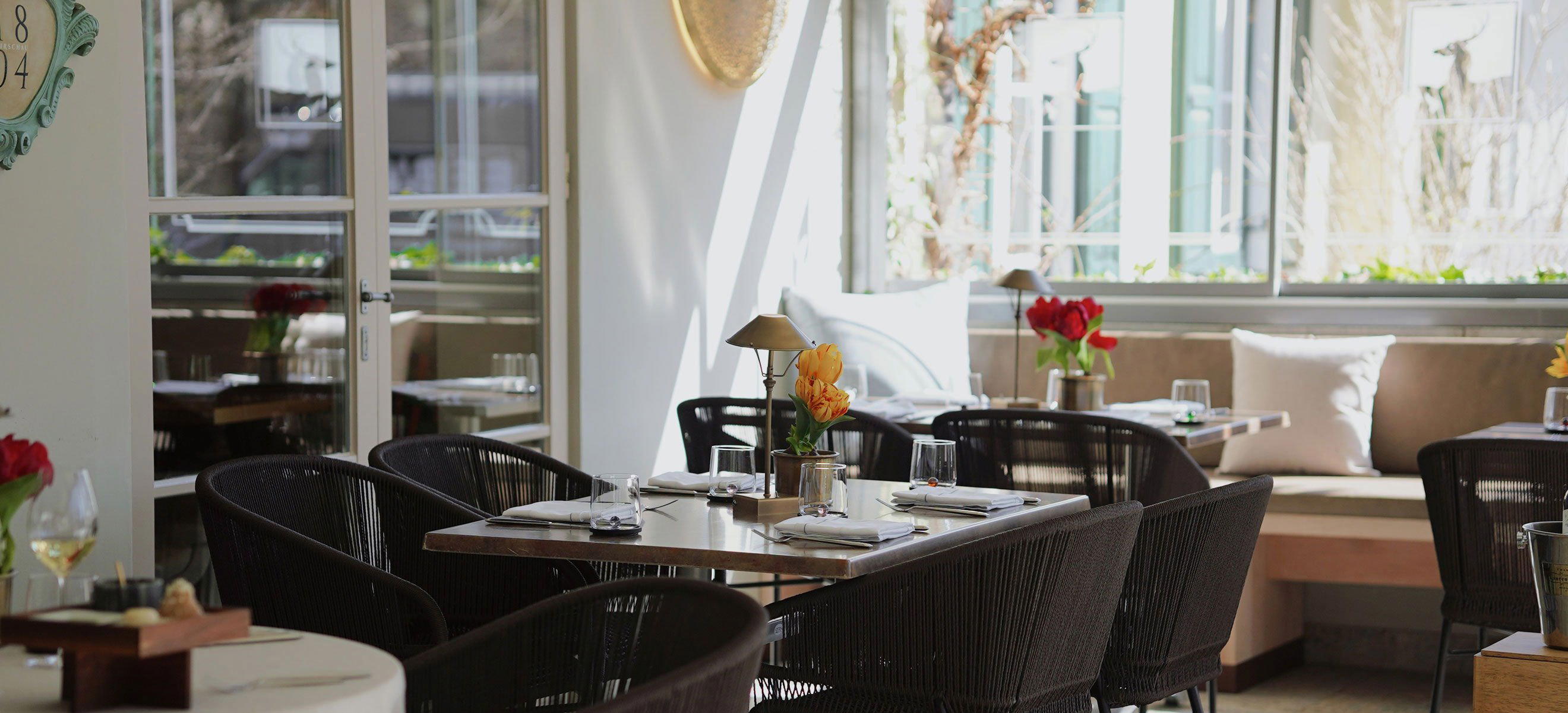
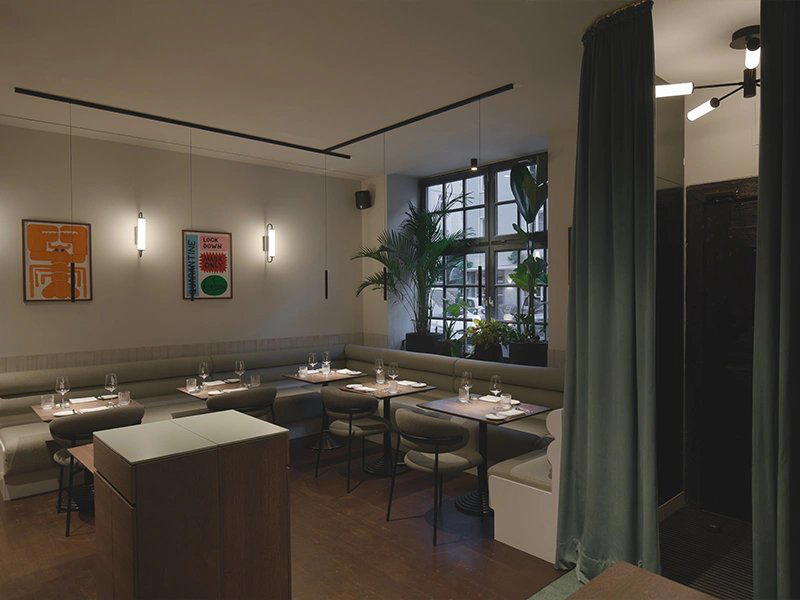
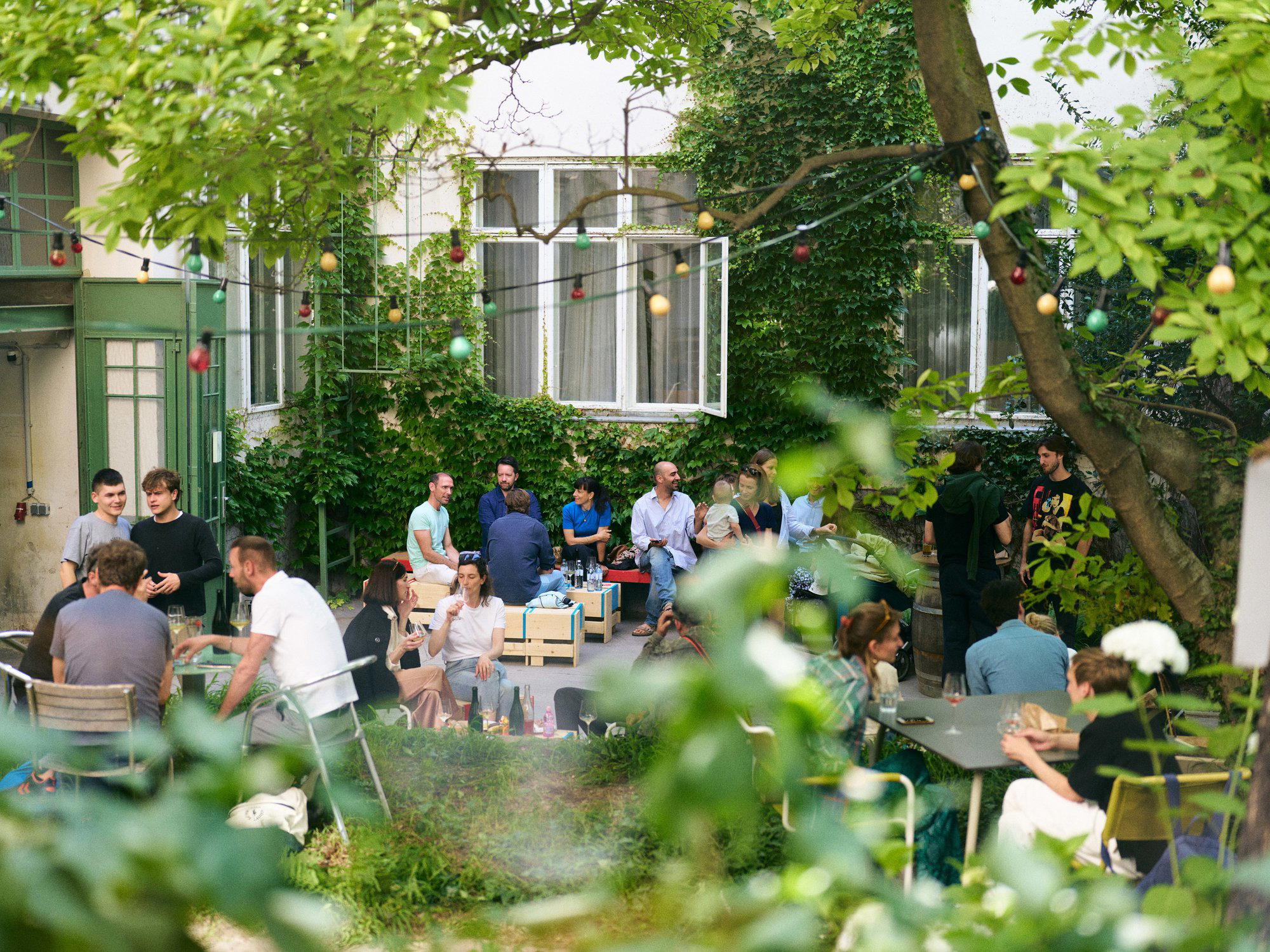
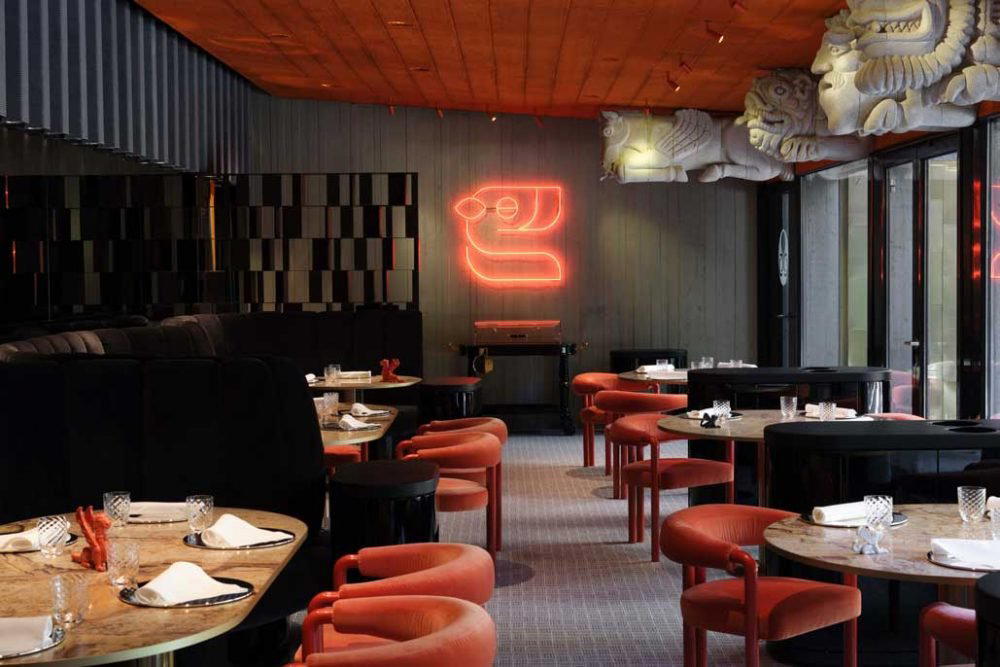

Bräustüberl Weihenstephan
The wine
- Wine program
- Curated wine list
- Beer program
Details
- Rustic
- Classic
- Cozy
- Well Known
- Group Dining
- Casual Hangout
- Celebration
- Historic Building
- Open Kitchen
- Beer Garden
- Beer Program
- A La Carte
- Beer Program
- Vegetarian Friendly
- Vegan Options
- Gluten Free Options
Current opening hours
- Monday
- 10 AM–11 PM
- Tuesday
- 10 AM–11 PM
- Wednesday
- 10 AM–11 PM
- Thursday
- 10 AM–11 PM
- Friday
- 10 AM–11 PM
- Saturday
- 10 AM–11 PM
- Sunday
- 10 AM–11 PM
Hours can change for holidays and private events. Last verified .
Traditional Bavarian beer hall and garden with cozy stüberl rooms, energetic atmosphere, and rustic historic charm.