On Queen Street West, The Grand Indian Dining sits where Toronto's most concentrated stretch of independent restaurants meets a neighbourhood defined by creative restlessness. Indian cooking in this city has moved well beyond the cautious centre, and this address on the 500 block positions itself inside that shift, drawing a room that takes both the cuisine and the glass seriously.
Pearl is the En Primeur Club membership app — saves, bookings, and concierge access live there. Same editors, same standards.
- Address
- 507 Queen St W, Toronto, ON M5V 2B4, Canada
- Phone
- +14376602815
- Website
- thegrandindiandining.com
- Directions
- Get directions
 Saves & bookings on Pearl
Queen West and the Indian Table
Queen Street West between Bathurst and Ossington has spent the better part of two decades sorting itself into one of Toronto's most competitive dining corridors. The addresses here do not survive on foot traffic alone; the neighbourhood's regulars are opinionated, and the turnover among restaurants that fail to establish a clear identity is swift. The Grand Indian Dining, at 507 Queen St W, occupies a stretch where the competition for the mid-evening hour includes everything from established contemporary tasting menus to the kind of Italian and Japanese counters that draw reservations months in advance. Positioning an Indian table in this context is a deliberate act, and the address signals a certain confidence in what the kitchen is doing.
Toronto's Indian restaurant scene has historically concentrated around Gerrard Street East, the strip long associated with the city's South Asian community, and in suburban clusters across Scarborough and Brampton. What has changed in recent years is the emergence of Indian cooking in the downtown core that is not operating in reference to that geography. Restaurants on Queen West, King West, and the Entertainment District are building Indian menus for rooms where the comparable set is Alo (Contemporary) or DaNico (Italian), not the buffet houses of an earlier era. The Grand Indian Dining places itself in that newer cohort.
The Room and What You Read From It
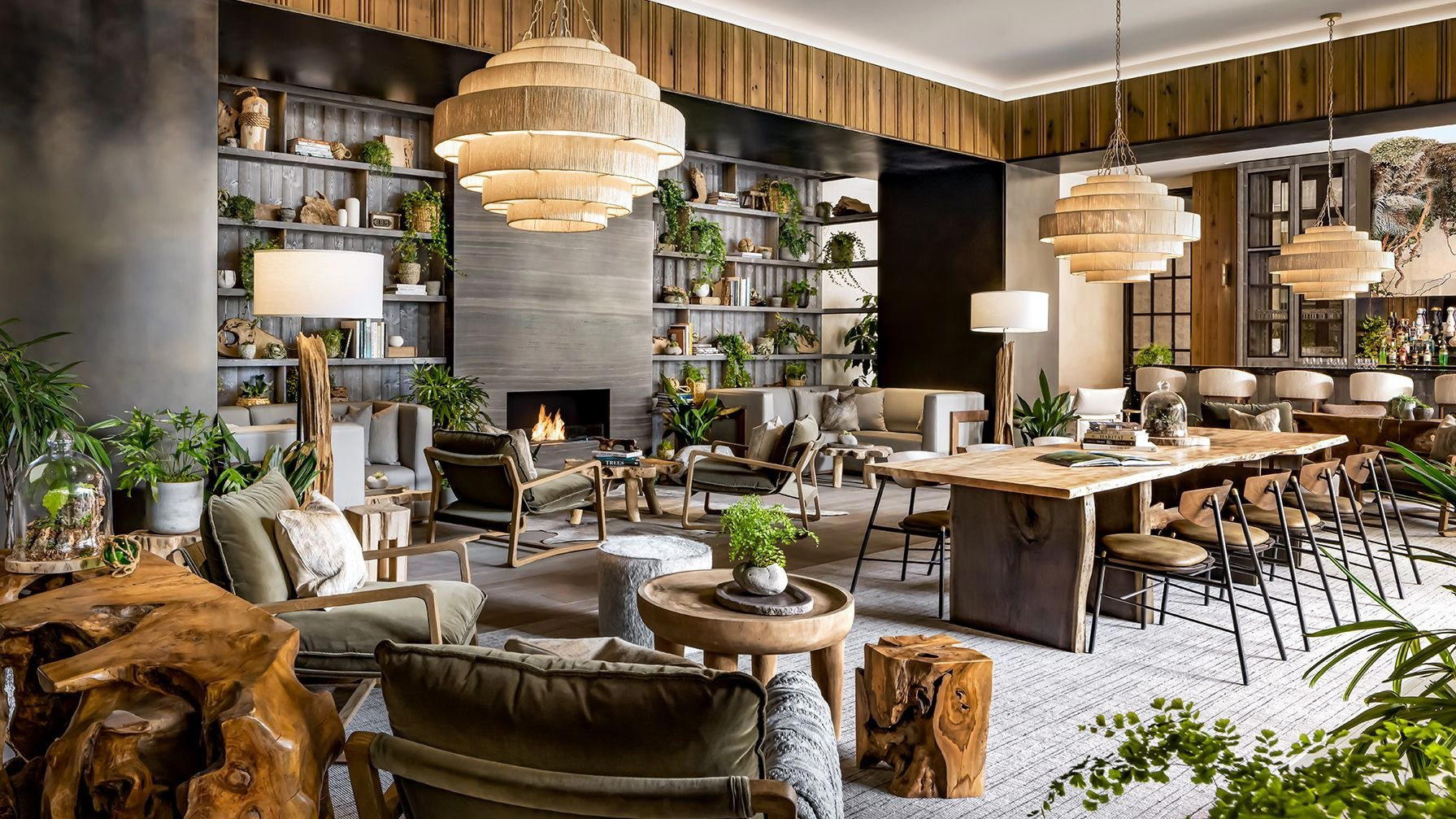
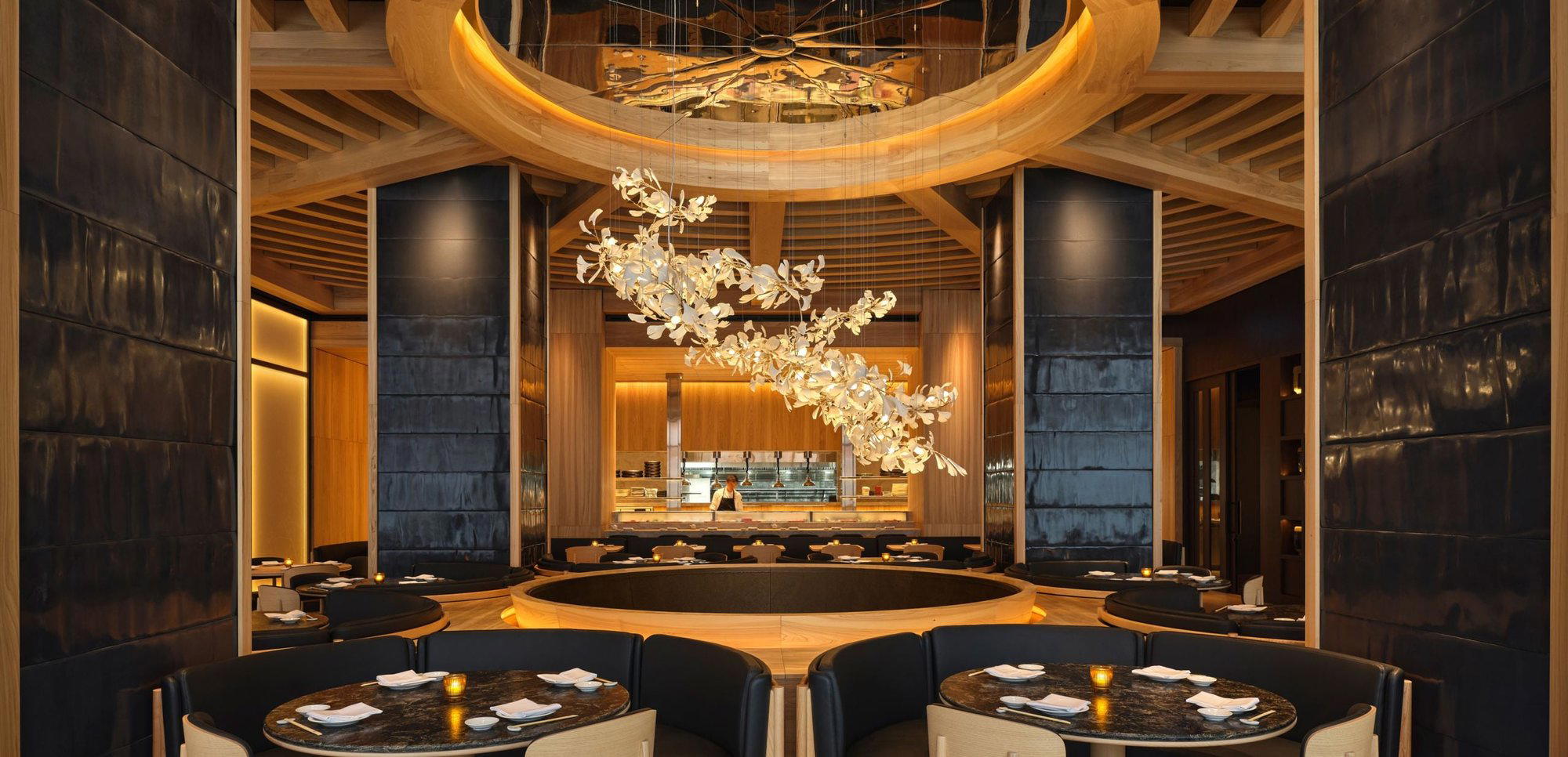
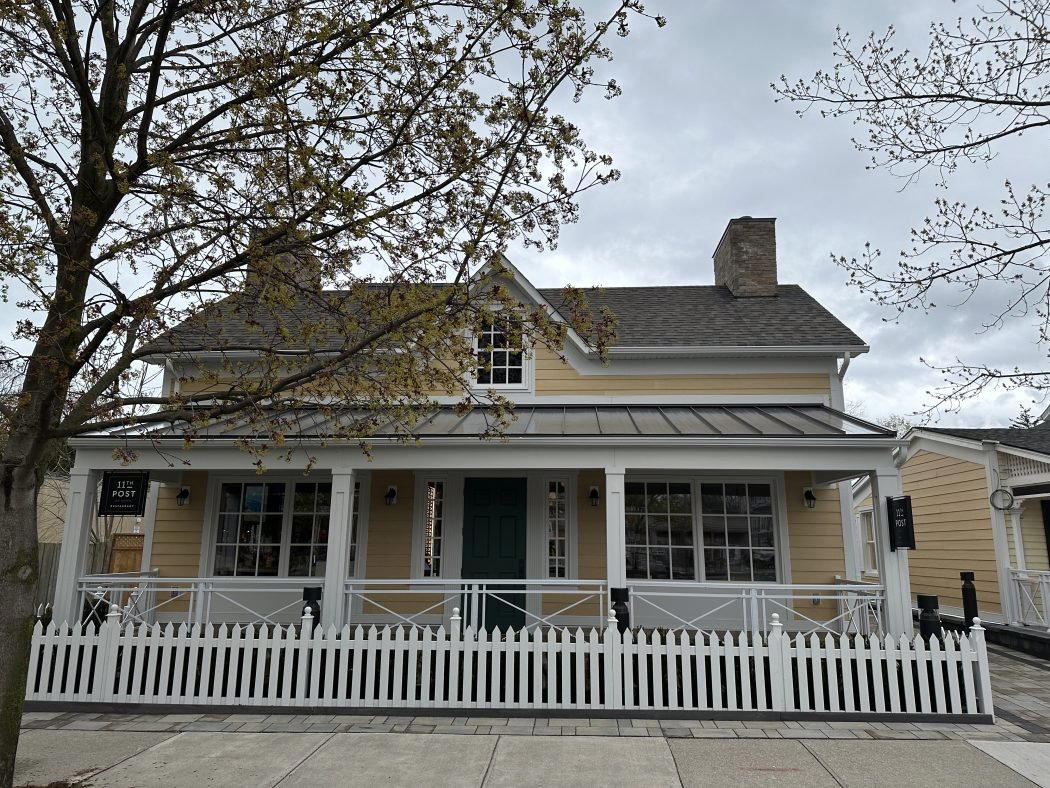
The physical environment on this block tends toward the considered rather than the casual. Properties at this price tier on Queen West have learned that the room itself communicates before any menu arrives. The 500 block runs close enough to Trinity Bellwoods that the after-park crowd is part of the early seating demographic, while the later tables fill with diners making a deliberate evening of it. Indian dining rooms in this part of the city that have succeeded tend to invest in acoustics and lighting in ways that older neighbourhood institutions never needed to; the expectation of the room has changed alongside the food.
The Wine Question at an Indian Table
The pairing challenge at an Indian table is one the industry has wrestled with publicly for years. High-acid whites, off-dry Rieslings, and the broader category of Alsatian varietals have been the conventional answer for a long time, but the conversation has matured. Sommeliers working serious Indian rooms now look at the dish-by-dish variation across a subcontinental menu and recognize that a single wine strategy does not hold. A Chettinad preparation and a Kashmiri dish are not asking for the same glass, any more than a grilled whole fish and a braised short rib would at a European tasting counter.
Toronto as a wine city has benefited from Ontario's own Vintners Quality Alliance appellation, and the LCBO's agency import stream gives downtown restaurants access to a wider international range than many Canadian cities can draw from. For an Indian table operating in a competitive neighbourhood, the wine list is both a signal and a commercial decision. Diners at this price point on Queen West are accustomed to the depth of list they see at Don Alfonso 1890 (Contemporary Italian, Italian) or the precision pairing approach that defines the room at Aburi Hana (Kaiseki, Japanese). An Indian table that brings equivalent seriousness to its cellar is making a clear statement about where it positions itself in the city's dining hierarchy.
Across the broader category, particularly credible Indian restaurant wine programs tend to organize by texture and weight rather than by region or varietal convention. Skin-contact whites, light reds with low tannin, and sparkling wine as a structural anchor throughout the meal have all gained traction in London and New York Indian rooms that have attracted serious critical attention. The logic translates directly: Indian cooking's complexity of spice and fat calls for wines that have enough character to contribute to the conversation without overpowering preparations that are already doing significant work on their own. Rooms like Atomix in New York City have demonstrated how Korean fine dining can build a wine program that commands independent respect; there is no structural reason an Indian table cannot do the same.
Canadian Context: Where This Fits Nationally
Within Canada's fine dining conversation, Indian cooking occupies a smaller share of the critical dialogue than its urban audience warrants. The country's most-discussed restaurants trend toward Canadian-ingredient-forward menus, contemporary French technique, and Japanese formats. Tanière³ in Quebec City, AnnaLena in Vancouver, and Jérôme Ferrer - Europea in Montreal each represent a European-rooted sensibility that has historically dominated national food media. Rural Ontario's most-discussed addresses, from Restaurant Pearl Morissette in Lincoln to Eigensinn Farm in Singhampton and The Pine in Creemore, are similarly grounded in ingredient provenance narratives that draw from European cooking traditions.
What this means for an Indian table in downtown Toronto is that the critical infrastructure for recognizing and rewarding ambition in this cuisine is still forming at the national level. That is not a disadvantage for the diner; it means that rooms doing serious work are often operating ahead of the recognition they will eventually receive. The comparison is instructive: Toronto's Japanese counter scene built significant critical reputation before the formal award structures fully caught up. Sushi Masaki Saito (Sushi, Japanese) now occupies a position that reflects years of accumulated credibility in a format that was, not long ago, underrepresented in the city's upper dining tier.
Planning Your Visit
Address: 507 Queen St W, Toronto, ON M5V 2B4. Neighbourhood: Queen West, within walking distance of Trinity Bellwoods Park and the Ossington strip. Getting there: The 501 Queen streetcar stops at this block; the area is cycling-accessible and has limited street parking. Dress: Queen West's dining rooms at this tier are generally smart-casual without enforced codes. Timing: Weekend seatings in this corridor fill quickly; weeknight visits offer more flexibility.
Cuisine and Awards Snapshot
Comparable venues nearby, for context on price, style, and recognition.
| Venue | Cuisine | Price | Notes |
|---|---|---|---|
| The Grand Indian DiningThis venue — the venue you are viewing | Authentic Indian | $$ | Not listed |
| South Indian Dosa Mahal (Bloor/Lansdowne) | South Indian Dosa Specialists | $$ | Wallace Emerson |
| Lahore Tikka House | Authentic North Indian & Pakistani | $$ | Little India |
| Queen Mother Cafe | Global Comfort Food with Lao-Thai Influence | $$ | Queen West |
| Patois | Caribbean-Asian Fusion | $$ | Little Italy |
| Little Ese | Fusion Pizza & Comfort Food | $$ | Trinity Bellwoods |
Continue exploring
More in Toronto
Restaurants in Toronto
Browse all →
Bars in Toronto
Browse all →
Hotels in Toronto
Browse all →

At a Glance
- Cozy
- Intimate
- Casual Hangout
- Special Occasion
Current opening hours
- Monday
- 5 PM–12 AM
- Tuesday
- 2 PM–12 AM
- Wednesday
- 2 PM–12 AM
- Thursday
- 12:30 PM–12 AM
- Friday
- 12 PM–1 AM
- Saturday
- 12 PM–1 AM
- Sunday
- 12 PM–12 AM
Hours can change for holidays and private events. Last verified .
Cozy and welcoming with a lively yet intimate atmosphere.