Kinka Izakaya Original on Church Street is Toronto's foundational address for Japanese izakaya dining, occupying a tier that sits well below the city's omakase counters in price but carries comparable seriousness about Japanese drinking-and-eating culture. The format, shared plates, grilled skewers, strong sake and shochu lists, positions it against a different comparable set than the kaiseki and sushi rooms that dominate Toronto's Japanese fine-dining conversation.
Pearl is the En Primeur Club membership app — saves, bookings, and concierge access live there. Same editors, same standards.
- Address
- 398 Church St, Toronto, ON M5B 2A2, Canada
- Phone
- +1 416 977 0999
- Website
- kinkaizakaya.com
- Directions
- Get directions
 Saves & bookings on Pearl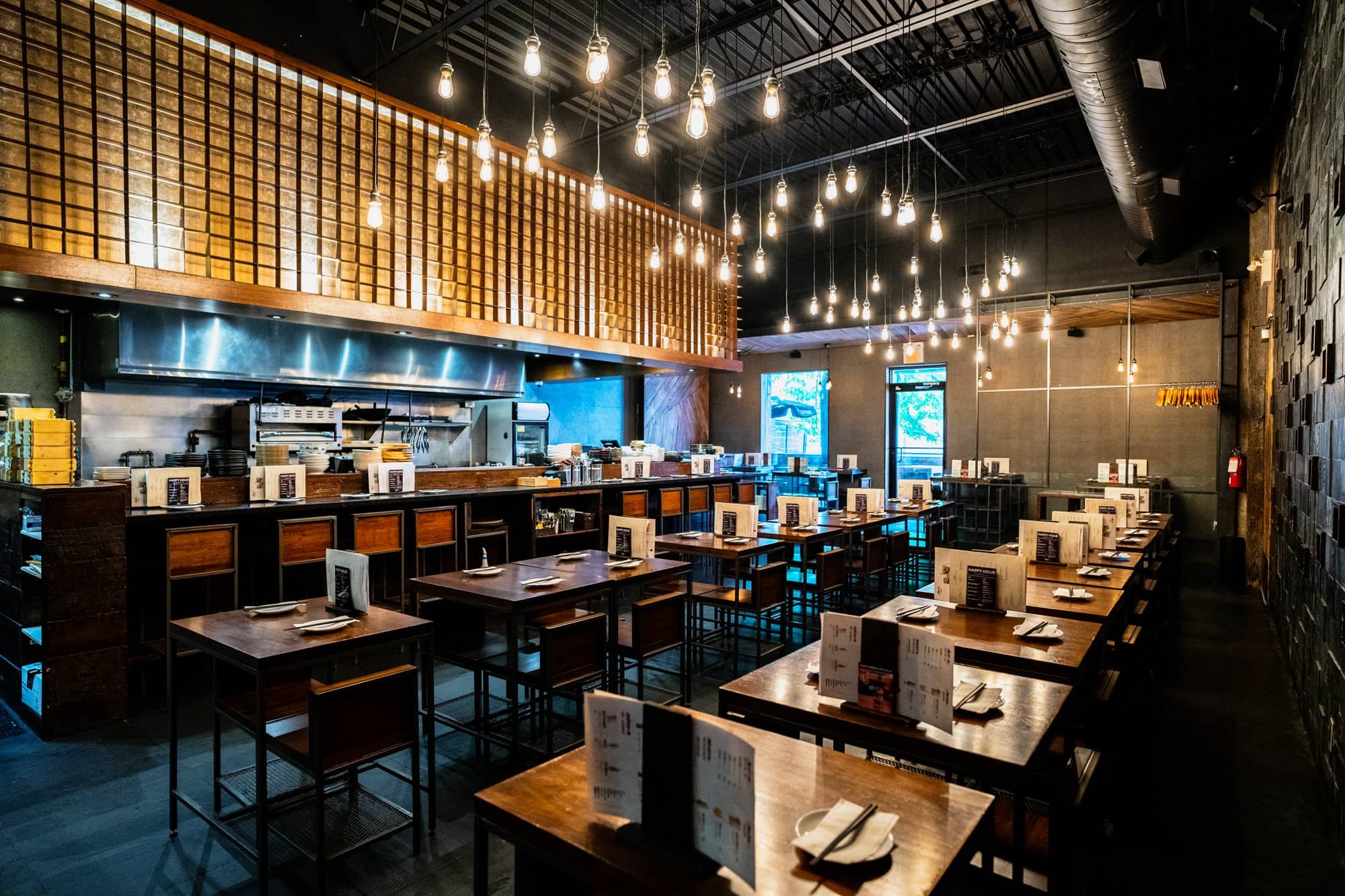
Toronto's Izakaya Tier and Where Kinka Sits
Japanese dining in Toronto has stratified sharply over the past decade. At the leading end, the city now holds a credible omakase tier anchored by rooms like Sushi Masaki Saito and Aburi Hana. Below that sits a mid-market Japanese segment that for years was thinner than a city of Toronto's size warranted. The izakaya format filled part of that gap, and Kinka Izakaya Original on Church Street became a reference point for what a serious Canadian take on that format could look like.
The izakaya tradition functions as a place to drink well, eat across a wide range of small preparations, and stay longer than a conventional dinner service allows. The format demands ingredient breadth more than ingredient preciousness, the quality signal comes from the range and execution of the spread rather than from a single composed centrepiece dish. That breadth, and the sourcing discipline it requires, is where operations like Kinka either justify their reputation or fall short of it.
The Ingredient Logic Behind the Izakaya Format
Izakaya kitchens cover more sourcing categories simultaneously than most Western restaurant formats require. A single evening's order might move across grilled proteins on skewer, cold composed dishes, deep-fried items, raw preparations, and simmered or braised sections. Each of those categories has its own sourcing logic. Yakitori-style skewers depend on the quality and cut precision of the protein. Sashimi-adjacent preparations require the same supply chain discipline that feeds the omakase rooms. Fried items and simmered dishes are where ingredient quality often gets disguised in other operations but reveals itself in texture and flavour depth over the course of a long meal.
That supply chain complexity is part of why the izakaya format, done properly, sits in a different competitive conversation than casual Japanese restaurants. It is not cheaper because it is simpler. It is differently priced because it serves a different social function, one where the average spend per head scales with how long the table stays and how far down the drinks list they travel.
Church Street as a Dining Address
Church Street in downtown Toronto has a character distinct from the city's more concentrated dining corridors. It runs through a neighbourhood with strong community identity and a retail and hospitality mix that skews toward independent operators rather than chain formats. The block around 398 Church sits within walking distance of both the Financial District and the Cabbagetown edge, which gives it a cross-demographic draw that purely neighbourhood restaurants don't always get. Evening foot traffic on Church pulls from office workers, residents, and visitors, which gives an izakaya format a natural audience: a place where groups of varied size and purpose can all find a functional format.
The Church Street address provides a useful counterpoint to higher-spend rooms concentrated further west and north. The city's most formally ambitious dining, including Alo and the Italian rooms like DaNico and Don Alfonso 1890, sits in a different price tier. Kinka operates in the space where the food is serious but the format permits informality.
Ordering Logic and What to Prioritise
The izakaya format rewards a particular ordering discipline that first-time visitors sometimes miss. The instinct is to anchor the table on one or two large items. The correct approach is the reverse: build across the menu's sections from the start, treat the skewers and cold dishes as early-order items, and allow the table's appetite to accumulate rather than peak at a single dish. Drinks pacing matters here too. Sake and shochu lists at serious izakaya operations are not decorative additions; they're integral to the meal's structure in a way that wine lists at Western restaurants often aren't.
Those who approach izakaya dining with omakase expectations will find the format resistant to that reading. There is no single signature dish in the sense that a tasting menu has a signature course. The meal's signal is aggregate rather than singular. That is not a weakness in the format; it is the format's point.
Kinka in the Context of Canadian Japanese Dining
The broader Canadian conversation about Japanese cuisine has become more sophisticated over the past five years. Cities like Vancouver have long held strong Japanese dining communities, with spots like AnnaLena demonstrating how local-ingredient thinking intersects with global technique. Toronto's development has been somewhat later but has accelerated. The izakaya tier in particular has benefited from growing familiarity with the format among Canadian diners who have travelled in Japan or encountered the model in Vancouver and New York.
That familiarity shift matters for ingredient sourcing expectations. Diners who understand the izakaya tradition know what high-grade tofu, properly rested proteins, and quality dashi-based preparations should taste like. Operations that imported the format aesthetically without the sourcing rigour have found those diners unforgiving. Kinka's original Church Street location carrying the weight it does in the local conversation reflects that it has survived a more educated customer base than the one it opened to.
For context on how other Canadian restaurant traditions approach provenance and local sourcing, the range is instructive. Eigensinn Farm in Singhampton and Fogo Island Inn Dining Room represent the extreme of farm-to-table and place-to-table sourcing in the Canadian context. Restaurant Pearl Morissette in Lincoln and Tanière³ in Quebec City show what regional-ingredient ambition looks like at the tasting menu tier. The izakaya model doesn't perform provenance in the same way those rooms do, but the sourcing decisions are no less consequential to the quality of what arrives at the table.
Know Before You Go
Address: 398 Church St, Toronto, ON M5B 2A2
Format: Izakaya, shared plates, skewers, sake and shochu focused drinks list
Price tier: Mid-market relative to Toronto's Japanese dining range; well below omakase counter pricing
Booking: Reservations are recommended; walk-ins are possible at the bar during off-peak hours, but evenings typically require a reservation
Leading approach: Order across multiple sections from the start rather than anchoring on one or two items; the meal builds across the table rather than peaking at a single course
Nearest peers: Sits in a different tier and format category than the city's omakase and kaiseki rooms; comparable within the izakaya and Japanese pub format specifically
At a Glance
Comparable venues nearby, for context on price, style, and recognition.
| Venue | Cuisine | Price | Notes |
|---|---|---|---|
| KINKA IZAKAYA ORIGINALThis venue — the venue you are viewing | Not listed | $$ | Not listed |
| Hapa Toronto | Not listed | $$ | Palmerston-Little Italy, Modern Japanese Izakaya Tapas |
| KINKA IZAKAYA ANNEX | Harbord Village, Japanese Izakaya | $$ | Not listed |
| Boku | Not listed | $$ | Waterfront Communities-The Island, Pan-Asian Ramen & Noodle Bar |
| Kevin's Taiyaki | Koreatown, Japanese Taiyaki | $ | Not listed |
| Terroni | Not listed | $$ | Church-Yonge Corridor, Southern Italian Pizza and Pasta |
Continue exploring
More in Toronto
Restaurants in Toronto
Browse all →
Bars in Toronto
Browse all →
Hotels in Toronto
Browse all →

At a Glance
- Lively
- Energetic
- Trendy
- Group Dining
- Casual Hangout
- Late Night
- Open Kitchen
- Sake Program
Current opening hours
- Monday
- 5–10:30 PM
- Tuesday
- 5–10:30 PM
- Wednesday
- 5–10:30 PM
- Thursday
- 5–10:30 PM
- Friday
- 5 PM–12 AM
- Saturday
- 5 PM–12 AM
- Sunday
- 5–10:30 PM
Hours can change for holidays and private events. Last verified .
Cozy with moderate noise, open kitchen, and energetic vibe.