
Sakaiya Honten sits in Okayama’s serious izakaya lane: seafood-led Japanese cooking, sake and shochu strength, and recognition in Tabelog’s Izakaya WEST 100 for 2025, with prior selections in 2024, 2022, and 2021. The appeal is not ceremony for its own sake, but the cultural grammar of a good Japanese tavern: fish, drink, small-group conversation, and a room built for lingering.
Pearl is the En Primeur Club membership app — saves, bookings, and concierge access live there. Same editors, same standards.
- Address
- Japan, 〒700-0827 Okayama, Kita Ward, Heiwacho, 1−14 SANPEIハイツ 1階
- Phone
- +81 86-226-0737
- Website
- sakaiyahonten.com
 Saves & bookings on Pearl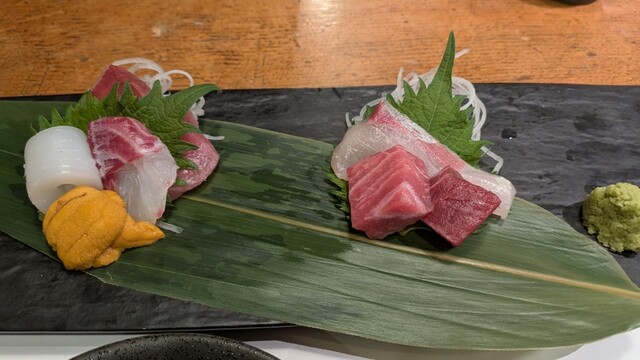
Heiwacho is a central Okayama pocket where the evening economy narrows from station movement into smaller rooms: counters, tatami, bottles, and regulars choosing food over transit. Here, the serious izakaya is not a fallback but a complete dining form, with seafood, sake, shochu, and Japanese cooking paced by appetite rather than courses. Sakaiya Honten belongs to that older rhythm: counter seats for watching the work, tatami rooms for groups, and a drink list built to stretch dinner late.
Okayama is often read through fruit, denim, gardens, and access to the Setouchi region, but its dining culture rewards attention to taverns as much as formal restaurants. The city has the geography for fish-focused cooking and the temperament for places between everyday and occasion dining. An izakaya at this level is neither snack bar nor tasting-menu restaurant; quality shows through sourcing, handling, repeat recognition, and the confidence to let alcohol and food share the table.
Fish-led izakaya culture, not a simplified pub template
“Japanese pub” understates izakaya. At the lower end, it can mean fried food and pitchers after work; at the serious end, it becomes a flexible Japanese restaurant with tavern pacing: sashimi, grilled or simmered dishes, seasonal specials, rice or noodles if the night calls for it, and carefully chosen drinks. Sakaiya Honten is classified across izakaya, seafood, and Japanese cuisine, a useful trio for ordering. Do not chase one signature item; let fish anchor the meal, then use sake or shochu as structure.
Recognition separates this tier from the field. The restaurant was selected for Tabelog’s Izakaya WEST 100 in 2025, after earlier selections in 2024, 2022, and 2021. Tabelog’s Hyakumeiten lists reward category depth rather than international luxury coding, making the signal especially relevant for izakaya. Michelin-style prestige often favors omakase counters and chef-led tasting rooms; an izakaya list notices a format locals actually use. A 3.64 Tabelog score places the venue in a competitive Japanese review environment where decimals matter and high category placement usually reflects sustained user confidence, not novelty.
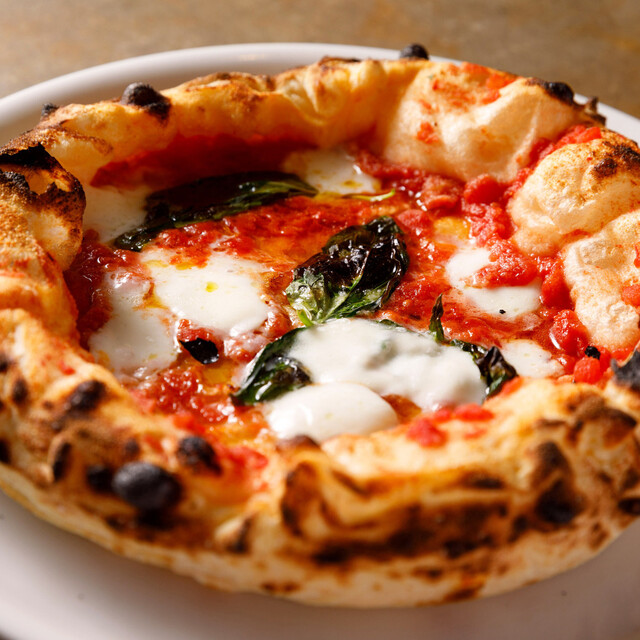
Within Okayama, that matters because the city’s dining map splits several ways. A broader itinerary might compare the izakaya lane with Italian-leaning rooms such as 400℃ Mori No Machi, 400℃ Pizza, Cozzýs, and Duomo, or with Japanese dining at Hasunomi. The distinction is not cuisine alone but tempo. Pizza and pasta restaurants usually give the evening a clearer arc; Japanese taverns make the meal modular, responsive to appetite, drink choice, and mood.
The room explains how to use the meal
The seating mix says much about the intended audience: 46 seats, including an eight-seat counter and sunken kotatsu-style rooms, plus private rooms for small groups. The layout suits a polished izakaya: close enough for counter dining, flexible enough for friends, structured enough for a planned dinner. It also shows why this category carries cultural weight in Japan. A tavern meal can absorb business conversation, reunion, solo dining, or a long catch-up without changing the kitchen’s logic.
The drink program reinforces that reading. Sake and shochu are areas of emphasis, with wine and cocktails also available. In Japanese seafood taverns, sake is not an accessory but a parallel language for salt, fat, temperature, and timing. Shochu adds another register, especially for guests who prefer a drier or more spirit-forward evening. Wine and cocktails broaden the table without turning the place into a hybrid bar. The centre of gravity remains Japanese: fish, cooked dishes, rice culture, and alcohol as companion to food rather than pre-dinner performance.
Price places the experience in a useful bracket: a planned dinner, not a cheap station-area stop, yet below many formal kaiseki or sushi counters. This middle-premium izakaya space is where Japan often hides strong dining value: craft without rigidity, product without theatrical luxury, and a format that lets the table decide whether the night is light or extensive. For travelers, compare it not with casual chain izakaya but with category-recognized local restaurants that use the tavern form seriously.
Where it fits in an Okayama itinerary
Sakaiya Honten works as a counterpoint to the city’s daytime cultural circuit. Okayama Korakuen, the castle area, shopping arcades, and station-side hotels can make the city feel easy to process in one pass; dinner here argues for slowing down. Its neighbourhood position near Nishigawa Ryokudo Koen keeps it in the urban centre rather than a destination suburb, useful for travelers who want a serious meal without building the evening around transport.
For planning beyond one dinner, use our full Okayama restaurants guide to balance Japanese, Italian, and casual formats across the city. If the meal anchors a longer stay, our full Okayama hotels guide helps keep evening logistics sensible; our full Okayama bars guide is the better lens for after-dinner drinking; and broader regional planning can sit alongside our full Okayama wineries guide and our full Okayama experiences guide. Readers tracing Japanese dining styles across cities can compare the tavern mode with beef-focused dining at -Grilled beef Sukiyaki- KAMAKURA TANUKIAN 鎌倉 たぬき庵 in Kamakura, tuna and charcoal cooking at. 鮪と炭火焼き うお炭 秋葉原店 in Tokyo, café culture at.cafe in Osaka, contemporary dining at.know in Kumamoto, Vietnamese cooking in Japan at (Shoku) Vietnam in Kawasaki, curry specialization at [Curry Senmon Ten] Maruyama Kyoju. in Sapporo, sake-bar culture at Jōdo Saké Bar in Los Angeles, and rice-ball minimalism at Onigiri Time in Pasadena.
The editorial case is clear: choose this for an adult, seafood-led izakaya dinner where the category itself is the point. The awards history gives confidence, the seating mix gives range, and the drink focus gives the meal its cultural frame. In a city often treated as a stop between larger Kansai and Chugoku itineraries, this is the kind of dinner that makes Okayama feel less like a waypoint and more like a place with its own evening language.
Budget Reality Check
Side-by-side context: comparable cuisine and price.
| Venue | Cuisine | Price | Awards | Notes |
|---|---|---|---|---|
| Sakaiya HontenThis venue — the venue you are viewing | $$ | , | ||
| 穂浪 | Okayama, Traditional Japanese Kaiseki | , | , | |
| Kisetsu Ryori Katayama | $$$ | , | Heiwacho, Kita Ward, Okayama, Seasonal Japanese Izakaya | |
| 祥雲 | $$$ | , | Kita-ku, Traditional Japanese Crab Specialty | |
| Teppan Cuisine Nagao | $$$ | , | Marunouchi, Modern Teppanyaki & Wine in Okayama | |
| 天婦羅 たかはし | Higashichuocho, Edo-Style Tempura | $$$ | , |
Continue exploring
More in Okayama
Restaurants in Okayama
Browse all →
At a Glance
- Cozy
- Rustic
- Classic
- Intimate
- After Work
- Casual Hangout
- Group Dining
- Late Night
- Solo
- Historic Building
- Standalone
- Sake Program
- Beer Program
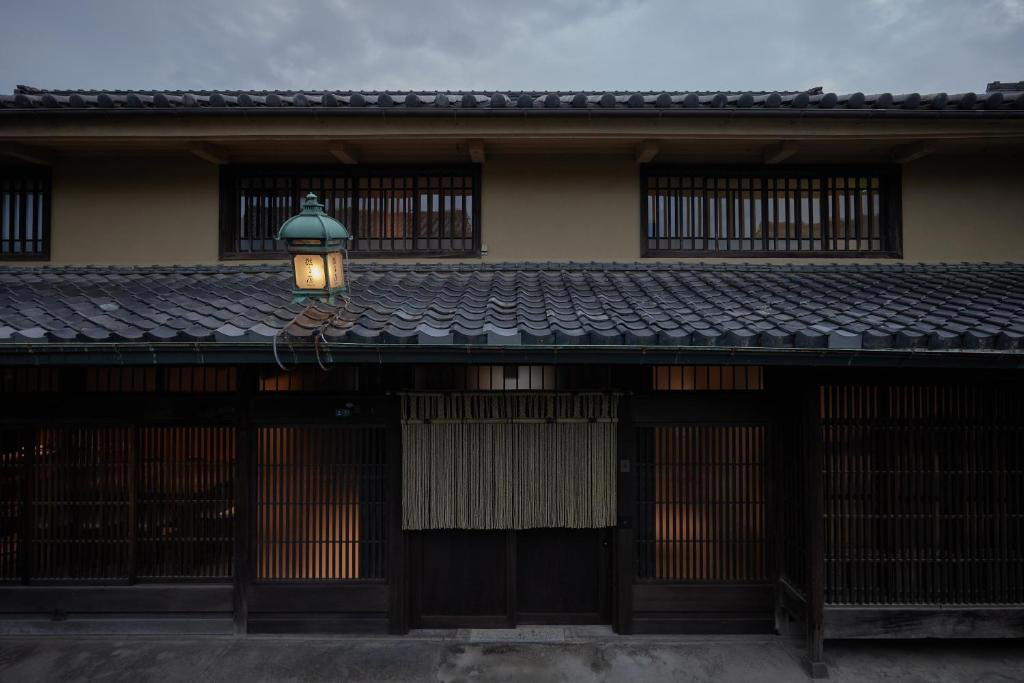
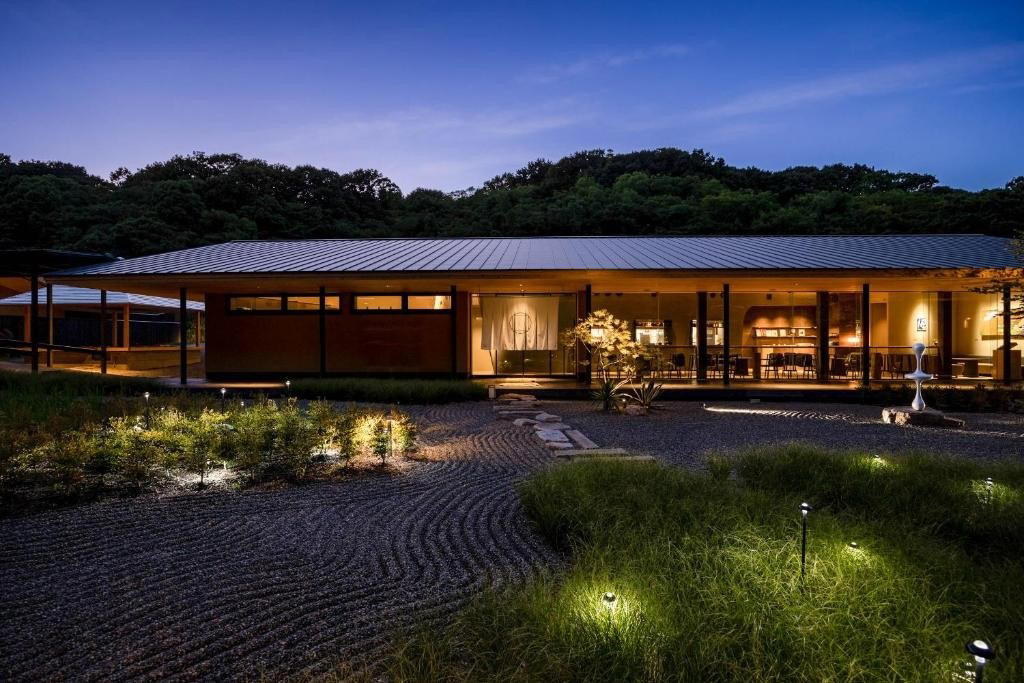
Set in a refurbished kominka (old Japanese house), the interior emphasizes wood, warm lighting, and a relaxed, nostalgic feel, aiming to let guests unwind over seasonal dishes and drinks at reasonable prices.