Tabelog 100 #90
Our verdict
Sakadachi belongs to Tokyo’s tachinomi tradition, where the ritual is stripped back: standing room, short orders, quick pours, and little tolerance for indecision. Its 2025 Tabelog 100 selection for tachinomi, fish-focused food, and sake-shochu-wine drinking range place it in a casual but serious tier of the city’s after-work drinking culture.

Pearl is the En Primeur Club membership app, where members save venues, book tables and use the concierge.
Tokyo is not only theatrical dining. Away from the most polished rooms, the city’s everyday restaurant life often thins into offices, small counters, and the practical rhythm of commuters moving through the day. In that setting, the stand-up bar remains one of Tokyo’s clearest dining rituals: arrive light, order fast, drink with intent, and do not treat the counter like a long tasting-menu seat.
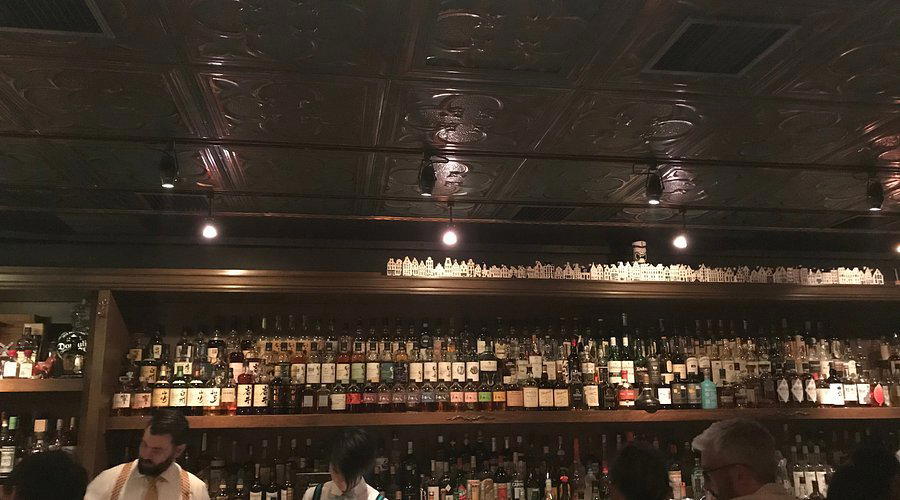
Sakadachi fits that code. The format is tachinomi, a stand-up bar, with a reputation best understood through pace, compactness, and the discipline of a casual room rather than a chef-driven narrative. Its selection for Tabelog 100 Tachinomi 2025 matters because this is a category where comfort is not the point. Recognition goes to places that make compact drinking feel disciplined, not merely convenient.
Tokyo tachinomi, read through pace
Tachinomi culture sits between bar, izakaya, and snack counter, but its etiquette is sharper than that hybrid description suggests. The standing format changes the meal. Groups stay smaller, ordering happens in waves, and the room turns on quick decisions rather than lingering ceremony. The format gives the ritual a cleaner spine: it keeps the visit from becoming heavy and rewards guests who understand that rhythm matters more than volume.
In Tokyo, this tier occupies a different lane from reservation-led dining rooms such as Sushi Hashimoto or more formal rooms such as hortensia. Those formats ask for time, advance planning, and a more settled appetite. Tachinomi asks for timing and social fluency. The price band at Sakadachi, JPY 2,000 to JPY 2,999 for dinner, reinforces that distinction: this is not luxury dining dressed down, but a concise drinking stop with recognized execution inside a casual framework.
The category also says something about contemporary Tokyo. Stand-up bars can be quick without feeling careless, and their best versions make brevity part of the appeal rather than a compromise. That matters in a city where post-work dining can swing from polished counters to utility drinking within the same evening. Sakadachi sits in the latter camp, but the Tabelog 100 listing distinguishes it from a generic after-office stop.
The ritual is informal, not loose
The mistake with tachinomi is to confuse low ceremony with low standards. Standing bars depend on rhythm: order enough to justify the place at the counter, avoid spreading out, and keep the conversation inside the room’s tempo. The absence of seats is not a quirk; it is the mechanism. It compresses the visit, keeps prices accessible, and gives the experience a directness that disappears when the same idea is stretched into a full evening.
That makes Sakadachi more useful for certain Tokyo itineraries than a higher-gloss reservation. It belongs before or after a larger night, with friends rather than clients, and with an appetite tuned to a compact stop rather than a full-course progression. Compared with similarly priced casual venues such as Kagaribi, its standing-bar identity is the defining signal. Compared with more layered formats such as Treis - τρεῖς or プレニチュード, the appeal is compression: fewer layers, faster pacing, and a clearer relationship between format and mood.
The broader Tokyo lesson is that casual does not mean secondary. The city’s dining hierarchy is often described through high-formality restaurants and hard-to-secure counters, but its daily intelligence is just as visible in formats that manage crowding, price, and quality under pressure. A recognized stand-up bar is a test of ordering discipline. It rewards guests who can read the room.
How to place it in a Tokyo eating day
Sakadachi is strongest as a targeted stop in Tokyo, not as a destination that needs a whole evening built around it. The city setting is part of the appeal. It lets a traveler pair a standing-bar visit with a later reservation, or use it as the main event on a night when formality would feel wrong. The practical advantage is not spectacle, but the ability to fold a concise, recognized stop into a broader Tokyo evening.
Because the format is compact, the practical decision is about timing and appetite rather than building a night entirely around one booking. Treat it as a stand-up bar first: arrive ready to order, keep the visit focused, and let the room’s pace shape the meal. The listed dinner budget, JPY 2,000 to JPY 2,999, also makes the venue easy to position within a larger Tokyo plan without pretending it is a luxury restaurant in disguise.
For readers mapping a broader trip, Sakadachi belongs in the same mental file as Tokyo’s compact specialist addresses rather than its grand dining rooms. For more structured planning, see Our full Tokyo restaurants guide, then split the rest of the city by mood: broader Tokyo bar options for drinking rooms, Tokyo hotels for where to base the night, Tokyo experiences for cultural scheduling, and Tokyo wine-focused detours where relevant.
Tokyo’s casual map is broad enough to reward cross-checking by format. Nearby or contrasting restaurant pages should be used by mood rather than by assuming every casual address serves the same purpose. For a wider comparison, look at other unnamed compact counters, casual drinking rooms, and specialist dining rooms across Tokyo and beyond. The useful question is not whether they share a menu style, but whether they share Sakadachi’s emphasis on brevity, rhythm, and a clear stand-up-bar identity.
The editorial read is simple: come for the tachinomi ritual, not a seated restaurant narrative. Sakadachi has built its reputation through a stand-up-bar format and a 2025 Tabelog 100 Tachinomi selection. That combination makes it a sharp example of how Tokyo’s informal dining culture can be serious without becoming formal.
Frequently asked questions
What does dinner at Sakadachi typically cost?
Pricing at Sakadachi is listed as JPY 2,000 - JPY 2,999 View spending breakdown.
What time does Sakadachi open and close?
Specific opening and closing hours are not provided here; check directly with Sakadachi before visiting.
How do I find Sakadachi?
Tokyo.
What has Sakadachi built its reputation on?
Sakadachi has built its profile as a stand-up bar and through its selection for Tabelog's 2025 Tachinomi 100. The price range of JPY 2,000–JPY 2,999 keeps it in an accessible bracket for Tokyo.
A Quick Peer Check
Comparable venues at the same tier.
| Venue | Cuisine | Price | Awards | Notes |
|---|---|---|---|---|
| SakadachiThis venue (the venue you are viewing) | Standing Japanese izakaya bar | $20–30 | Tabelog 100 #90 | Not listed |
| Kanmidokoro Irie | Traditional Japanese sweets café (kanmidokoro) | $10–20 | Tabelog 100 #89 | Kōtō |
| Masurao | Standing Japanese izakaya bar | $20–30 | Tabelog 100 #54 | Kōtō |
| Kikumaru | Traditional Japanese sweets café (anmitsu & wagashi) | $1–10 | Tabelog 100 #82 | Taitō |
| レベル | Modern Japanese Fine Dining | Not listed | Not listed | Shinjuku |
| Chonan Hosono Takashi | Tsukemen & ramen | $10–20 | Tabelog 100 #53 | Nerima |
Recognition history
Dated appearances from independent guides and award organizations, with the underlying list record or original source where available.
Tabelog 100 #90 · No. 90
Tabelog · Tabelog 100 - Tachinomi - 2025