Tabelog 100 #54
Our verdict
Masurao belongs to Tokyo’s tachinomi tradition: standing-room drinking, compact pacing, fish-led food, and a drinks list that leans into sake, shochu, and wine. Its 2025 Tabelog 100 selection for tachinomi places it inside a category that has moved from cheap after-work utility toward sharper, more curated counters without losing the casual grammar of the form.

Pearl is the En Primeur Club membership app — saves, bookings, and concierge access live there. Same editors, same standards.
The menu
What to order
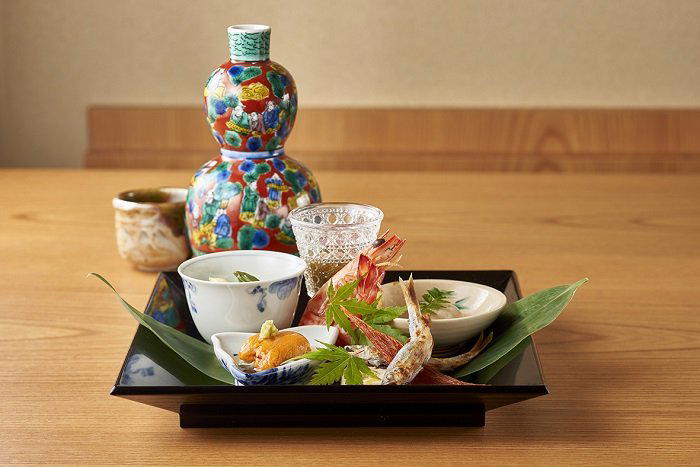
- Sashimi platters
- Tempura
- Grilled fish
- Vinegared mozuku seaweed
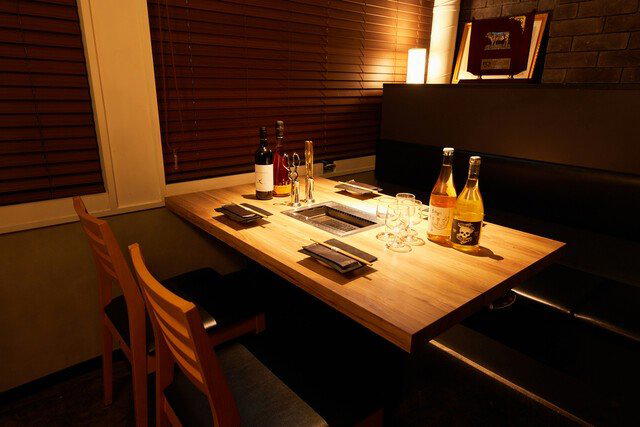
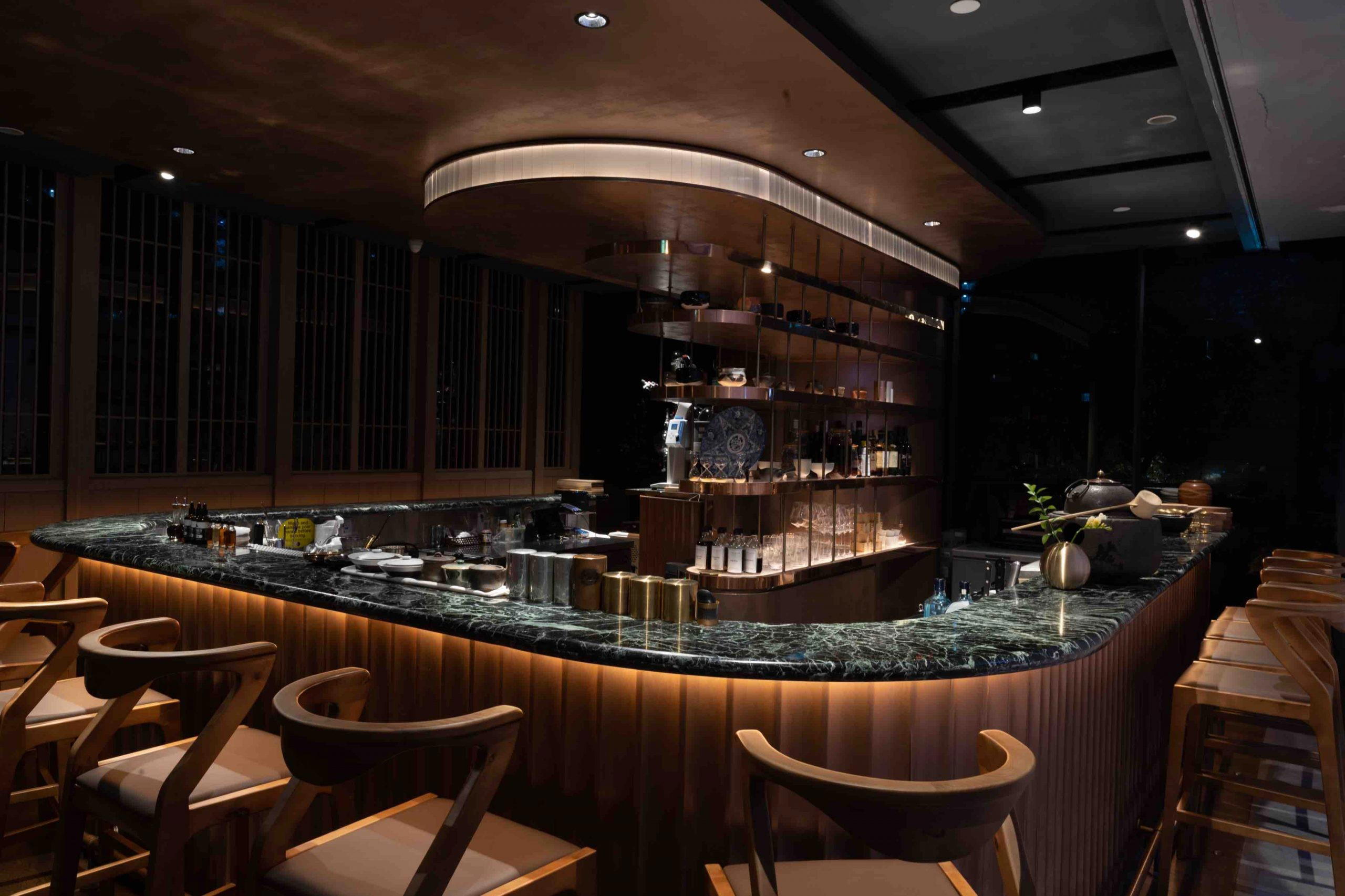
Stand-up bars in Tokyo announce themselves through compression: a counter, a tight room, voices close enough to blur, and a rhythm that rewards quick decisions. In Tokyo, the format carries extra weight. Outside the city’s glossiest dining circuits, it can feel closer to after-work drinking, local regularity, and everyday social ritual. Masurao belongs to that register, but its reputation shows how tachinomi has changed. It is no longer only a cheap stop between office and train; at its sharper end, it is now a serious category for focused drinking, quick decisions, and compact bar culture.
Tokyo’s restaurant culture is often flattened into two poles: reservation-only counters and convenience or casual chains. Tachinomi sits between them. It keeps a bar’s informality, while the better examples have enough intent to pull drinkers across town. Masurao’s recognition in Tabelog’s 2025 stand-up bar context matters because it recognizes that middle tier: not luxury dining, not anonymous drinking, but a compact bar format where product choice and crowd energy do the work.
Focused drinking and the newer seriousness of tachinomi
The defining shift in Tokyo’s standing-bar scene is the move from filler food to a bar experience with a point of view. Masurao is listed as a stand-up bar, placing it in a more focused branch of tachinomi where the drinking order is not separate from the rhythm of the room. The format stays casual, but expectations have tightened: guests are not there only for a quick glass and an after-work snack; the draw is a concentrated Tokyo bar experience in a room built for turnover.
This is where the category’s evolution becomes clear. Tokyo has always had drinking rooms built for standing, speed, and low ceremony, but the newer recognition economy has changed how they are read. A Tabelog Hyakumeiten selection in 2025 signals that the venue is judged within a specific format, not against restaurants broadly. That distinction matters. Tachinomi has its own grammar: less sprawl than an izakaya, less ceremony than formal dining, more directness than a bar with table service. The strongest examples make that constraint feel intentional.
Masurao’s appeal sits in that constraint. The stand-up bar format shapes the experience as much as anything on the counter. Standing changes appetite; people order in shorter arcs, drink with more tempo, and read the room quickly. For travelers used to Tokyo’s seated destination dining, this is another kind of precision. The discipline is not course sequencing or chef narration, but how much can be compressed into a short, social visit.
Tokyo gives the format its edge
Tokyo usefully corrects any version of dining culture that begins and ends with formal rooms and destination counters. Its drinking culture is also grounded, closer to everyday ritual than destination spectacle. Here, a standing bar does not need theatrical concealment or design drama. It needs a clear reason to choose it over the next counter. Masurao’s stand-up format and recognized Tabelog signal provide that reason.
The city also changes the competitive frame. Named comparison points such as TRATTORIA BUCA'MASSIMO and Watanabe Ryouri-mise show Tokyo’s broader dining range, while BAR Opa Monzennakachou ten represents a more drinks-led lane. Masurao sits apart because tachinomi is not simply a bar category; it is a dining stance. It asks less of the evening and more of the moment. The value is in concentration rather than duration.
For readers mapping the city by category, this venue shows why Tokyo’s casual formats deserve the same scrutiny as its famous counters. The city’s drinking culture is not only cocktail bars and hotel lounges. It is also the standing room where quick conversation, compact service, and a focused bar rhythm create another measure of quality. For a wider read on the city’s range, use Our full Tokyo restaurants guide, with separate lenses through Our full Tokyo bars guide, Our full Tokyo hotels guide, Our full Tokyo wineries guide, and Our full Tokyo experiences guide.
How to place it in a Tokyo itinerary
Masurao works better as a focused standing-bar stop than as a long, seated dinner plan. That is not a weakness; it is the point of the genre. Build the evening around movement, especially if it is paired with another Tokyo stop. The category rewards smaller groups, faster ordering, and comfort with standing rather than lingering at a table.
Within Tokyo’s casual-dining map, it belongs beside specialists rather than general-purpose restaurants. A traveler comparing formats might look at other Tokyo dining rooms, bar counters, casual specialists, and concept-driven venues to understand how narrow formats shape meals. The comparison is not about ranking; it is about reading the city through pace, posture, and purpose.
That format-first approach travels across Japan and beyond. Other casual venues in Japan and similar formats abroad show how tightly defined concepts can carry a meal. The broader point is that casual forms are increasingly read as serious formats, not side notes, when they are executed with enough clarity.
The editorial case for Masurao is strongest through that evolution. It represents a Tokyo drinking culture that has become more legible to critics without becoming formal. The signal is not luxury or chef mythology. It is a standing counter, a compact identity, and recognition from a stand-up-bar context. That is enough to make the room part of the city’s current dining conversation.
Frequently asked questions
What should I budget for a meal at Masurao?
Pricing at Masurao is listed as JPY 2,000 - JPY 2,999 JPY 2,000 - JPY 2,999 View spending breakdown.
What's Masurao's location?
Tokyo.
What are the opening hours for Masurao?
Current opening hours for Masurao are not provided in the verified listing details.
What has Masurao built its reputation on?
Masurao is known as a stand-up bar in Tokyo, with its 2025 Tabelog Hyakumeiten recognition as the clearest trust signal. The listing places it within the tighter, drinking-first stand-up bar format.
Is Masurao good for vegetarians?
The verified listing details do not provide enough menu information to assess vegetarian suitability. Diners with dietary restrictions should confirm directly before visiting.
Budget and Context
Comparable venues in the metro at similar price points.
| Venue | Cuisine | Price | Awards | Notes |
|---|---|---|---|---|
| MasuraoThis venue — the venue you are viewing | Standing Japanese izakaya bar | $20–30 | Tabelog 100 #54 | Not listed |
| Kyokasuduke Uokyu Ginza ten | Traditional Japanese kasuzuke fish teishoku | $10–20 | Tabelog 100 #48 | Chūō, Traditional Japanese kasuzuke fish teishoku |
| Coffee Senmon Ten Tomii | Not listed | $10–20 | Tabelog 100 | Sumida, Traditional Japanese kissaten & pancake café |
| Caligari Akihabara | Japanese curry house specializing in coconut curry | $10–20 | Tabelog 100 #35 | Chiyoda, Japanese curry house specializing in coconut curry |
| Kikumaru | Traditional Japanese sweets café (anmitsu & wagashi) | $1–10 | Tabelog 100 #82 | Taitō, Traditional Japanese sweets café (anmitsu & wagashi) |
| Asada Ya | Traditional Japanese wagashi & daifuku shop | $1–10 | Tabelog 100 #75 | Minato, Traditional Japanese wagashi & daifuku shop |
Recognition history
Dated appearances from independent guides and award organizations, with the underlying list record or original source where available.
Tabelog 100 #54 · No. 54
Tabelog · Tabelog 100 - Tachinomi - 2025