
A Nagoya Station shabu-shabu and sukiyaki address built around Hida beef, with Tabelog 100 Hot Pot 2024 recognition and a price tier that sits below sushi splurge territory but above casual station dining. The draw is the regional beef hot-pot tradition: controlled heat, shared tables, private-room flexibility, and a format that works for both business meals and family dinners.
Pearl is the En Primeur Club membership app — saves, bookings, and concierge access live there. Same editors, same standards.
- Address
- 愛知県名古屋市西区牛島町6-24 アクロスキューブ名古屋 2F
- Phone
- +81524338960
- Website
- bakuroichidai.jp
 Saves & bookings on Pearl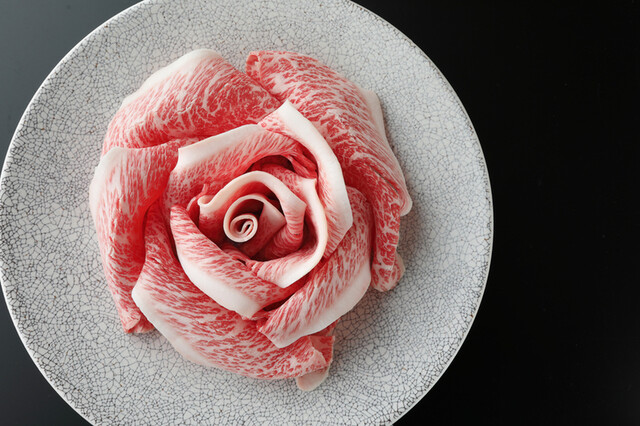
Near Nagoya Station, the dining rhythm changes quickly: ticket-gate meals, department-store counters, hotel restaurants, and private-room beef houses all compete for the same compressed window between arrival and departure. In that setting, shabu-shabu and sukiyaki do a particular kind of work. They slow the table down without turning dinner into a formal tasting menu, and they make regional beef legible through broth, sauce, heat, and pacing rather than chefly spectacle.
Saitobi Hida Gyu Shabusuki Ya Bakuro Ichidai Nagoya WEST belongs to that practical, high-comfort category. The name is long, but the proposition is clear: Hida beef served through the two hot-pot traditions that have anchored Japanese beef dining for generations. Tabelog selected it for its Hot Pot “Tabelog 100” list in 2024, a useful signal in a city where station-adjacent restaurants can range from quick lunch counters to serious private-room dining. The price band also clarifies the positioning: dinner sits in the JPY 6,000 to JPY 7,999 range, while lunch sits in the JPY 2,000 to JPY 2,999 range, making it a controlled spend for beef rather than an omakase-level outlay.
Hida beef, served through Nagoya's shared-table grammar
Japanese beef culture is often flattened into steakhouse language abroad, but hot pot shows a different logic. Shabu-shabu prizes thin slicing, quick cooking, and the diner’s control over doneness. Sukiyaki leans sweeter and richer, with soy, sugar, and the seasoning structure doing as much work as the fat. Both formats place attention on texture and timing rather than plating. For Hida beef, raised in Gifu and closely associated with central Japan, that matters: the meal is less about a single dramatic cut and more about how beef behaves across heat, broth, and sauce.
That context explains why a specialist hot-pot room near a major rail hub has a different purpose from a steak counter or a sushi bar. Compared with Sushi Ishiguro, where the spend climbs to JPY 20,000 to JPY 29,999 at dinner, this format keeps premium animal protein in a more communal register. Compared with Menya Shishimaru or O Dashi to Ginshari Chuka Soba Nito, both built around quick, lower-priced noodle formats, it asks for a longer meal and a table that can stay engaged. MASA'S KITCHEN Nagoya JR geeto tawaa sits closer on dinner spend, but Chinese dining and beef hot pot answer different cravings. ERICK SOUTH KITTE nagoya ten shows the city’s station area at its casual, spice-driven end; this address sits at the beef-and-private-room end.
The defining idea is not a signature dish with a branded name. It is the pairing of Hida beef with shabu-shabu and sukiyaki, two formats that allow a group to choose between clarity and richness at the table. That makes the restaurant useful in Nagoya, a city whose food identity often gets reduced to miso katsu, kishimen, hitsumabushi, and tebasaki. Beef hot pot is less slogan-friendly, but it speaks to the region around the city as much as to the city itself.
A station-area room built for groups, not ceremony
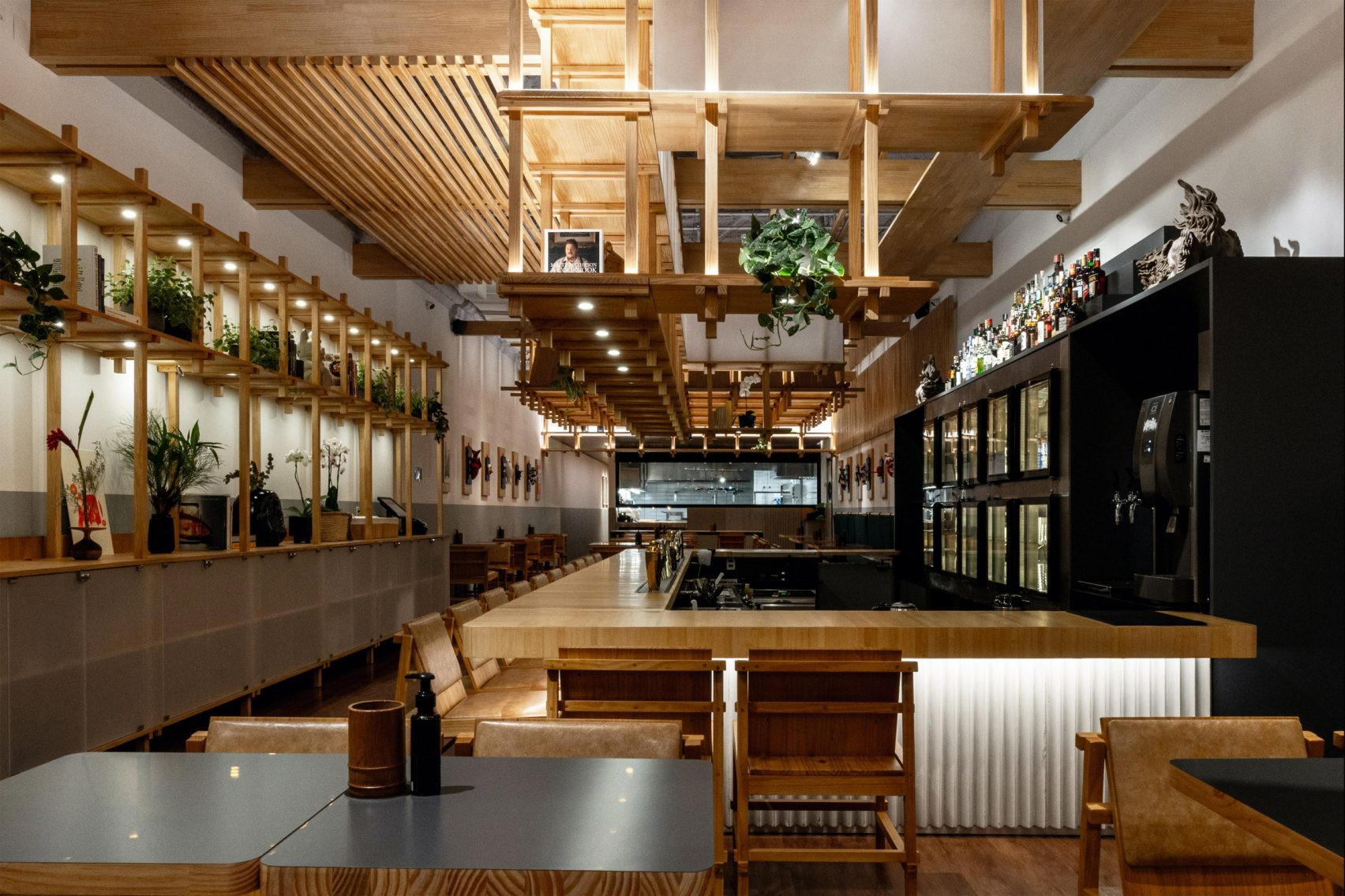
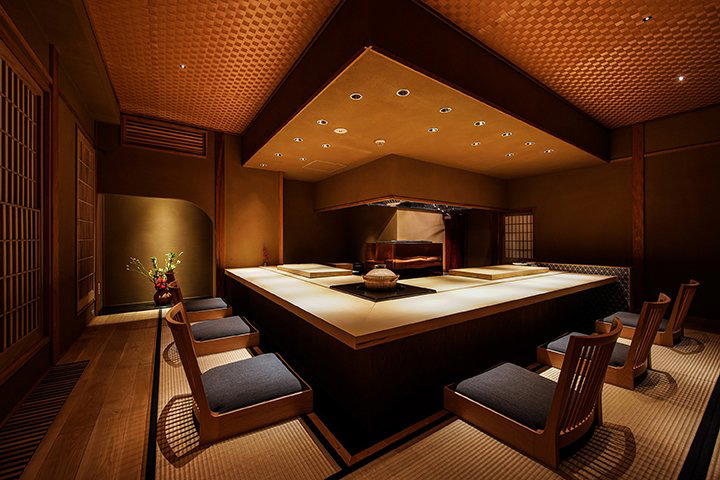
The room’s scale matters. With 62 seats and private rooms available for small parties as well as larger groups, this is not a hushed counter where the evening depends on a chef’s cadence. It is a table restaurant, designed for conversation, shared pots, and mixed-age groups. That makes it more flexible than many premium Japanese formats: families can use it, business diners can use it, and couples can use it without committing to the choreography of a counter meal.
Setting also suits Nagoya’s rail-hub geography. A restaurant close to the station has to serve locals, domestic travelers, and visiting diners who may be building an itinerary around one night in the city. Here, the value is partly logistical: a recognized hot-pot address near the transport core, with enough structure to feel planned but not so much formality that the meal becomes fragile. Non-smoking status, credit-card acceptance, private-room inventory, and a drinks program spanning sake, shochu, wine, and cocktails all point to a restaurant built for broad use rather than narrow connoisseurship.
For readers mapping a broader Nagoya stay, the category contrast is useful. Use Our full Nagoya restaurants guide for the city’s dining spread, then compare nearby restaurant styles such as 1022, 451, Aaron, Alan., and All Day Dining Montmartre. For trip planning beyond dinner, the same city frame extends through Our full Nagoya hotels guide, Our full Nagoya bars guide, Our full Nagoya wineries guide, and Our full Nagoya experiences guide.
Where it fits in a Japan beef itinerary
Beef in Japan rewards regional comparison. A Kamakura meal at -Grilled beef Sukiyaki- KAMAKURA TANUKIAN 鎌倉 たぬき庵 in Kamakura frames sukiyaki through a different city and dining tempo, while Tokyo, Osaka, Kumamoto, Kawasaki, Sapporo, and Los Angeles show how Japanese dining categories travel and mutate:. 鮪と炭火焼き うお炭 秋葉原店 in Tokyo.cafe in Osaka.know in Kumamoto, (Shoku) Vietnam in Kawasaki, [Curry Senmon Ten] Maruyama Kyoju. in Sapporo, Jōdo Saké Bar in Los Angeles, and Onigiri Time in Pasadena. The comparison sharpens the point: Nagoya’s advantage here is not theatrical novelty, but access to central Japan beef culture in a format that is easy to understand and hard to rush.
The editorial case for Saitobi Hida Gyu Shabusuki Ya Bakuro Ichidai Nagoya WEST is strongest for diners who want regional beef without turning the evening into a luxury performance. The Tabelog 100 Hot Pot 2024 recognition gives the address external validation, but the more persuasive reason is cultural fit: shabu-shabu and sukiyaki remain among Japan’s clearest expressions of shared beef dining, and Nagoya’s station district is a sensible place to encounter that tradition with comfort, privacy, and a defined budget.
Cost Snapshot
Comparable venues by price and recognition.
| Venue | Cuisine | Price | Notes |
|---|---|---|---|
| Saitobi Hida Gyu Shabusuki Ya Bakuro Ichidai Nagoya WESTThis venue — the venue you are viewing | Not listed | $$$ | Not listed |
| Tempura Yokoi | Moriyama, Traditional Tempura Restaurant | $$$ | Not listed |
| Yakitori Sensho | Higashi, Nagoya Cochin Yakitori | $$$ | Not listed |
| Atsuta Houraiken Jingu ten | Not listed | $$$ | Atsuta, Traditional Nagoya eel (hitsumabushi) & kaiseki |
| CHIBA SAKAE | Naka, Yakitori Omakase & Sake | $$$ | Not listed |
| Teppan Izumi ~Sankai~ | Higashi, Teppanyaki Steakhouse | $$$ | Not listed |
Recognition history
Dated appearances from independent guides and award organizations, with the underlying list record or original source where available.
Tabelog 100 #27 · No. 27
Tabelog · Tabelog 100 - Hot Pot - 2024
Continue exploring
More in Nagoya
Restaurants in Nagoya
Browse all →
At a Glance
- Romantic
- Elegant
- Scenic
- Sophisticated
- Date Night
- Business Dinner
- Group Dining
- Family
- Celebration
- Special Occasion
- Late Night
- Panoramic View
- Standalone
- Sake Program
- Local Sourcing
- Skyline
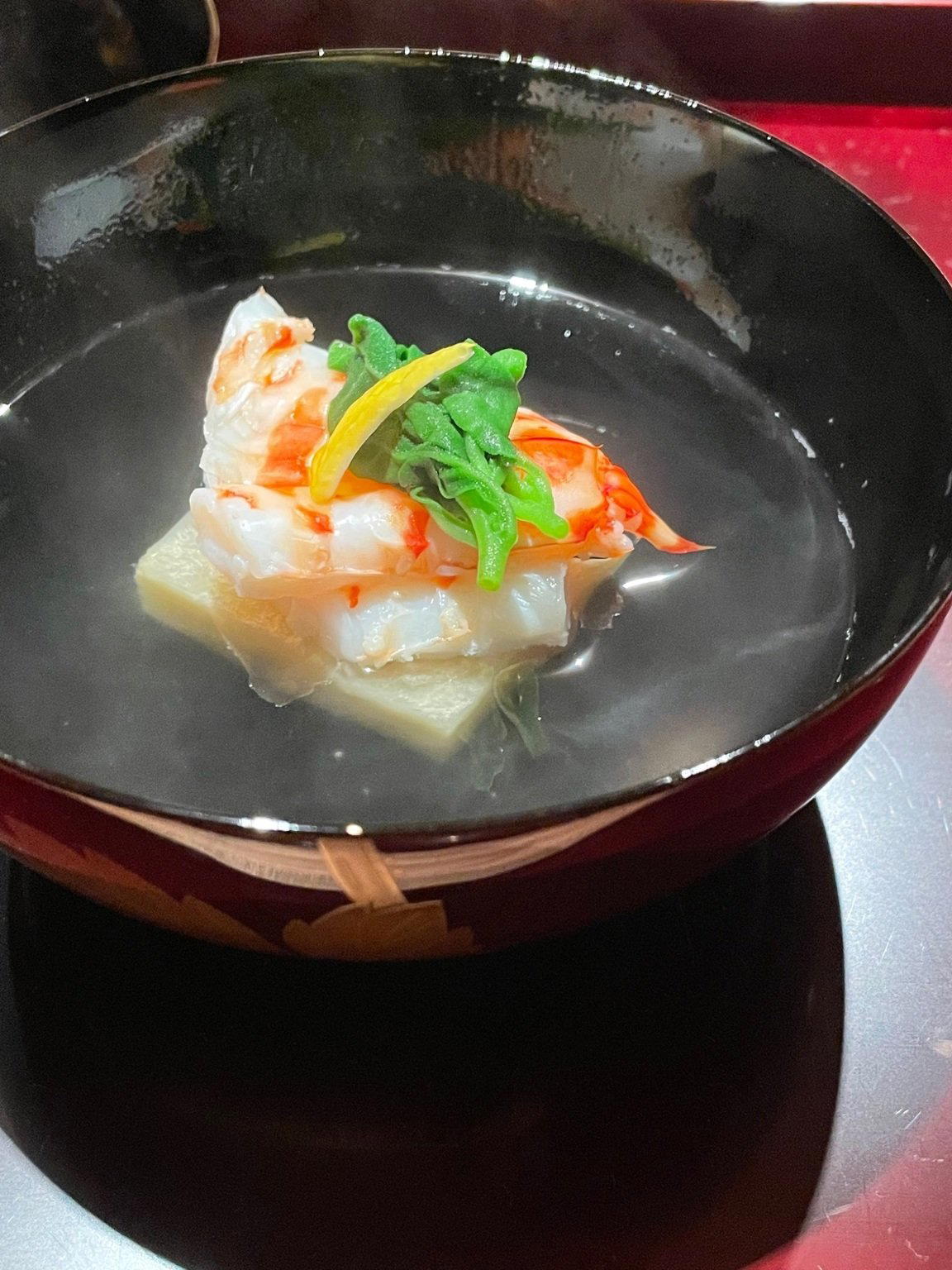
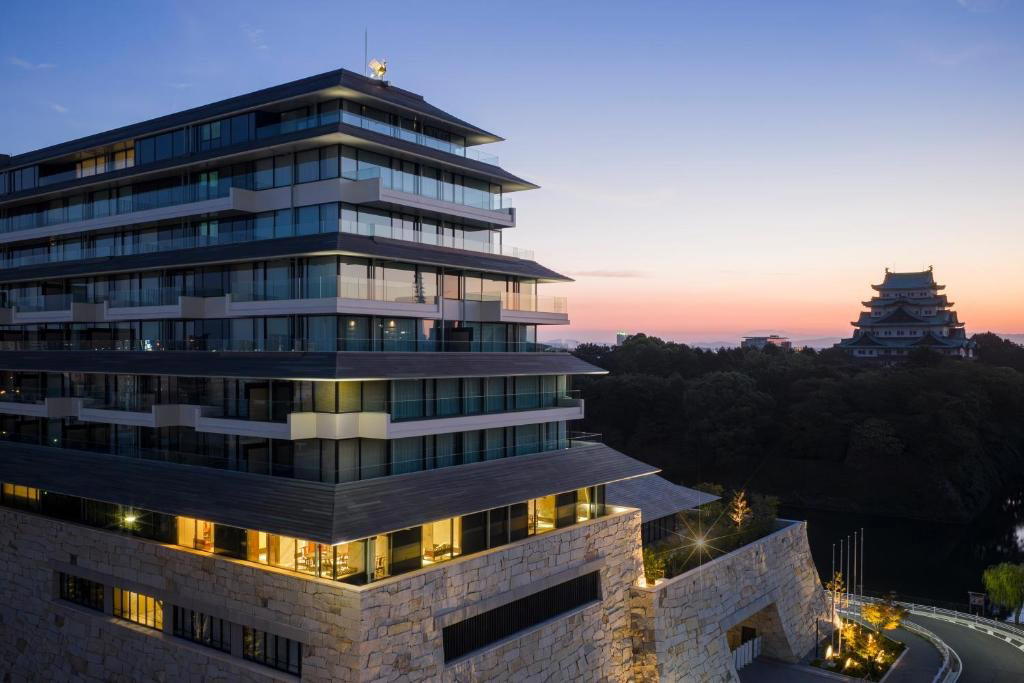
Upscale yet relaxed hot-pot dining with refined presentation of seasonal dishes, city night views from an upper-floor space, and a calm, polished atmosphere suited to special meals and business occasions.