
Sailer brings an Austrian bakery frame into Fukuoka’s everyday bread culture, pairing bread, cake, and kissa-style café use rather than operating as a formal restaurant. Its Tabelog Bread WEST 100 selection in 2022 places it among the region’s more closely watched bakeries, with a format that suits a low-key breakfast, snack stop, or take-out run.
Pearl is the En Primeur Club membership app — saves, bookings, and concierge access live there. Same editors, same standards.
- Address
- 2 Chome-1-5 Nagaoka, Minami Ward, Fukuoka, 815-0075, Japan
- Phone
- +81 92-551-7077
- Website
- sailer.jp
 Saves & bookings on Pearl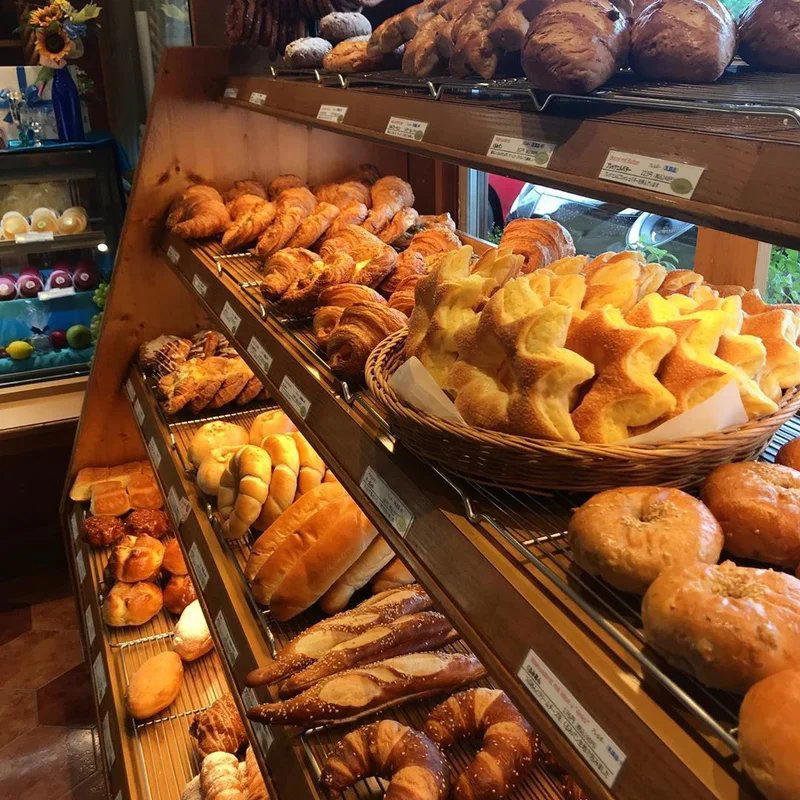
Approaching a serious bakery in Fukuoka is different from arriving at a counter restaurant. The rhythm is earlier, less ceremonial, and more practical: trays, takeaway decisions, café seats, and the quick arithmetic of what travels well. Sailer belongs to that category of Japanese bakery where the menu has to work twice, first as a shopfront of bread and cake, then as a small social room for coffee and a pause between errands.
Fukuoka’s dining reputation often travels through ramen, sushi, yakitori, and izakaya culture, but its bakery scene rewards a slower read. Bread shops here are not simply breakfast utilities. They absorb foreign technique, local habits, gift culture, and the Japanese preference for variety at modest spend. Within that field, a bakery carrying Tabelog Bread WEST 100 recognition in 2022 has crossed from neighbourhood convenience into regional scrutiny.
Austrian bakery logic inside a Fukuoka café format
The useful way to read Sailer is through menu architecture rather than through a single headline item. The public category spread is bread, cake, and kissa, which says more than it first. Bread anchors the daily visit, cake brings in the afternoon and gifting audience, while the kissa element turns the bakery from a pure retail counter into a place where coffee and seating matter. That structure is common in Japan, but the Austrian reference gives this address a clearer European axis than the French-leaning boulangerie model that dominates many urban bakery conversations.
The Austrian connection is part of the identity rather than decorative branding: the related Sailer bakery in Austria dates to 1913 and remains a family concern. In Fukuoka, that matters because imported bread traditions can become either costume or craft grammar. The stronger examples translate technique into Japanese daily use, where portions, sweetness, and takeaway behavior shape what survives on the shelf.
Recognition from Tabelog’s Bread WEST 100 list in 2022 is a useful trust signal because bakery quality in Japan is often judged through repeat local use rather than destination dining theatre. A high-scoring dinner counter can build its reputation around rarity; a bakery has to withstand morning traffic, repeat purchases, and the plain test of whether customers return for staples as much as seasonal or sweet items. Sailer’s Tabelog score of 3.67 places it in a serious bracket for a casual-format bakery, especially in a category where spend stays accessible and turnover is part of the experience.
For context across the city, Fukuoka’s premium dining range is broad rather than singular. Sushi Osamu represents the reservation-led sushi lane, torila sits in the yakitori conversation, and bar BaBa moves the evening toward drinks at a different price rhythm. Sailer operates in another register entirely: daytime, low ceremony, and built around choice rather than a fixed sequence. That contrast is precisely why it is useful for travelers who want Fukuoka to read beyond dinner reservations.
The menu reads like a day plan, not a tasting sequence
Bakery menus reveal priorities through category balance. A bread-only shop asks the customer to think in loaves, rolls, and breakfast. A cake shop pushes celebration and afternoon purchase. A kissa-bakery hybrid lengthens the day: early bread, midday coffee, later sweets, then takeaway. Sailer’s format sits in that longer pattern, which makes it more flexible than a destination pastry counter and more characterful than a convenience stop.
That flexibility is the point. Fukuoka rewards itineraries that leave space between meals: a morning in a residential ward, a casual coffee pause, then a more structured dinner elsewhere. Travelers building a broader food map can place Sailer beside city restaurants such as 106 South Indian Fukuoka tenjin ten, Afterglow, Aji Dokoro Taro Gen Sougyou ten, Aji Furai Shokudo Kaba, and Aji no Katsueda without forcing every stop into the same dining category.
The shop’s service signals also matter. Take-out is part of the offer, and the room includes counter and sofa seating. That combination suits solo travelers and small groups better than a bakery that treats seating as an afterthought. Private rooms and private use are unavailable, which fits the category: this is public-facing, casual, and built for short-to-medium dwell time rather than staged hospitality.
Payment flexibility is another sign of contemporary Japanese casual dining. Major credit cards, transport IC cards, several electronic money systems, and QR payments are accepted. For visitors, that removes some of the friction that can still surround smaller food stops in Japan. The bakery also lists parking, a practical detail in Minami Ward, where movement is less purely station-based than in the central Tenjin-Hakata corridor.
How to place it in a Fukuoka itinerary
Sailer works well as a daytime counterpoint to Fukuoka’s more famous evening food culture. It is not competing with omakase, yakitori, or bar programs; it solves a different traveler problem. The city’s better itineraries need one or two lower-pressure stops where quality is documented but the format remains casual. This is that sort of address.
Readers planning around the wider city can use Our full Fukuoka restaurants guide for meals, then layer in Our full Fukuoka hotels guide, Our full Fukuoka bars guide, Our full Fukuoka wineries guide, and Our full Fukuoka experiences guide for the rest of the trip. For a wider Japan-and-beyond food frame, compare how casual specificity appears at -Grilled beef Sukiyaki- KAMAKURA TANUKIAN 鎌倉 たぬき庵 in Kamakura. 鮪と炭火焼き うお炭 秋葉原店 in Tokyo.cafe in Osaka.know in Kumamoto, (Shoku) Vietnam in Kawasaki, [Curry Senmon Ten] Maruyama Kyoju. in Sapporo, Jōdo Saké Bar in Los Angeles, and Onigiri Time in Pasadena.
The editorial case for Sailer is restrained but clear. It gives Fukuoka visitors a bakery with regional recognition, a European lineage, café use, and everyday pricing logic, without requiring the planning burden of a formal meal. In a city where many travelers over-index on night markets and ramen counters, a morning or afternoon bakery stop can make the food itinerary feel better calibrated.
Peers in This Market
Comparable venues at a glance for context.
| Venue | Cuisine | Price | Notes |
|---|---|---|---|
| SailerThis venue — the venue you are viewing | Traditional Austrian bakery & café | $ | Not listed |
| Umeyama Teppei Shokudo Honten | Casual Japanese fish set-meal canteen | $ | Chūō |
| Tempura Dokoro Hirao Daimyou ten | Casual Tempura Specialist | $ | Chūō |
| Yamachan Nakasu ten | Nagahama ramen izakaya | $ | Hakata |
| Miyake | Traditional Hakata Udon | $ | Hakata |
| HALLAL FOOD MARHABA | Halal Pakistani Curry House | $ | Higashi |
Recognition history
Dated appearances from independent guides and award organizations, with the underlying list record or original source where available.
Tabelog 100 #62 · No. 62
Tabelog · Tabelog 100 - Bread - WEST - 2022
At a Glance
- Cozy
- Classic
- Casual Hangout
- Family
- Solo
- After Work
- Brunch
- Live Music
- Standalone
- Design Destination
Current opening hours
- Monday
- 7 AM–7 PM
- Tuesday
- 7 AM–7 PM
- Wednesday
- 7 AM–7 PM
- Thursday
- 7 AM–7 PM
- Friday
- 7 AM–7 PM
- Saturday
- 7 AM–7 PM
- Sunday
- 7 AM–7 PM
Hours can change for holidays and private events. Last verified .
Warm and inviting bakery-café atmosphere with the aroma of freshly baked bread and sweet cakes, casual seating, and a relaxed, neighborhood feel suitable for lingering over coffee and pastries.