Sai Café
Sai Café focuses on Japanese sushi and seafood, with Ahi Poke, Hamachi Special, and Gyoza on the menu. The Chicago address and conversational pacing suit a dinner-led visit.
Pearl is the En Primeur Club membership app — saves, bookings, and concierge access live there. Same editors, same standards.
- Address
- 1114 W Armitage Ave, Chicago, IL 60614
- Phone
- +17734728080
- Website
- saicafesushi.com
- Directions
- Get directions
 Saves & bookings on Pearl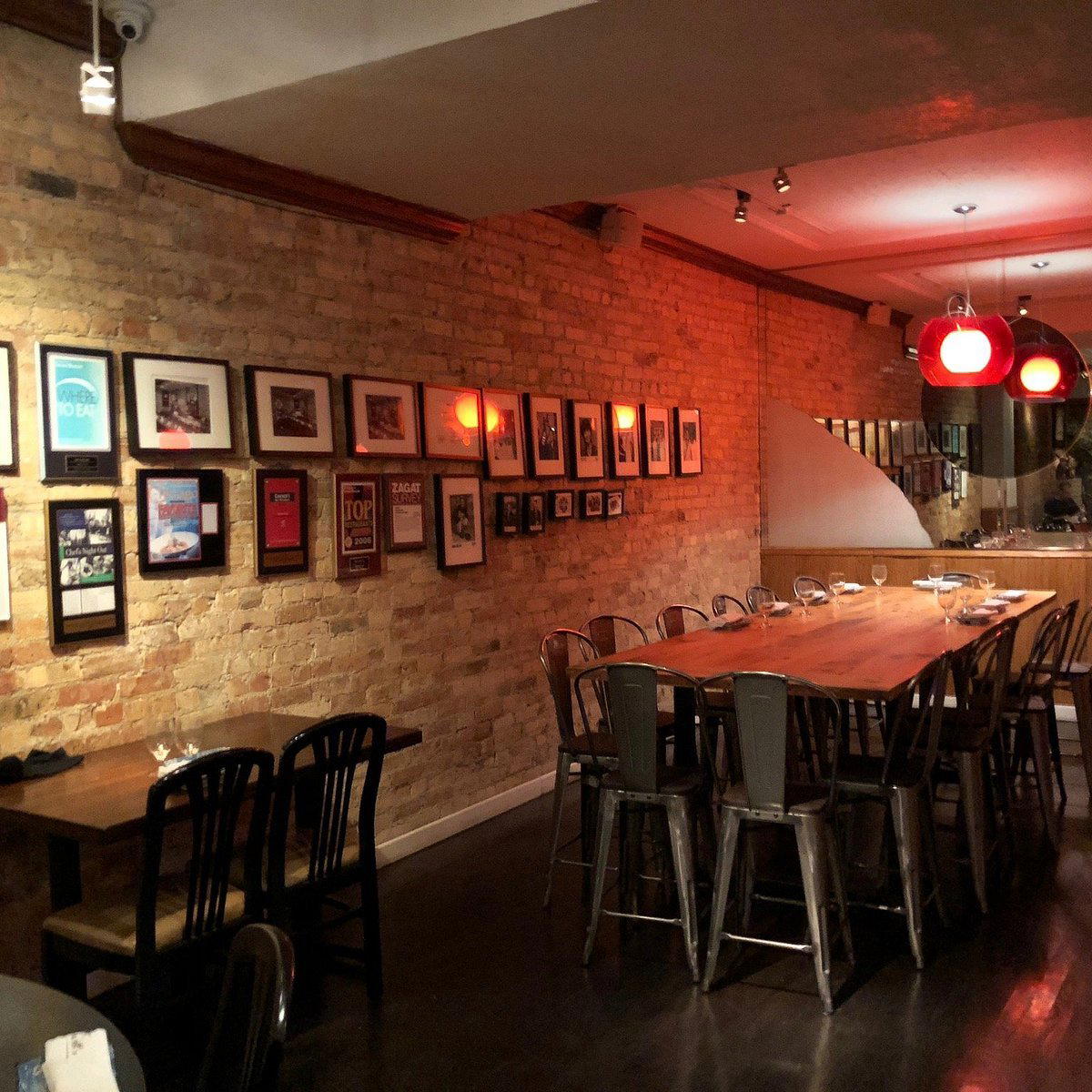
Lincoln Park's Neighborhood Dining, Grounded in Sourcing
West Armitage Avenue in Lincoln Park occupies a particular position in Chicago's dining geography. The stretch runs through one of the city's most residentially settled neighborhoods, where the dining scene tends toward the considered and repeatable rather than the spectacle-driven. Restaurants here survive on return visits, not one-time tourism. That dynamic rewards places whose kitchens take ingredient sourcing seriously enough that the plate holds up to the scrutiny of guests who come back weekly.
Sai Café is a Japanese Sushi & Seafood restaurant at 1114 W Armitage Ave, Chicago, with a price around $40 per person. Sai Café, at 1114 W Armitage Ave, sits inside that neighborhood logic. The address has a long-established presence in Lincoln Park's dining fabric, the kind of tenure that accumulates not through press cycles but through consistent delivery to a local audience that has options and knows them. In a city where Alinea, Smyth, and Oriole define one end of the progressive American spectrum, neighborhood restaurants fill a different function entirely: they anchor the daily eating life that exists between the occasion-dining tier and fast-casual.
Where the Food Comes From and Why That Matters
Chicago's relationship with ingredient sourcing has grown more visible over the past two decades. The city sits within reach of the Midwest's agricultural belt, which gives restaurants meaningful access to seasonal produce, proteins, and dairy that chefs elsewhere would have to import. That proximity shapes the culinary conversation at every price point, from the farm-driven tasting menus at Blue Hill at Stone Barns in Tarrytown and Single Thread Farm in Healdsburg to the neighborhood spots that draw on the same regional supply chains with less ceremony.
Across American dining, the sourcing-forward approach has moved well beyond fine dining's tasting-menu tier. Places like Bacchanalia in Atlanta built a regional reputation partly on farmer relationships rather than on technique alone. On the coasts, Providence in Los Angeles and Le Bernardin in New York City have demonstrated that sourcing credibility is a value signal the market prices into a restaurant's identity regardless of format. The same principle filters down to neighborhood dining, where the question of where the fish or the vegetables came from is increasingly a differentiator rather than a bonus feature.
For a Lincoln Park address like Sai Café, that context matters. The neighborhood's dining audience skews toward residents who are engaged with the city's broader food culture, which means expectations around ingredient quality travel with guests even when they are not eating at a tasting-menu counter. The restaurants that have lasted longest in this corridor have generally maintained kitchen standards that reflect that awareness.
Lincoln Park and the Chicago Neighborhood Dining Tier
Chicago's neighborhood dining scene is large enough and geographically spread enough that it supports distinct micro-markets. The West Loop and River North attract destination diners. Wicker Park and Logan Square have developed reputations for chef-driven independents. Lincoln Park occupies a different position: a well-resourced residential base that generates steady traffic for places with genuine cooking rather than trend-chasing concepts.
The city's wider restaurant map includes marquee addresses across multiple categories: Kasama for Filipino-inflected fine dining, Next Restaurant for themed tasting formats, the full progressive American tier at Smyth and Oriole. None of those are what Lincoln Park's residential strip is doing. The restaurant belongs to the category of places whose value to the neighborhood is functional as much as culinary: somewhere to eat well on a Tuesday as readily as on a weekend, without the planning overhead of a downtown occasion-dining reservation.
That positioning is where the sourcing argument becomes practical rather than philosophical. A restaurant that repeats ingredient quality across a standard week, not just on peak nights, is making a structural commitment to its supply relationships rather than a performative one. For guests visiting Chicago and wanting to understand how the city eats beyond its headline addresses, the Lincoln Park strip offers a useful lens.
American Neighborhood Dining in Comparative Context
The neighborhood-anchored restaurant format has produced some of the more durable addresses in American dining. Emeril's in New Orleans built a long track record partly by functioning as a neighborhood institution before becoming a national name. Lazy Bear in San Francisco started as a supper club before formalizing into one of the Bay Area's more distinctive dining experiences. Addison in San Diego and The Inn at Little Washington demonstrate that regional identity can anchor a restaurant's long-term reputation as effectively as any metropolitan buzz cycle.
Across all of those, the through-line is a stable relationship between the kitchen and its supply base. Internationally, the same logic applies: Atomix in New York City and 8 1/2 Otto e Mezzo Bombana in Hong Kong operate in different culinary registers but both use sourcing as a signal of kitchen seriousness. The principle is not exclusive to any format or price tier. It applies wherever a kitchen is making deliberate decisions about where its ingredients come from.
Lincoln Park's position in Chicago's dining geography gives neighborhood restaurants like Sai Café a specific kind of audience: guests who understand the difference between ingredient-led cooking and cooking that simply describes itself that way. That audience calibrates expectations accordingly and returns when the kitchen meets them.
Planning Your Visit
The restaurant is located at 1114 W Armitage Ave, Chicago, IL 60614 in the Lincoln Park neighborhood, accessible from the Armitage CTA Brown and Purple Line station. For current hours, reservations, and menu details, check the restaurant directly. Weekday visits typically offer more flexibility than weekend evenings, when neighborhood demand concentrates.
A Pricing-First Comparison
Comparable venues nearby, for context on price, style, and recognition.
| Venue | Cuisine | Price | Notes |
|---|---|---|---|
| Sai CaféThis venue — the venue you are viewing | Lincoln Park, Japanese Sushi & Seafood | $$ | Not listed |
| Chicago Kalbi BBQ | Albany Park, Japanese Yakiniku BBQ | $$ | Not listed |
| Lucky Trendy Sushi | Bucktown, Fusion Sushi | $$ | Not listed |
| CoCoRo | Not listed | $$ | River North, Authentic Japanese Sushi and Noodles |
| Ron of Japan | Not listed | $$ | Near North Side, Teppanyaki Japanese Steakhouse |
| Komorebi | Wicker Park, Japanese Sushi Fusion | $$ | Not listed |
At a Glance
- Cozy
- Intimate
- Date Night
- Casual Hangout
Current opening hours
- Monday
- Closed
- Tuesday
- 4–10 PM
- Wednesday
- 4–10 PM
- Thursday
- 4–10 PM
- Friday
- 4–11 PM
- Saturday
- 4–11 PM
- Sunday
- 3–10 PM
Hours can change for holidays and private events. Last verified .
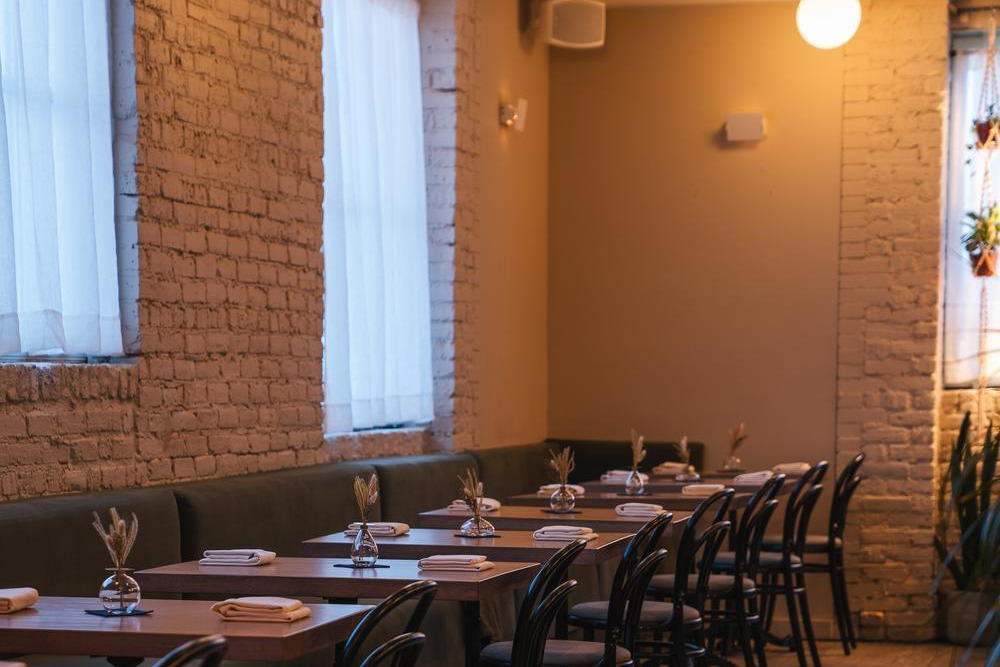
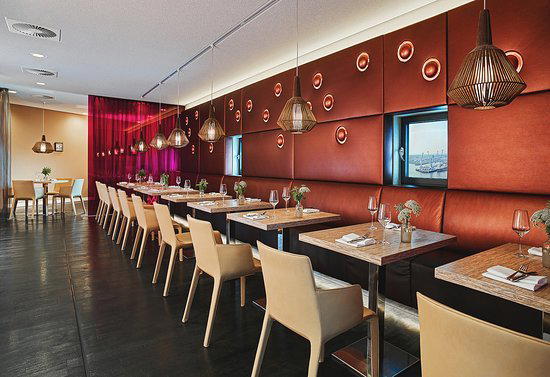
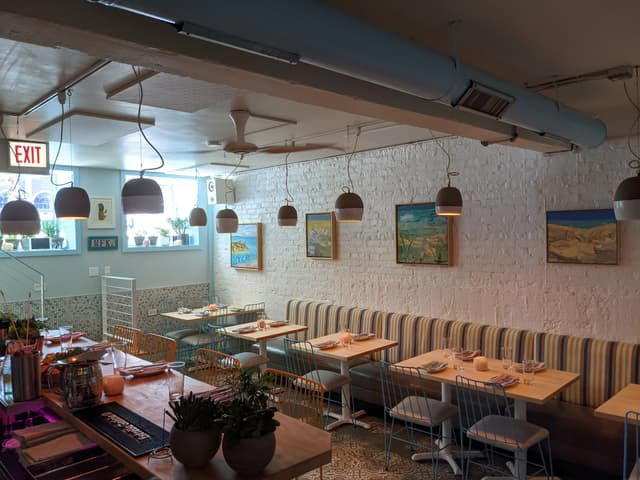
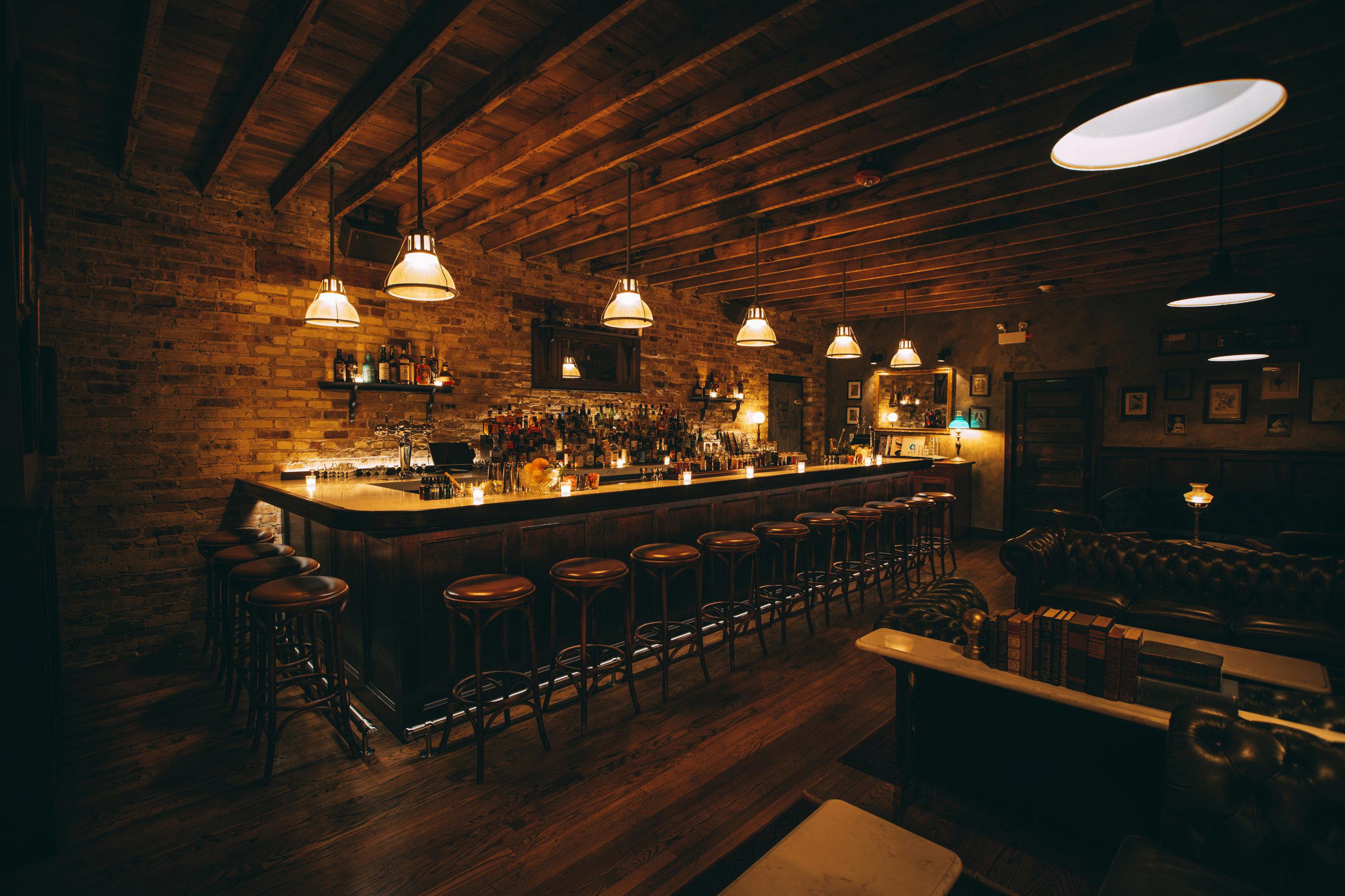
Comfortable, relaxed atmosphere with elegant bar and sushi bar, exposed brick walls, and a cozy room with fireplace.