
Sagardi Castellana brings the Basque asador tradition to one of Madrid's most prominent addresses on Paseo de la Castellana, in the Chamberí district. The Sagardi group has built its reputation across Spain on wood-fired cooking, txakoli on tap, and pintxos bars anchored in San Sebastián custom. For Madrid diners seeking that northern culinary culture without the journey north, this is the address to know.
Pearl is the En Primeur Club membership app — saves, bookings, and concierge access live there. Same editors, same standards.
- Address
- P.º de la Castellana, 13, Chamberí, 28046 Madrid, Spain
- Phone
- +34913086281
- Website
- sagardi.com
- Directions
- Get directions
 Saves & bookings on Pearl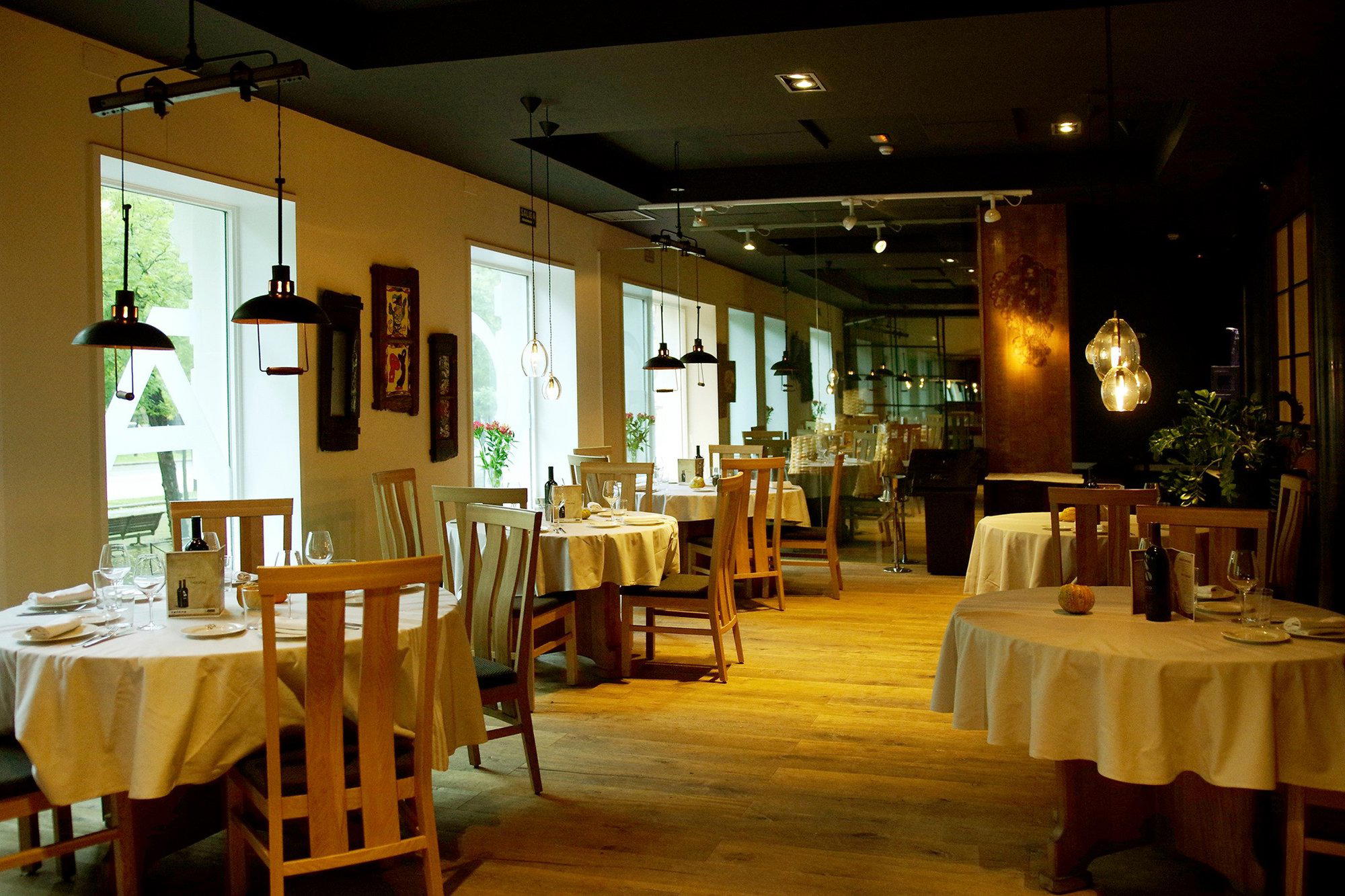
The Basque Table in the Spanish Capital
Madrid has never been short of Basque restaurants. The two cities share a decades-old culinary relationship: San Sebastián provides the template, Madrid provides the market, and the trade between them has produced some of the most consistent cooking on the peninsula. Along Paseo de la Castellana — the long, tree-lined artery that runs through the heart of the capital — that relationship finds one of its more polished expressions at Sagardi Castellana, part of the Sagardi group's national network of Basque asadores. The address is Chamberí, one of Madrid's most residential and least tourist-saturated districts, which says something about who this restaurant is actually cooking for.
The Sagardi group's approach follows a clear template: the Basque asador format, with its emphasis on wood-fired protein, high-quality primary ingredients, and a bar counter stocked with pintxos in the Donostiarra tradition. That format has earned the group a following across Barcelona, Madrid, and beyond, not because it reinvents anything, but because it executes a very specific culinary culture with consistency. In a city where Basque restaurants range from excellent to deeply mediocre, format discipline matters more than novelty.
What the Asador Tradition Actually Means
The Basque asador is not a steakhouse in the American sense, though the two share a reverence for fire and red meat. The asador tradition in the Basque Country centres on the txuletón, a thick-cut, bone-in rib of beef from older cattle, typically ox or dairy cow, grilled over oak or charcoal at high heat and rested before serving. The flavour profile is mineral and fatty rather than simply beefy, and the ritual of sharing a large cut at the table is as much social as culinary. Alongside the meat, the asador canon includes salt cod preparations, grilled seafood, and, crucially, the pintxos counter, small preparations on bread that function as the opening chapter of any serious Basque meal.
Txakoli, the slightly fizzy, low-alcohol white wine produced in the coastal Basque provinces, is poured from height in the traditional style, aerating the wine as it falls into the glass. It is brisk and saline, built for cutting through the fat of grilled fish or cold cuts rather than for solitary sipping. A proper Basque bar pours it freely and often. That ceremony, replicated in Madrid at Sagardi Castellana, is one of the more reliable indicators that a restaurant is serious about the tradition rather than merely decorating its menu with Basque vocabulary.
Spain's northern dining culture has produced some of the country's most discussed restaurants. Arzak in San Sebastián and Martin Berasategui in Lasarte - Oria operate at the creative and technical frontier of that tradition. Mugaritz in Errenteria sits at its philosophical edge. Sagardi occupies different territory entirely: it is not interested in pushing the form, but in transmitting it accurately to audiences who may never make it to Gipuzkoa. That is a legitimate and underappreciated role in the broader Spanish food system.
Where Sagardi Castellana Sits in Madrid's Dining Tier
Madrid's leading creative restaurants occupy a different register altogether. DiverXO, Coque, Deessa, DSTAgE, and Paco Roncero compete at the tasting-menu level, with multi-course formats, extensive wine programs, and price points that reflect Michelin-starred positioning. Sagardi Castellana is not in that competitive set. It competes instead on the quality of its primary ingredients, the credibility of its Basque format, and the accessibility of its service model, a bar counter you can eat at without a reservation, and a dining room where the format is familiar rather than cerebral.
That positioning suits Chamberí. The neighbourhood draws working professionals, long-term residents, and the kind of Madrid diner who wants a serious meal without a theatrical performance around it. The Castellana address puts the restaurant within reach of the business corridor running north from Cibeles, meaning the lunch trade tends to be purposeful and the evening service more relaxed. For visitors, it is a short ride from the museum triangle and the city centre, without the tourist density of Huertas or the self-consciousness of some Malasaña openings.
For context on how the Sagardi format fits within broader Spanish culinary geography, it is worth noting what else the peninsula produces. El Celler de Can Roca in Girona and Azurmendi in Larrabetzu represent the research-led end of Spanish cooking. Aponiente in El Puerto de Santa María and Quique Dacosta in Dénia anchor the Mediterranean creative tradition. Cocina Hermanos Torres in Barcelona and Ricard Camarena in València speak to regional Catalan and Valencian sensibilities. Atrio in Cáceres draws from Extremaduran tradition. The Basque asador, as Sagardi practices it, is the populist counterweight to all of that: no tasting menu, no conceptual scaffolding, just the argument that great ingredients cooked over fire and eaten with cold txakoli is its own complete answer.
Planning Your Visit
Sagardi Castellana sits at Paseo de la Castellana 13, in the Chamberí district of Madrid. The address is well-served by public transport, with several metro lines converging near the lower Castellana. The Sagardi group's bar-and-dining format typically allows walk-in access to the pintxos counter, though the dining room warrants a reservation, particularly for dinner service. As with most Madrid restaurants operating a Basque format, lunch tends to run from roughly 1:30pm, with dinner beginning no earlier than 9pm, Spanish dining rhythms apply here as firmly as anywhere in the city. For diners travelling across Spain's serious restaurant circuit, our full Madrid restaurants guide maps the city's broader options by neighbourhood and format. Those extending their trip internationally might compare notes with Le Bernardin in New York City or Atomix in New York City for a sense of how different culinary traditions handle the same question of format discipline at high price points.
Quick reference: Paseo de la Castellana 13, Chamberí, Madrid. Bar counter typically available without reservation; dining room bookings advised for dinner.
How Sagardi Castellana Madrid compares with similar nearby venues.
| Venue | Cuisine | Price |
|---|---|---|
| Coquetto | Traditional Cuisine | €€€ |
| Saddle | Modern European, Modern Cuisine | €€€€ |
Recognition history
Dated appearances from independent guides and award organizations, with the underlying list record or original source where available.
Macarfi 6.9 Food Rating
Macarfi
Continue exploring
More in Madrid
Restaurants in Madrid
Browse all →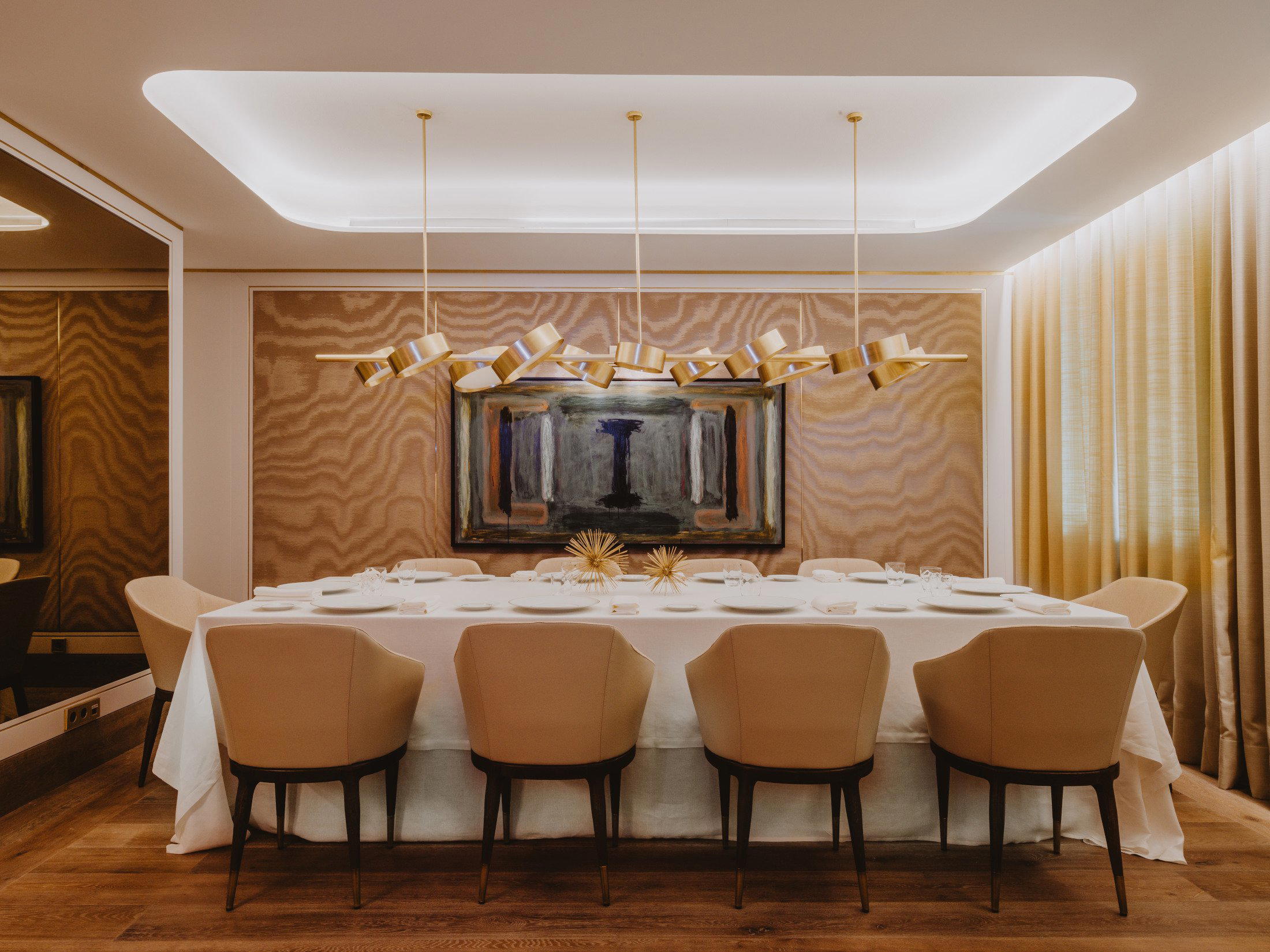
Bars in Madrid
Browse all →
Hotels in Madrid
Browse all →


At a Glance
- Rustic
- Classic
- Elegant
- Business Dinner
- Group Dining
- Special Occasion
- Open Kitchen
- Private Dining
- Extensive Wine List
- Local Sourcing
Current opening hours
- Monday
- 1 PM–12 AM
- Tuesday
- 1 PM–12 AM
- Wednesday
- 1 PM–12 AM
- Thursday
- 1 PM–12 AM
- Friday
- 1 PM–12 AM
- Saturday
- 1 PM–12 AM
- Sunday
- 1 PM–12 AM
Hours can change for holidays and private events. Last verified .
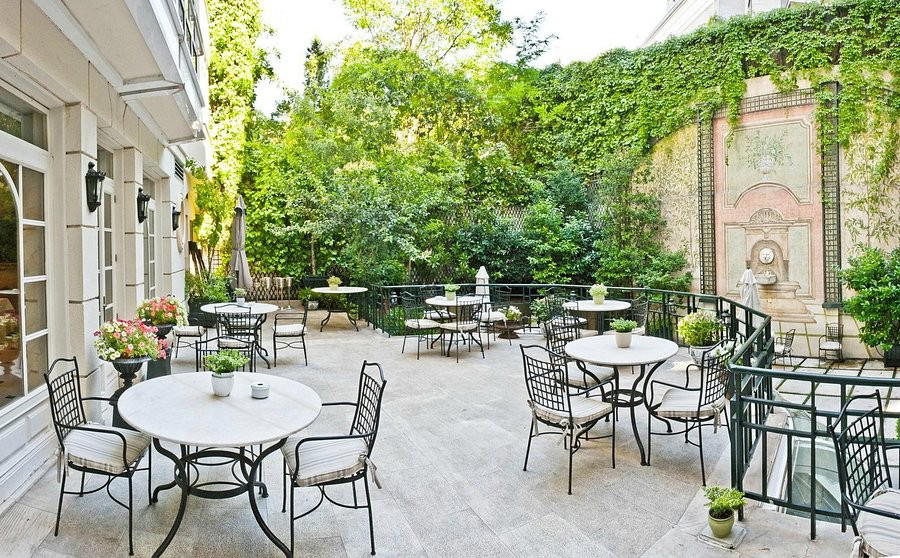
Spacious and comfortable with a bright dining room, wooden floors and furniture, and a central open grill evoking traditional Basque atmosphere.
Know Before You Go
- Getting there
- P.º de la Castellana, 13, Chamberí, 28046 Madrid, Spain