

Saffron holds a 2025 Michelin Plate at the ฿฿฿ price point, making it the island's most formally recognised Thai dining address. The room pairs floor-to-ceiling windows and dark wooden furnishings with an alfresco terrace, while the menu moves between à la carte and tasting formats. Signature plates such as roast duck red curry and fried softshell crab salad with lychee signal a kitchen working in the upper register of Southern Thai technique.
Pearl is the En Primeur Club membership app — saves, bookings, and concierge access live there. Same editors, same standards.
- Address
- Unnamed Road, Tambon Maret, Ko Samui District, Surat Thani 84310, Thailand
- Phone
- +66 77 915 333
- Website
- banyantree.com
- Directions
- Get directions
 Saves & bookings on Pearl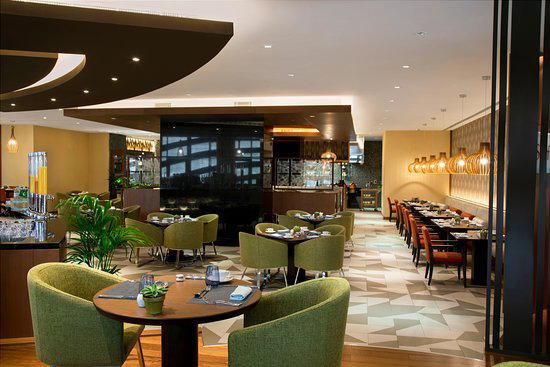
Where the Room Sets the Tone
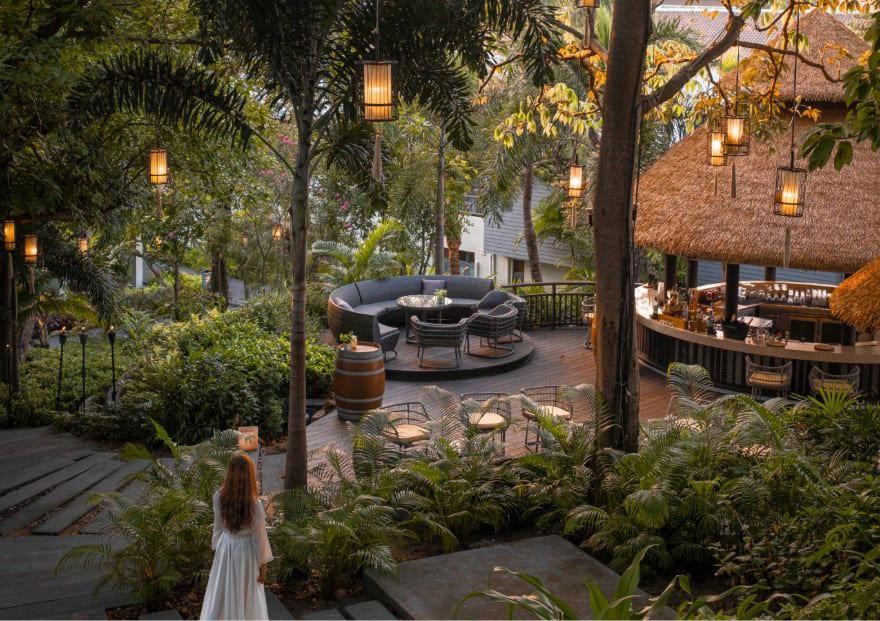
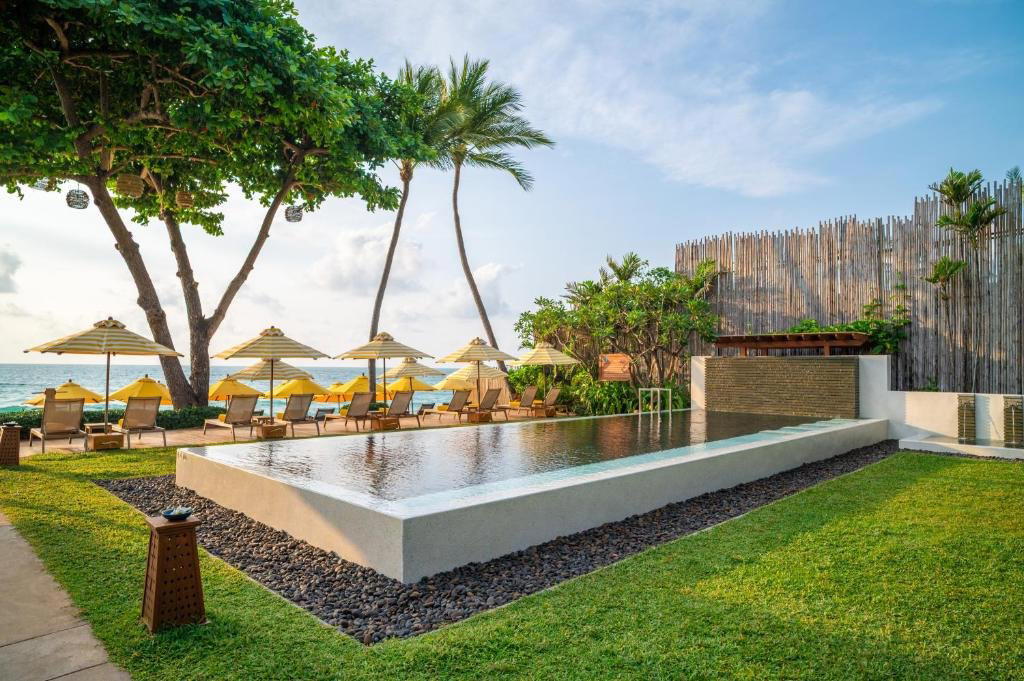
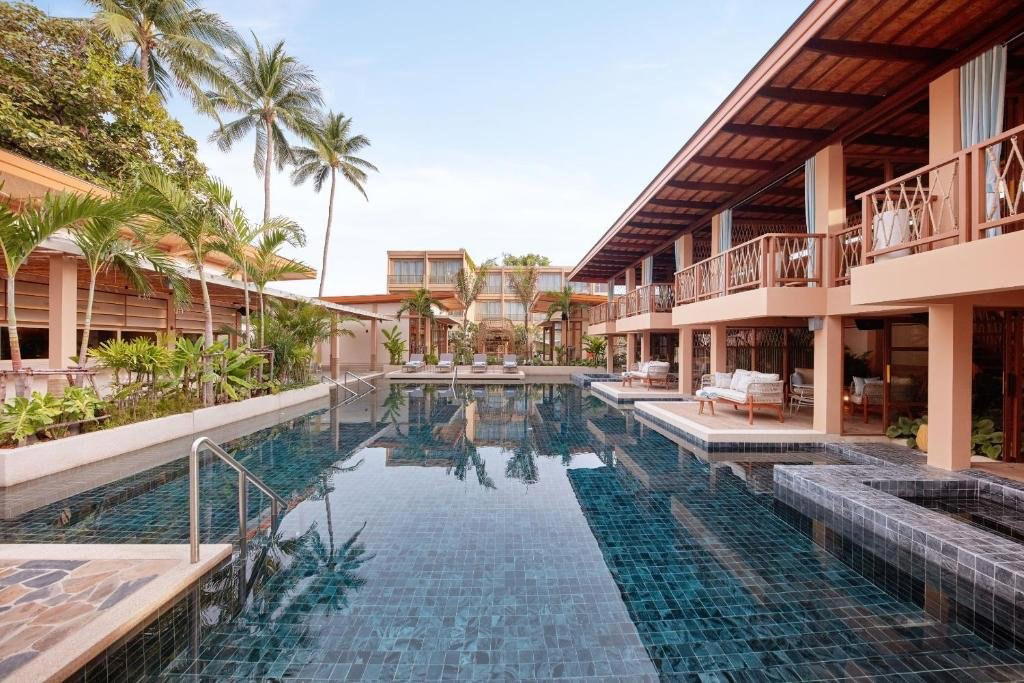
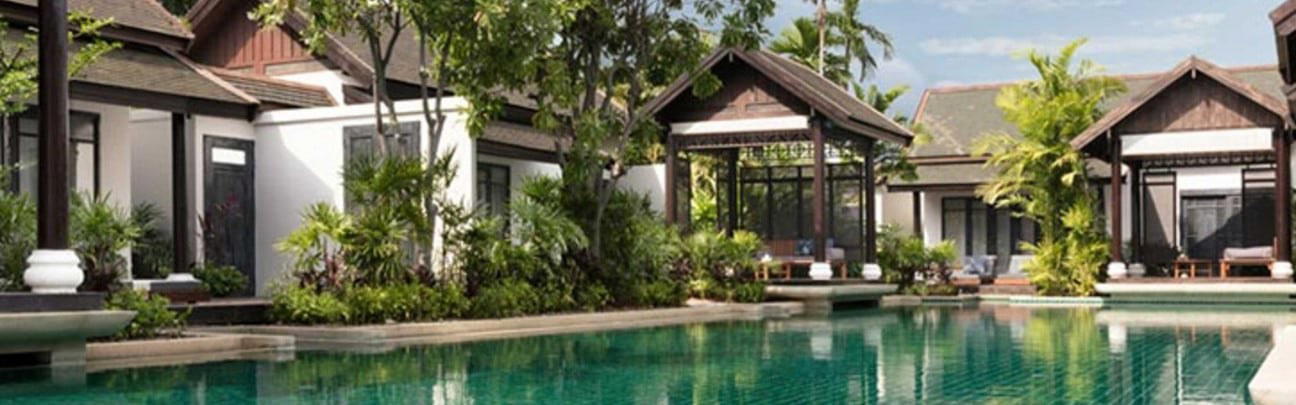
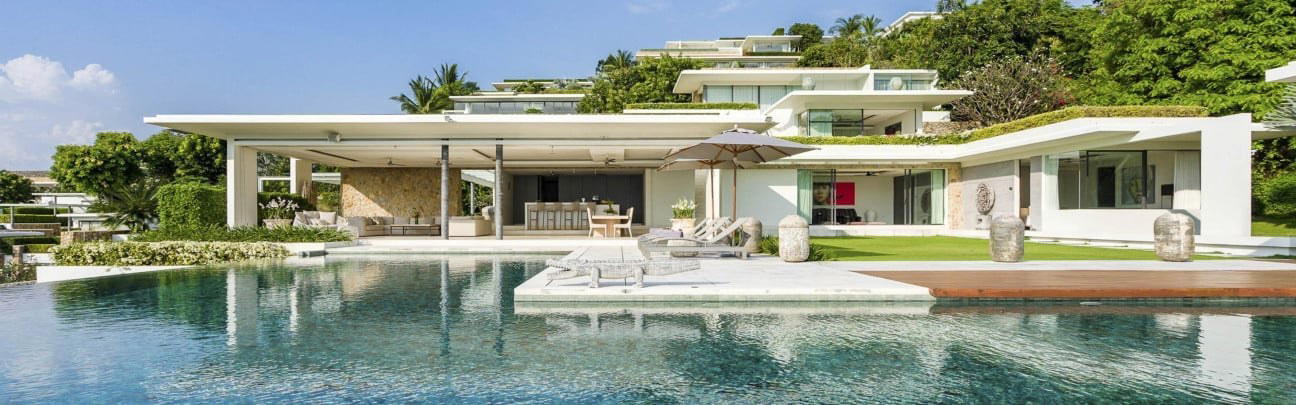
Floor-to-ceiling windows, dark wooden furnishings, and contemporary lighting position Saffron in a different register from Ko Samui's casual beachfront Thai restaurants. The alfresco section extends the experience outward, with views that frame the island's landscape rather than compete with it. This is a room designed to carry weight: the kind of setting where the architecture signals that what arrives at the table has been thought through. In a resort destination where the gap between ambience and kitchen output is often wide, Saffron closes that gap from both directions.
The dual format, à la carte alongside a tasting menu, reflects a deliberate positioning. Tasting menus in this context are not common on the island, and their presence here places Saffron closer to the structured-dining tier found at recognised addresses like PRU in Phuket or Sorn in Bangkok than to the island's mid-market Thai offer.
Thai Cooking and What It Asks of a Kitchen
Thai cuisine's complexity is structural, not decorative. The balance of aromatics, galangal, lemongrass, kaffir lime leaf, against fermented and fresh elements requires a kitchen that understands proportion rather than formula. Southern Thai food in particular operates with greater heat and more assertive flavours than central Thai cooking, drawing on turmeric pastes, dried spices, and a tradition of using fresh local produce as both ingredient and counterweight. Ko Samui sits within this Southern Thai culinary zone, though the island's decades as an international resort destination have pulled many of its kitchens toward an accommodation of foreign palates that dilutes that regional character.
Saffron's 2025 Michelin Plate recognition signals that Michelin's inspectors found the kitchen operating with sufficient rigour and consistency to merit formal acknowledgement. In Thailand's Michelin ecosystem, where Nahm in Bangkok and Samrub Samrub Thai represent different registers of ambition in the capital, a Plate outside Bangkok carries particular meaning. It identifies a kitchen that has maintained a standard against a Michelin benchmark, not merely an island standard. For Ko Samui, which does not have a deep bench of recognised Thai dining addresses, that designation matters as a point of orientation. Among the island's Thai restaurants, Phensiri and Koh Thai Kitchen offer solid cooking at the ฿฿ tier, but neither carries formal international recognition.
The Dishes That Define the Kitchen
Two plates in particular illustrate how the kitchen approaches Thai flavour architecture. The roast duck red curry pairs a thick, sweet-and-spicy sauce with a fresh lychee and pineapple compote alongside roasted skin, a construction that uses fruit's acidity and sugar to modulate the curry's heat while the roasted skin delivers textural contrast. This is not a dish assembled from neutral components; it is built around deliberate tension between richness, brightness, and spice.
The fried softshell crab salad with lychee and passionfruit applies a similar logic. Softshell crab, fried to order, loses structure quickly, so its pairing with fruit-forward acidity is a time-sensitive balance. Passionfruit's sharpness cuts through the fried coating in a way that neither lime nor tamarind would replicate. The use of lychee across multiple dishes suggests the kitchen has found a local fruit whose floral sweetness works systematically in their flavour framework, not as garnish but as a functional element. Separately, a fried mushroom mix has drawn consistent commentary for its handling of texture, worth ordering if the broader menu leaves room.
The aromatics, herbs, and produce across the menu reflect a kitchen with clear command of ingredient sourcing, and the presence of vegetables treated as central rather than peripheral aligns with the way serious Southern Thai cooking has always operated, before international tourism shifted the balance toward protein-forward plates.
Where Saffron Sits on the Island
Ko Samui's dining market stratifies fairly sharply. At the ฿฿฿ price point, Saffron sits alongside FishHouse, which operates at the same price tier with a European focus. Seafood addresses like Baan Suan Lung Khai and Bang Por Seafood Takho operate at ฿฿, delivering strong value in a more casual format. At the upper end, steakhouse-format dining reaches ฿฿฿฿. In that spread, Saffron occupies the specific position of formal Thai cuisine at the ฿฿฿ tier, a niche with no direct competitor on the island that carries matching recognition.
For context within Thailand's broader Michelin geography, the kitchen sits in the same conversation as AKKEE in Pak Kret and Aeeen in Chiang Mai, regionally situated addresses earning formal recognition outside the Bangkok concentration. That pattern reflects a maturing of Thai dining recognition across the country, not just its capital.
Planning Your Visit
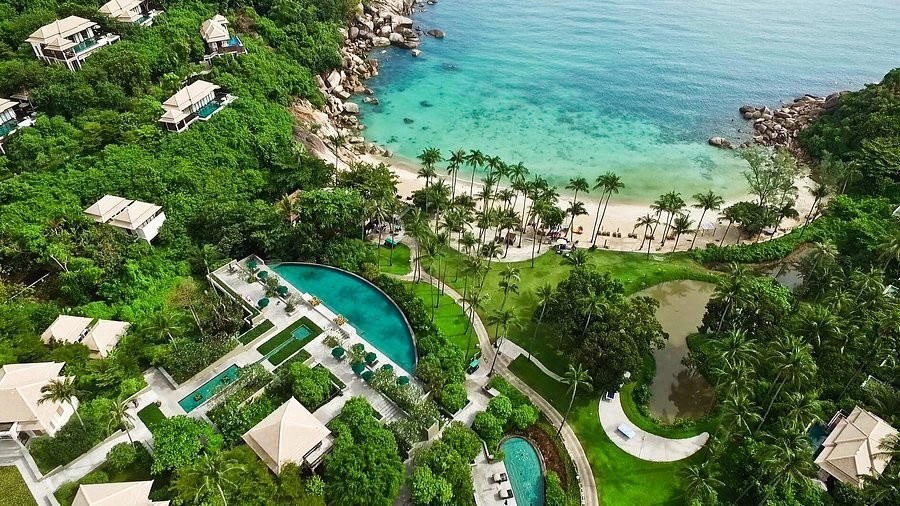
Saffron is located in Tambon Maret on Ko Samui's southeastern coast. The setting in Maret reinforces the room's atmosphere: arriving here is not an incidental stop but a deliberate choice. The tasting menu format, if that is your preference, requires more lead time in planning than à la carte. The ฿฿฿ pricing positions this as a considered dinner rather than a casual meal, comparable in cost to the island's other formal dining addresses.
City Peers
Comparable venues nearby, for context on price, style, and recognition.
| Venue | Cuisine | Price | Notes |
|---|---|---|---|
| SaffronThis venue — the venue you are viewing | Modern Thai Fine Dining | $$$$ | Not listed |
| Long Dtai | Authentic Southern Thai Seafood | $$$$ | Bo Phut |
| Koh Thai Kitchen | Modern Southern Thai | $$$ | Ang Thong |
| Jun Hom | Southern Thai Seafood | $$ | Mae Nam |
| FishHouse | Modern Beachfront Seafood | $$$ | Choeng Mon Beach |
| Ko Seng | Southern Thai Seafood | $$ | Mae Nam |
Recognition history
Dated appearances from independent guides and award organizations, with the underlying list record or original source where available.
Michelin Plate
Michelin
Michelin Plate
Michelin
We're Smart World 3 Radishes
We're Smart World
Continue exploring
More in Koh Samui
Restaurants in Koh Samui
Browse all →
Bars in Koh Samui
Browse all →
At a Glance
- Romantic
- Elegant
- Sophisticated
- Scenic
- Date Night
- Special Occasion
- Celebration
- Waterfront
- Terrace
- Hotel Restaurant
- Waterfront
Current opening hours
- Monday
- 6–11 PM
- Tuesday
- 6–11 PM
- Wednesday
- 6–11 PM
- Thursday
- 6–11 PM
- Friday
- 6–11 PM
- Saturday
- 6–11 PM
- Sunday
- 6–11 PM
Hours can change for holidays and private events. Last verified .
Elegantly appointed with floor-to-ceiling windows, contemporary lighting, dark wooden furnishings, and alfresco options offering far-reaching bay views under the stars.