
Michelin Plate
Our verdict
A Michelin Plate-recognised beachfront spot on Ko Samui's quieter northern shore, Bang Por Seafood Takho serves Southern Thai coastal cooking at a mid-range price point. Stir-fried squid in spicy curry paste, grilled whole fish scattered with fresh herbs, and an aromatic house shrimp paste cooked over charcoal define the menu.

Pearl is the En Primeur Club membership app, where members save venues, book tables and use the concierge.
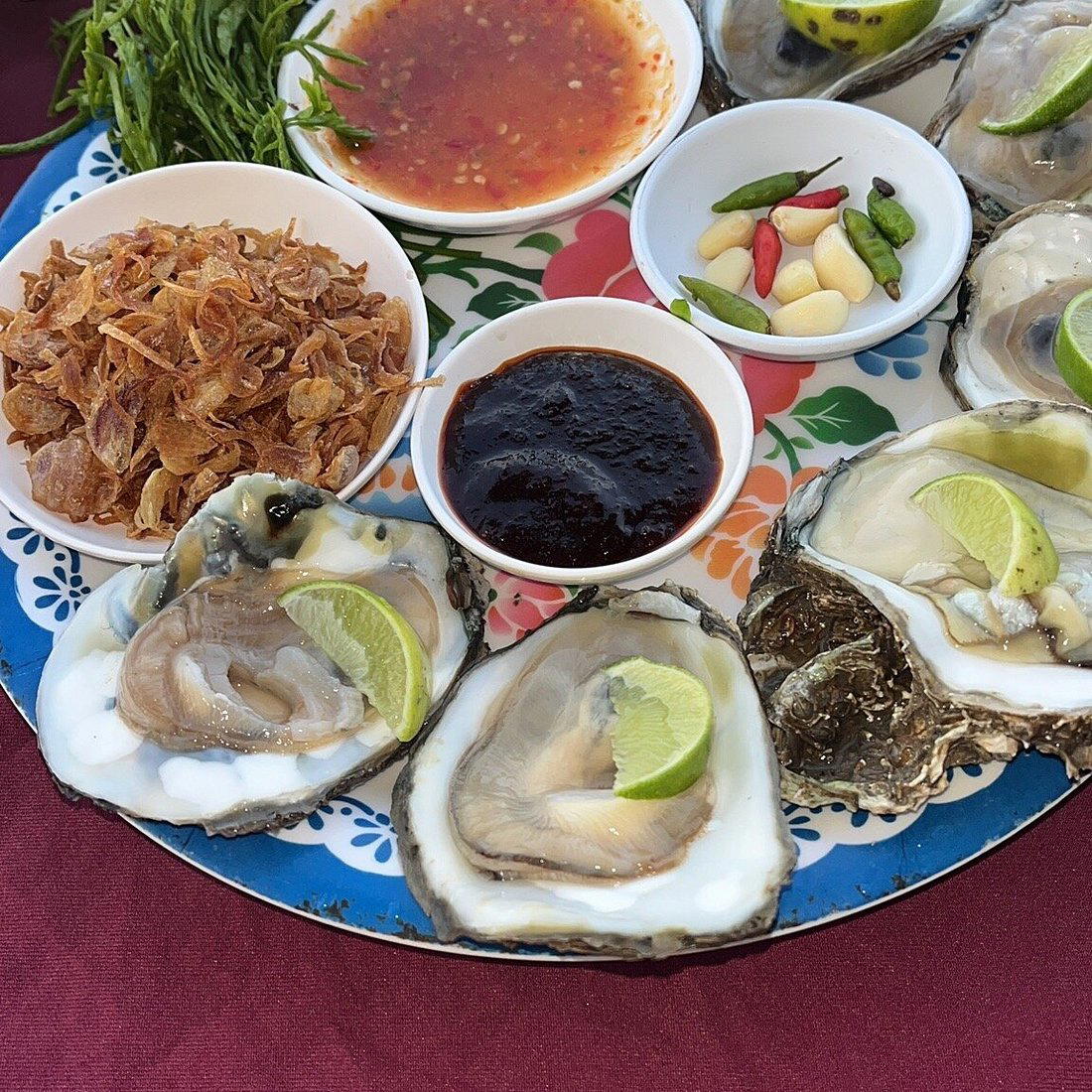
The menu
What to order
- Spicy stir-fried squid
- Grilled fish
- Shrimp paste
- Tamarind prawns
The Northern Shore and the Case for Simple Cooking
Ko Samui's dining scene has split decisively over the past decade. The south and east coasts have absorbed the resort infrastructure: poolside fusion menus, prix-fixe tasting formats, and international kitchens priced against the island's hotel room rates. The north coast, by contrast, has moved more slowly, retaining the kind of open-air seafood spots that have fed Thai families and in-the-know visitors for generations. Bang Por, the quiet bay that gives this restaurant its name, sits along that northern stretch, where the Gulf of Thailand stays shallow and the fishing boats still come in close to shore. In that context, Bang Por Seafood Takho is less an anomaly than a natural expression of what the area has always done.
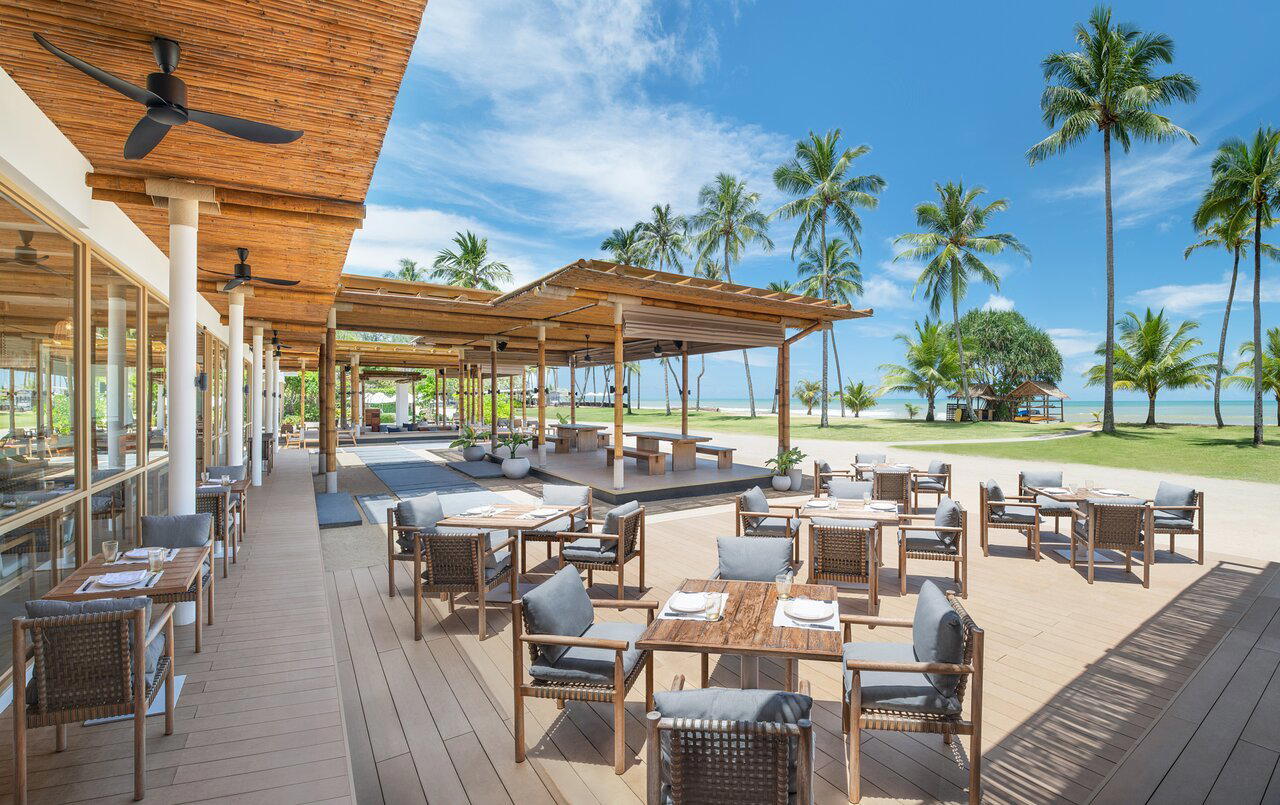
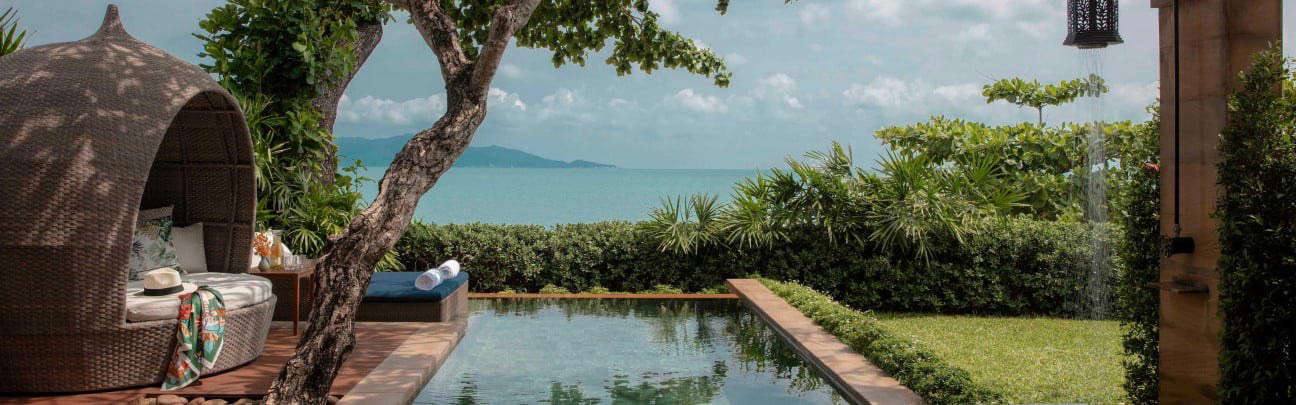
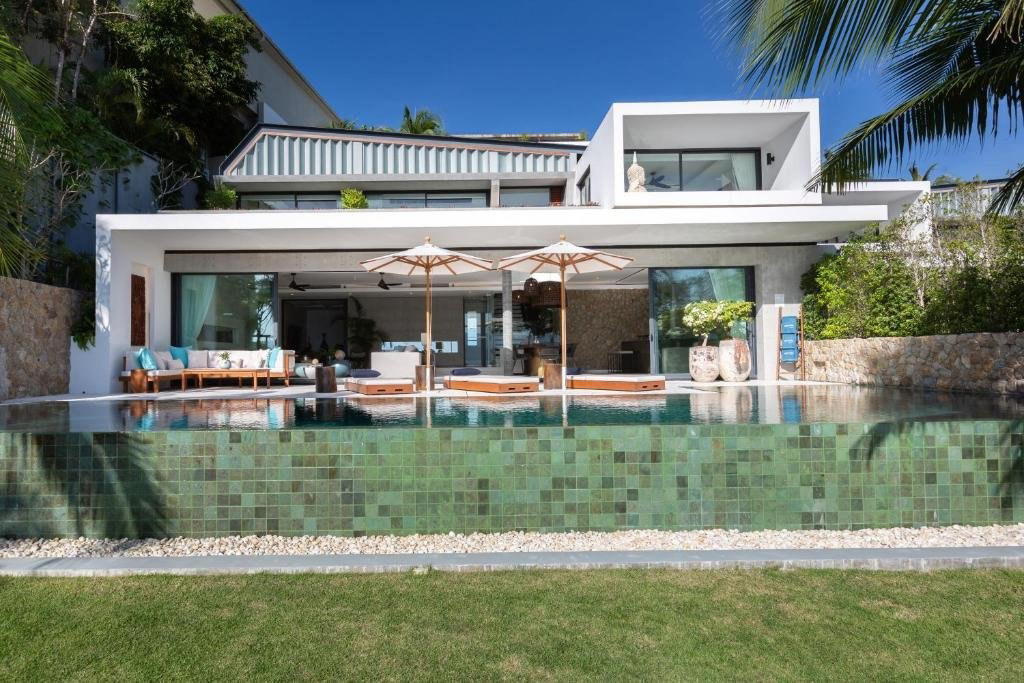
The setting reads immediately as functional rather than decorative: plastic furniture, covered outdoor seating, and a direct line of sight to the water. There are no design conceits here. What draws the eye instead is the kitchen activity and the evidence of long familiarity with the ingredients on the table. The restaurant's kitchen team is composed of local chefs who have worked the same station for many years, which is a more meaningful credential than it might initially appear. Consistency in Thai seafood cooking depends heavily on technique learned through repetition, particularly with live and fresh-caught ingredients whose behaviour varies with the season and the day's catch.
Southern Thai Technique at the Beachfront
Southern Thai seafood cooking operates on a different register than the central Thai cuisine most visitors encounter first. The flavour profile skews harder: more turmeric, more fermented shrimp paste, more raw heat. Aromatic plants do significant work here, not as garnish but as structural elements. Grilled fish arrives scattered with mixed Thai herbs rather than served clean, and the spicy stir-fried squid uses a curry paste base that places it in the Southern tradition rather than the milder wok-fry formats more common in Bangkok-facing kitchens.
The editorial angle most relevant to Bang Por Seafood Takho is not the raw bar in the European or Japanese sense, though the underlying principle shares something with it: the idea that proximity to source and minimal intervention produce results that processing and distance cannot replicate. Here, that philosophy manifests in a house shrimp paste that combines aromatic plants with coconut and chili, grilled before serving in a format that releases the fermented funk through charcoal heat. The result is pungent in the precise, intentional way that distinguishes accomplished Southern Thai cooking from diluted versions. For comparison, the fermented-paste traditions visible in venues like Kapi Sator (Southern Thai) elsewhere on the island reflect the same regional logic, though the formats differ.
This approach to fermented and charcoal-cooked preparation places Bang Por Seafood Takho in a specific category within Ko Samui's seafood offer. FishHouse (European) operates at a higher price tier with a European framing, while Baan Suan Lung Khai and Bang Por Seafood Takho share the same mid-range pricing bracket and a Thai seafood focus, though the kitchen traditions they draw on are distinct. The Michelin Plate recognition in both 2024 and 2025 confirms that the quality signal here is not purely local: the inspectors placed it within a documented standard of consistency and craft.
Recognition and Where It Places the Restaurant
The Michelin Plate is often misread as a consolation award, but its actual function in the Guide's framework is to mark restaurants where cooking is consistently good. For a beachfront restaurant at a mid-range price point on a Thai island, holding that recognition across consecutive years is meaningful evidence of a sustained standard. It positions Bang Por Seafood Takho alongside recognised kitchens in Thailand's broader Southern seafood tradition, which has received increasing critical attention as guides have expanded their coverage outside Bangkok. Venues like Sorn in Bangkok have brought national and international focus to Southern Thai cuisine at a fine-dining level; what places like Bang Por Seafood Takho demonstrate is that the same culinary intelligence operates at the beachside register too. For regional comparison, PRU in Phuket takes the fine-dining route, while AKKEE in Pak Kret represents a different Thai regional tradition altogether. The contrast is instructive: Michelin's Thailand coverage now spans registers from tasting-menu format down to open-air shoreside cooking, and Bang Por Seafood Takho sits at the more accessible end of that documented range.
A rating sustained across nearly a thousand responses reflects a consistent experience rather than a spike driven by a single wave of enthusiastic visitors. For a restaurant of this format and price, that is a reliable signal.
Planning Your Visit
Bang Por Seafood Takho sits on the northern coast of Ko Samui at Moo 6 in the Mae Nam subdistrict, a quieter stretch that requires a deliberate drive or taxi from the island's main resort areas on the south and east coasts. The mid-range price tier (฿฿) places it well below the resort-adjacent restaurants on the east coast and comfortably within reach for most budgets. The restaurant is affiliated with the Ban Por bay area, which also makes it a natural pairing with time spent on the north shore rather than a standalone destination requiring a cross-island trip.
For further context on the island's dining options across price tiers and formats, the full Ko Samui restaurants guide maps the full range. Venues worth cross-referencing include Jun Hom and Krua Chao Baan for different expressions of Thai cooking on the island. Beyond food, the Ko Samui hotels guide, bars guide, wineries guide, and experiences guide cover the island's full offer. For those tracking the Southern Thai seafood tradition across other regions, Aeeen in Chiang Mai and Agave in Ubon Ratchathani represent distinct regional Thai cooking contexts, while the The Spa in Lamai Beach sits closer to home for comparison. For international seafood reference points, Gambero Rosso in Marina di Gioiosa Ionica and Alici Restaurant on the Amalfi Coast show how the beachfront-seafood format operates in a Mediterranean key.
What to Order
What should I eat at Bang Por Seafood Takho?
The kitchen's Southern Thai identity is most legible in three preparations documented across the restaurant's recognised profile. The spicy stir-fried squid, cooked in a curry paste base with aromatics, delivers the heat and depth that define the Southern register. The grilled whole fish, scattered with mixed Thai herbs, is the format most directly shaped by access to fresh local catch. The house shrimp paste, packed with aromatic plants and coconut chili and grilled before serving, is the most technique-dependent item on the menu and the one that most clearly signals what the kitchen knows how to do. All three sit within the Michelin-recognised offer that earned the restaurant consecutive Plate distinctions in 2024 and 2025.
Frequently asked questions
Is Bang Por Seafood Takho more mid-range or high-end?
Pricing at Bang Por Seafood Takho is listed as ฿฿.
Does Bang Por Seafood Takho have a Michelin star or similar recognition?
Bang Por Seafood Takho has received recognition including: Bang Por boasts an experienced kitchen team composed of local chefs who have worked here for many years. This simple beach-front restaurant is depicted by holiday vibes and Southern Thai seafood fare. The spicy stir-fried squid with herbs i….
What should I eat at Bang Por Seafood Takho?
Three preparations define the kitchen's Southern Thai identity: spicy stir-fried squid cooked in a curry paste with herbs, grilled fish finished with mixed Thai herbs, and the house shrimp paste blended with aromatic plants and coconut chili, grilled to order for its characteristic pungent aroma. The Michelin Plate recognition in both 2024 and 2025 was built on exactly this kind of focused, technique-specific cooking rather than a broad menu. Order around those core dishes rather than treating the menu as a survey of Thai cuisine.
What part of town is Bang Por Seafood Takho in?
Bang Por Seafood Takho is located at HWHV+563 56/4 Moo 6, แม่น้ำ Ko Samui District, Surat Thani 84330, Thailand, Ko Samui.
Cost Snapshot
| Venue | Cuisine | Price | Awards | Notes |
|---|---|---|---|---|
| Bang Por Seafood TakhoThis venue (the venue you are viewing) | Southern Thai Seafood | $10–20 | Michelin Plate | Not listed |
| Baan Suan Lung Khai | Southern Thai Seafood | $20–30 | Michelin Bib Gourmand | Seafood, ฿฿ |
| FishHouse | Modern Beachfront Seafood | $50–100 | Michelin Plate | European, ฿฿฿ |
| Kapi Sator | Southern Thai | $20–30 | Michelin Plate | ฿฿ |
| Phensiri | Southern Thai | $10–20 | Michelin Plate | Thai, ฿฿ |
| The Ranch | Premium Steakhouse | $150–200 | Michelin Plate | Steakhouse, ฿฿฿฿ |
Recognition history
Dated appearances from independent guides and award organizations, with the underlying list record or original source where available.
Michelin Plate
Michelin
Full recognition history (3 entries)
Michelin Plate
Michelin
Michelin Plate
Michelin
Continue exploring
More in Koh Samui
Restaurants in Koh Samui
All restaurants in Koh Samui →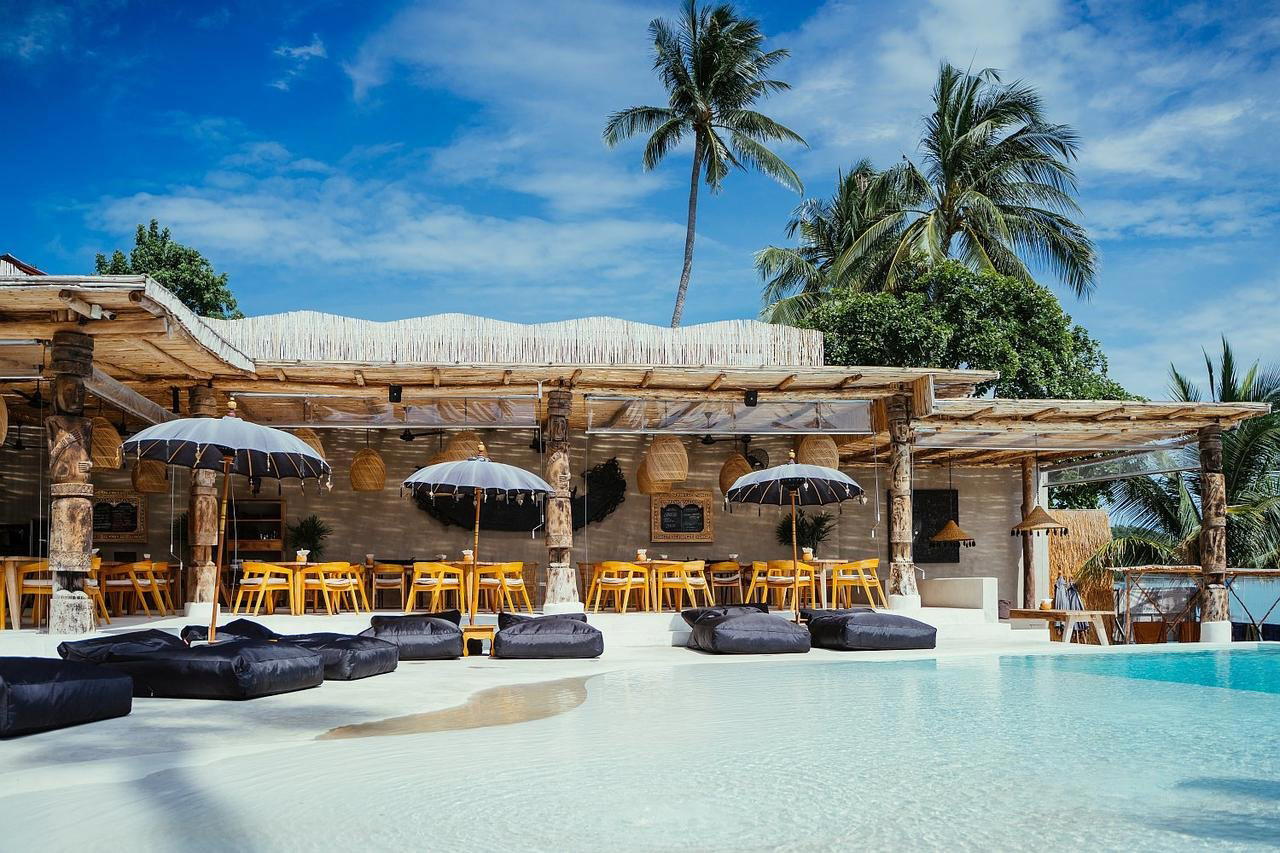
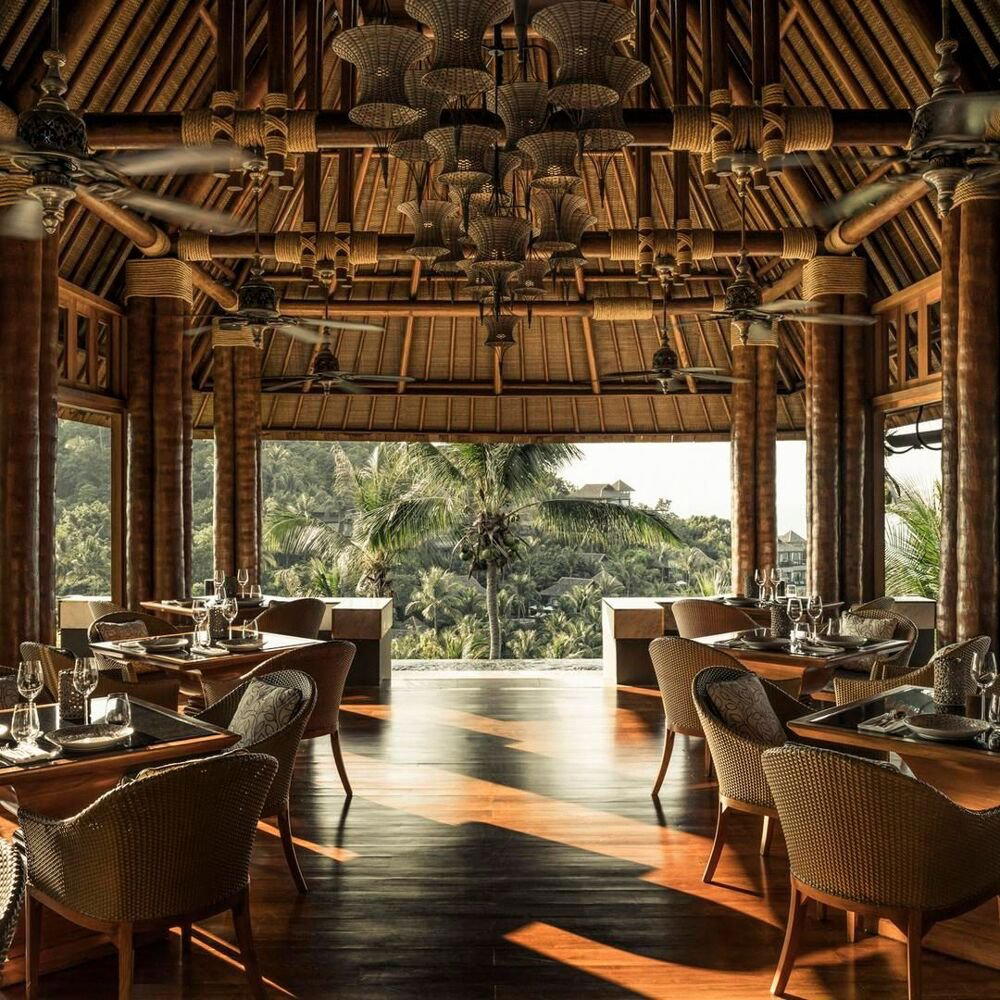
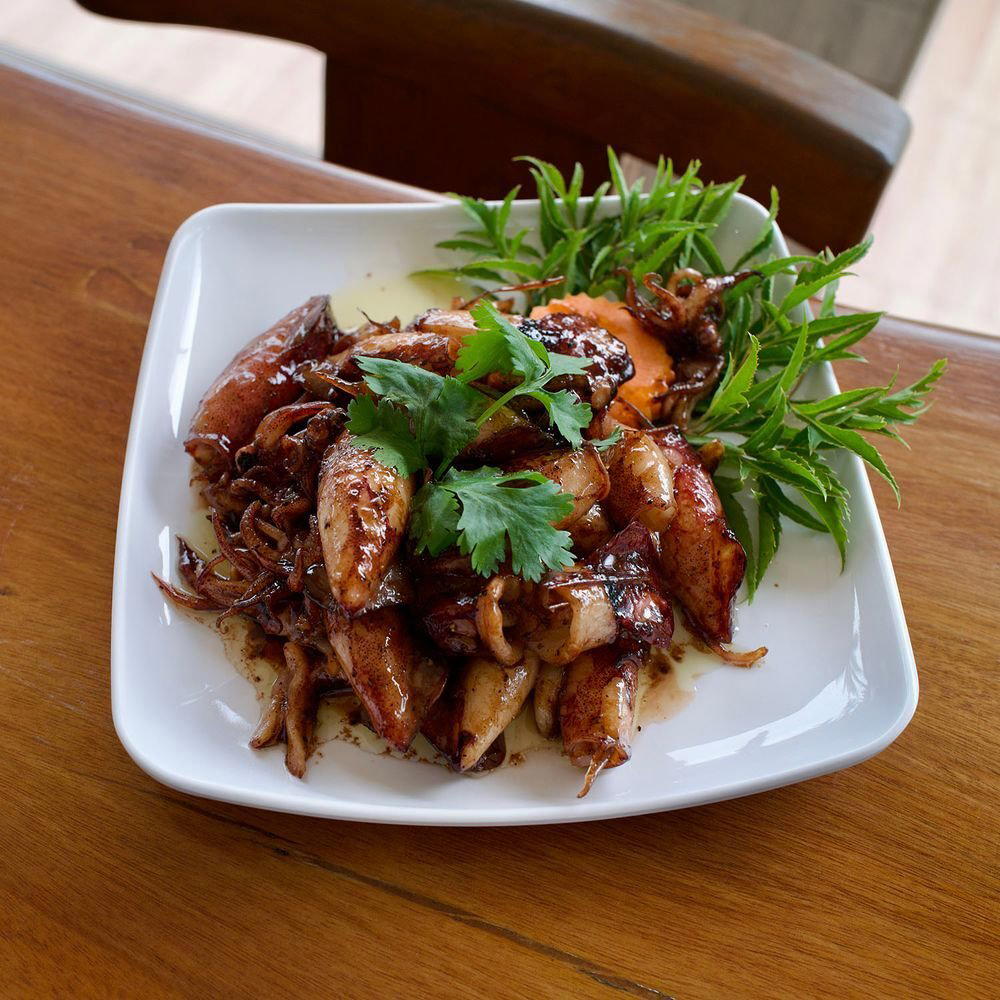
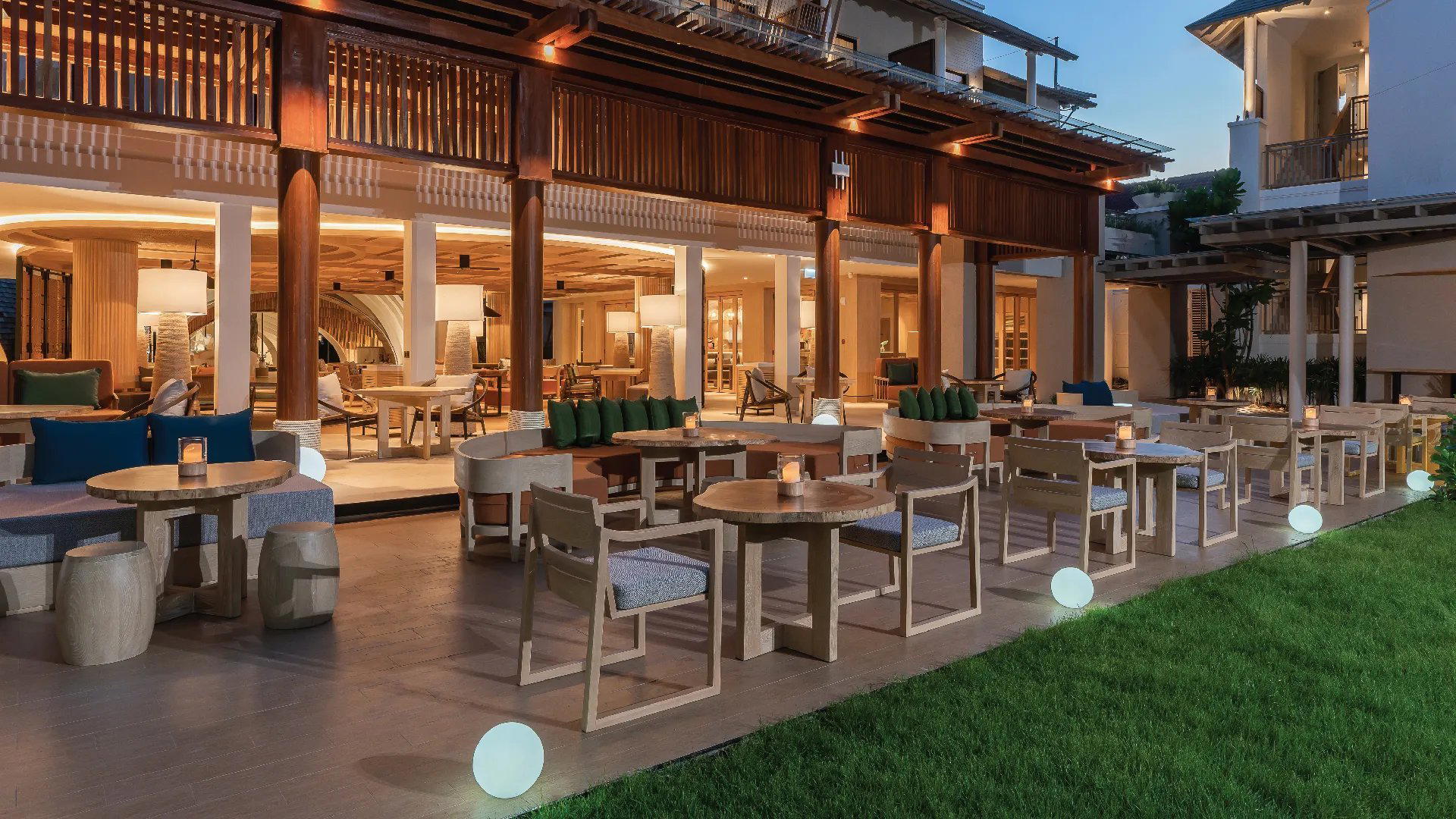
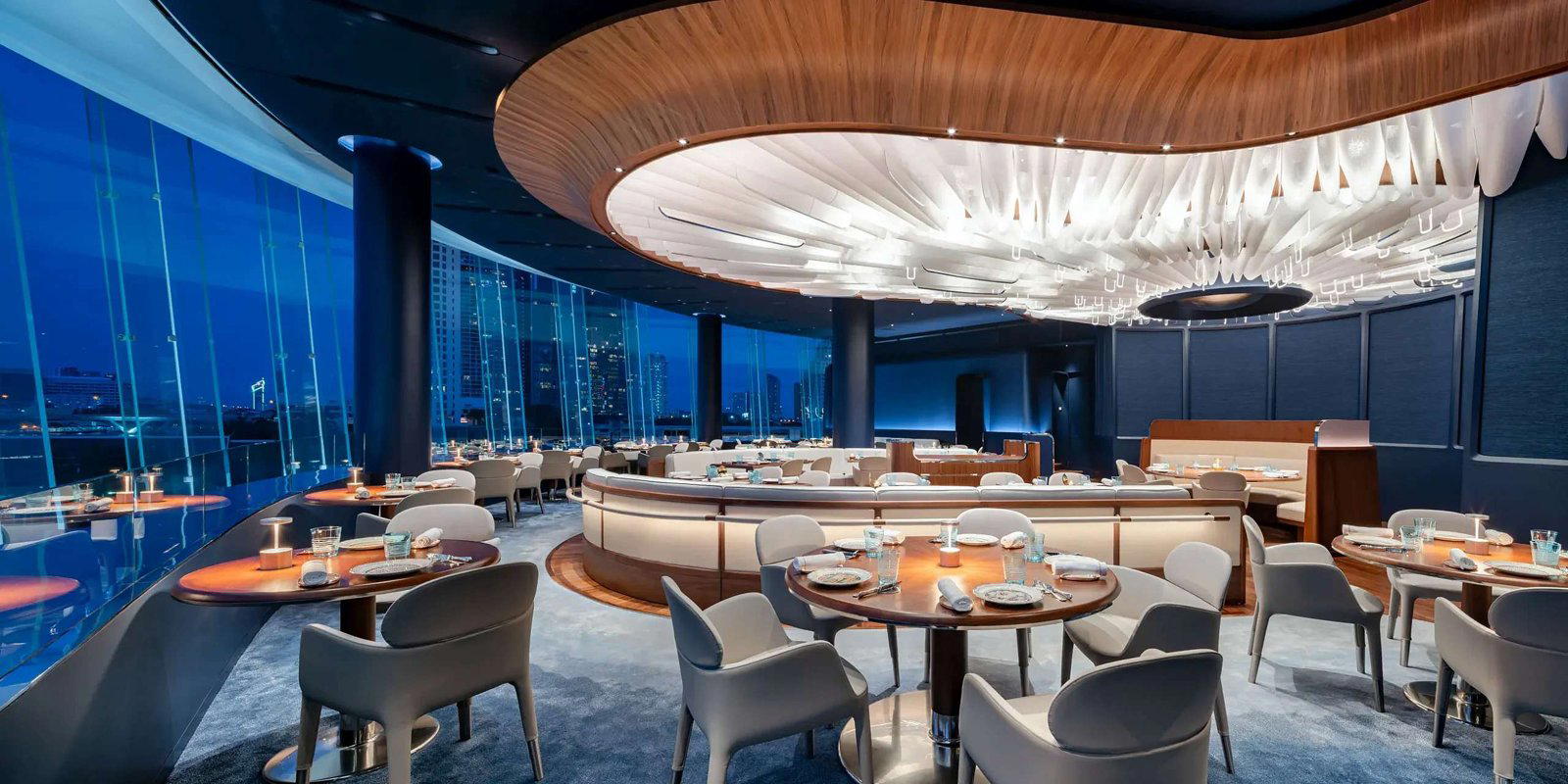
Bars in Koh Samui
All bars in Koh Samui →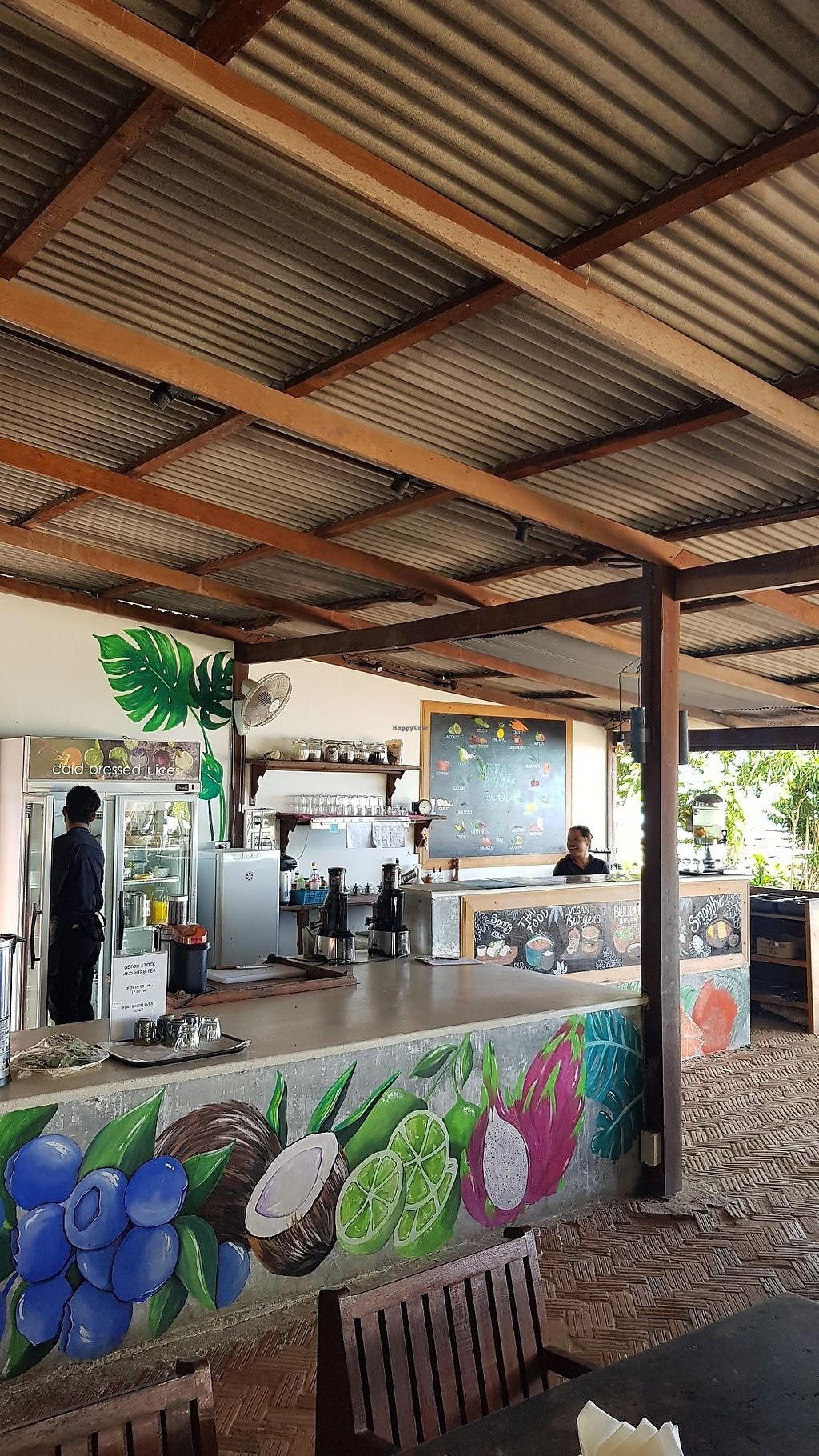
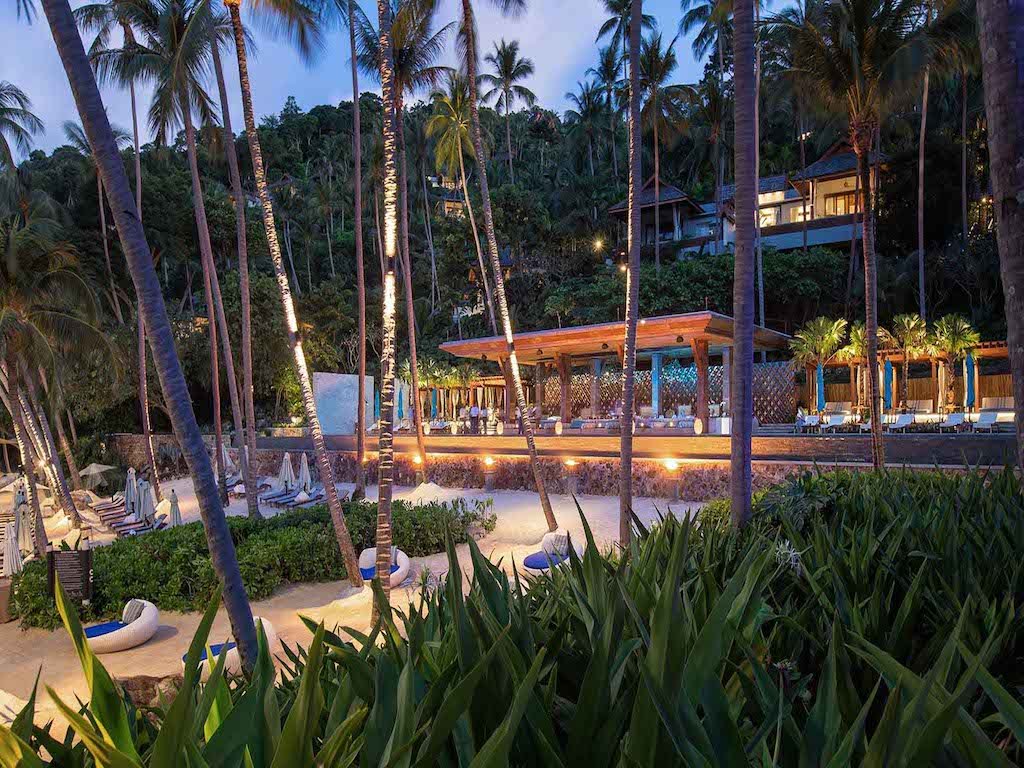
Details
- Rustic
- Scenic
- Cozy
- Casual Hangout
- Family
- Beachfront
- Waterfront
- Local Sourcing
- Sustainable Seafood
- Waterfront
- A La Carte
- Vegetarian Friendly
Current opening hours
- Monday
- 10 AM–10 PM
- Tuesday
- 10 AM–10 PM
- Wednesday
- 10 AM–10 PM
- Thursday
- 10 AM–10 PM
- Friday
- 10 AM–10 PM
- Saturday
- 10 AM–10 PM
- Sunday
- 10 AM–10 PM
Hours can change for holidays and private events. Hours as of .
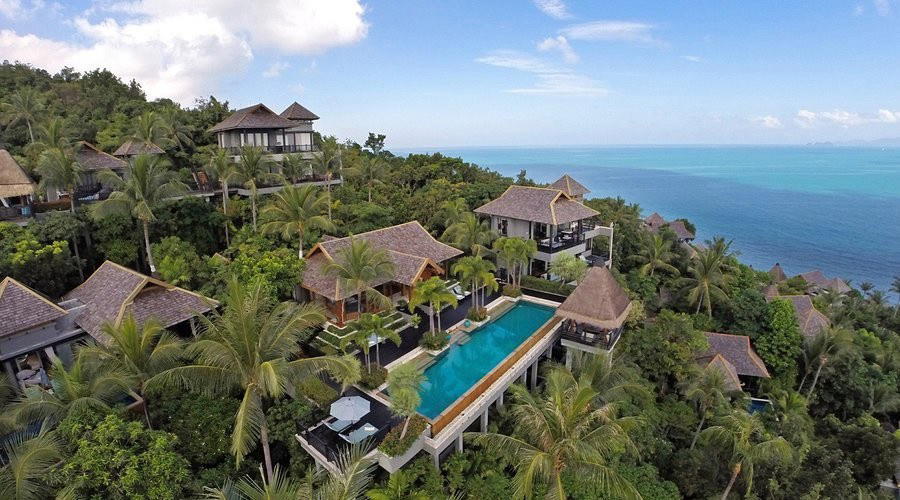
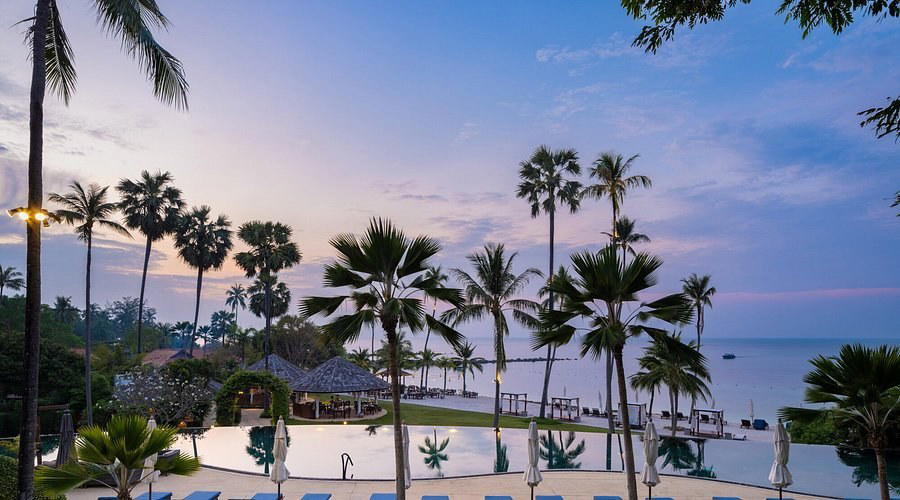
Rustic beachside atmosphere with holiday vibes, fairy lights, and tables in the sand under breezy tropical conditions.