
Sabou Kirara places Kamakura’s wagashi-cafe culture in a compact, low-price format: Japanese sweets, kakigori, gelato and ice cream rather than a full restaurant meal. Its Tabelog 100 selection for Japanese traditional sweets and sweets cafes in East Japan gives it a credible marker in a category where texture, seasonality and ingredient handling matter more than ceremony.
Pearl is the En Primeur Club membership app — saves, bookings, and concierge access live there. Same editors, same standards.
- Address
- 16-7 Onarimachi, Kamakura, Kanagawa 248-0012, Japan
- Phone
- +81 467-24-9741
- Website
- tabelog.com
 Saves & bookings on Pearl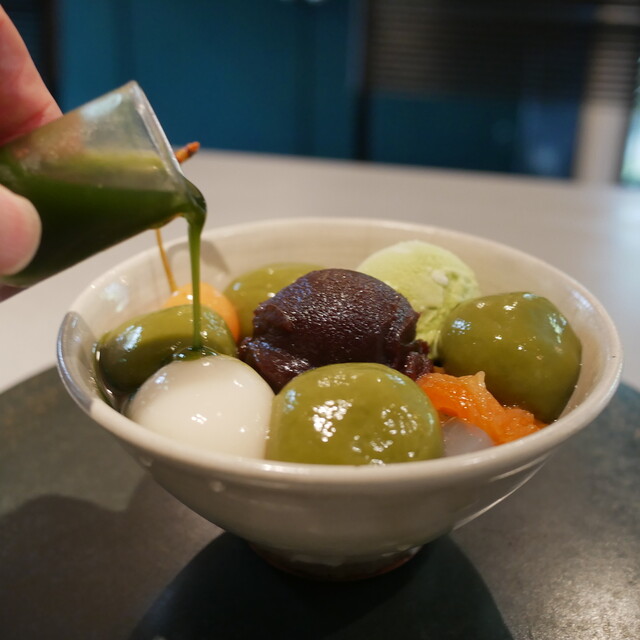
Onarimachi is the quieter Kamakura approach: less temple-processional than Komachi-dori, more residential in rhythm, with cafes and small food shops folded into the walk from the station. In that setting, the Japanese sweets cafe occupies a particular role. It is not dessert as an afterthought to lunch, but a separate stop with its own grammar: bean paste, rice flour, shaved ice, tea, chilled dairy, and the seasonal calibrations that make wagashi culture feel precise rather than ornamental.
Sabou Kirara belongs to that tradition. The category listing is narrow and telling: cafe featuring Japanese sweets, kakigori, gelato and ice cream. That mix says much about contemporary Kamakura, where old tea-shop habits now sit beside the city’s day-trip appetite for cold sweets and short, queue-driven cafe visits. The venue’s repeated Tabelog 100 recognition, including the 2023 Japanese traditional sweets / Japanese sweets cafe EAST selection and earlier sweets selections in 2018, 2019, 2020 and 2022, gives the place a measurable signal in a field that rarely has Michelin-style markers.
Wagashi logic, not dessert-menu logic
Japanese sweets cafes are built around ingredient discipline. Red beans, rice, sugar, tea and ice have little room for camouflage; texture and temperature do the work. In Kamakura, that matters because many visitors graze through the city rather than commit to a long dining itinerary. A serious sweets stop has to carry the weight of a meal pause without behaving like one.
The interest here is the category balance. Wagashi anchors the room in Japanese confectionery tradition, while kakigori and frozen sweets move it toward a more seasonal, weather-sensitive rhythm. That is a different proposition from patisserie-led cafes such as CALVA or bakery-cafe circuits represented by Bergfeld Kamakura honten. Those are wheat, butter and fermentation conversations; this is a rice, bean, ice and tea conversation.
Price also changes the reader decision. With listed spending at JPY 1,000 - JPY 1,999, the cafe sits closer to a considered afternoon stop than a destination splurge. That separates it sharply from Kamakura’s higher-ticket dining tier, where comparison venues such as Koga Tei run at JPY 20,000 - JPY 29,999 for dinner and JPY 10,000 - JPY 14,999 for lunch. The better comparison is not luxury dining; it is the city’s disciplined snack-and-cafe culture, where a short format still needs a point of view.
The Kamakura sweets stop as itinerary strategy
Kamakura rewards pacing. The city’s temples, shopping streets and station-area lanes can turn a day into a sequence of small stops, and sweets cafes fit that pattern more naturally than formal restaurants. A 32-seat room, with 28 seats inside and 4 on the terrace, keeps the scale intimate without turning the format into counter theatre. Reservations are unavailable, so timing becomes part of the plan rather than an administrative step.
The address at 16-7 Onarimachi places the cafe on the west-exit side of Kamakura Station, a useful counterpoint to the heavier pedestrian flow on the east side. For travellers building a food-led afternoon, that west-side placement pairs sensibly with coffee at Cafe Vivement Dimanche, bread or European-style baking at Bergfeld, or a broader Kamakura crawl through Cabbage Batake and arbre noir YAKUMI. The point is not to stack meals; it is to understand how Kamakura’s food culture often works in fragments, especially outside dinner.
That fragmentary style is also why ingredient sourcing as an idea matters here. Japanese confectionery is less forgiving than it looks. Bean quality, rice-flour handling and ice texture are not decorative details; they define the entire experience. Even without a long chef narrative, the award history suggests sustained performance within a specialist sweets category, not a single season of attention. In a city full of casual tea breaks, that distinction has value.
How to read it against the wider Kamakura circuit
For travellers using Our full Kamakura restaurants guide, this is the kind of listing that prevents an itinerary from becoming only sushi, soba and temple-adjacent lunch. It also clarifies the difference between restaurant planning and cafe planning. A sweets cafe asks less time, less money and less ceremony, but it can reveal more about local habits than a generic full-service meal.
The wider city guide set helps frame that choice. Our full Kamakura hotels guide is useful for deciding whether Kamakura deserves an overnight rather than a Tokyo day trip; Our full Kamakura bars guide, Our full Kamakura wineries guide and Our full Kamakura experiences guide widen the frame beyond lunch hours. In that broader planning context, Sabou Kirara works as a low-cost, category-specific stop with more credibility than the average station-area cafe.
Readers comparing Japanese casual formats beyond Kamakura can also see how different cities express small-format food culture:. 鮪と炭火焼き うお炭 秋葉原店 in Tokyo sits in a different urban register, while.cafe in Osaka.know in Kumamoto, (Shoku) Vietnam in Kawasaki, [Curry Senmon Ten] Maruyama Kyoju. in Sapporo and [ki:] in Kyoto show how compact formats shift by region and cuisine. Across the Pacific, Jōdo Saké Bar in Los Angeles and Onigiri Time in Pasadena underline another point: Japanese food culture travels well, but the small details of format, price and setting change its meaning.
The editorial call is simple. Treat this not as a substitute for a Kamakura meal, but as a precise sweets stop with category recognition, modest pricing and a location that fits the west-side station circuit. In a city where many visitors over-plan temples and under-plan pauses, that is exactly the kind of address that can shape the rhythm of the day.
Quick Comparison
Comparable venues by cuisine and price in the same metro.
| Venue | Cuisine | Price | Notes |
|---|---|---|---|
| Sabou KiraraThis venue — the venue you are viewing | Traditional Japanese sweets cafe (wagashi & shaved ice) | $ | Not listed |
| Cuillere | Japanese Curry | $ | Kamakura |
| Fuhan | Traditional Japanese wagashi & fu-manju shop | $ | Kamakura |
| Kamakura Lilian | Japanese Bakery | $ | Kamakura |
| OXYMORON komachi Komachi | Japanese-style spice curry & café | $$ | Kamakura |
| KIBIYA Bakery Honten | Japanese Bakery | $ | Kamakura |
Recognition history
Dated appearances from independent guides and award organizations, with the underlying list record or original source where available.
Tabelog 100 #12 · No. 12
Tabelog · Tabelog 100 - Japanese traditional sweets / Japanese sweets cafe - EAST - 2023











At a Glance
- Cozy
- Quiet
- Classic
- Solo
- Casual Hangout
- After Work
- Brunch
- Historic Building
- Standalone
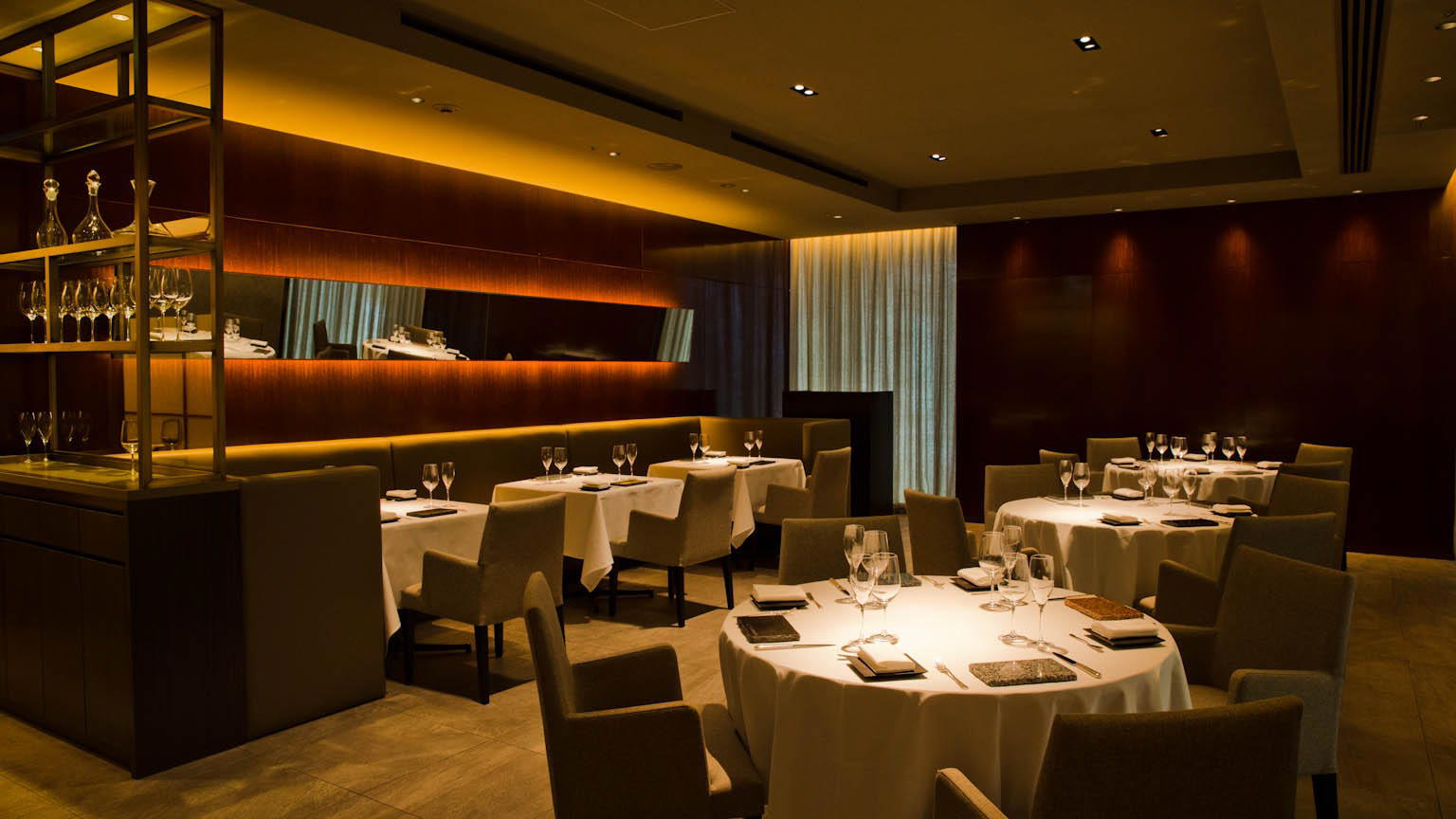
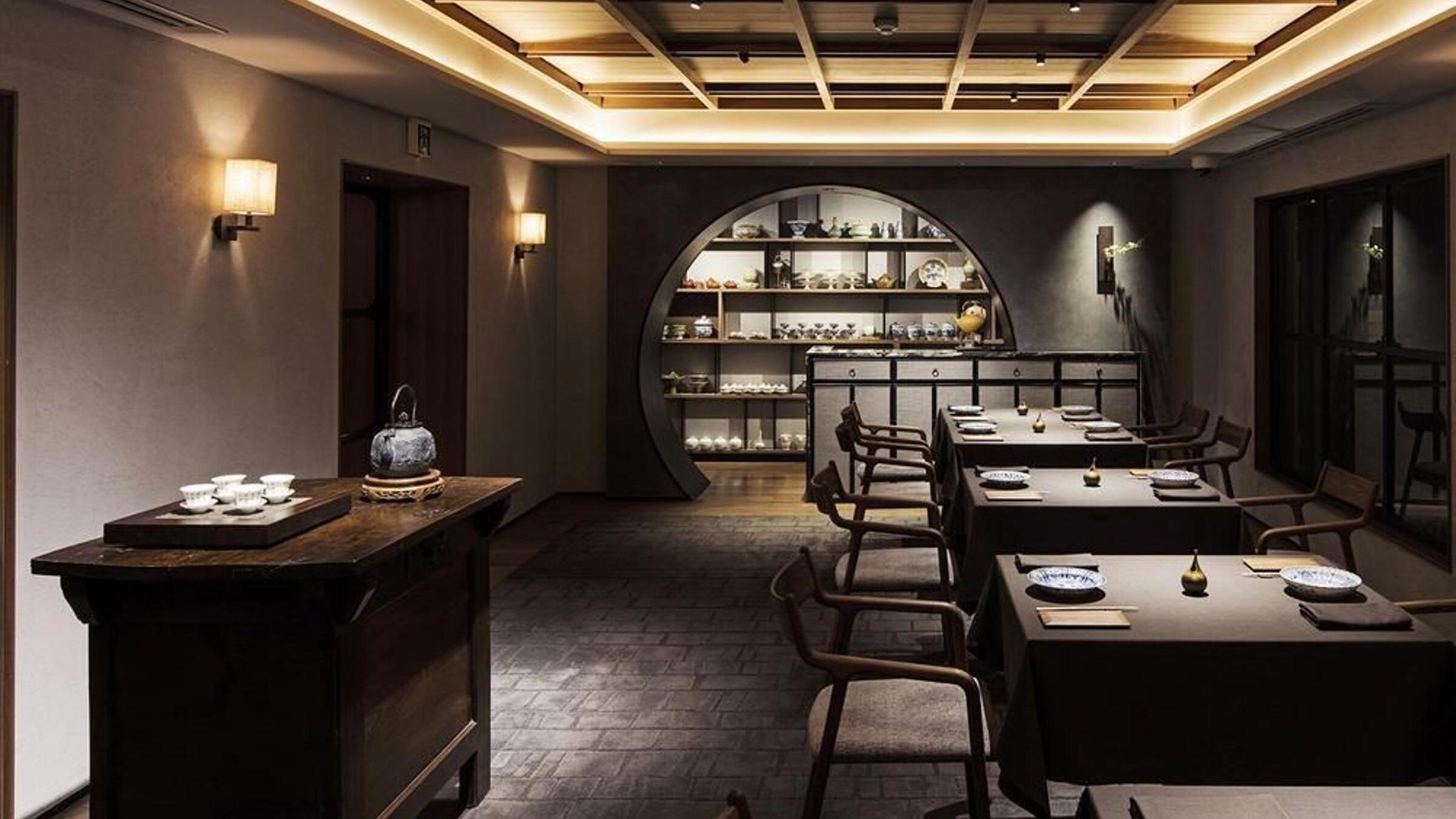
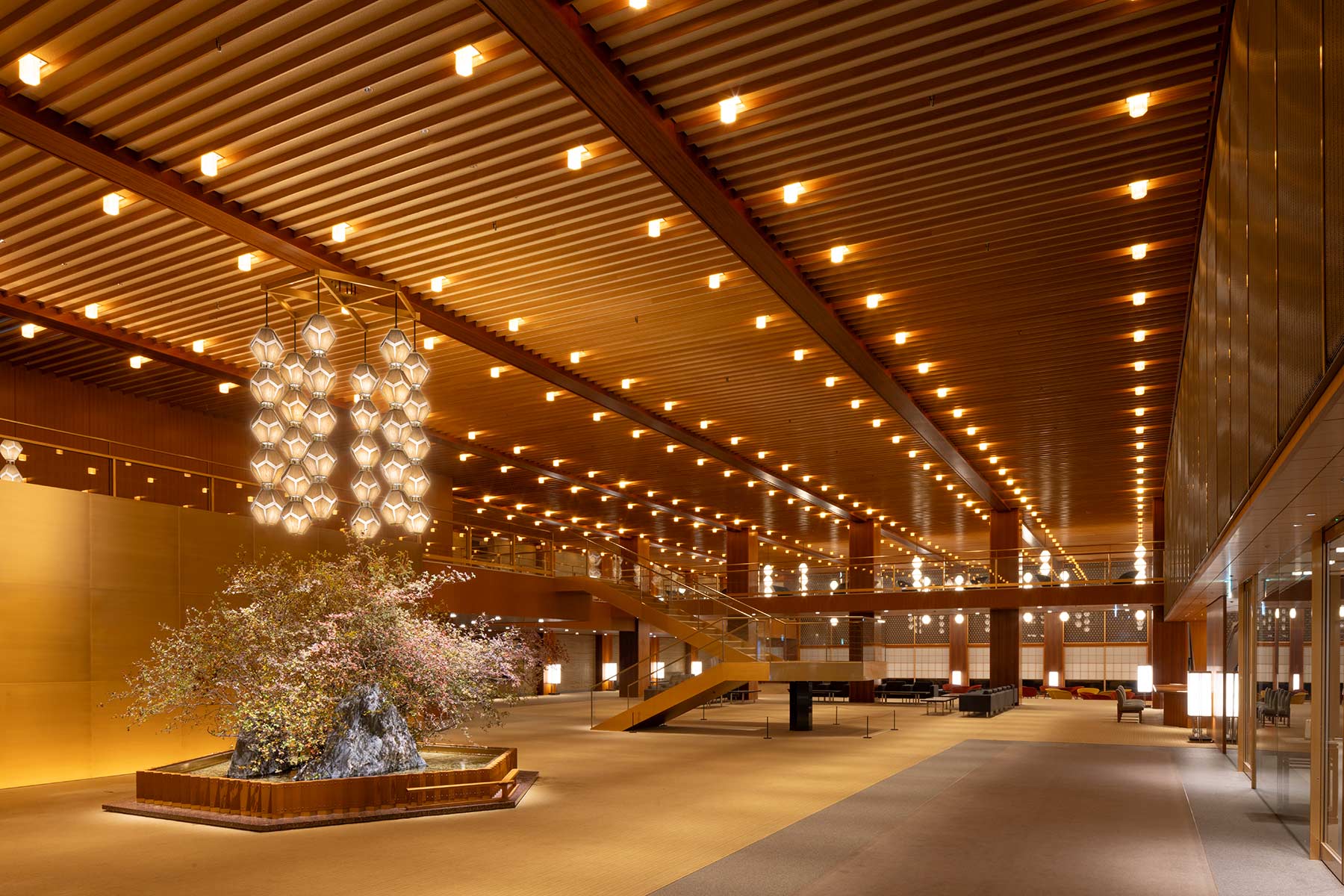
A modest, homey Japanese sweets cafe in a quiet residential area, with simple classic decor, soft natural light, and a relaxed, unhurried atmosphere that often contrasts with the line outside.