
Kamakura’s bakery culture rewards small-format shops that fit into a day of temple walks, train transfers, and seaside detours. Kamakura Lilian belongs to that practical, ingredient-led tier: bread and sandwiches, take-out service, sub-JPY 999 pricing, and selection for Tabelog Bread EAST 100 in 2020 and 2022.
Pearl is the En Primeur Club membership app — saves, bookings, and concierge access live there. Same editors, same standards.
- Address
- 10-19 Onarimachi, Kamakura, Kanagawa 248-0012, Japan
- Phone
- +81 467-61-3005
- Website
- kamakura-lilian.com
 Saves & bookings on Pearl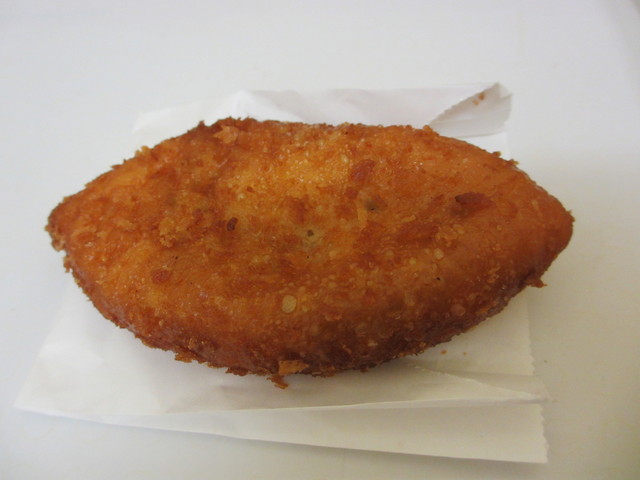
Onarimachi has a different rhythm from the shrine approach and the beach roads. The west side of Kamakura Station is quieter, more local in tempo, and better suited to the kind of bakery visit that happens between errands rather than as a staged meal. In that context, Kamakura Lilian reads less like a destination restaurant than a working bread shop: compact, daytime, take-out driven, and priced for repeat use rather than ceremony.
That matters in Kamakura, where food often has to serve two audiences at once. The city receives day-trippers moving between temples, the coast, and the Enoden, but its better small shops also need to satisfy residents who are not shopping for novelty. Bread sits neatly between those groups. It can be breakfast before a hike, lunch on a bench, or something carried back on the train. The category rewards freshness, turnover, and ingredient discipline more than theatrical plating.
Why bread carries more weight in Kamakura than the format suggests
Japan’s serious bakery culture has long absorbed French and German technique, then adapted it to local routines: smaller purchases, softer sandwich formats, seasonal fillings, and a high tolerance for precision at everyday prices. Kamakura adds another layer. Its food scene is shaped by pedestrian movement and short-stop eating, so bakeries and cafés often become the practical backbone of a day in the city. That is why a bread shop can matter as much as a longer lunch room when reading the local dining map.
Kamakura Lilian’s public signals place it inside that bread-first conversation rather than the city’s higher-spend restaurant bracket. The categories are Bread and Sandwich, the service format is take-out, and the average spend is listed below JPY 999. Selection for Tabelog Bread EAST 100 in both 2020 and 2022 gives the shop a stronger credential than its price tier might imply. For a visitor comparing lunch options, that combination says something specific: this is a low-cost, specialist stop with regional recognition in a category where consistency is judged daily.
The ingredient-sourcing angle is also where bakeries become interesting. Bread exposes supply choices quickly. Flour blend, fermentation, butter, dairy, fruit, eggs, and sandwich fillings all show in structure and shelf life, and there is less room to hide behind sauce or service choreography. Without a published chef biography or tasting-menu apparatus, the useful assessment here is not authorship. It is whether the shop belongs to the group of bakeries that treat daily staples as craft objects. The Tabelog Bread EAST 100 selections suggest that peer reviewers and diners have read it that way.
For a broader Kamakura day, the shop sits in a useful cluster of casual food culture. Bergfeld Kamakura honten gives another bakery reference point in the city, while Cafe Vivement Dimanche speaks to Kamakura’s long-running café habit. Cabbage Batake, CALVA, and arbre noir YAKUMI show how varied the city’s small-shop dining can be once the visitor looks beyond shrine-side snacking.
A daytime bakery stop, not a long lunch performance
The sharper way to use Kamakura Lilian is to treat it as part of the day’s architecture. The shop’s take-out format suits itineraries built around walking, trains, and short pauses. It is not competing with a reservation-led meal such as Latteria Bebe Kamakura, where the spend moves into a different bracket, or with higher-priced out-of-metro seafood and European dining such as anchoa. It occupies a leaner position: quick purchase, bread and sandwich focus, and a cost profile that allows room for a second stop later.
That distinction helps avoid a common Kamakura mistake. The city is often approached as a sequence of famous sights, with meals forced into whatever gap appears. A better plan separates formats: bakery for morning or midday utility, café for a longer pause, and a booked restaurant when the schedule can absorb it. The full Kamakura restaurants guide is the right place to build that sequence, while the Kamakura hotels guide, Kamakura bars guide, Kamakura wineries guide, and Kamakura experiences guide help sort the rest of the trip around it.
The absence of a reservation system is part of the reading. Bread shops work on availability, not table management. For travelers used to Japan’s counter restaurants and timed seatings, this is a simpler proposition, but not a careless one. Daytime bakeries reward earlier stops because selection naturally narrows as the day progresses. The venue’s own hours and closure pattern belong in the planning rail, but the editorial point is broader: this is a shop to fold into movement, not a place around which to suspend the day.
Where it fits in a national bread map
Kamakura’s bakery scene is not isolated from Japan’s wider appetite for specialist, low-ticket craft. The same travel logic can connect a bread stop here with a coffee-led pause at.cafe in Osaka, a compact sake-and-food format like Jōdo Saké Bar in Los Angeles, or casual Japanese staples abroad such as Onigiri Time in Pasadena. These are not direct peers, but they share a useful trait for travelers: narrow formats that can define a day without requiring a formal meal.
For readers building a Japan itinerary around specialist addresses, the comparison gets wider.. 鮪と炭火焼き うお炭 秋葉原店 in Tokyo.know in Kumamoto, (Shoku) Vietnam in Kawasaki, [Curry Senmon Ten] Maruyama Kyoju. in Sapporo, and [ki:] in Kyoto each point to a different kind of narrow expertise. The restaurant’s role is gentler but no less legible: a bread-and-sandwich shop with recognized standing in eastern Japan’s bakery field, useful precisely because it does not ask the day to become formal.
The verdict is practical and category-specific. Come for the strength of the bakery signal, not for restaurant ceremony. In a city where timing, walking routes, and small purchases shape the quality of the day, a sub-JPY 999 Tabelog Bread EAST 100 selection is the kind of address that earns its place by being both credible and easy to use.
Quick Comparison
Comparable venues by cuisine and price in the same metro.
| Venue | Cuisine | Price | Notes |
|---|---|---|---|
| Kamakura LilianThis venue — the venue you are viewing | Japanese Bakery | $ | Not listed |
| Sabou Kirara | Traditional Japanese sweets cafe (wagashi & shaved ice) | $ | Kamakura |
| Minowa | Traditional Japanese sweets & tea cafe | $ | Kamakura |
| Chikara Mochi Ya | Traditional Kamakura wagashi & mochi shop | $ | Kamakura |
| mbs 46.7 | Artisanal Bread & Sandwich Bakery | $ | Kamakura |
| Kikuta | Japanese Izakaya | $$ | Kamakura |
Recognition history
Dated appearances from independent guides and award organizations, with the underlying list record or original source where available.
Tabelog 100 #19 · No. 19
Tabelog · Tabelog 100 - Bread - EAST - 2022











At a Glance
- Cozy
- Classic
- Casual Hangout
- Family
- Solo
- Standalone
- Street Scene
Current opening hours
- Monday
- 10 AM–5 PM
- Tuesday
- 10 AM–5 PM
- Wednesday
- 10 AM–5 PM
- Thursday
- 10 AM–5 PM
- Friday
- 10 AM–5 PM
- Saturday
- 10 AM–5 PM
- Sunday
- Closed
Hours can change for holidays and private events. Last verified .
A calm, neighborhood bakery atmosphere centered on thoughtful craftsmanship and a comfortable space for lingering briefly or picking up souvenirs.