
Cuillere gives Kamakura’s curry scene a French-bistro inflection rather than a standard railway-station lunch formula. Its Tabelog Curry EAST 100 selections in 2023 and 2024, plus a 3.67 Tabelog score, place it in a serious regional curry conversation while keeping the format compact and everyday in price.
Pearl is the En Primeur Club membership app — saves, bookings, and concierge access live there. Same editors, same standards.
- Address
- Japan, 〒247-0056 Kanagawa, Kamakura, Ofuna, 1 Chome−13−11 岡本ビル 1F B号室
- Phone
- +81 467-53-7515
- Website
- cuillere.club
 Saves & bookings on Pearl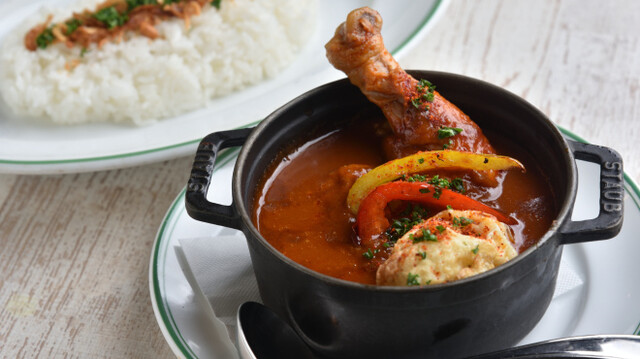
Ofuna is not the postcard version of Kamakura. The area around the station works harder: commuters, students, shoppers, quick lunches, and small restaurants that have to earn repeat custom rather than rely on temple-day romance. That makes it a useful place to read the city’s everyday appetite. In this pocket of Kamakura, curry is less about spectacle than about technique, sourcing discipline, and the quiet confidence of a kitchen that can turn a modest format into a destination for people who already know the genre.
Japan’s curry culture has always been adaptive. It absorbs spice routes, hotel cookery, home cooking, school lunches, kissaten habits, and Western sauce work without needing to resolve the contradictions. The current specialist tier, especially around Tokyo and Kanagawa, rewards kitchens that treat curry as a composed dish rather than a ladle-and-rice default. Cuillere belongs to that tier: listed for Tabelog Curry EAST 100 in both 2023 and 2024, rated 3.67 on Tabelog, and categorized not only as curry but also as bistro. Those details matter because they frame the meal less as casual fuel and more as a small-format expression of sauce, spice, and French kitchen logic.
French-bistro technique inside Kanagawa's curry circuit
The useful comparison is not between curry and French food as separate categories, but between two ways of building depth. Japanese curry often depends on roux, sweetness, slow reduction, and spice warmth; French bistro cooking brings stock, fat management, acidity, and sauce structure. When those disciplines meet, sourcing becomes more than a supplier question. Vegetables need to hold shape, meat or seafood needs enough character to survive the sauce, and aromatics have to support spice rather than flatten it.
That is why the bistro label carries editorial weight here. It signals a kitchen working with curry through a Western technique lens, not simply adding wine to a lunch set. The presence of wine and cocktails also shifts expectations: the meal can sit closer to a compact bistro lunch than a quick curry stop, even when the price bracket remains accessible. In Kamakura, where many visitors default to coastal cafés or temple-adjacent sweets, this is a sharper read on the city’s less sentimental food culture.
The Tabelog Curry EAST 100 selection is the main trust signal. Hyakumeiten lists are broad, regional snapshots rather than fine-dining coronations, but they are useful for categories such as curry because they identify depth outside the obvious luxury hierarchy. A restaurant does not need a tasting menu, imported tableware, or a famous chef biography to matter in this field. It needs repeatable execution in a crowded category, and that is the kind of recognition the list is built to surface.
Why Ofuna changes the way the meal reads
Location changes the critical frame. Central Kamakura often performs for visitors; Ofuna has less patience for that. Restaurants here compete with station traffic and neighborhood routines, so a curry-bistro hybrid has to justify itself through flavor architecture and value rather than scenery. That gives the cooking a practical edge. The room can be small, the meal can be daytime-focused, and the appeal can rest on whether the plate feels built rather than assembled.
Within the local field, the price signal also matters. CALVA sits in a lower bakery-and-café bracket, while Cabbage Batake occupies a higher everyday dining band; Chinese restaurant KUE moves into a much more expensive register. Cuillere sits in a lower lunch bracket while carrying category recognition, which makes it a useful counterpoint to the assumption that Kamakura’s stronger meals require either waterfront polish or formal dining spend. For travelers mapping the city through food, that is the lesson: Kamakura’s serious tables are not confined to the scenic core.
Ingredient sourcing is harder to discuss responsibly without named producers, but the broader point is clear. Curry kitchens that win sustained attention in Japan tend to depend on consistency in base ingredients as much as spice. Rice quality, vegetable sweetness, stock concentration, and the handling of proteins determine whether curry lands as comfort food or as a composed plate. The bistro-curry category is especially unforgiving because sauce work exposes shortcuts. A thin base reads immediately; an over-sweet one erases the kitchen’s hand.
How to fold it into a Kamakura food day
Cuillere is better understood as part of a Kamakura itinerary that moves beyond the shrine-and-café script. Use Ofuna as the practical anchor, then build outward according to appetite: German-style baking at Bergfeld Kamakura honten, coffee culture at Cafe Vivement Dimanche, or the pastry-and-bread bracket represented by CALVA. For broader local context, Cabbage Batake and arbre noir YAKUMI show how varied Kamakura’s non-temple dining map has become.
Readers planning across categories should keep the city guides close: Our full Kamakura restaurants guide, Our full Kamakura hotels guide, Our full Kamakura bars guide, Our full Kamakura wineries guide, and Our full Kamakura experiences guide. For cross-city comparison, the useful exercise is to look at how casual formats travel: (Shoku) Vietnam in Kawasaki, [Curry Senmon Ten] Maruyama Kyoju. in Sapporo, [ki:] in Kyoto.cafe in Osaka.know in Kumamoto. 鮪と炭火焼き うお炭 秋葉原店 in Tokyo, Jōdo Saké Bar in Los Angeles, and Onigiri Time in Pasadena all underline how focused formats can carry more editorial interest than their price bracket suggests.
The critical reason to pay attention is not novelty. It is the discipline of a compact curry restaurant using bistro grammar in a commuter-side part of Kamakura, with enough consistency to be recognized in a regional curry list across consecutive years. That combination makes the meal useful for travelers who want to understand the city through its working neighborhoods as well as its heritage streets.
Fast Comparison
Comparable venues by cuisine and price in the same metro.
| Venue | Cuisine | Price | Notes |
|---|---|---|---|
| Cuillere | Japanese Curry | $ | Kamakura |
| KIBIYA Bakery Honten | Japanese Bakery | $ | Kamakura |
| Chikara Mochi Ya | Traditional Kamakura wagashi & mochi shop | $ | Kamakura |
| arbre noir YAKUMI | Japanese sweets and condiments | $ | Kamakura |
| OXYMORON komachi Komachi | Japanese-style spice curry & café | $$ | Kamakura |
| Kamakura Lilian | Japanese Bakery | $ | Kamakura |
Recognition history
Dated appearances from independent guides and award organizations, with the underlying list record or original source where available.
Tabelog 100 #9 · No. 9
Tabelog · Tabelog 100 - Curry - EAST - 2024









At a Glance
- Cozy
- Intimate
- Casual
- Casual Hangout
- Solo
- Family
- Group Dining
- Standalone
- Beer Program
- Local Sourcing
Current opening hours
- Monday
- Closed
- Tuesday
- 11 AM–3 PM
- Wednesday
- 11 AM–3 PM
- Thursday
- 11 AM–3 PM
- Friday
- 11 AM–3 PM
- Saturday
- 11 AM–3 PM
- Sunday
- 11 AM–3 PM
Hours can change for holidays and private events. Last verified .
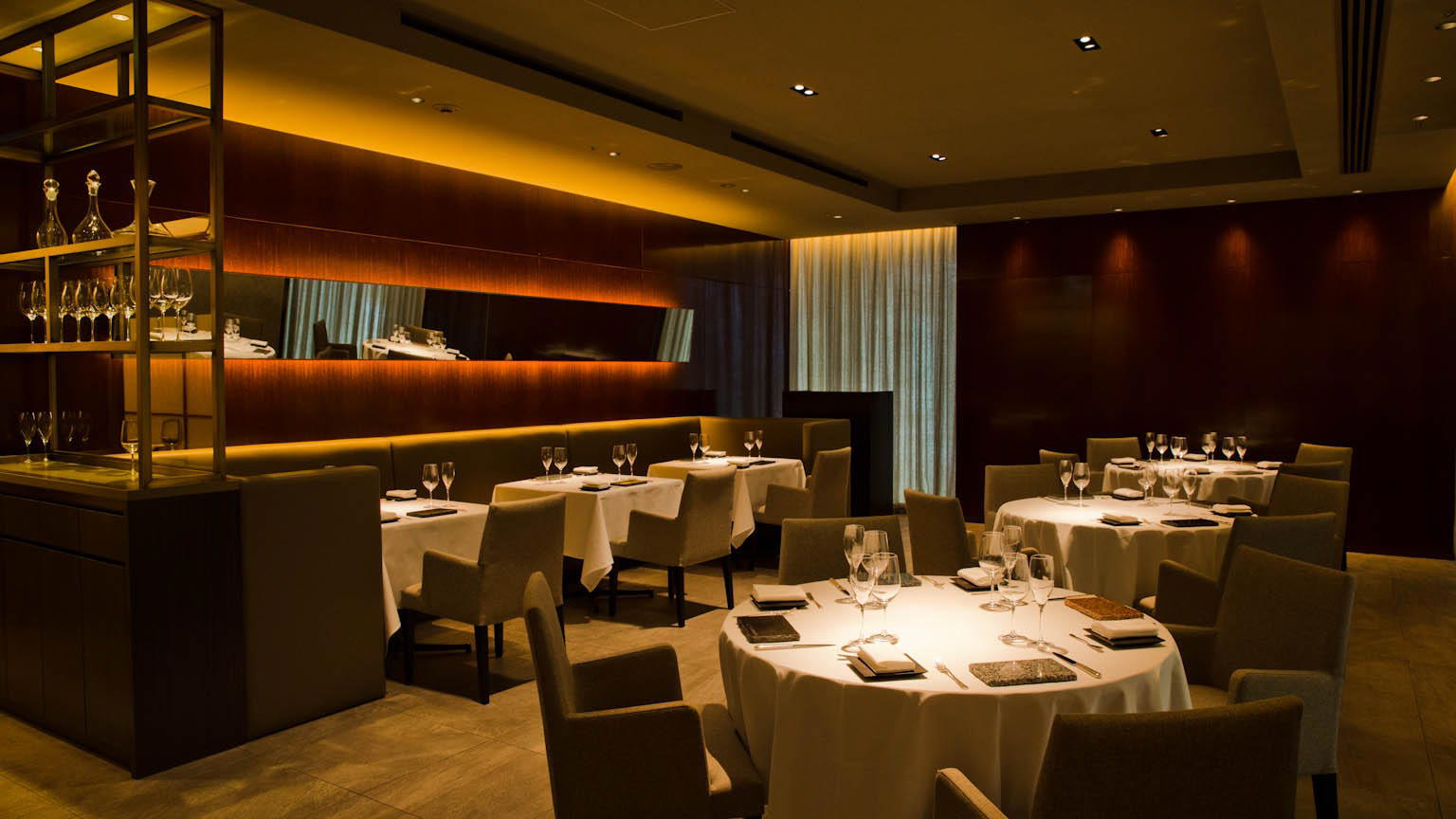
A relaxed, modest, intimate curry spot with a neighborhood feel; review and guide language suggests a casual setting suited to lunch and easy conversation.