On Dachauer Strasse, a short walk from Munich's central station, Kashgar Uyghur Restaurant brings the flavours of Xinjiang's Silk Road crossroads to Bavaria. Hand-pulled noodles, lamb-centred cooking, and the aromatic spice logic of Central Asia occupy a niche in Munich's restaurant scene that no other address currently fills. For a city dominated by Bavarian tradition and French-influenced fine dining, Kashgar reads as a meaningful outlier.
Pearl is the En Primeur Club membership app — saves, bookings, and concierge access live there. Same editors, same standards.
- Address
- Dachauer Str. 4, 80335 München, Germany
- Phone
- +4915166196000
- Website
- kashgarrestaurant.de
- Directions
- Get directions
 Saves & bookings on Pearl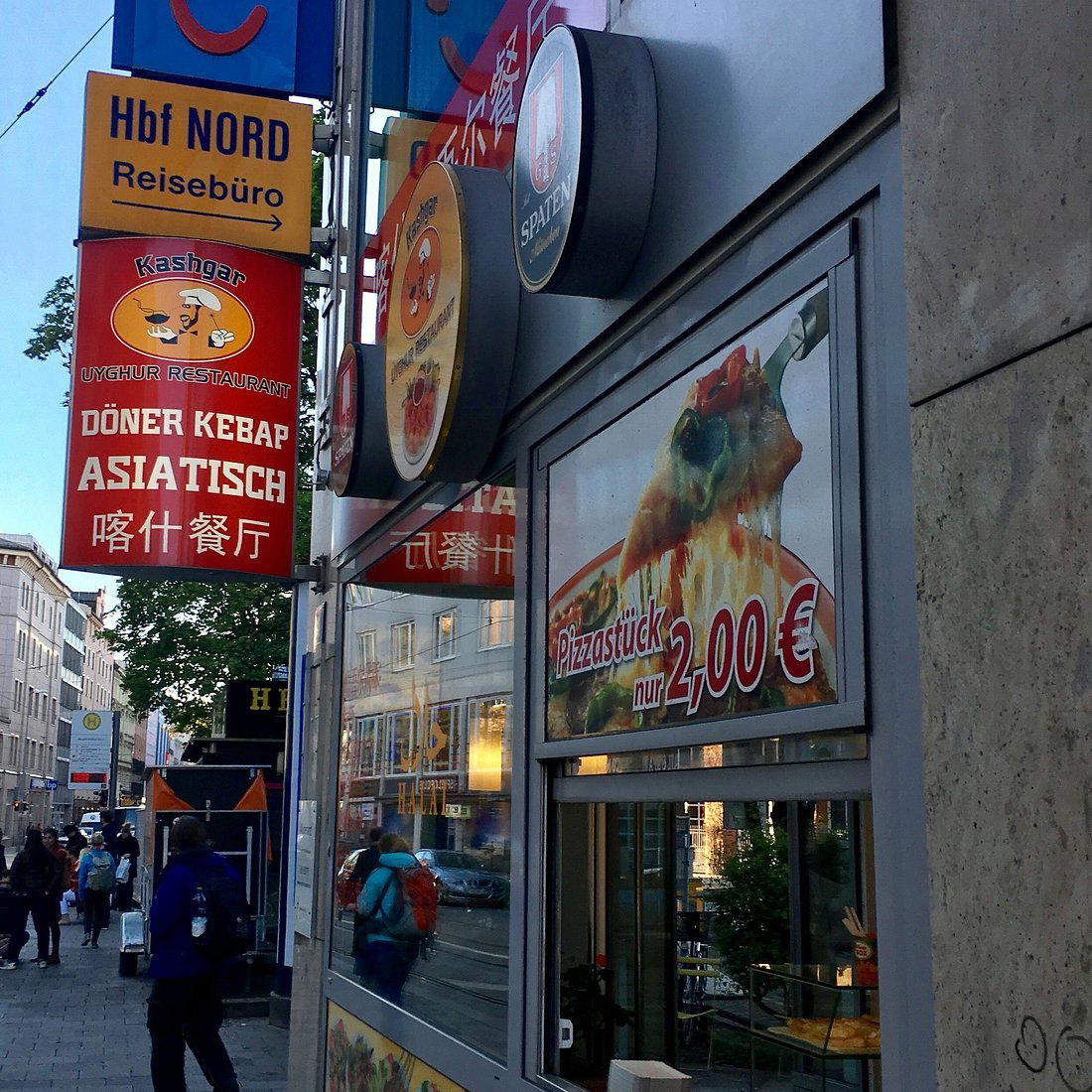
Where Central Asia Meets Central Munich
Munich's restaurant identity is built on two poles: the deep-rooted Bavarian tradition of pork, pretzels, and dark beer, and the upper tier of European fine dining represented by addresses like Tantris, Atelier, and Alois - Dallmayr Fine Dining. Between those poles, genuinely specialist immigrant cuisines occupy a quieter layer of the city's eating life, one that receives less editorial attention but rewards the reader willing to look. Kashgar Uyghur Restaurant, at Dachauer Strasse 4, is a casual Uyghur / Xinjiang restaurant in Munich, priced around $25 per person, that remains rare across German cities and nearly absent from Munich's more-documented dining circuit.
Uyghur cuisine sits at the intersection of Chinese, Uzbek, Persian, and Afghan food cultures, shaped by centuries of Silk Road trade across the Taklamakan Desert. The central protein is lamb, the aromatic backbone is cumin, and the starch is hand-pulled or hand-rolled noodle dough. These are not the flavours that define the broader Chinese restaurant category in Europe, and that distinction matters. A diner arriving expecting Cantonese or Sichuan cooking will find a different set of references entirely: the spice logic is closer to the eastern reaches of the Ottoman pantry than to the coastal provinces of China.
The Cooking Tradition Behind the Menu
In Uyghur cooking, the front-of-house, the kitchen, and even the bread oven tend to operate as a visible, interconnected unit. Flatbreads, naan baked in a tandoor-style oven, arrive at tables as a structural component of the meal, not as a peripheral side. Lamb skewers seasoned with cumin and chilli follow the same logic as those found in Kashgar's night markets and in the Uyghur restaurants of Istanbul's Zeytinburnu district, where the diaspora maintains a similar tradition. The dish format is communal and sequential, which places particular weight on the front-of-house role: the team's ability to pace a meal, explain unfamiliar preparations, and guide first-time diners through a menu that assumes no prior knowledge is what separates a functional meal from an instructive one.
That team dynamic, the connective tissue between kitchen output and guest experience, is especially significant in specialist diaspora restaurants, where the cuisine itself is the primary educational vehicle. Unlike the high-ticket collaboration visible at Tohru in der Schreiberei, where chef-sommelier interplay is formally structured and publicly credited, the equivalent coordination at a neighbourhood-level specialist like Kashgar operates informally, through the accumulated hospitality knowledge of a small, often family-adjacent team. The result, when it works, is the kind of ease that makes a foreign cuisine feel approachable rather than opaque.
Laghman, the hand-pulled noodle dish that functions as a regional staple across Xinjiang and the broader Turkic world, is the clearest single expression of that kitchen-to-table dynamic. The noodles are made to order, their thickness and chew a direct function of the cook's technique, and they arrive sauced with stir-fried lamb, peppers, and a spice mixture that differs from restaurant to restaurant, family to family. This is the dish that defines the category, the equivalent of what ramen is to Japanese noodle culture: technically variable, regionally specific, and deeply indexed to the maker's background.
Munich's Specialist Dining Tier
Munich's fine-dining tier is well-documented. JAN holds Michelin recognition for its creative cooking, and Germany's broader award circuit, represented nationally by addresses like Aqua in Wolfsburg, Schwarzwaldstube in Baiersbronn, and Vendôme in Bergisch Gladbach, sets a ceiling that the city's leading tables measure against. Kashgar operates nowhere near that competitive set, and the comparison is not instructive. Its peer group is the thin international layer of Uyghur restaurants in European capitals: a handful of addresses in Berlin, two or three in Amsterdam, a small cluster in Istanbul. Munich's version at Dachauer Strasse is, for the city, effectively the category.
That category position matters for how a reader should frame expectations. This is not a restaurant where the editorial interest lies in chef biography, tasting-menu architecture, or wine program depth, elements that define the coverage logic at places like CODA Dessert Dining in Berlin or ES:SENZ in Grassau. The interest lies in the cuisine itself, in what it represents geographically and historically, and in the relative scarcity of the format in this city. For diners whose reference points extend to Atomix in New York City or Le Bernardin, Kashgar offers a different kind of value, specificity of tradition rather than refinement of technique.
The Dachauer Strasse Location
Dachauer Strasse runs northwest from the area around Munich's central station, a corridor that has historically housed a more working-class and internationally mixed population than the city's wealthier southern districts. That neighbourhood character is relevant context. Specialist immigrant restaurants in Munich tend to cluster in areas where their communities settled, and this part of the city has a longer history of Central Asian and Middle Eastern food businesses than the tourist-heavy Altstadt. The restaurant's address places it within walking distance of the Hauptbahnhof, which makes it logistically accessible for visitors.
Know Before You Go
| Address | Dachauer Str. 4, 80335 München, Germany |
|---|---|
| Nearest Transit | München Hauptbahnhof (S-Bahn, U-Bahn), approximately 10 minutes on foot |
| Price Range | About $25 per person |
| Reservations | Walk-in friendly |
| Phone / Website | Contact details not listed |
| Leading For | Uyghur cuisine, hand-pulled noodles, lamb-centred cooking, Central Asian food traditions |
Awards and Standing
Comparable venues nearby, for context on price, style, and recognition.
| Venue | Cuisine | Price | Notes |
|---|---|---|---|
| Kashgar Uyghur RestaurantThis venue — the venue you are viewing | Uyghur / Xinjiang | $$ | Not listed |
| Uncle Chen | Chinese Street Food Noodles & Baos | $$ | Schwabing |
| Taklamakan | Uyghur (Xinjiang) | $$ | Altstadt |
| Kaminbar | Classic German Bar | $$ | Theresienwiese |
| Mi Casa | Authentic Colombian | $$ | Isarvorstadt |
| Zum Franziskaner | Traditional Bavarian | $$ | Lehel |
At a Glance
- Rustic
- Casual Hangout
Current opening hours
- Monday
- 9 AM–12:30 AM
- Tuesday
- 9 AM–12:30 AM
- Wednesday
- 9 AM–12:30 AM
- Thursday
- 9 AM–12:30 AM
- Friday
- 9 AM–4:30 AM
- Saturday
- 9 AM–4:30 AM
- Sunday
- 9 AM–12:30 AM
Hours can change for holidays and private events. Last verified .
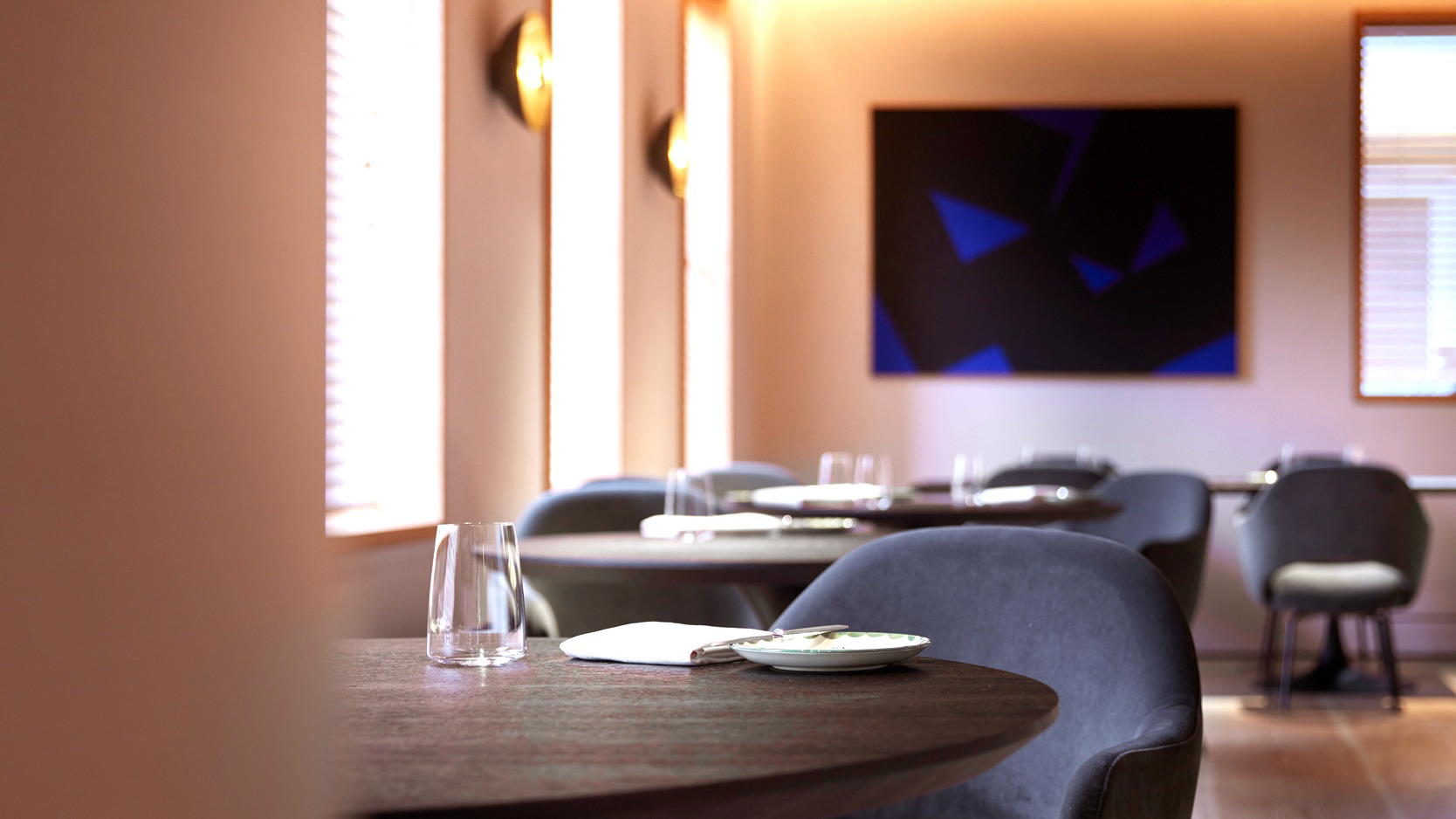
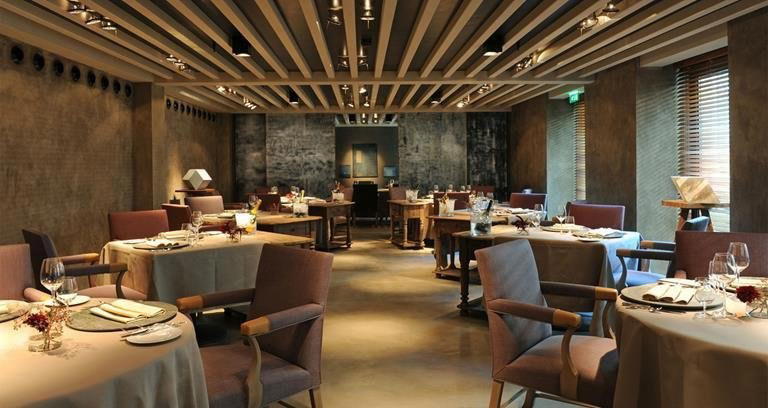
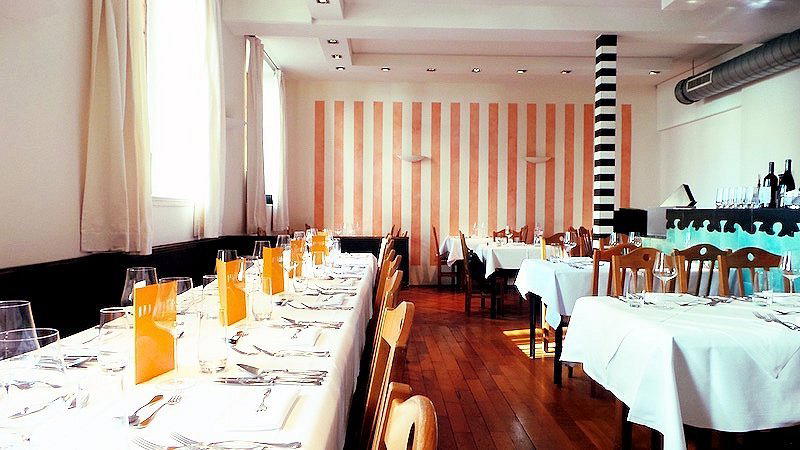
Nice ambiance and interior with a casual, hearty feel.