Rustik Tavern
Rustik Tavern on DeKalb Avenue sits in the grain of Fort Greene's neighborhood dining scene, where the physical character of a room does as much editorial work as the menu. Brooklyn's mid-tier restaurant corridor has developed a distinct spatial vernacular, and Rustik Tavern reads as a considered entry in that conversation, worth understanding in context before you book.
Pearl is the En Primeur Club membership app — saves, bookings, and concierge access live there. Same editors, same standards.
- Address
- 471 DeKalb Ave, Brooklyn, NY 11205
- Phone
- +13474069700
- Website
- rustiktavern.com
- Directions
- Get directions
 Saves & bookings on Pearl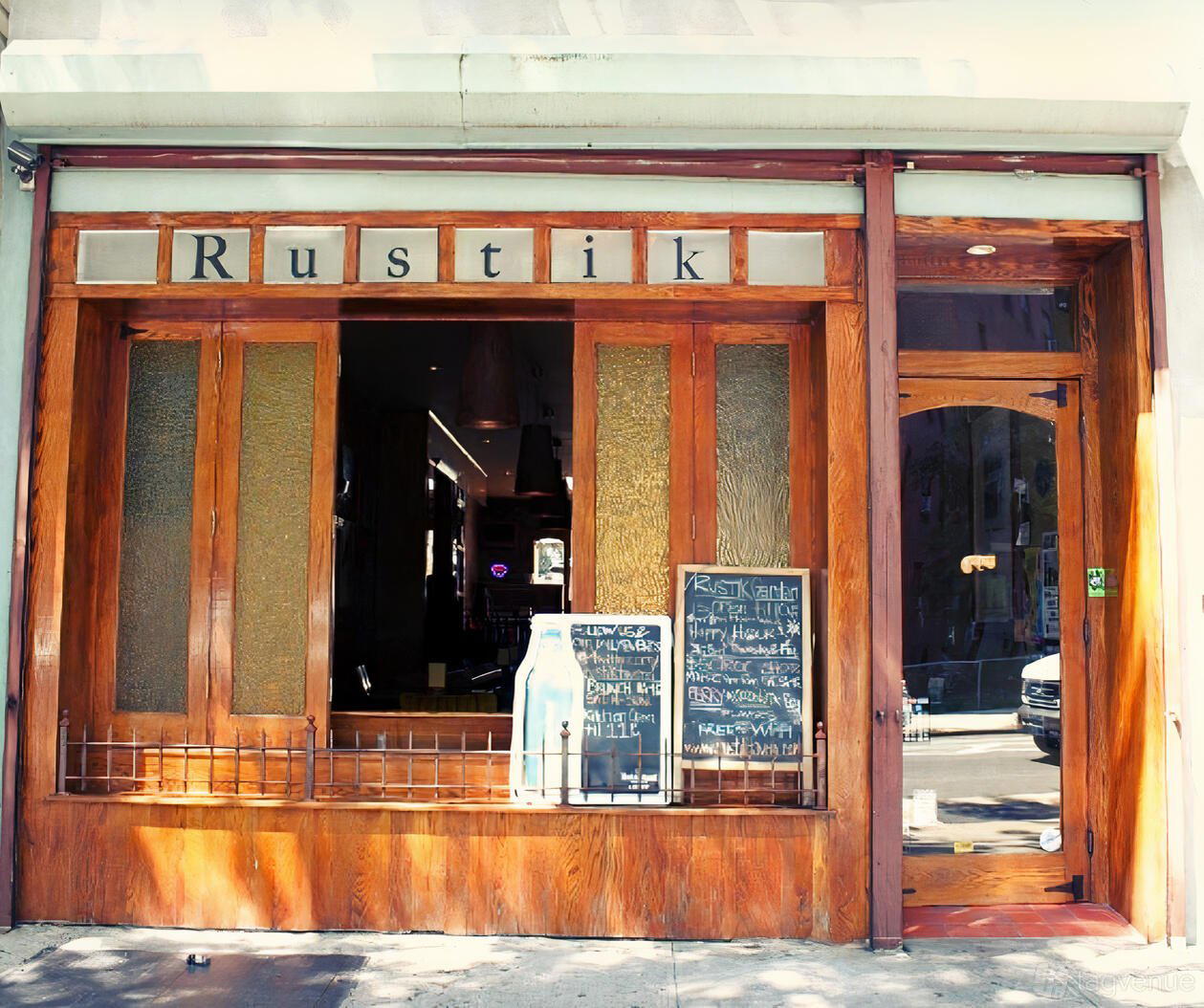
What a Room Does Before the Food Arrives
Fort Greene's dining corridor along and around DeKalb Avenue has developed a spatial identity that separates it from Manhattan's more formal restaurant districts. Where Midtown rooms at places like Le Bernardin or Per Se use architecture to signal occasion and expense, Brooklyn's neighborhood tavern tier has moved toward spaces that communicate comfort through material honesty: exposed brick, reclaimed timber, low pendant lighting, and bar seating that makes a solo diner feel like a regular rather than an afterthought. Rustik Tavern at 471 DeKalb Ave occupies that register. The name announces the design logic before you open the door.
The tavern format is one of the more durable spatial types in American casual dining. It positions itself against both the stripped-down counter model and the full-service dining room, landing somewhere that allows for a drink at the bar, a full sit-down meal, or both in sequence without the room feeling misaligned for either. In Brooklyn neighborhoods where residents treat local restaurants as extensions of their living space, that spatial flexibility is a functional asset, not merely an aesthetic choice.
DeKalb Avenue and the Fort Greene Dining Context
Fort Greene has spent the past decade consolidating a reputation as one of Brooklyn's more coherent dining neighborhoods. The area draws a mix of longtime residents, BAM (Brooklyn Academy of Music) audiences, and a younger professional population, all of whom have generated demand for restaurants that operate outside the high-low binary of fast-casual and fine dining. The mid-tier tavern and neighborhood bistro format has thrived here as a result.
That same dynamic has played out in other American cities with dense, culturally active residential neighborhoods. Bacchanalia in Atlanta and Emeril's in New Orleans represent higher-investment anchors in their respective scenes, but the underlying logic of neighborhood-rooted dining they formalized in the 1990s filtered down into exactly the kind of room Rustik Tavern represents: a place with a clear physical identity, a menu tied to familiar comfort categories, and an expectation of regularity from its guests.
The broader New York conversation about where to eat in Brooklyn has also grown more sophisticated. Visitors no longer treat the borough as a detour from Manhattan's reference points. For readers familiar with the full range of New York City restaurants, the question is less about whether Brooklyn is worth the trip and more about which neighborhoods and room types suit which moods. Fort Greene's tavern tier, with Rustik as a representative address, answers a specific brief: low-ceremony, neighborhood-warm, walk-in-friendly.
Interior Logic: The Rustik Design Vocabulary
The word "rustik" signals a deliberate aesthetic position. Across American restaurant design of the past fifteen years, the rustic-industrial vernacular became so widespread that it risked becoming invisible. But Fort Greene's version of that vocabulary tends to be more residential in scale and warmer in material palette than, say, the warehouse-conversion aesthetic that defined Williamsburg a decade ago. Smaller rooms, closer tables, bar counters that face the street or an open kitchen, natural materials used at human scale rather than as dramatic gesture.
In spatial terms, this places Rustik Tavern in a different conversation than the technically ambitious, design-forward rooms of New York's fine-dining tier. Atomix and Jungsik New York use architecture to frame a tasting menu ritual. Masa reduces the room to near-emptiness so that the counter and the chef become the entire visual field. Rustik operates on a different set of priorities: the room should recede enough that conversation takes over, but assert enough material warmth that you want to stay longer than you planned.
That spatial intent is not distinctive to Brooklyn. Lazy Bear in San Francisco uses communal table formats to engineer social density. Blue Hill at Stone Barns in Tarrytown embeds the dining room in a working farm to make the physical environment carry part of the meal's meaning. At a different scale and price point, Alinea in Chicago redesigns its room seasonally as a statement about the relationship between space and menu. Rustik's design language is quieter than all of these, but it belongs to the same broader argument: the room is not neutral, and the choice of materials and scale is a form of editorial position.
Where It Sits in the New York Tavern Tier
New York's neighborhood tavern category covers an enormous range, from corner bars with a steam-table burger to carefully operated rooms with serious beverage programs and sourcing commitments. What the address and name signal together is an operation oriented toward the neighborhood rather than the destination-restaurant circuit. That is a meaningful distinction in a city where a significant number of restaurants are built primarily for out-of-borough visitors, press cycles, and reservation-platform visibility.
For context on what serious American cooking looks like at the farm-to-table and terroir-led end of the casual-to-fine spectrum, Single Thread Farm in Healdsburg, The French Laundry in Napa, and Providence in Los Angeles set a reference point. Addison in San Diego and The Inn at Little Washington represent the country-house end of that tradition. Rustik is not competing in that space. Its competitive set is local, residential, and repeat-visit oriented.
Internationally, the neighborhood tavern format has analogues in every major dining city. The hospitality logic at 8 1/2 Otto e Mezzo Bombana in Hong Kong or Alain Ducasse's Louis XV in Monte Carlo operates at the opposite pole: rooms where every design decision performs precision and occasion. The tavern format deliberately refuses that register, and in neighborhoods like Fort Greene, that refusal is the point.
Planning Your Visit
Know Before You Go
- Address: 471 DeKalb Ave, Brooklyn, NY 11205
- Neighbourhood: Fort Greene, Brooklyn
- Format: Neighborhood tavern; walk-in friendly
- Price range: about $35 per person
- Reservations: Recommended
Quick Comparison
Comparable venues nearby, for context on price, style, and recognition.
| Venue | Cuisine | Price | Notes |
|---|---|---|---|
| Rustik TavernThis venue — the venue you are viewing | American Comfort Food & Gastropub | $$ | Not listed |
| Henry Public | American Gastropub | $$ | Carroll Gardens-Cobble Hill-Gowanus-Red Hook |
| Mulberry & Vine | Healthy American Farm-to-Table | $$ | Tribeca-Civic Center |
| Eisenberg's Sandwich Shop | Classic New York Deli | $$ | Midtown South-Flatiron-Union Square |
| The Grey Dog, Flatiron | American Comfort Food & Brunch | $$ | Midtown South-Flatiron-Union Square |
| Planet Hollywood New York | Classic American | $$ | Midtown-Times Square |
Continue exploring
More in New York City
Restaurants in New York City
Browse all →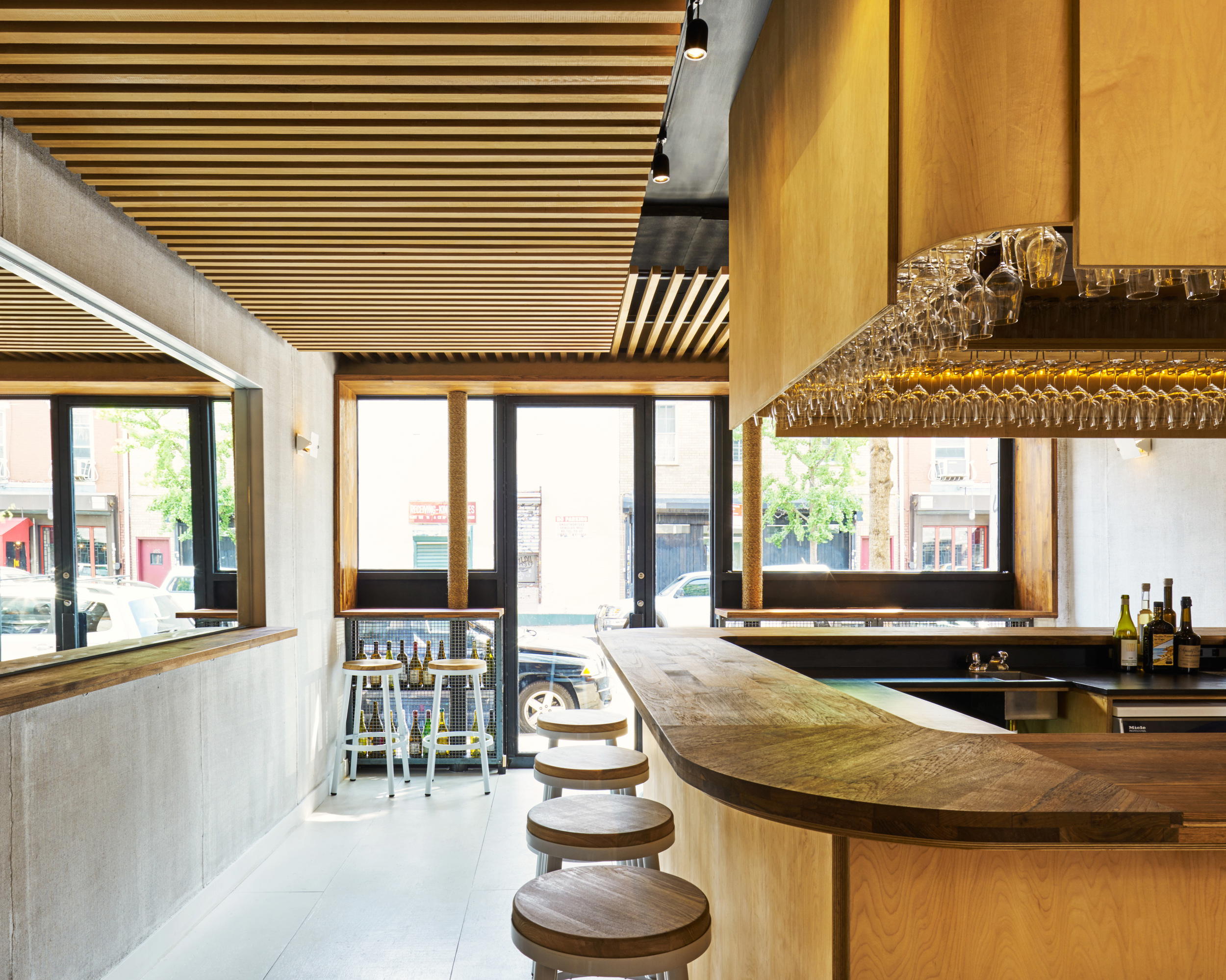
Bars in New York City
Browse all →
Hotels in New York City
Browse all →





At a Glance
- Cozy
- Rustic
- Lively
- Classic
- Brunch
- Casual Hangout
- Group Dining
- Celebration
- Date Night
- Live Music
- Private Dining
- Terrace
- Craft Cocktails
- Beer Program
- Local Sourcing
Current opening hours
- Monday
- Closed
- Tuesday
- Closed
- Wednesday
- 4–11 PM
- Thursday
- 4 PM–12 AM
- Friday
- 4 PM–12 AM
- Saturday
- 11 AM–12 AM
- Sunday
- 11 AM–11 PM
Hours can change for holidays and private events. Last verified .
Plush couches, fireplace, and brick walls adorned with 70s music memorabilia create a nostalgic, living-room-like atmosphere with warm lighting and laid-back vibes.