
RUSTEAKS belongs to Tokyo’s compact steak-and-grill tier rather than the city’s wagyu-theatre circuit. Its reputation rests on aged beef, lamb, oysters, wine service, and repeat selection for Tabelog’s Steak / Teppanyaki EAST 100, making it a Hiroo address for diners who want the meal paced around grilling, sharing, and bottle choice rather than counter performance.
Pearl is the En Primeur Club membership app — saves, bookings, and concierge access live there. Same editors, same standards.
- Address
- 東京都渋谷区広尾5-22-3 広尾西川ビル B1F
- Phone
- +81362771963
- Website
- rusteaks.jp
 Saves & bookings on Pearl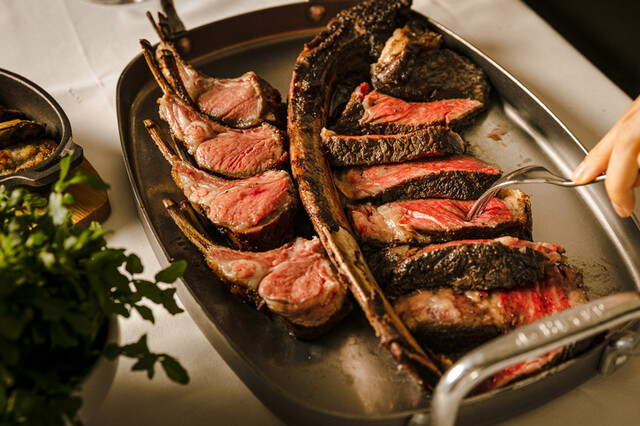
Hiroo’s dining rhythm is quieter than Ginza’s ceremony and less performative than Roppongi’s late-night gloss. Below street level, the steakhouse ritual becomes pacing, heat, wine, and balance between richness and restraint. RUSTEAKS suits this Tokyo mood: a grill room for a business table, family meal, or small celebration without turning dinner into theatre.
Tokyo runs several luxury meat traditions in parallel. Teppanyaki foregrounds chef and iron plate; yakiniku hands responsibility to the table; sukiyaki and shabu-shabu build ritual through broth, egg, and sequence. The American-leaning steakhouse sits apart: large-format protein, purposeful sides and vegetables, wine as structure, and a tempo that lets the table talk. It is easy to do lazily and difficult to do with discipline in a city quick to notice heat control, trimming, ageing, and value.
A Hiroo steak ritual built around ageing, wine, and the table
Read RUSTEAKS not as a generic Western restaurant in Tokyo, but as one of a smaller group of grill-led dining rooms competing on sourcing and meal architecture. The restaurant focuses on aged beef, lamb, and oysters, with grass-fed beef available. In Tokyo, where premium beef often defaults to marbling as shorthand, aged meat and grass-fed options suggest a different appetite: deeper savour, firmer chew, and plates built for wine rather than simple richness.
The category listing, steak, American, hamburger, signals range. This is not kaiseki logic translated into beef, nor a tasting-menu steak counter. It belongs to the steakhouse family, built on appetite and occasion, but the Tokyo version must meet sharper expectations around portion control, smoke, seasoning, and service rhythm. Tabelog’s selection of RUSTEAKS for Steak / Teppanyaki EAST 100 in 2025, with earlier selections in 2024 and 2021, gives the room a measurable signal in that competitive field. The award does not formalize the meal; it places the restaurant in a peer group where repeat recognition is harder than one burst of attention.
Hiroo is a logical setting. The neighbourhood draws embassy traffic, long-stay residents, and diners seeking polished restaurants without central hotel-district density. Compared with nearby French-leaning rooms such as MANOIR, Italian addresses such as Pellegrino and ペレグリーノ, or local staples including Chuka Kosai JASMINE Hiroo honten and fummy's grill, the steakhouse proposition is less about a chef’s extended sequence than the social mechanics of a table: what cut to order, how the evening should move, how much wine to open, and whether the meal is for conversation or ceremony.
The etiquette is less formal than fine dining, but the decisions matter
Steakhouse etiquette in Tokyo rewards clarity. Order with the table in mind, not as isolated plates. If aged beef anchors the meal, lamb and oysters can widen it without making dinner a scattered survey. Vegetables are not decoration; the restaurant’s stated attention to vegetables and fish suggests a kitchen expecting balance rather than treating meat as the only event. The ritual is not a hushed counter progression, but a sequence of choices that sharpens or dulls the evening.
Wine is another signal. A sommelier is available, BYO drinks are listed, and the drink program emphasizes wine. Those details place the restaurant closer to a bottle-led steak dinner than a casual burger stop, even though the category range includes hamburger. For Tokyo diners used to omakase, this is another kind of control: the guest sets the pace, the bottle shapes the meal, and the table’s appetite decides whether dinner feels restrained or expansive.
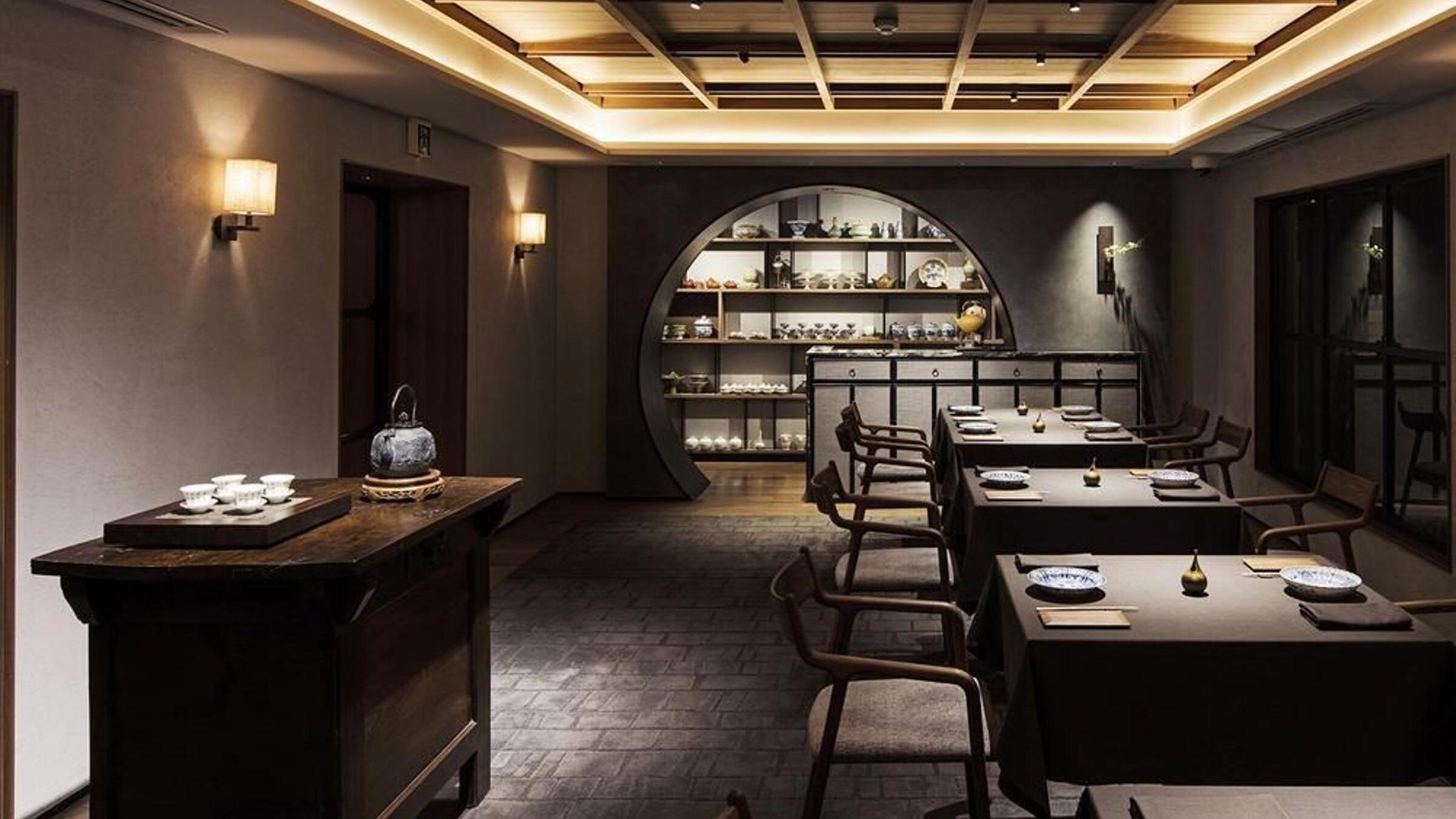
The 24-seat room, with table seating and private rooms, supports small-group dynamics. Private rooms, children being welcome, pet access limited to private rooms, and English multilingual menu availability point to a steakhouse adapted to Hiroo’s mixed local and international audience. That does not make the meal careless-casual. Smart casual dress, a non-smoking policy, and a service charge keep the tone polished, while the format stays more flexible than a high-ceremony counter.
Dietary flexibility is unusually visible for a steak-led room. Vegan, vegetarian, kosher, and Hindu options are listed, along with a health-and-wellness menu. In a city where accommodation varies sharply by cuisine and format, that breadth helps mixed groups: a committed meat eater, a wine-focused diner, and someone with restrictions can share one table, though specific requirements should be handled before the meal rather than negotiated once seated.
How it fits into a wider Tokyo itinerary
RUSTEAKS makes sense on an itinerary that already includes Tokyo’s more ritualized dining forms. A visitor spending one night on yakitori at 124. KAGURAZAKA (Yakitori), another on charcoal or seafood at . 鮪と炭火焼き うお炭 秋葉原店, and another on a different urban format such as 12/10 Shinjuku ten gets a clearer picture of how Tokyo handles heat, sequence, and conviviality across categories. A Hiroo steakhouse dinner then becomes comparative, not a fallback Western option.
That comparison extends beyond Tokyo. Japan’s dining map can move from curry specialists such as 3 Chome no Curry Ya San and [Curry Senmon Ten] Maruyama Kyoju. in Sapporo to Kyoto minimalism at [ki:] in Kyoto, casual visual culture at 2D Cafe, and regional or international outliers such as.cafe in Osaka.know in Kumamoto, and (Shoku) Vietnam in Kawasaki. For beef in another idiom, -Grilled beef Sukiyaki- KAMAKURA TANUKIAN 鎌倉 たぬき庵 in Kamakura frames meat through Japanese sukiyaki custom rather than steakhouse ordering.
The broader lesson is that Tokyo rewards diners who choose format before fame. Steak in Hiroo is not imitating the city’s sushi counters or French tasting rooms. It works when the table wants a slower, bottle-aware dinner with enough structure to feel deliberate and enough looseness for conversation. For wider planning, Our full Tokyo restaurants guide gives the dining context, while Our full Tokyo hotels guide, Our full Tokyo bars guide, Our full Tokyo wineries guide, and Our full Tokyo experiences guide help place the meal inside a larger trip. Travellers extending the comparison to Los Angeles can file Jōdo Saké Bar in Los Angeles and Onigiri Time in Pasadena as reminders that Japanese dining rituals change meaning when they cross borders.
Cuisine Context
Comparable venues by cuisine and category.
| Venue | Cuisine | Price | Notes |
|---|---|---|---|
| RUSTEAKS | Modern Steakhouse | $$$ | Shibuya |
| Ochiai Rou Steak House Tokyo | Modern Wagyu Teppanyaki Steakhouse | $$$ | Minato |
| Wolfgang's Steakhouse Marunouchi Tokyo | Classic American Steakhouse | $$$$ | Chiyoda |
| Ginza Hirayama | Binchotan-grilled A5 Wagyu steakhouse | $$$$ | Chūō |
| Kuriya Otona Kurogi | Japanese Sweets and Shaved Ice Cafe | $$$ | Ueno |
| Manten Sushi (まんてん鮨) | Edomae Omakase Sushi | $$$ | Marunouchi |
Recognition history
Dated appearances from independent guides and award organizations, with the underlying list record or original source where available.
Tabelog 100 #61 · No. 61
Tabelog · Tabelog 100 - Steak / Teppanyaki - EAST - 2025










At a Glance
- Sophisticated
- Modern
- Classic
- Elegant
- Cozy
- Date Night
- Business Dinner
- Group Dining
- Special Occasion
- Standalone
- Design Destination
- Extensive Wine List
- Sommelier Led
- Local Sourcing
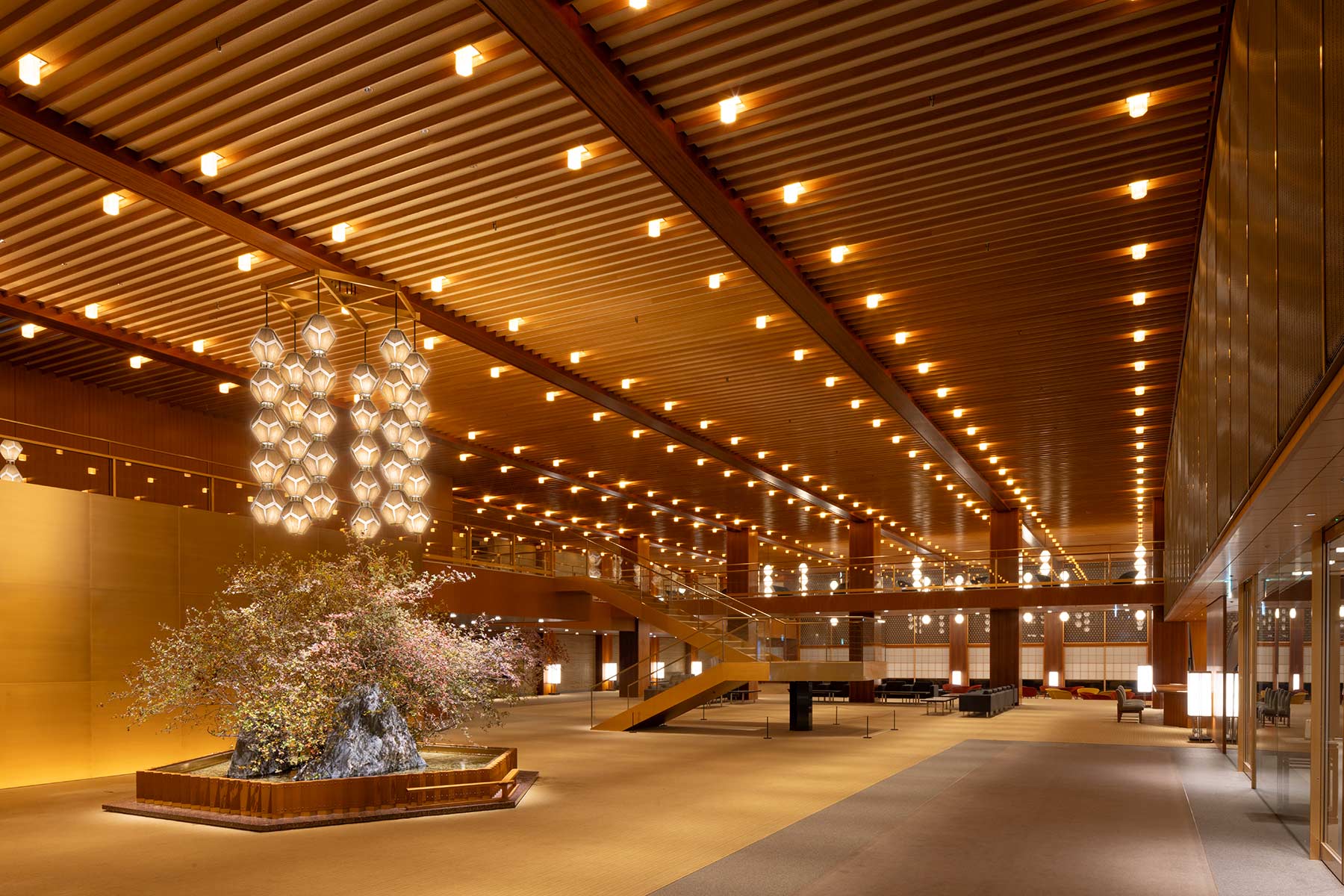
A polished, modern steakhouse atmosphere with a warm, grown-up feel and a focus on wine-friendly dining.