
Our verdict
On Sukhumvit 26, Rung Rueng Noodles occupies a quiet position in Bangkok's mid-city corridor, drawing a neighbourhood crowd that returns less for novelty than for consistency. In a city where noodle shops range from street-corner operations to air-conditioned dining rooms, Rung Rueng sits at a local institution level, the kind of place that functions as a daily rhythm rather than a destination visit.

Pearl is the En Primeur Club membership app, where members save venues, book tables and use the concierge.
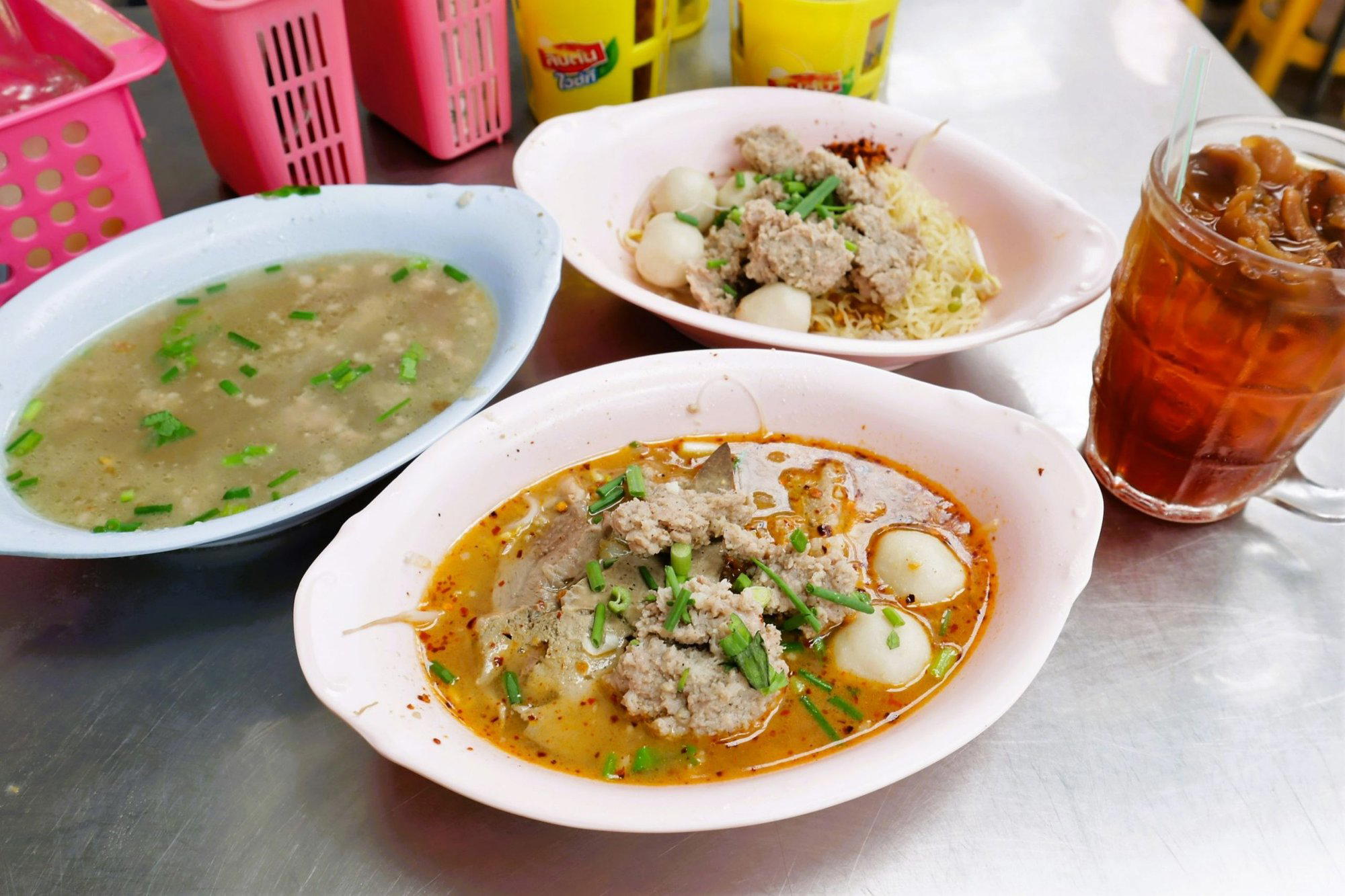
The menu
What to order
- Tom Yum Pork Noodles
- Minced Pork Noodles with Fish Balls
Sukhumvit's Noodle Culture, Grounded on Soi 26
Bangkok's noodle canon is deeper than most cities want to acknowledge. It runs from the boat noodle stalls of the old klongs, where concentrated broth is built from blood and bone, to the lighter, herb-forward bowls of the northeast, and into the Chinese-influenced bami shops that colonised the city's business districts decades ago. On Sukhumvit 26, a soi that transitions quickly from the main Sukhumvit artery into a quieter, residential and mixed-use strip, Rung Rueng Noodles holds a place that reflects that layered history. The address, 10/3 Sukhumvit 26 in the Khlong Tan subdistrict of Khlong Toei, puts it within reach of the Phrom Phong BTS station and a neighbourhood that now balances long-standing Thai residents with the expatriate and hotel corridor that defines this stretch of the city.
What that location context matters for: Sukhumvit 26 is not the tourist circuit. It sits adjacent to the Embassy Row zone and close enough to Emporium and EmQuartier to attract a lunchtime crowd from both office workers and shoppers, but the soi itself operates at a lower register than the main boulevard. Noodle shops in this bracket, neighbourhood-facing, repeat-customer operations, tend to thrive or disappear on the quality of a very small number of dishes done consistently well over time. Rung Rueng's presence on the soi places it in that category.
The Craft Behind the Bowl
Bangkok's approach to noodles has always involved a kind of quiet technical discipline that doesn't announce itself. The editorial angle relevant here is one that applies across Thai street food at this level: indigenous ingredients, many of them sourced from specific regional producers or wet market relationships built over years, prepared using methods that have absorbed external influence, Chinese broth construction, for instance, or the Hainanese approach to poaching, without discarding their Thai foundation. The result, when the kitchen has its formula dialled in, is a bowl that tastes simultaneously familiar and difficult to replicate at home. That intersection of imported technique and local product is what separates the institutions from the forgettable.
Across Bangkok's noodle scene, the operators who last are usually those who control their ingredient sourcing with the same attention a fine-dining kitchen would apply to its suppliers. Pork-based broths depend on the quality of bones and the ratio of collagen to lean meat. Herb additions, coriander, spring onion, sometimes sawtooth herb, arrive from wet market relationships rather than wholesale distributors, and the difference registers in the bowl.
Where Rung Rueng Sits in Bangkok's Eating Hierarchy
Bangkok's dining infrastructure has two essentially separate tracks. One runs through the tasting-menu and fine-dining circuit: operations like Sorn, which holds Michelin stars for its Southern Thai focus, or Baan Tepa in its contemporary Thai register. On the international end, restaurants such as Sühring, Côte by Mauro Colagreco, and Gaa have positioned Bangkok as a city capable of hosting serious destination-dining programs that import technique from elsewhere and apply it to local conditions. Those operations occupy the ฿฿฿฿ bracket and draw reservation-led clientele.
Rung Rueng Noodles operates in an entirely different economy. This is the track where value is measured not in tasting courses or wine pairings but in the quality of a single bowl delivered quickly, at a price that allows daily visits. That economy sustains a larger portion of Bangkok's actual food culture than the Michelin tier. It is also the tier where out-of-city comparisons begin to matter: the discipline required to produce a consistently good bowl of noodles in Bangkok is not categorically different from what drives respected noodle operations elsewhere in Thailand, from Loet Rot in Chiang Mai to neighbourhood standbys in Pattaya like Krua Laew Tae R-Rom.
For readers coming from the tasting-menu end of the Bangkok spectrum, or from international reference points like Le Bernardin or Atomix in New York, a venue like Rung Rueng represents something worth understanding on its own terms: the technical demands are different, not lesser. Broth clarity, noodle texture, and the balance of toppings across a very short menu are the measures here. See also Hoy Tord Chao Lay for another example of Bangkok-area street food operating with this kind of focused, single-dish discipline.
Planning Your Visit
Rung Rueng Noodles sits on Sukhumvit 26, reachable from the Phrom Phong BTS station with a short walk or motorcycle taxi ride down the soi. In the broader Thai context, noodle shops at this neighbourhood level typically operate across morning and lunchtime hours, with some continuing through mid-afternoon before closing once the day's broth is exhausted, a scheduling logic that rewards early arrival over late planning. No advance booking is expected at operations in this category; arrival and queue management follow the informal conventions of the Bangkok noodle shop format. Given the sparse digital footprint of this particular venue, confirming current hours directly on-site or through local food communities before a dedicated trip is advisable. For broader Bangkok context, our full Bangkok restaurants guide maps the city's eating across price tiers and neighbourhoods.
Readers exploring Thai food outside Bangkok will find relevant reference points in operations like AKKEE in Pak Kret, PRU in Phuket, Cherng Doi Roast Chicken in Chiang Mai, DEVASOM BEACH GRILL in Takua Pa, The Spa in Lamai Beach, and Little Edo Suratthani in Mueang Surat Thani, each illustrating a different register of Thai hospitality and food production. For Japanese-influenced dining in Bangkok itself, Hinata offers a contrast in format and discipline.
Frequently asked questions
What should I order at Rung Rueng Noodles?
Should I book Rung Rueng Noodles in advance?
What is Rung Rueng Noodles known for?
How does Rung Rueng Noodles handle allergies?
Is Rung Rueng Noodles representative of a broader Bangkok noodle tradition, or is it a standalone case?
The Minimal Set
Comparable venues nearby, for context on price, style, and recognition.
| Venue | Cuisine | Price | Notes |
|---|---|---|---|
| Rung Rueng NoodlesThis venue (the venue you are viewing) | Thai Tom Yum Pork Noodles | $1–10 | Not listed |
| Sanguan Sri | Authentic Central Thai Curries | $1–10 | Sukhumwit, Authentic Central Thai Curries |
| Krua Pa & Ma Restaurant | Authentic Thai | $10–20 | Bom Phrap Satru Pai Khwaeng, Authentic Thai |
| Jae Wan | Thai Desserts | $1–10 | Pathum Wan, Thai Desserts |
| Supanniga Eating Room by Khun Yai | Authentic Eastern Thai Homestyle | $20–30 | Khlong Tan, Authentic Eastern Thai Homestyle |
| Khao Tom Pla Kimpo | Teochew-Style Fish Porridge | $10–20 | Bang Kholaem Khwaeng, Teochew-Style Fish Porridge |
Recognition history
Dated appearances from independent guides and award organizations, with the underlying list record or original source where available.
Opinionated About Dining Casual in Asia Ranked #14
Opinionated About Dining
Continue exploring
More in Bangkok
Restaurants in Bangkok
All restaurants in Bangkok →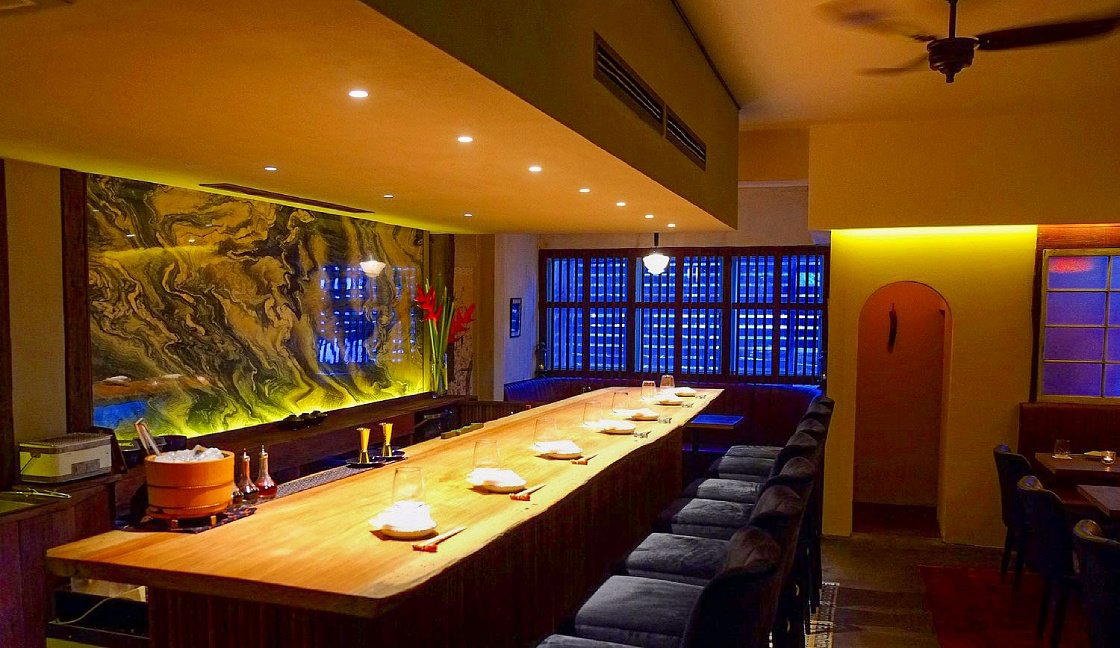
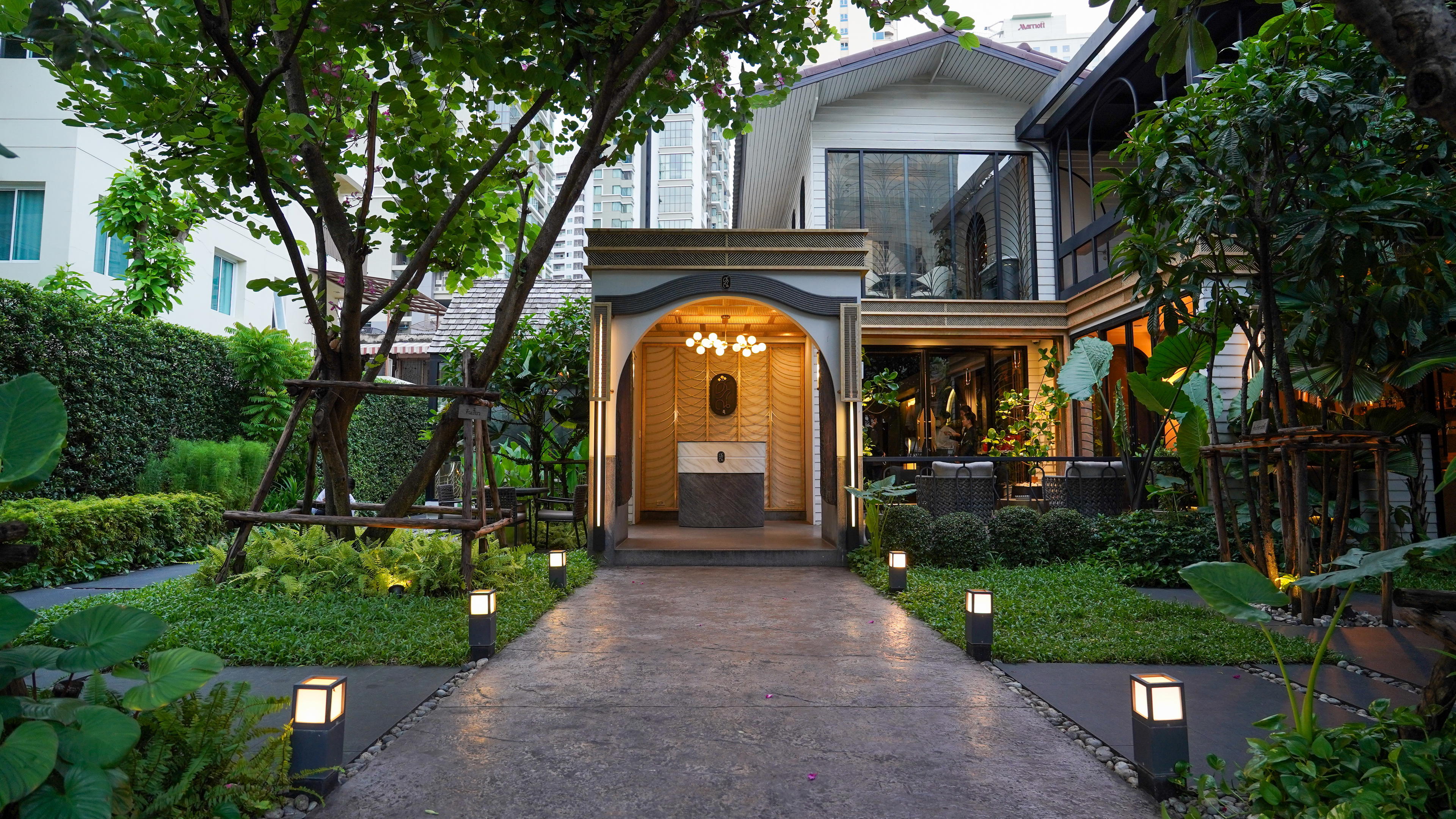
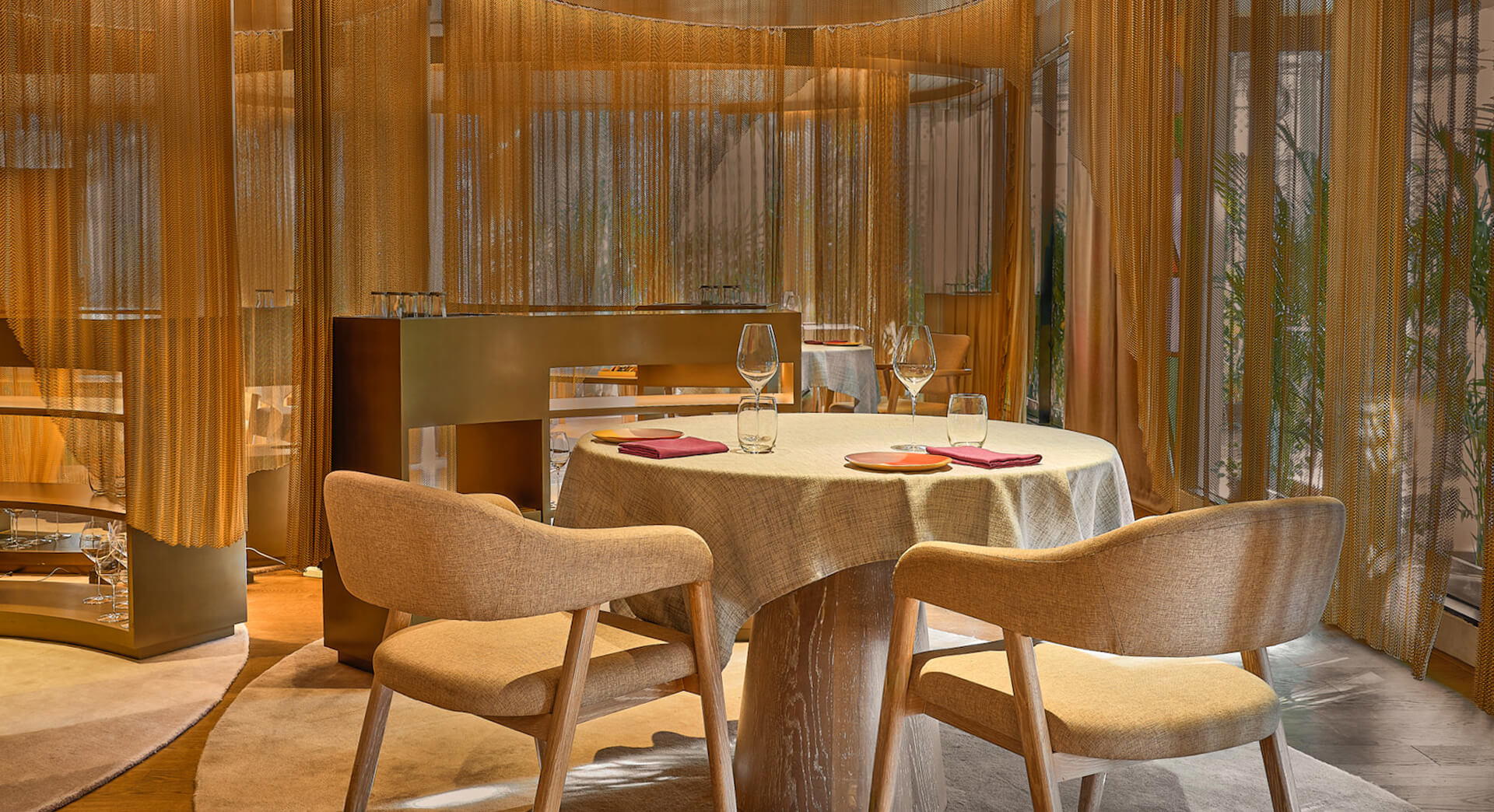
Bars in Bangkok
All bars in Bangkok →

Details
- Lively
- Casual Hangout
- Open Kitchen
- Street Scene
- A La Carte
Current opening hours
- Monday
- Closed
- Tuesday
- Closed
- Wednesday
- Closed
- Thursday
- Closed
- Friday
- Closed
- Saturday
- Closed
- Sunday
- Closed
Hours can change for holidays and private events. Hours as of .
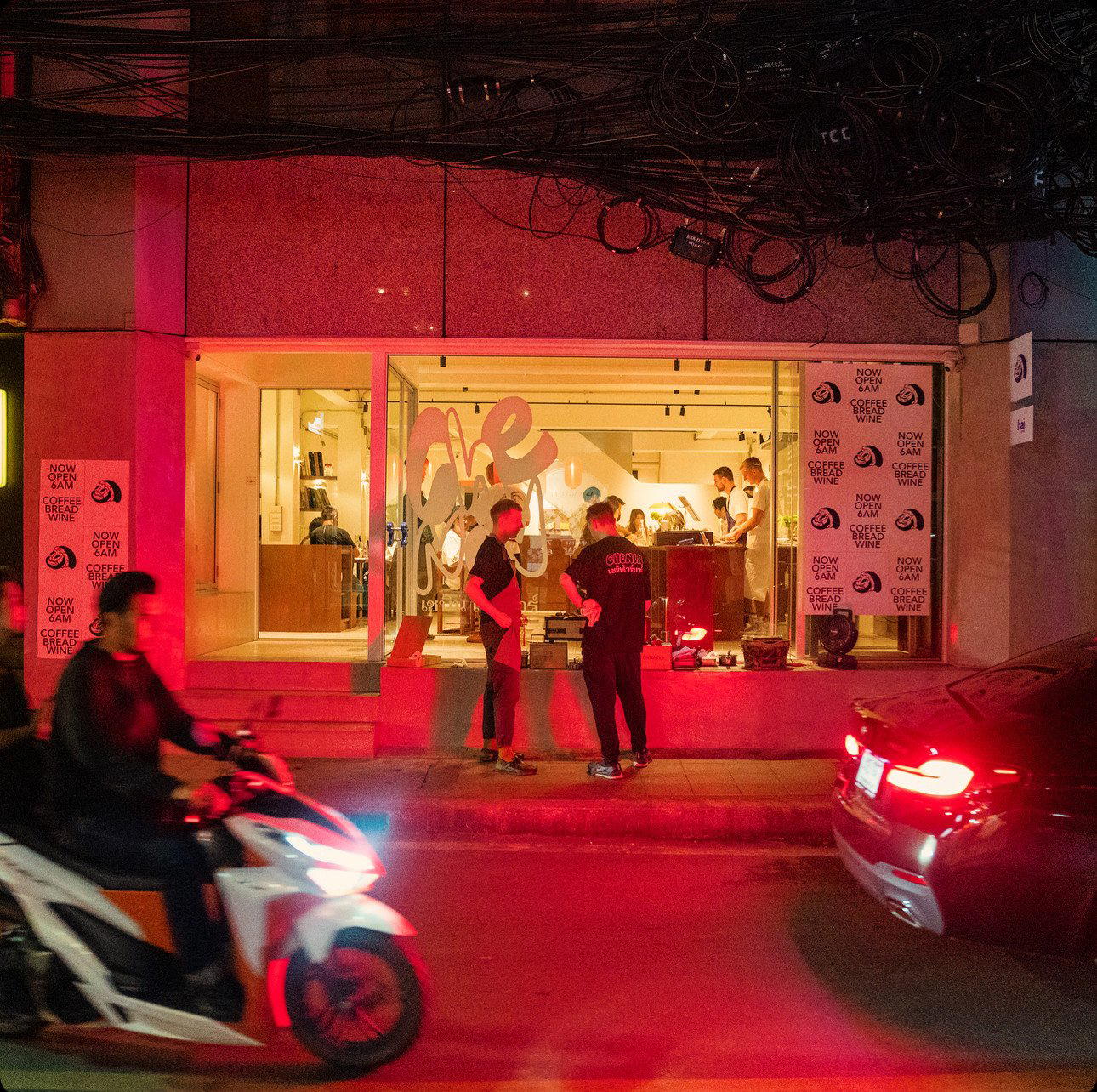
Breezy open-air street-side space with bustling energy, plastic stools, steaming pots, and fluorescent lights.