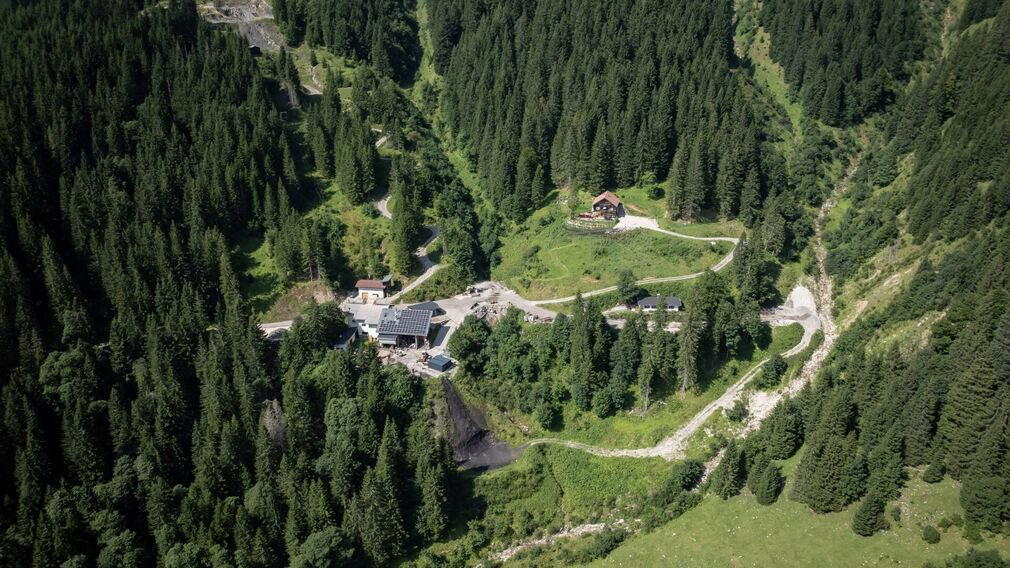
Rumer Alm sits in the village of Rum, just east of Innsbruck, in the tradition of Tyrolean alpine dining where the surrounding landscape directly shapes what arrives at the table. As an alm, an alpine farmstead, it operates within a category of Austrian mountain hospitality that prizes proximity to source over culinary spectacle. For travellers moving through the Inn Valley, it represents the quieter, more grounded end of Tyrolean dining culture.
Pearl is the En Primeur Club membership app — saves, bookings, and concierge access live there. Same editors, same standards.
- Address
- Garneid 7, 6063 Rum, Austria
- Phone
- +436644276159
- Website
- rumeralm.tirol
- Directions
- Get directions
 Saves & bookings on Pearl
Alm Dining and the Logic of Place
The word Alm is not incidental to understanding what you are walking into. Across the Austrian Alps, alms function as working farmsteads positioned at elevation, and the dining traditions attached to them developed not from fine dining ambition but from agricultural necessity. What the land produced in a given season was what went onto the table. That constraint, maintained over generations, became a culinary philosophy before anyone used the term. Rumer Alm is a restaurant serving Tyrolean Alpine Hut cuisine at Garneid 7 in Rum, Austria.
Rum itself sits between Innsbruck's urban core and the quieter settlements of the Inn Valley floor. It is the kind of location that benefits from the infrastructure of a regional capital without the noise: close enough to Innsbruck that arriving by regional train or bus is direct, far enough that the setting retains a character shaped by farmland and the surrounding Tyrolean hillsides. For visitors based in Innsbruck, Rum is a short eastward journey rather than a dedicated day-trip.
Where the Ingredients Come From, and Why That Matters
Alpine ingredient sourcing has a logic that distinguishes it from lowland farm-to-table rhetoric. At elevation and in valley microclimates like Rum's, the growing season is compressed and the animal husbandry traditions, particularly cattle and dairy, have centuries of specificity behind them. Tyrolean grey cattle, indigenous to the region, produce milk with fat profiles shaped by mountain pasture grasses and wildflower meadow flora. The dairy that results, the butter, the fresh cheeses, the soured cream preparations, carries flavour markers that flatland equivalents do not replicate.
The alm format in Austria has long placed that sourcing front and centre, not as a marketing position but as a structural reality. An alm kitchen draws from what is grown or raised on or near the property first, and supplements from the regional market second. Wild herbs from the surrounding slopes, game from the adjacent forests, root vegetables stored from the autumn harvest: these are the inputs that define what an alm kitchen can credibly produce in any given month. That seasonal rigidity is also its discipline, and the reason alm dining tends to age well in reputation even as restaurant trends elsewhere cycle through phases.
In Tyrol specifically, this sourcing culture is reinforced by the region's protected product designations and its active alpine dairy cooperatives. Tyrolean alpine dairy products carry EU origin protections, and the premium placed on local sourcing has downstream effects on the kind of cooking that emerges: less reduction, less extraction, more reliance on the intrinsic quality of the primary ingredient. You find this contrast at scale when comparing Tyrolean alm cooking to the creative-Austrian fine dining practiced at places like Döllerer in Golling an der Salzach or Gourmetrestaurant Tannenhof in Sankt Anton am Arlberg. Those kitchens treat Alpine sourcing as a foundation to transform; alm kitchens tend to treat it as an endpoint.
The Tyrolean Alm in Context
Austria's dining culture splits along a visible axis. At one end sit the destination fine dining rooms: Steirereck im Stadtpark in Vienna, Ikarus in Salzburg, Obauer in Werfen, venues where the primary draw is chef intelligence applied to Austrian ingredients. At the other end sit the traditional formats: the Gasthof, the Heuriger, and the Alm, where continuity of tradition and fidelity to place are the value proposition rather than innovation. Both ends of that axis are legitimate objects of culinary interest; they simply answer different questions. The alm answers the question of what Tyrolean food is in its most unmediated form.
That positioning matters for how you approach a visit. An alm is not in competition with Griggeler Stuba in Lech or Stüva in Ischgl any more than a rural Burgundy cave cooperative competes with a three-Michelin-star table in Beaune. They inhabit adjacent but distinct categories. Understanding that helps set expectations accurately: the measure of success in alm dining is authenticity of sourcing, seasonal coherence, and the quality of execution within a constrained and traditional repertoire, not menu ambition or technical novelty.
Across Tyrol, the alm format has maintained relevance partly because the region's tourism economy rewards it and partly because the underlying product quality, the cheese, the cured meats, the bread, is genuinely strong. Visitors who arrive having also experienced Kräuterreich by Vitus Winkler in Sankt Veit im Pongau or Landhaus Bacher in Mautern an der Donau will find the alm format a useful contrast: a reminder that Austrian culinary culture runs on a broad spectrum, from the classical to the contemporary to the deliberately traditional.
Planning a Visit
Rum is accessible from Innsbruck's main station in under fifteen minutes by regional bus or S-Bahn service, making it a practical addition to any Inn Valley itinerary rather than a standalone destination. Travellers spending time in the broader Tyrolean corridor, moving between Innsbruck and the ski and hiking areas further west, will find the geographic logic easy.
Alm venues in Austria tend toward seasonal operation, often aligned with the mountain agricultural calendar rather than a standard restaurant year.
For travellers building a wider Austrian dining itinerary, the contrast between alm-format dining and the country's more ambitious kitchens, places like Taubenkobel in Schützen am Gebirge, Schwarzer Adler in Hall in Tirol, or Ois in Neufelden, is itself worth building into the itinerary as a deliberate counterpoint. The same is true regionally: Artis in Graz, Atelier Fischer in Sankt Gilgen, and Restaurant 141 by Joachim Jaud in Mieming each represent a different register of Austrian dining that, taken together with an alm visit, gives a more complete picture of what the country's food culture actually spans. Le Bernardin and Atomix set a particular reference point for precision and sourcing, will find the alm tradition a genuinely distinct counterpart.
How It Stacks Up
Comparable venues nearby, for context on price, style, and recognition.
| Venue | Cuisine | Price | Notes |
|---|---|---|---|
| Rumer AlmThis venue — the venue you are viewing | Tyrolean Alpine Hut | $$ | Not listed |
| Ottoburg | Traditional Tyrolean & Austrian | $$ | Old Town |
| Zottahof | Authentic Tyrolean | $$ | Alpbach |
| Neurauter | Traditional Tyrolean Austrian | $$ | Hatting |
| Hornköpflhütte | Traditional Tyrolean Alpine Cuisine | $$ | Kitzbüheler Horn |
| Bayreuther Hütte | Traditional Tyrolean Alpine Cuisine | $$ | Münster, Rofan |
Continue exploring
More in Rum
Restaurants in Rum
Browse all →
Bars in Rum
Browse all →

Hotels in Rum
Browse all →
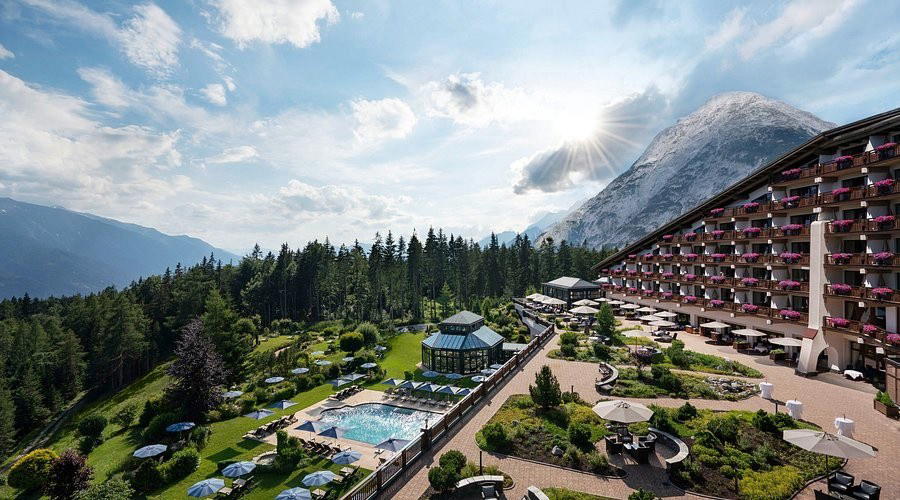
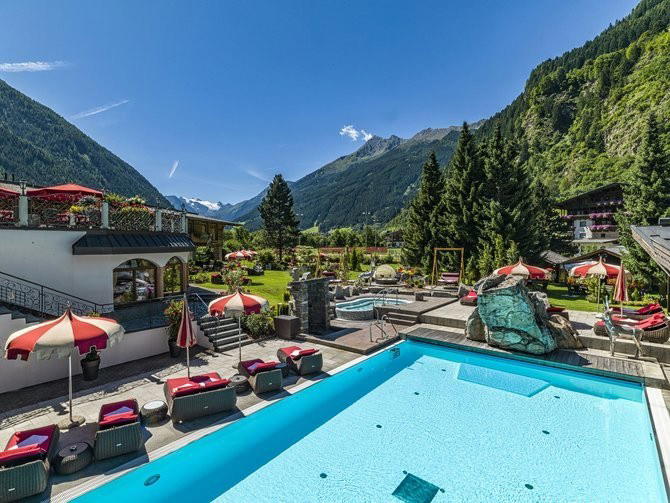
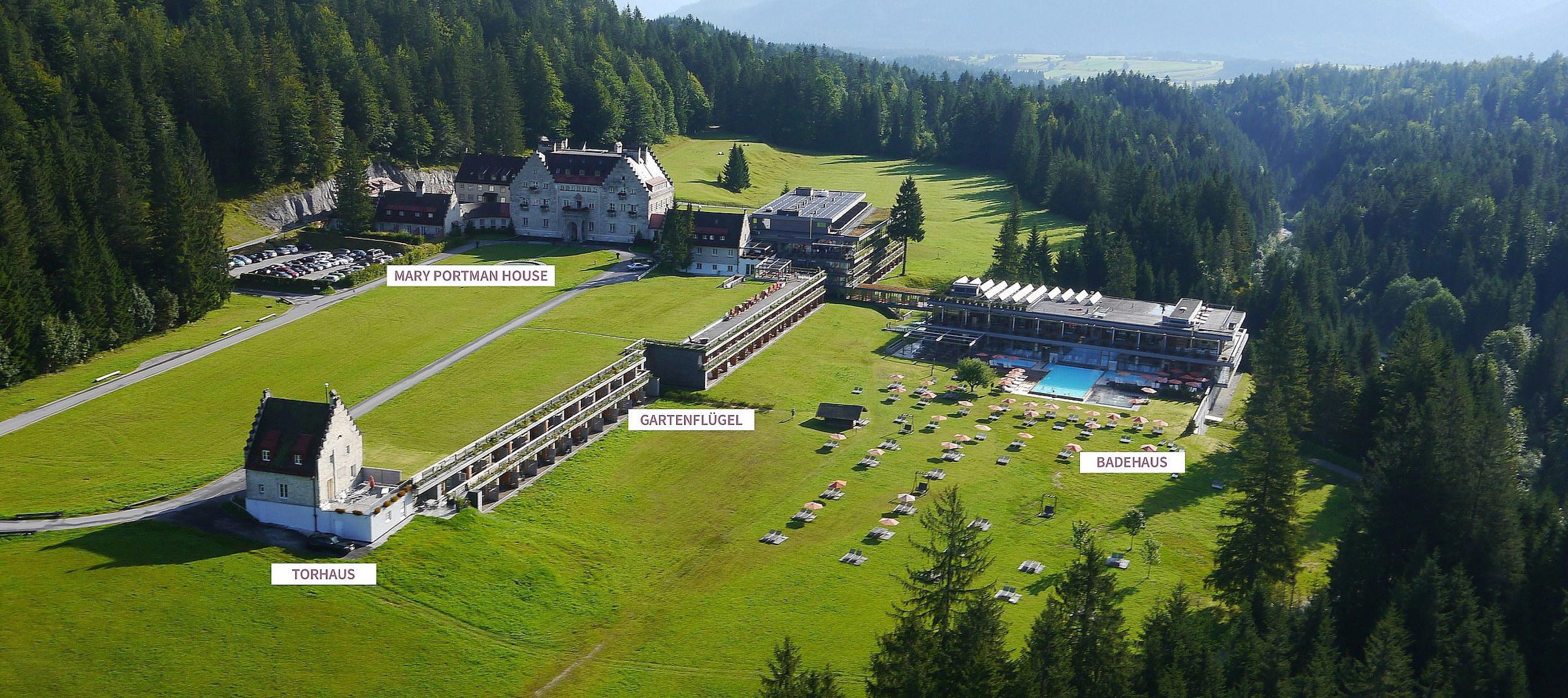

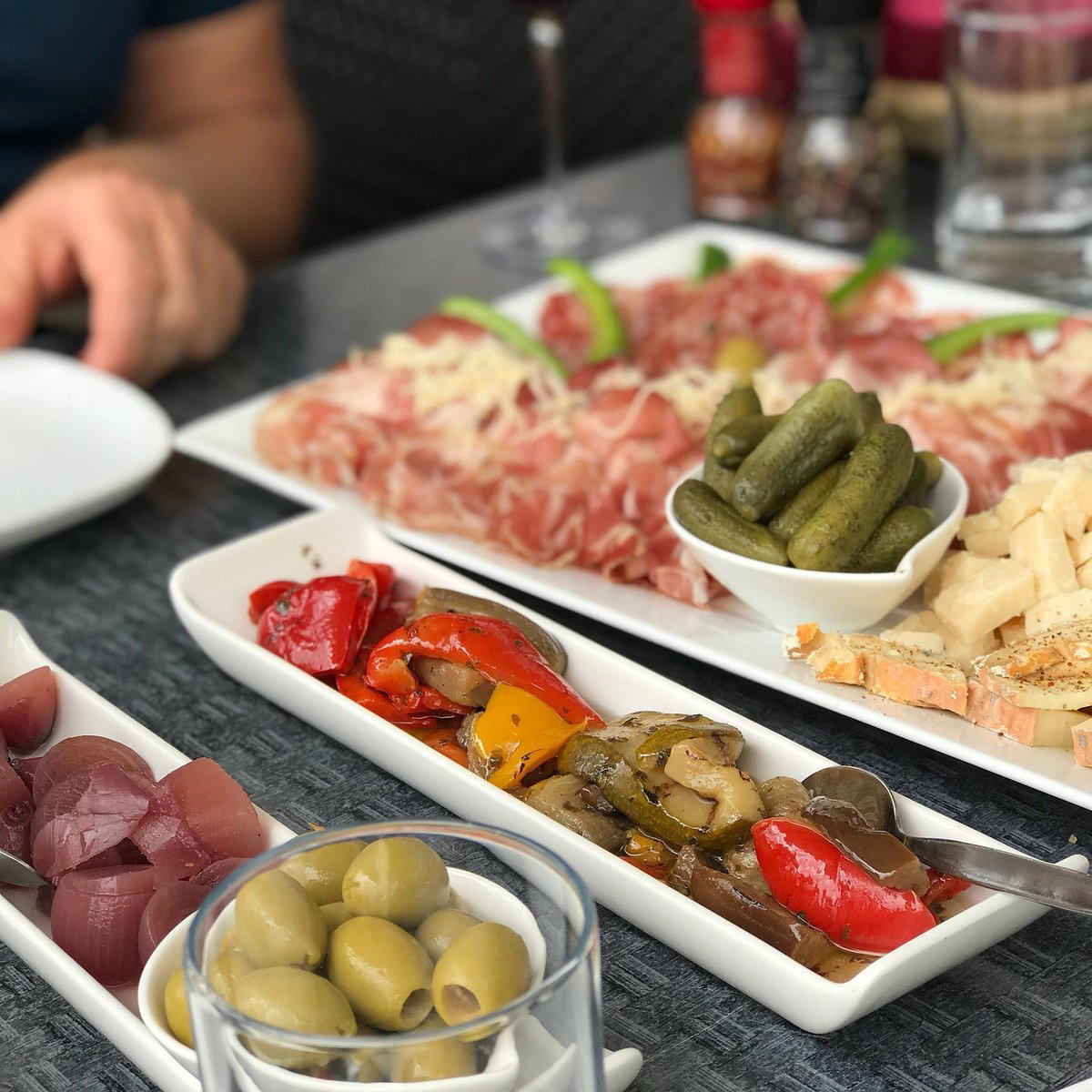
At a Glance
- Rustic
- Cozy
- Scenic
- Casual Hangout
- Historic Building
- Mountain
Casual rustic alpine atmosphere warmed by southern slope sunshine.