Our verdict
A mountain hut above Kitzbühel, Hornköpflhütte sits in the tradition of Austrian alpine dining where the setting does as much work as the kitchen. The approach here follows the rhythms of upland hospitality, unhurried, grounded in the region, and paced by the altitude. For visitors tracing Kitzbühel's dining scene beyond the valley floor, it represents a different register entirely.

Pearl is the En Primeur Club membership app, where members save venues, book tables and use the concierge.

The menu
What to order
- Käsespätzle
- Tiroler Gröstl
- Schnitzel
- Homemade Apple Strudel
Above the Valley: Alpine Hut Dining in Kitzbühel
There is a particular ritual to eating at altitude in the Austrian Tyrol, and it is not the same ritual as eating in town. The approach to a mountain hut like Hornköpflhütte, whether on foot, by lift, or by a slow traverse across the Horn, reorients the meal before it begins. The body has worked, or at least moved through open air at elevation, and the table that follows carries a different weight. This is the structural logic behind the Berghütte tradition: the journey and the meal are designed as a single experience, not two separate events.
Kitzbühel has long operated on two distinct dining registers. On the valley floor, the town runs a competitive and increasingly sophisticated restaurant scene, places like Berggericht (Modern Cuisine) at the upper price tier, or the regional comfort of venues anchored to local produce and Austrian kitchen conventions. But above the treeline, a different set of expectations applies. The mountain hut is not expected to compete with a Michelin-tracked kitchen. It is expected to be honest, warm, and well-placed, and in that narrower brief, the leading examples in the Kitzbühel area do something that their valley counterparts cannot.
The Pacing and Customs of a Hut Meal
Austrian alpine dining follows its own tempo, and understanding that tempo is most of what you need to enjoy it properly. Huts do not rush. The kitchen is usually working against real constraints, altitude, supply logistics, seasonal availability, and the menu reflects those constraints rather than disguising them. What arrives tends to be direct: soups with substance, meat preparations built for warmth, dairy from nearby farms, and pastry that leans on technique rather than refinement. The portions are calibrated for people who have been outside.
The ritual of the hut meal in the Tyrol has remained largely consistent across generations. You arrive, you shed layers, you order something warm. The social dimension matters as much as the food: long tables, shared benches, and a pace of service that discourages hurry. In the better huts, the staff manage the room with the easy authority of people who know the terrain and the clientele. There is no dress code to speak of, no sommelier to manage, and no expectation of a multi-course progression. The meal organises itself around appetite and weather and the time of day, a logic that the valley's more formal establishments, however accomplished, cannot replicate.
This is the context in which Hornköpflhütte at Ried am Horn 8, 6370 Kitzbühel, sits. The address places it in the Horn area above the town, consistent with the spatial grammar of Kitzbühel's mountain terrain. Comparable upland options in the region, such as Berggasthof Sonnbühel and Berghaus Tirol, occupy the same functional category: huts and mountain guesthouses that serve the dual purpose of rest stop and dining destination for those moving through the alpine terrain above Kitzbühel.
Kitzbühel's Dining Spectrum: Where Huts Fit
To understand what a hut like this is, it helps to understand what it is not. The valley floor in Kitzbühel holds restaurants across a wide price range, from the fusion informality of lower-priced operations to the structured ambition of venues pushing toward the kind of recognition that earns coverage in serious food publications. Austria more broadly has a well-developed fine dining circuit, Steirereck im Stadtpark in Vienna, Obauer in Werfen, and Döllerer in Golling an der Salzach represent the kind of serious, awarded cooking that places Austrian cuisine in European conversation. The Tyrolean mountain hut occupies a completely different position in that spectrum, and it does so deliberately.
Within Kitzbühel itself, the contrast is instructive. 1st Lobster and venues of that profile serve a clientele that arrives for occasion dining. The Alpenhotel Kitzbühel am Schwarzsee operates within a hotel framework that comes with its own set of expectations. A mountain hut answers to none of those frameworks. Its peer group is defined by elevation and access, not by price bracket or kitchen ambition. For a more complete picture of how Kitzbühel's dining scene distributes itself across formats and price points, the full Kitzbühel restaurants guide maps the full range.
The Austrian Alpine Kitchen in Broader Context
The food culture of the Tyrolean mountains has specific roots that distinguish it from both urban Austrian cooking and from alpine traditions in neighbouring Switzerland or Bavaria. The Tyrol's kitchen emphasises self-sufficiency and preservation: smoked meats, aged cheeses, root vegetables, and bread traditions that developed in response to hard winters and limited supply lines. These are not affectations in a mountain hut context, they are the actual history of how people fed themselves in these valleys and on these slopes.
Austria's wider restaurant scene has learned to translate that heritage into something more formally sophisticated. Venues like Kräuterreich by Vitus Winkler in Sankt Veit im Pongau or Griggeler Stuba in Lech demonstrate how alpine ingredients and regional customs can be reframed for a high-end dining context. Gourmetrestaurant Tannenhof in Sankt Anton am Arlberg sits in a similar zone, alpine setting, refined execution. Even internationally, the format of serious cooking in a mountain context has strong precedent: Ikarus in Salzburg and Landhaus Bacher in Mautern an der Donau represent how Austrian kitchens can operate at a register that competes with the leading rooms anywhere, the same way Le Bernardin in New York City or Atomix in New York City define what serious intent looks like in their own categories.
But the mountain hut tradition sits upstream of all that. It predates the awards circuit, the tasting menu format, and the sommelier programme. Its authority comes from place and function, not from critical recognition. That is, in some respects, a more durable foundation.
Planning a Visit
Hornköpflhütte is located above Kitzbühel at Ried am Horn 8, placing it in the Horn terrain that defines the eastern side of the resort's mountain infrastructure. Visitors approaching from the town will need to account for the ascent, whether that means using available lift infrastructure during operating season, walking, or arriving as part of a longer mountain route. Alpine huts in this region typically operate during the main winter ski season and through the summer hiking months, with closures during the shoulder periods of late autumn and early spring; specific opening dates should be confirmed before travelling. Booking practicalities and contact details are leading sourced directly through the Kitzbühel tourism infrastructure, as hut operations vary by season and are often managed locally. Dress for the conditions rather than the occasion, the meal at altitude follows the same logic.
For those building a broader Kitzbühel itinerary that combines mountain and valley dining, the contrast between a hut lunch and an evening table at a venue like Berggericht or Restaurant 141 by Joachim Jaud in Mieming is worth building in deliberately. The two registers illuminate each other in ways that either experience alone does not provide. And for those still mapping the wider scene, Ois in Neufelden represents yet another distinct angle on what Austrian regional cooking looks like when given room to develop its own character.
Frequently asked questions
Would Hornköpflhütte be comfortable with kids?
Alpine huts in the Kitzbühel area are generally well-suited to families, and the Horn terrain surrounding Ried am Horn 8 is accessible by ski or on foot depending on season. The relaxed, unhurried pace of hut dining suits children better than formal restaurant settings. There are no age restrictions associated with this category of venue.
What is the atmosphere like at Hornköpflhütte?
Hornköpflhütte sits in the Horn terrain above Kitzbühel, which puts it away from the valley floor bustle and closer to the quieter, eastern side of the resort's mountain infrastructure. Alpine huts in this region operate on a slower register than town restaurants: tables turn at their own pace, and the setting is as much about the mountain surroundings as the food. Expect a convivial, informal room rather than a polished dining environment.
Is Hornköpflhütte accessible in summer, or is it primarily a ski-season hut?
The Horn terrain above Kitzbühel at Ried am Horn 8 is reachable on foot via hiking trails in the summer months, making it relevant beyond the ski calendar. Many Tyrolean huts in this area operate across both seasons, adjusting their hours and capacity accordingly.
What's the must-try dish at Hornköpflhütte?
In the broader Tyrolean alpine hut tradition, warm dishes such as Kaiserschmarrn, Gulasch, and Tiroler Gröstl are the category staples, the kind of food the kitchen has been producing since long before anyone thought to document it. Visiting with that regional frame in mind is the most reliable approach.
What part of town is Hornköpflhütte in?
Hornköpflhütte is located at Ried am Horn 8, 6370 Kitzbühel, Austria, Kitzbühel.
Do I need a reservation for Hornköpflhütte?
Alpine huts in the Tyrol typically operate on a walk-in basis during ski season, though popular huts on busy snow days can fill tables by early afternoon. Arriving at lunch rather than peak midday is the practical workaround most regulars use.
What's the defining dish or idea at Hornköpflhütte?
The defining idea is altitude-appropriate eating: food that makes sense after a morning on skis or a long trail approach, served without ceremony at a table with mountain views. Tyrolean hut kitchens are built around sustaining dishes rather than refined plating, and Hornköpflhütte, positioned on the Horn terrain above Kitzbühel, fits squarely within that tradition. The meal is inseparable from the setting.
Cuisine and Recognition
| Venue | Cuisine | Price | Awards | Notes |
|---|---|---|---|---|
| HornköpflhütteThis venue (the venue you are viewing) | Traditional Tyrolean Alpine Cuisine | $20–30 | Not listed | Not listed |
| Berggericht | Alpine Fine Dining | $200–300 | 1 Michelin Star | Modern Cuisine |
| Les Deux Kitzbühel - Brasserie & Bar | Modern French Brasserie | $100–150 | 1 Michelin Star · Falstaff Restaurant - 95 Falstaff Points | Not listed |
| Lois Stern | Asian-European Fusion | Not listed | Michelin Plate | Not listed |
| Mocking das Wirtshaus | Modern Austrian Regional | $30–50 | Michelin Bib Gourmand · Star Wine List | Not listed |
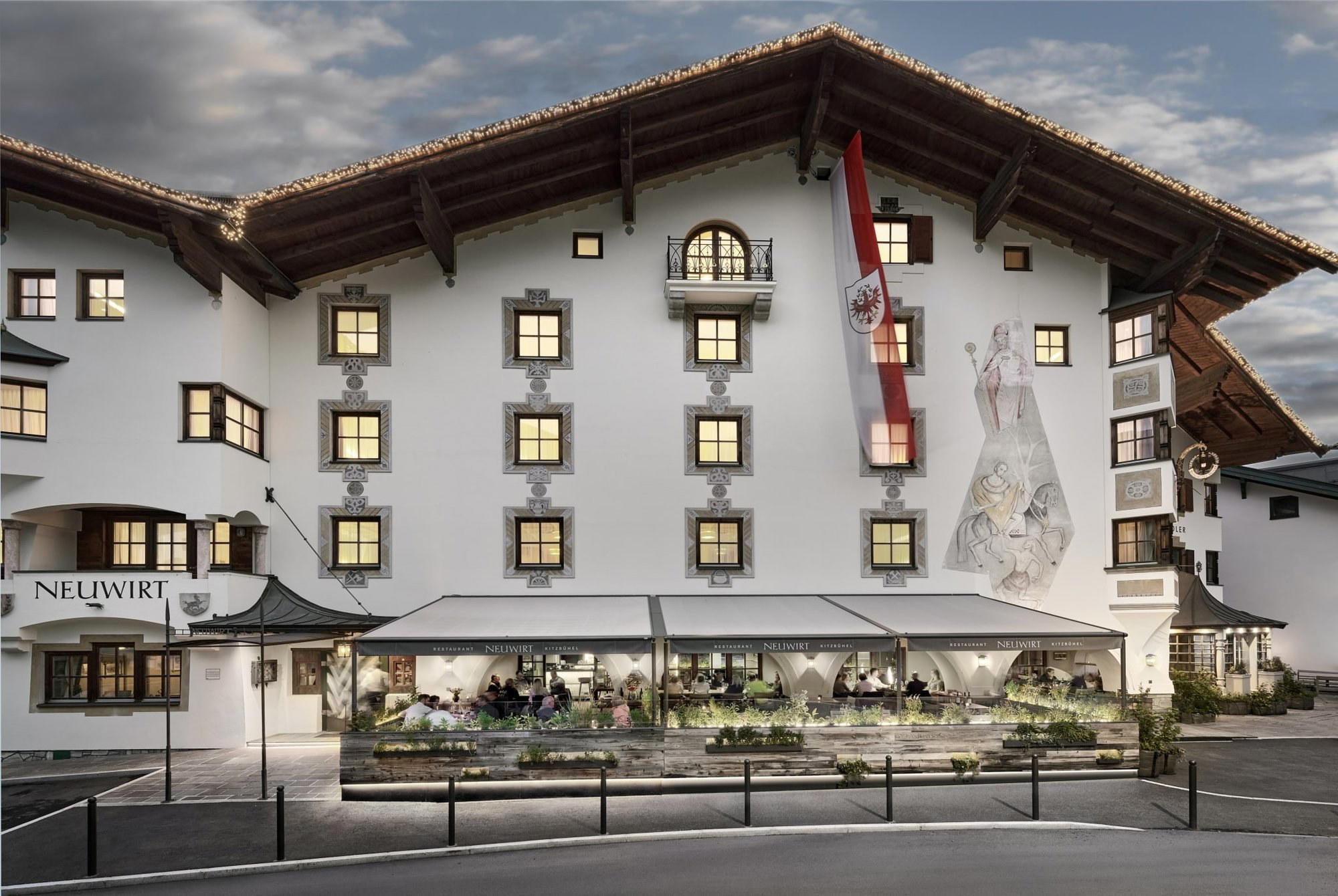
| Neuwirt | Modern Austrian Alpine Fine Dining | $100–150 | Michelin Plate | Not listed |
Continue exploring
More in Kitzbühel
Restaurants in Kitzbühel
All restaurants in Kitzbühel →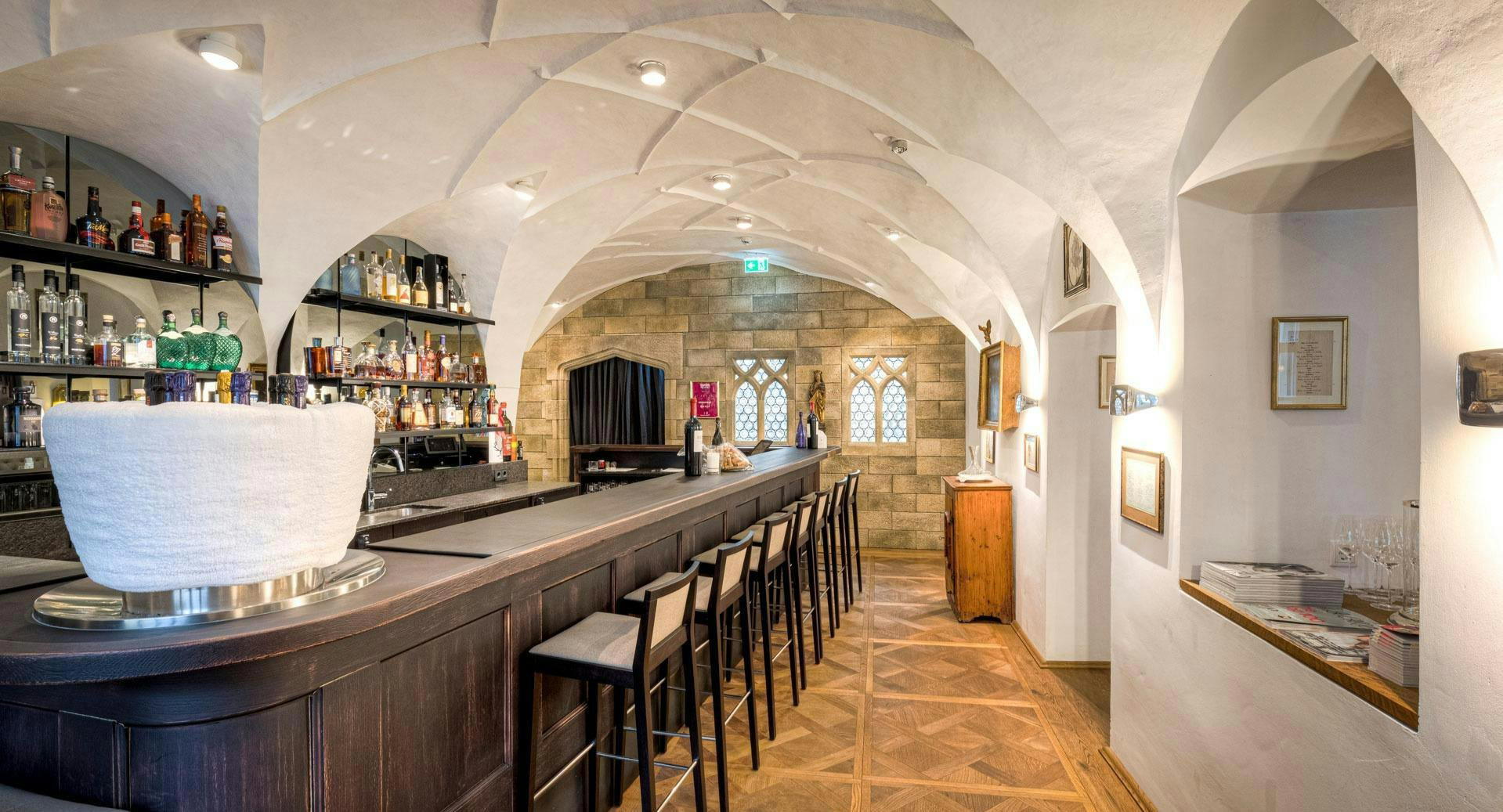
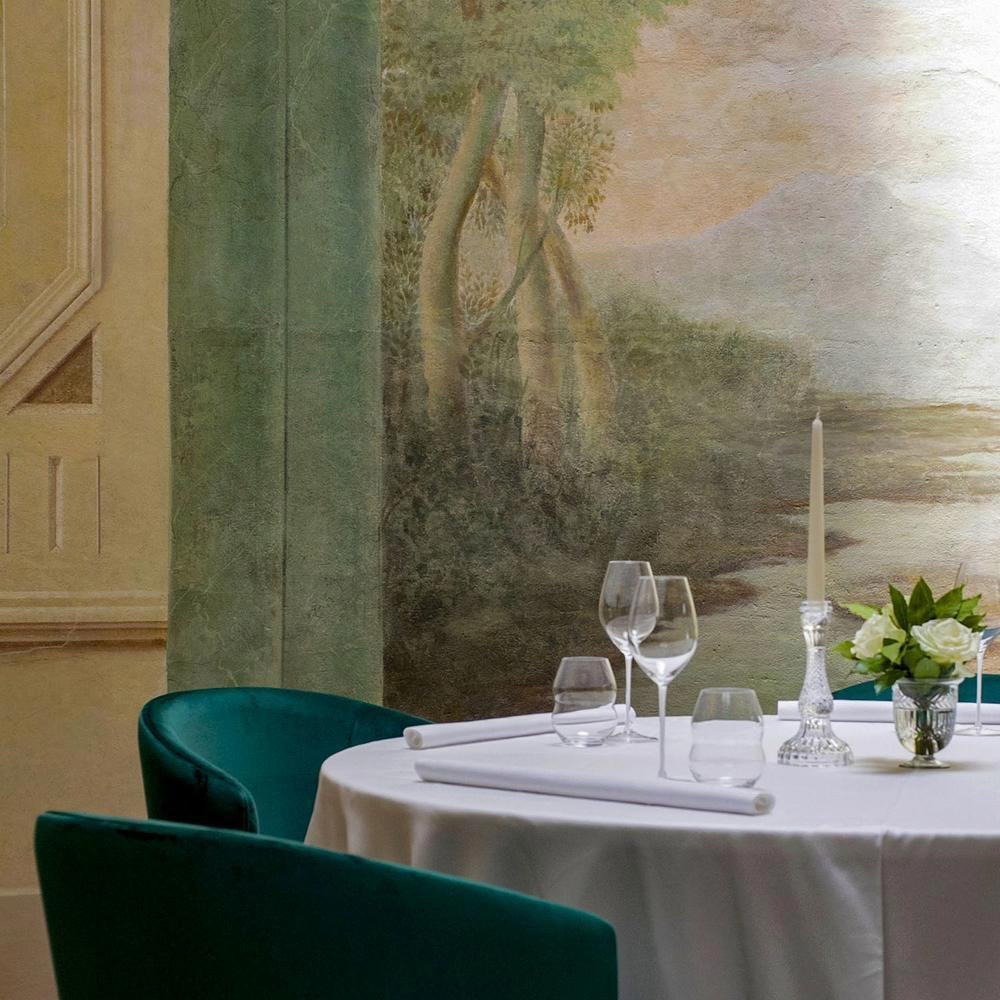
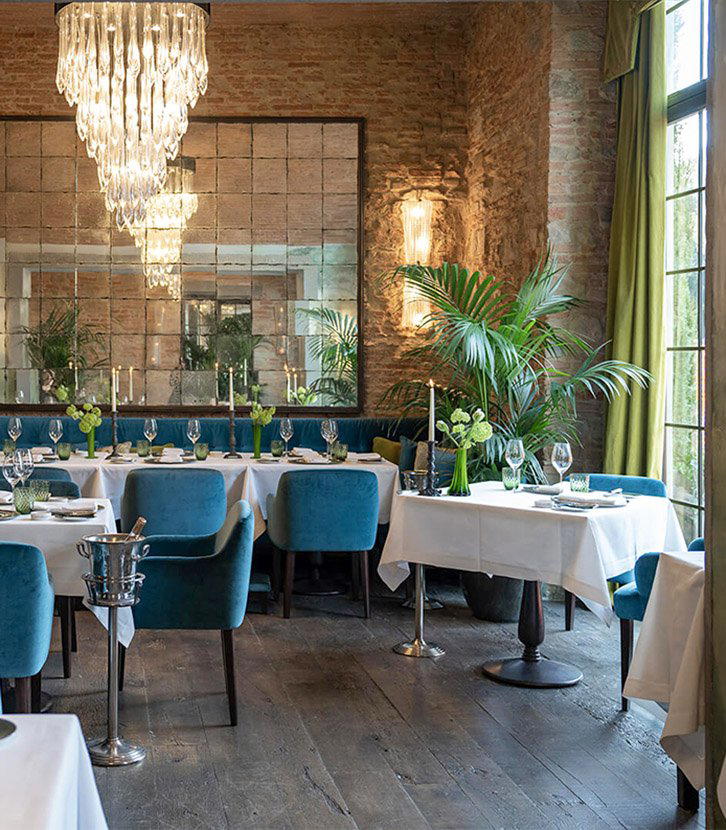
Bars in Kitzbühel
Browse all →
Hornköpflhütte
The wine
- Wine program
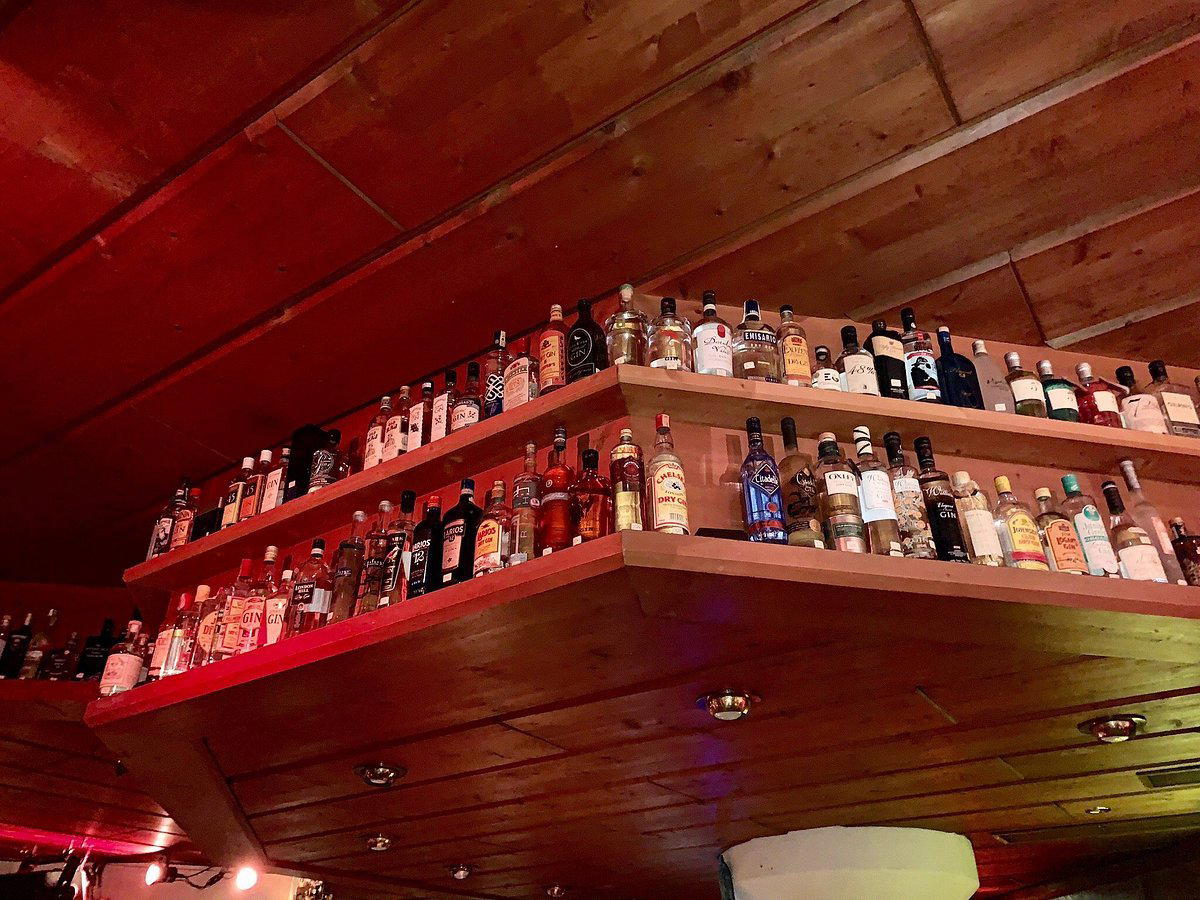
- Deep wine list
- Extensive wine list
- Beer program
Details
- Rustic
- Cozy
- Scenic
- Elegant
- Casual Hangout
- Group Dining
- Family
- Terrace
- Panoramic View
- Standalone
- Extensive Wine List
- Beer Program
- Local Sourcing
- Mountain
- A La Carte
- Local Wines
- Craft Beers
- Herbal Teas
- Vegetarian Friendly
- Vegan Options
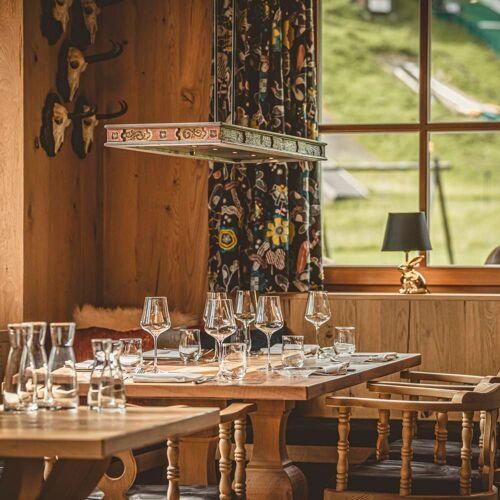
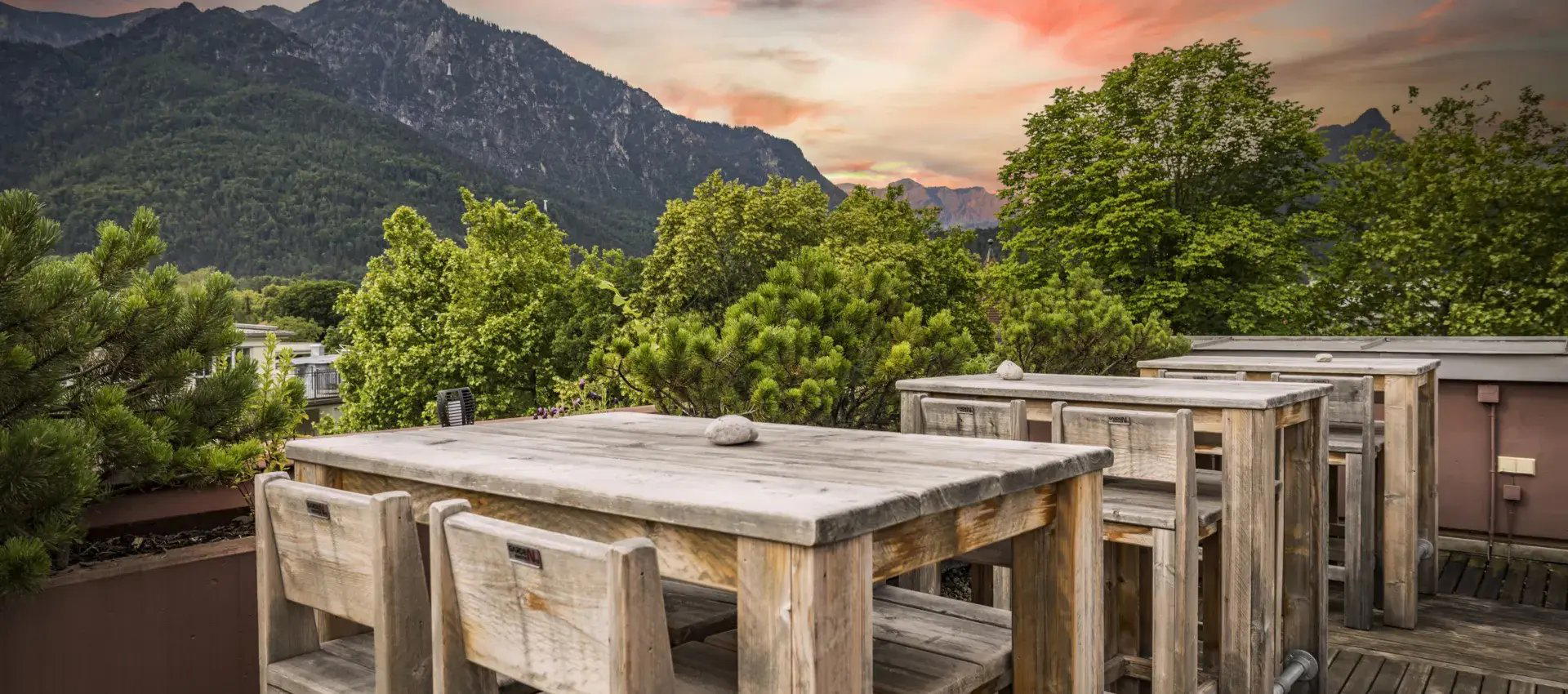
Warm and welcoming alpine atmosphere combining rustic light-heartedness with alpine chic; sun terrace with deck chairs overlooking mountain vistas.