Rotes Ross

A Michelin Bib Gourmand-recognised country kitchen in the Franconian village of Marktbergel, Rotes Ross delivers regional cooking at a price point that reflects its roots rather than its reputation. It occupies a position that fine-dining visitors to Germany rarely expect to find this far from a major city: serious food, grounded in local tradition, without the theatre of a tasting menu.
Pearl is the En Primeur Club membership app — saves, bookings, and concierge access live there. Same editors, same standards.
- Address
- Würzburger Str. 1, 91613 Marktbergel, Germany
- Phone
- +49 9843 936600
- Website
- rotes-ross-marktbergel.de
- Directions
- Get directions
 Saves & bookings on Pearl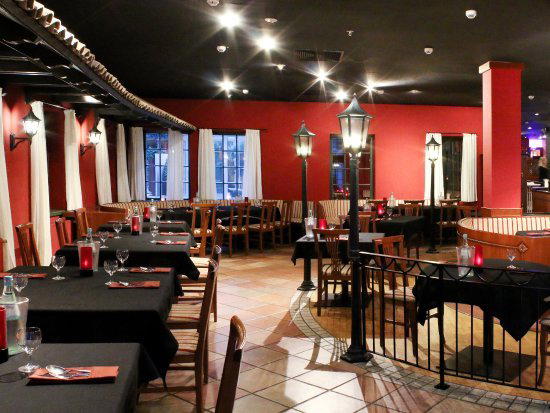
Where Franconian Country Cooking Earns Its Credentials
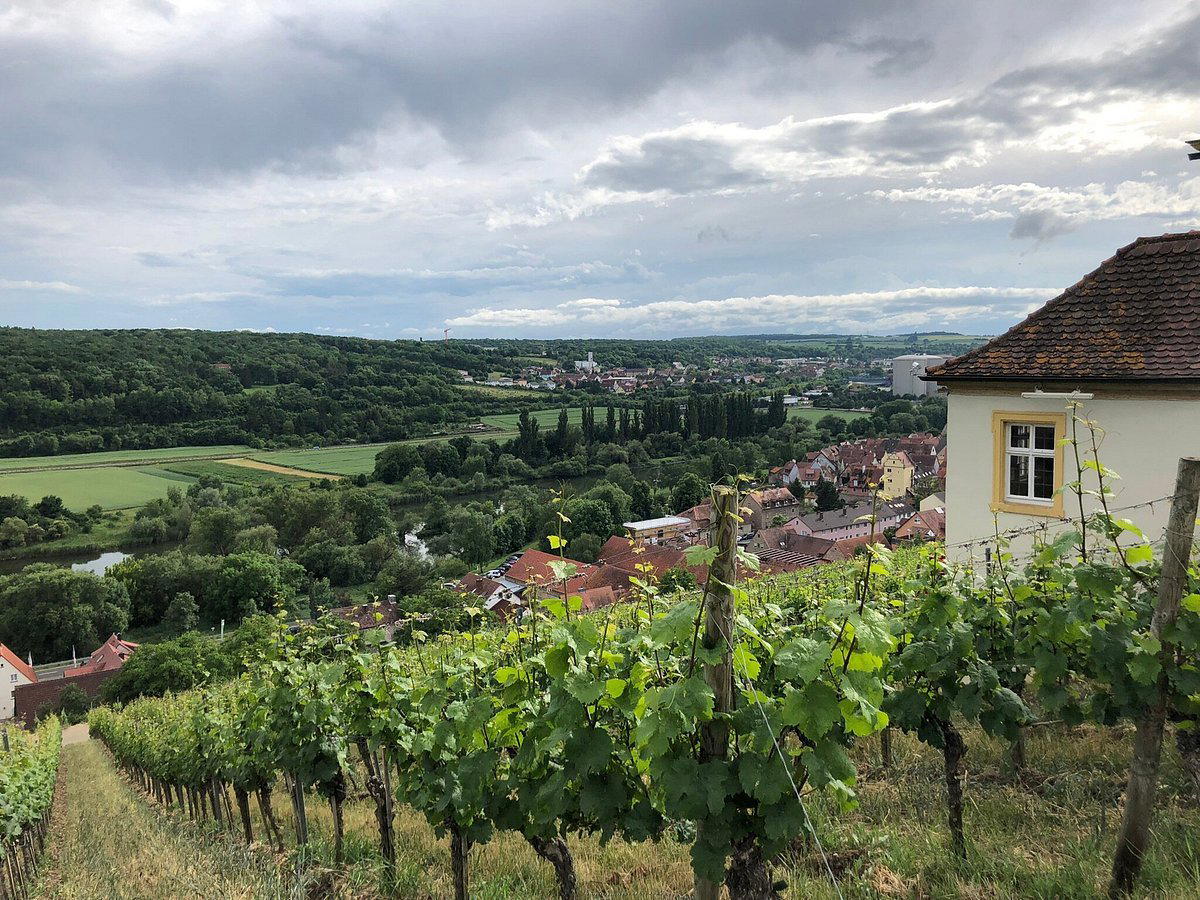
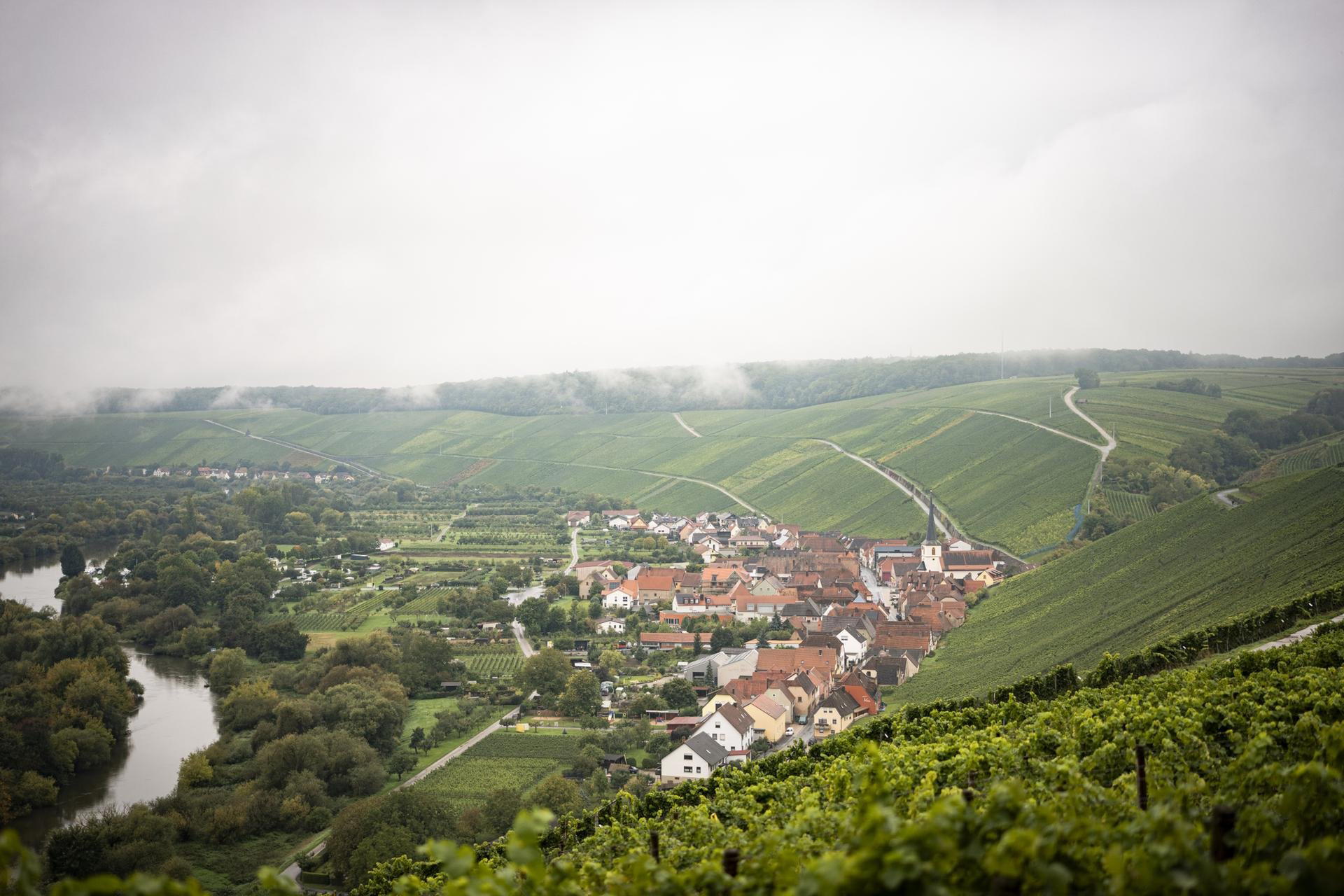
The village of Marktbergel sits in the Franconian wine country between Würzburg and Ansbach, a stretch of Bavaria where the agricultural calendar still shapes what ends up on the plate. This is not a region built around destination dining in the conventional sense. There are no tasting-menu corridors, no cluster of starred addresses drawing weekend traffic from Munich or Frankfurt. What the area has instead is a tradition of Gasthausküche, the kind of cooking that draws from the surrounding farms, forests, and vineyards because that has always been one direct route to good food. Rotes Ross, at Würzburger Str. 1, sits squarely inside that tradition, and in 2025 Michelin confirmed what local regulars have long understood by awarding it the Bib Gourmand, the guide's marker for notable cooking at a moderate price.
For context on where that recognition sits in Germany's broader dining picture, consider that the Bib Gourmand occupies a deliberate position in Michelin's framework: it signals cooking that the inspectors found worth a detour, at a price point that the €€ bracket reflects. This is a different category from the €€€€ creative programs at Aqua in Wolfsburg or CODA Dessert Dining in Berlin, or the French classicism of Schwarzwaldstube in Baiersbronn. Rotes Ross is not competing in that register. It competes on authenticity of sourcing, consistency of execution, and the kind of honest regional flavour that the high-end creative kitchens often cite as their foundational influence, even as they move further from it.
The Logic of Local Sourcing in Franconia
Franconian country cooking has a material geography. The region produces some of Germany's most characterful white wines, particularly from the Silvaner grape in the Maindreieck sub-region around Würzburg, and the food that has developed alongside those wines reflects a similar preference for directness over decoration. Pork, game, freshwater fish, root vegetables, and the pulses that sustained farmworkers through long winters form the backbone of the tradition. Where a kitchen in this mode is working well, the sourcing is short: animals raised in the region, vegetables from growers within driving distance, wild ingredients from the surrounding landscape in season.
This kind of proximity sourcing is not a marketing position in a place like Marktbergel; it is an economic and practical reality that has defined the cooking here for generations. The Bib Gourmand recognition in 2025 is, in part, a validation of that continuity. That volume of feedback, weighted strongly positive, points to a kitchen that delivers reliably across different seasons and occasions.
For comparison, the country-cooking category has found recognition across several European regions in recent years. 21.9 in Piobesi d'Alba and Andrea Monesi - Locanda di Orta in Orta San Giulio represent the Italian parallel: kitchens in smaller towns and villages where the sourcing logic is hyper-local and the cooking resists the pull toward international technique. Rotes Ross occupies the same intellectual position in the Franconian context.
Reading the Room: Format and Atmosphere
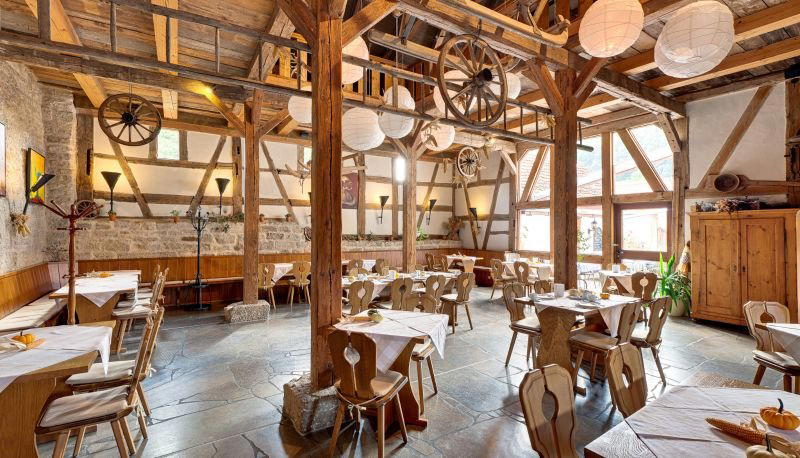
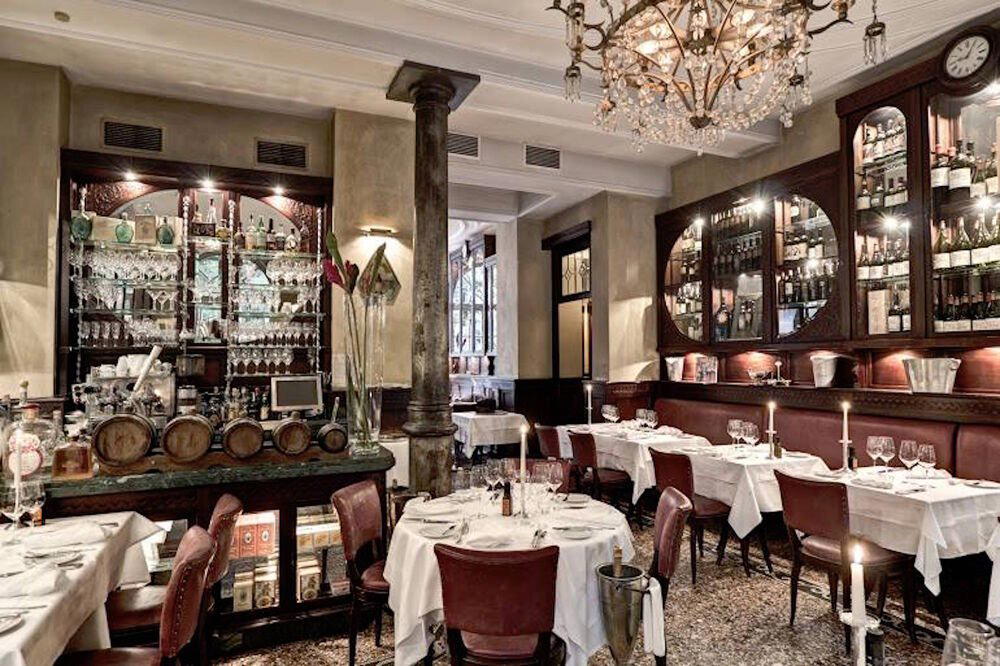
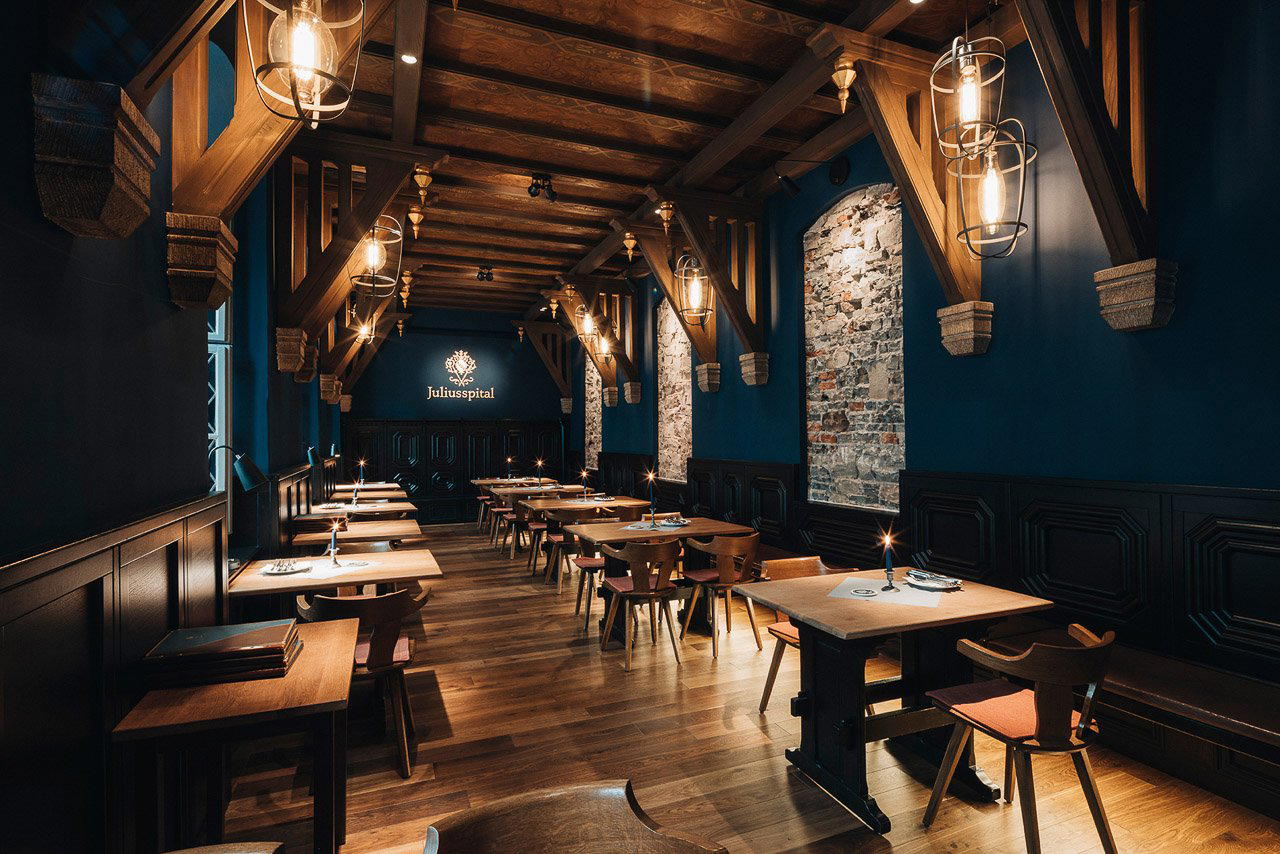
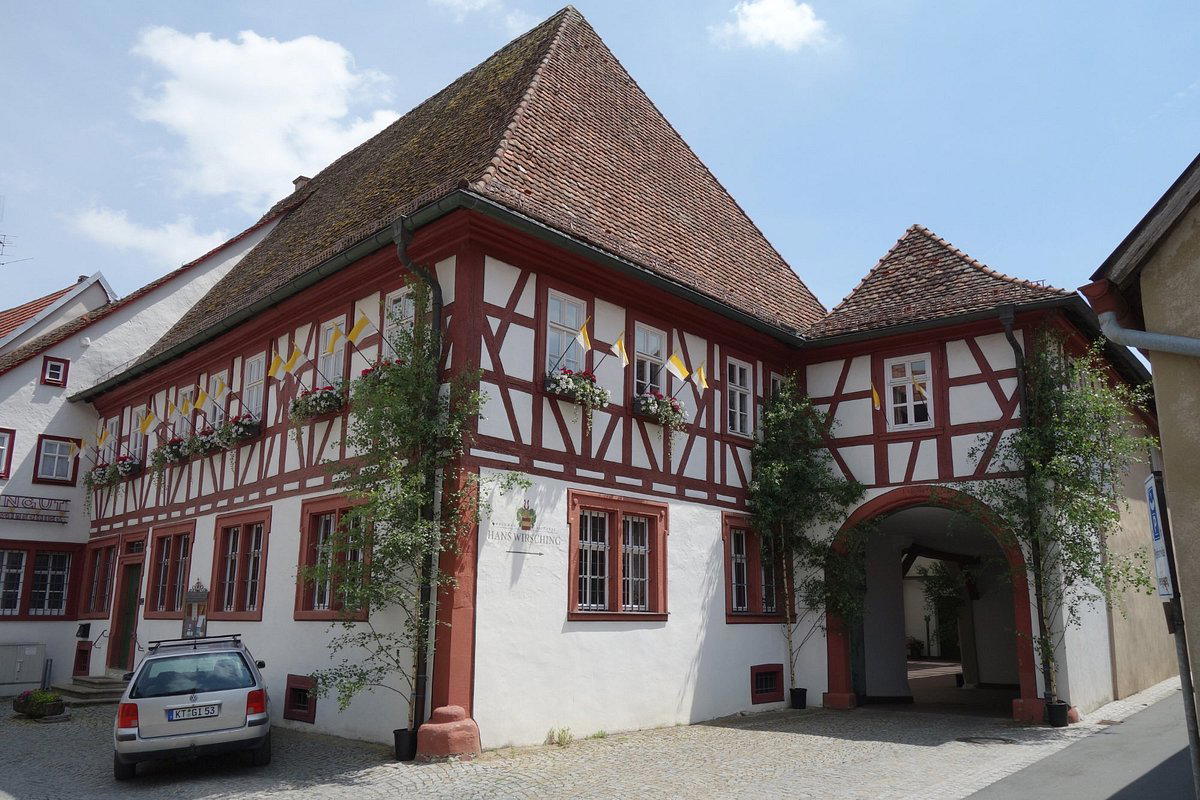
The address alone frames expectations. Würzburger Str. 1 places the restaurant on the main approach road into a village of a few hundred residents. The physical context is a Franconian inn, the kind of building type that has housed this category of cooking for centuries: thick walls, a low-key exterior, interiors that tend toward warm timber, ceramic, and the accumulated domestic detail of a place that has been feeding people for a long time. This is not the stripped-back minimalism of a contemporary creative kitchen. The atmosphere in these addresses tends toward the unhurried, oriented around communal eating rather than the choreographed progression of a tasting format.
That format distinction matters for the kind of visit the restaurant represents. Guests arriving with the expectations calibrated for Vendôme in Bergisch Gladbach or Restaurant Haerlin in Hamburg will find a fundamentally different register here, and that is the point. The Bib Gourmand is not a consolation prize; it marks a specific kind of excellence that operates outside the fine-dining framework entirely.
Planning a Visit
Marktbergel is accessible from Würzburg, roughly 35 kilometres to the northwest, and from Ansbach to the south, making it a viable stop within a broader tour of Franconian wine country. The region rewards slow travel: the vineyard villages between Würzburg and Iphofen offer a density of small producers and traditional kitchens that doesn't require driving long distances to cover significant culinary ground. For those building an itinerary around German dining at different price points, placing the restaurant alongside visits to higher-end addresses elsewhere in the region creates a useful contrast. The €€ price range at the restaurant means a table here adds little financial weight to a trip that might otherwise anchor around the €€€€ kitchens.
For reference, Germany's range of recognised dining extends from addresses like Rotes Ross at the Bib Gourmand level through to multi-starred kitchens such as JAN in Munich, Schanz in Piesport, Waldhotel Sonnora in Dreis, Victor's Fine Dining by Christian Bau in Perl, Bagatelle in Trier, and ES:SENZ in Grassau. The spread is wide. The restaurant operates in a register that many of those kitchens' chefs would describe as foundational.
A Quick Peer Check
Comparable venues nearby, for context on price, style, and recognition.
| Venue | Cuisine | Price | Awards | Notes |
|---|---|---|---|---|
| Rotes RossThis venue — the venue you are viewing | Traditional Franconian Cuisine | $$ | Bib Gourmand | Not listed |
| Anne-Sophie | Regional Hohenloher Cuisine | $$ | Bib Gourmand | Old Town |
| Landhaus Zum Rössle | Swabian Regional Cuisine | $$ | Bib Gourmand | Veinau |
| Gasthaus Widmann's Löwen | Traditional Swabian Country Cooking | $$ | Bib Gourmand | Königsbronn |
| Waldgasthof am Letten | Traditional Franconian | $$ | Michelin Plate | Lauf an der Pegnitz |
| Landhaus Lebert | Refined Bavarian Country Cuisine | $$$ | Bib Gourmand | Windelsbach |
Recognition history
Dated appearances from independent guides and award organizations, with the underlying list record or original source where available.
Michelin Bib Gourmand
Michelin
Michelin Bib Gourmand
Michelin
Continue exploring
More in Marktbergel
Restaurants in Marktbergel
Browse all →
Bars in Marktbergel
Browse all →
Hotels in Marktbergel
Browse all →

At a Glance
- Cozy
- Rustic
- Classic
- Romantic
- Date Night
- Group Dining
- Family
- Celebration
- Special Occasion
- Courtyard
- Terrace
- Historic Building
- Hotel Restaurant
- Garden
- Farm To Table
- Local Sourcing
- Garden
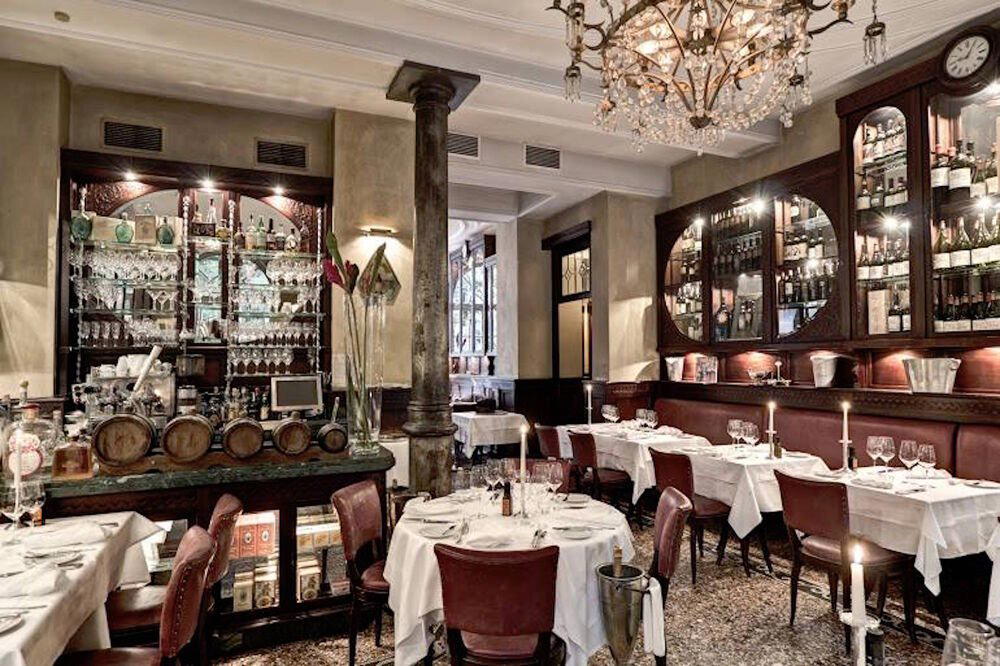
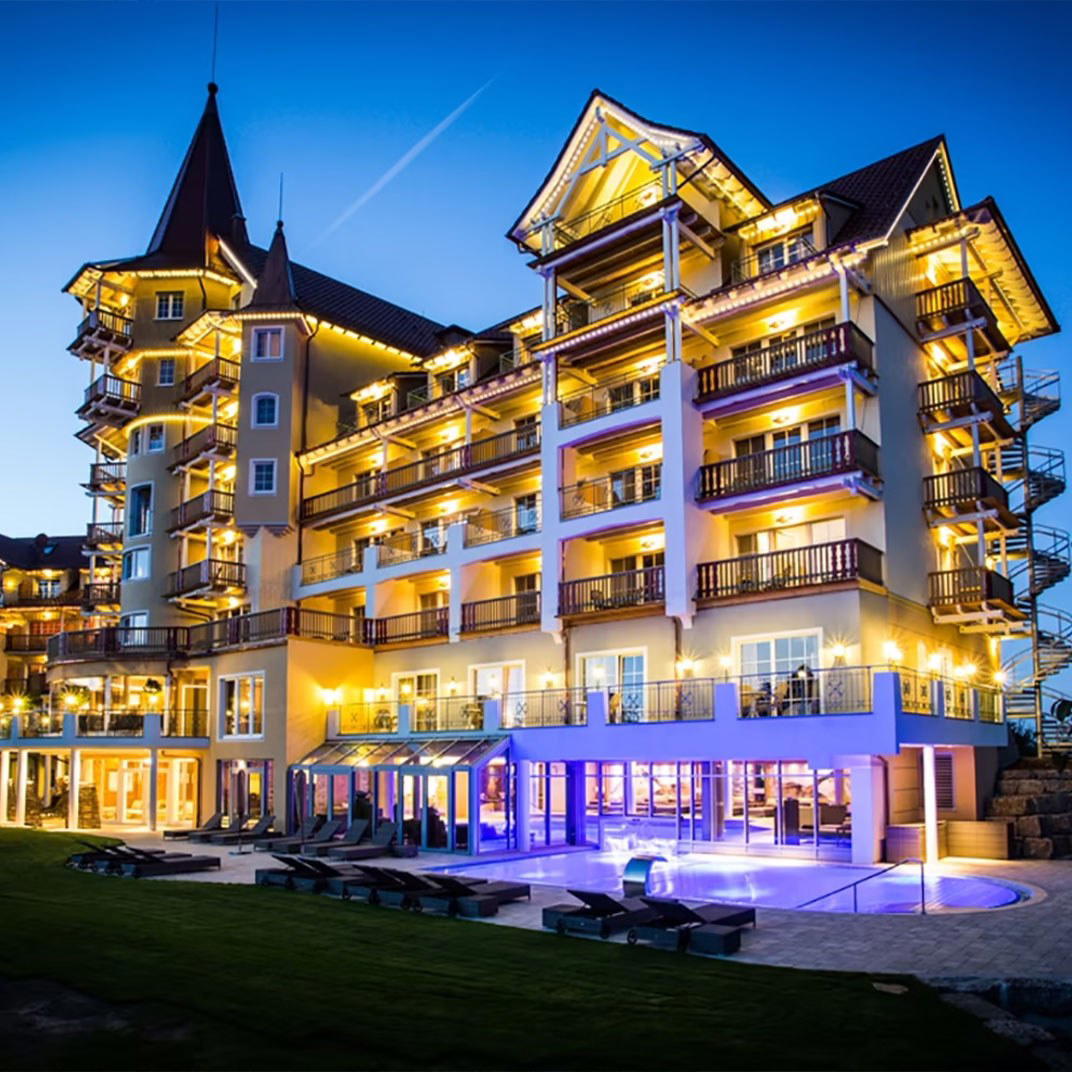
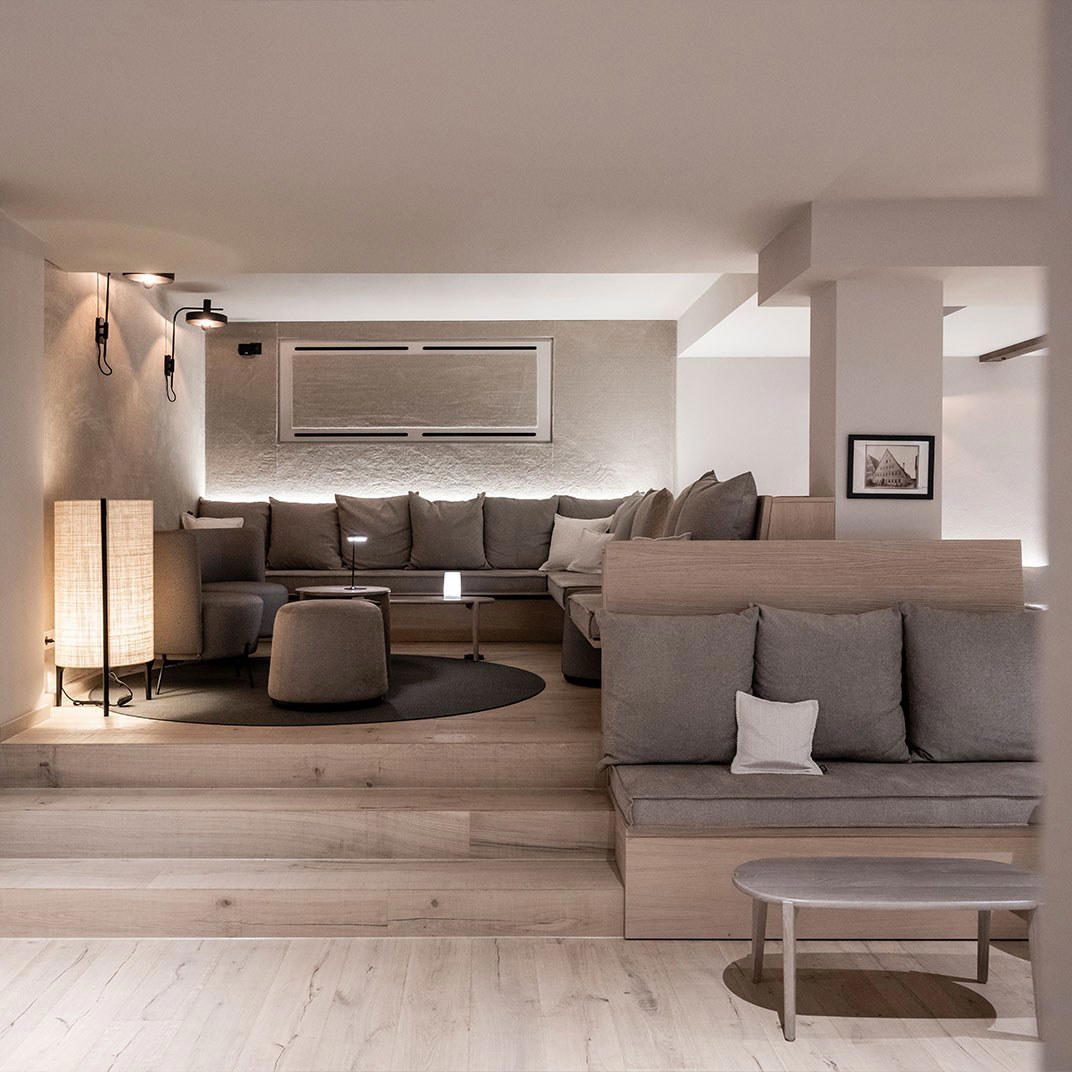
Warm and inviting with tasteful traditional décor, intimate dining rooms, and a cozy atmosphere enhanced by candlelit tables and historic architectural details.