Waldgasthof am Letten

Michelin Plate
Our verdict
The €€ price range makes it an accessible benchmark for the region's rural dining tradition.

Pearl is the En Primeur Club membership app, where members save venues, book tables and use the concierge.
The menu
What to order
- Gefüllte Perlhuhnbrust
- Variation an Edelfischen
Where the Pegnitz Valley Sets the Table
The road into Lauf an der Pegnitz drops through forest and field before the town announces itself along the river. This is the kind of geography that shaped a particular strand of German country cooking: larder-driven, seasonal by necessity rather than trend, and deeply connected to the agricultural patterns of the Franconian countryside. Waldgasthof am Letten, at Letten 13, sits within that tradition rather than commenting on it from a distance. The approach to the building, away from the town centre, signals something about the dining logic here: the emphasis is on what comes from nearby land, not what arrives on a refrigerated truck from a central distribution hub.
That positioning matters in a region that has historically supplied its own tables. Franconia's farms, forests, and rivers have long provided the raw materials for a cuisine built on game, freshwater fish, root vegetables, and preserved preparations that carry summer's abundance into autumn and winter. Country cooking in this context is not a nostalgic label applied to rustic presentation; it is a description of actual sourcing practice and seasonal discipline.
Michelin Recognition at the €€ Tier
Germany's Michelin Plate designation, held by Waldgasthof am Letten in both 2024 and 2025, functions as a quality signal within a specific tier. The Plate is awarded to restaurants cooking to a consistently good standard, and in the context of a €€ venue outside a major city, it carries a different weight than the same designation in Munich or Frankfurt. Rural Franconia does not produce Michelin Plates in quantity; the density of recognised restaurants thins considerably outside the Nuremberg metropolitan area. A consecutive two-year recognition at this price point suggests the kitchen is executing a style with real technical reliability, not coasting on local goodwill.
For comparison, Germany's highest-profile dining addresses operate at a different register entirely. Properties like Schwarzwaldstube in Baiersbronn, Aqua in Wolfsburg, or Vendôme in Bergisch Gladbach occupy the €€€€ bracket with creative or contemporary formats that bear no direct relation to what a Waldgasthof is doing. The more instructive comparison is within the country-cooking category itself, where consistency over time, sourcing credibility, and value-to-quality ratio are the operative measures. On those terms, consecutive Michelin Plate recognition at the €€ level is a stronger signal than a single award at a higher price point would suggest.
Ingredient Sourcing and the Franconian Larder
The ingredient sourcing logic of a Waldgasthof in this part of Bavaria is worth understanding on its own terms. Franconia sits at a confluence of agricultural zones: the Pegnitz valley provides riverine produce, the forests above Lauf yield game through the autumn season, and the broader agricultural plain between Nuremberg and the Franconian uplands supplies root crops, cereals, and preserved meats that anchor the winter menu. Country cooking here is shaped by what those landscapes produce, not by what a creative menu concept requires.
This contrasts meaningfully with the ingredient-sourcing model of destination restaurants elsewhere in Germany. A kitchen like ES:SENZ in Grassau or Restaurant Haerlin in Hamburg constructs its sourcing list around a creative agenda; the ingredients serve a vision. In a Waldgasthof, the relationship inverts: the kitchen is shaped by what the surrounding region produces at any given time of year. That inversion produces a different eating experience, less architecturally composed but more directly connected to the agricultural calendar of a specific place.
For the traveller tracking the country-cooking category across Europe, the structural parallels with Italian rural formats are worth noting. 21.9 in Piobesi d'Alba and Andrea Monesi - Locanda di Orta in Orta San Giulio operate on a comparable sourcing philosophy: regional produce, seasonal discipline, and a format that reflects local agricultural patterns rather than metropolitan trends.
A score this high, sustained over a volume that rules out selective curation, indicates consistent execution across a broad range of visits and expectations.
The volume also signals something about the venue's place in local life. Waldgasthofe that accumulate this kind of review depth are not tourist stops or destination-only restaurants; they are embedded in the social and dining fabric of their region in a way that requires reliable quality over time. That embeddedness is part of what the Michelin Plate is recognising: not a single exceptional meal, but a kitchen that performs to standard across the seasons.
Planning a Visit
Lauf an der Pegnitz sits in the Nuremberg metropolitan area, accessible by S-Bahn from Nuremberg's main station, making Waldgasthof am Letten a viable half-day excursion rather than a dedicated overnight trip. The €€ price range means a full meal here sits well within the budget of anyone already spending a day in the region.
Those building a longer Franconian itinerary will find our full Lauf an der Pegnitz restaurants guide a useful starting point, with additional context in our Lauf an der Pegnitz hotels guide, our bars guide, our wineries guide, and our experiences guide. Travellers spending more time in the German dining circuit may want to cross-reference against JAN in Munich, Schanz in Piesport, Waldhotel Sonnora in Dreis, Victor's Fine Dining by Christian Bau in Perl, Bagatelle in Trier, and CODA Dessert Dining in Berlin to understand where Waldgasthof am Letten sits within the full range of what Germany's recognised restaurants are currently doing.
Frequently asked questions
Is Waldgasthof am Letten okay with children?
A Waldgasthof format, a country inn built around regional cooking at the €€ price point, typically suits families comfortably. The rural setting at Letten 13, outside the town centre, means space is not at a premium the way it would be in a city-centre Michelin-recognised address. Calling ahead to confirm seating arrangements is advisable, as hours and table configurations are not publicly listed.
What's the overall feel of Waldgasthof am Letten?
The name alone sets expectations: Waldgasthof translates roughly as forest inn, and the address on the edge of Lauf an der Pegnitz delivers on that. Two consecutive Michelin Plates (2024 and 2025) confirm a kitchen operating above the casual end of the country-inn category, but the €€ pricing keeps it firmly in the register of a working local restaurant rather than a destination-dining event.
What awards or recognition does Waldgasthof am Letten have?
Waldgasthof am Letten has received recognition including: Michelin Plate (2025); Michelin Plate (2024).
What do people recommend at Waldgasthof am Letten?
The venue holds a Michelin Plate for country cooking, which points toward Franconian regional dishes as the kitchen's core competency, the cuisine type listed in the record, not an embellishment.
At-a-Glance Comparison
| Venue | Cuisine | Price | Awards | Notes |
|---|---|---|---|---|
| Waldgasthof am LettenThis venue (the venue you are viewing) | Traditional Franconian | Not listed | Michelin Plate | Not listed |
| Schwarzwaldstube | Modern French Fine Dining | $150–200 | 3 Michelin Stars · World's 50 Best #47 | French, Classic French |
| Aqua | Contemporary German, Italian/Japanese, Creative | Not listed | Michelin 3 Star | Not listed |
| CODA Dessert Dining | Dessert-Inspired Fine Dining | $200–300 | 2 Michelin Stars · World's 50 Best #79 | Creative |
| Tantris | Modern French, French Contemporary | Not listed | Michelin 2 Star | Not listed |
| Vendôme | Modern German Haute Cuisine | $200–300 | 2 Michelin Stars · World's 50 Best #47 | Modern European, Creative |
Recognition history
Dated appearances from independent guides and award organizations, with the underlying list record or original source where available.
Michelin Plate
Michelin
Full recognition history (3 entries)
Michelin Plate
Michelin
Michelin Plate
Michelin
Continue exploring
More in Lauf an der Pegnitz
Restaurants in Lauf an der Pegnitz
All restaurants in Lauf an der Pegnitz →
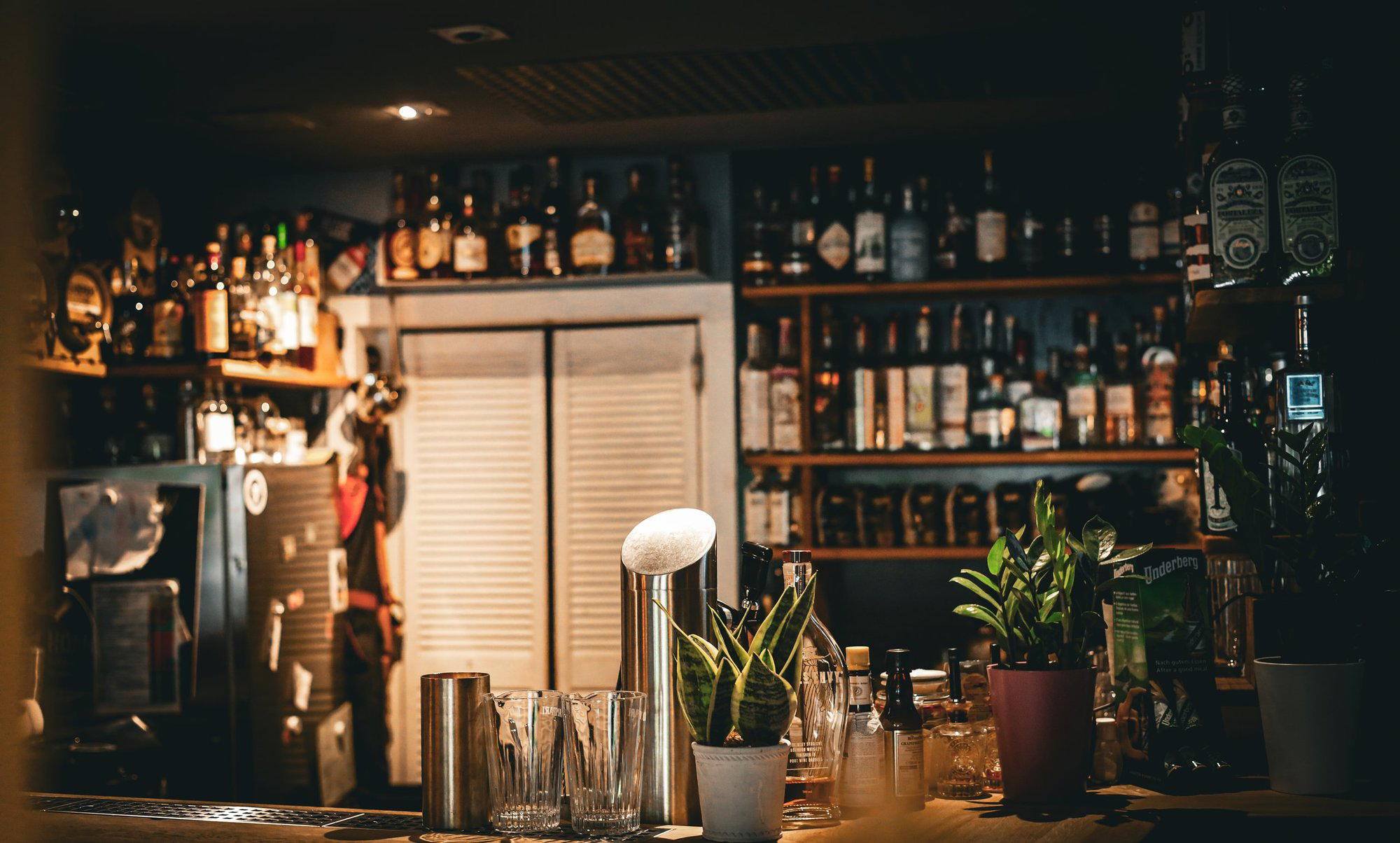
Bars in Lauf an der Pegnitz
Browse all →
Hotels in Lauf an der Pegnitz
Browse all →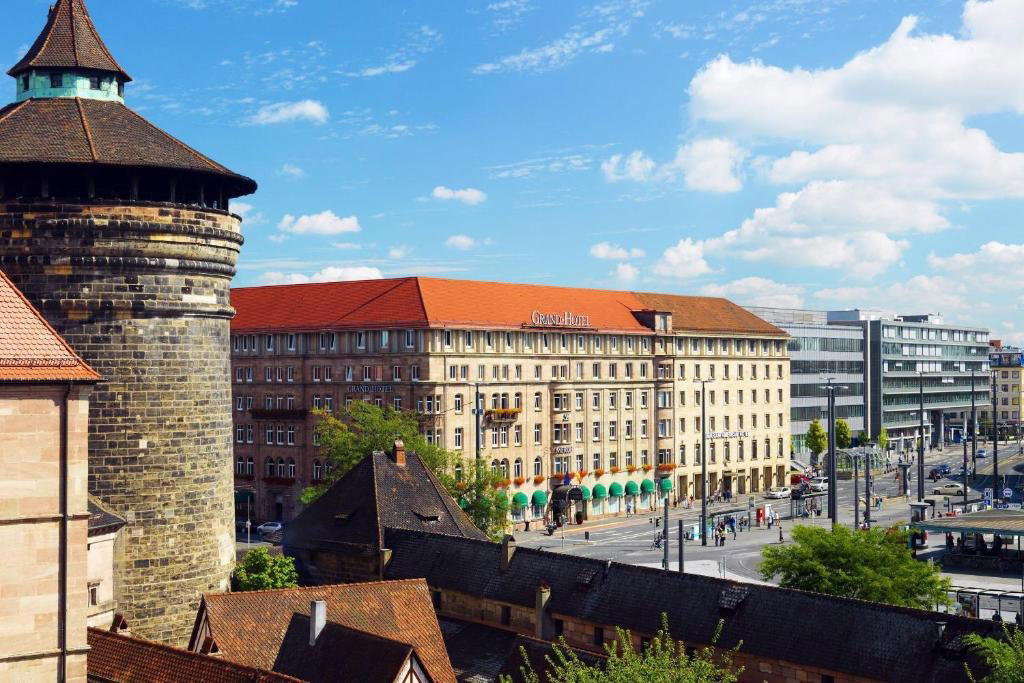
Details
- Rustic
- Cozy
- Scenic
- Group Dining
- Family
- Terrace
- Garden
- A La Carte
- Vegetarian Friendly
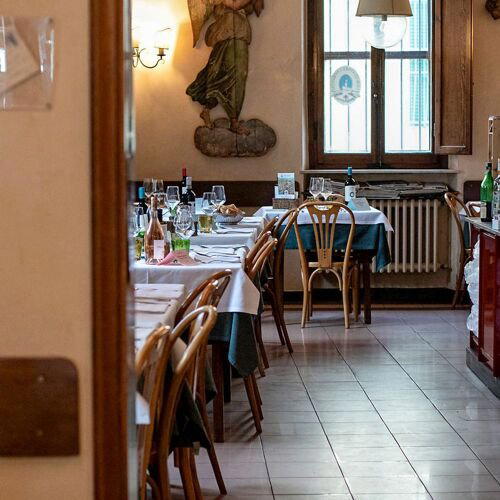
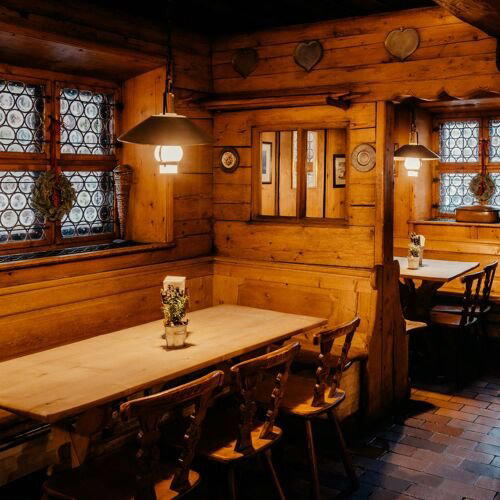
Rustic wooden interior creating a gemütlich atmosphere, with natural light and greenery views from the terrace.