Le Frankenberg

Michelin Plate
Our verdict
A Michelin-starred creative restaurant occupying Schloss Frankenberg, a castle estate in the Franconian wine country village of Weigenheim. Chef Steffen Szabo has held one Michelin star consecutively since 2024, delivering a creative tasting format in a setting that places serious fine dining far outside Germany's usual urban circuit. deliberate operation.

Pearl is the En Primeur Club membership app — saves, bookings, and concierge access live there. Same editors, same standards.
- Address
- Schloss Frankenberg 1, 97215 Weigenheim, Germany
- Phone
- +49 9339 9714571
- Hours
- Mon–Wed ClosedThu–Fri 6–10 PMSat 12–4 PM, 6–10 PMSun Closed
- Website
- schloss-frankenberg.de
- Directions
- Get directions
- Booking
- Book on OpenTable
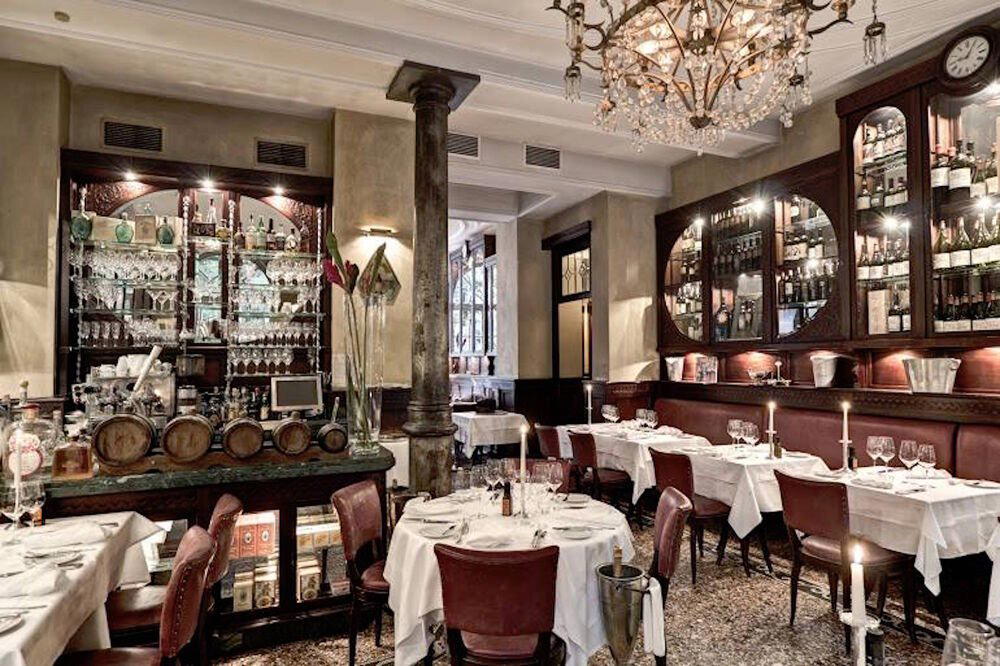
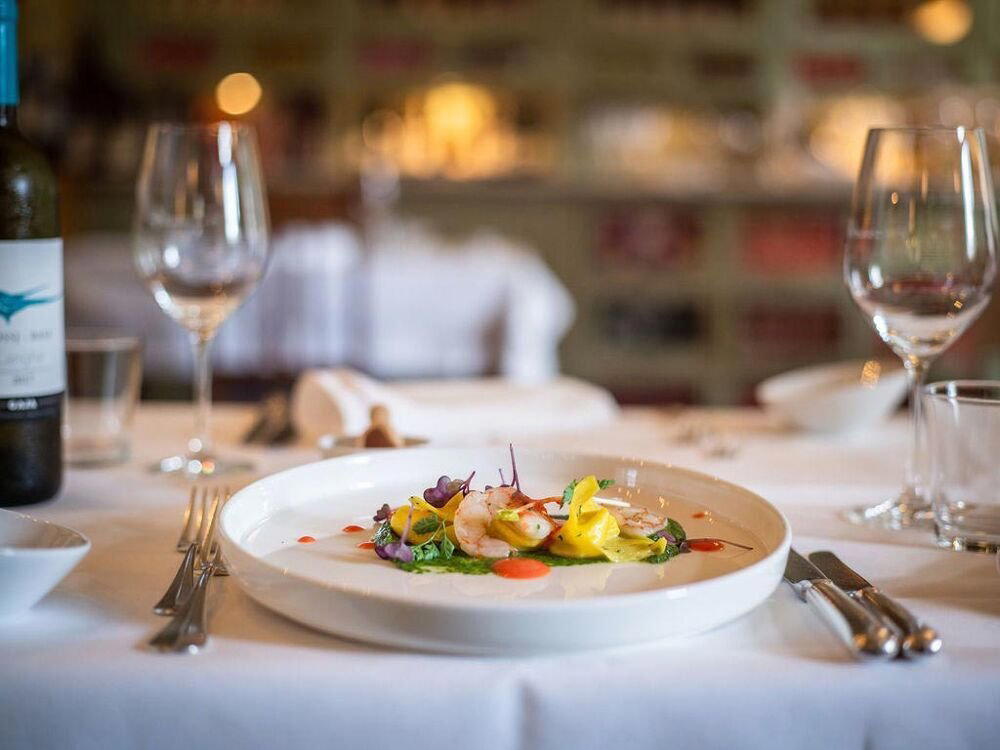
The menu
What to order
- Char with pumpkin purée and roasted seeds
- Hamachi
- Wagyu
- Karthäuser Kloß
A Castle Setting in Franconian Wine Country
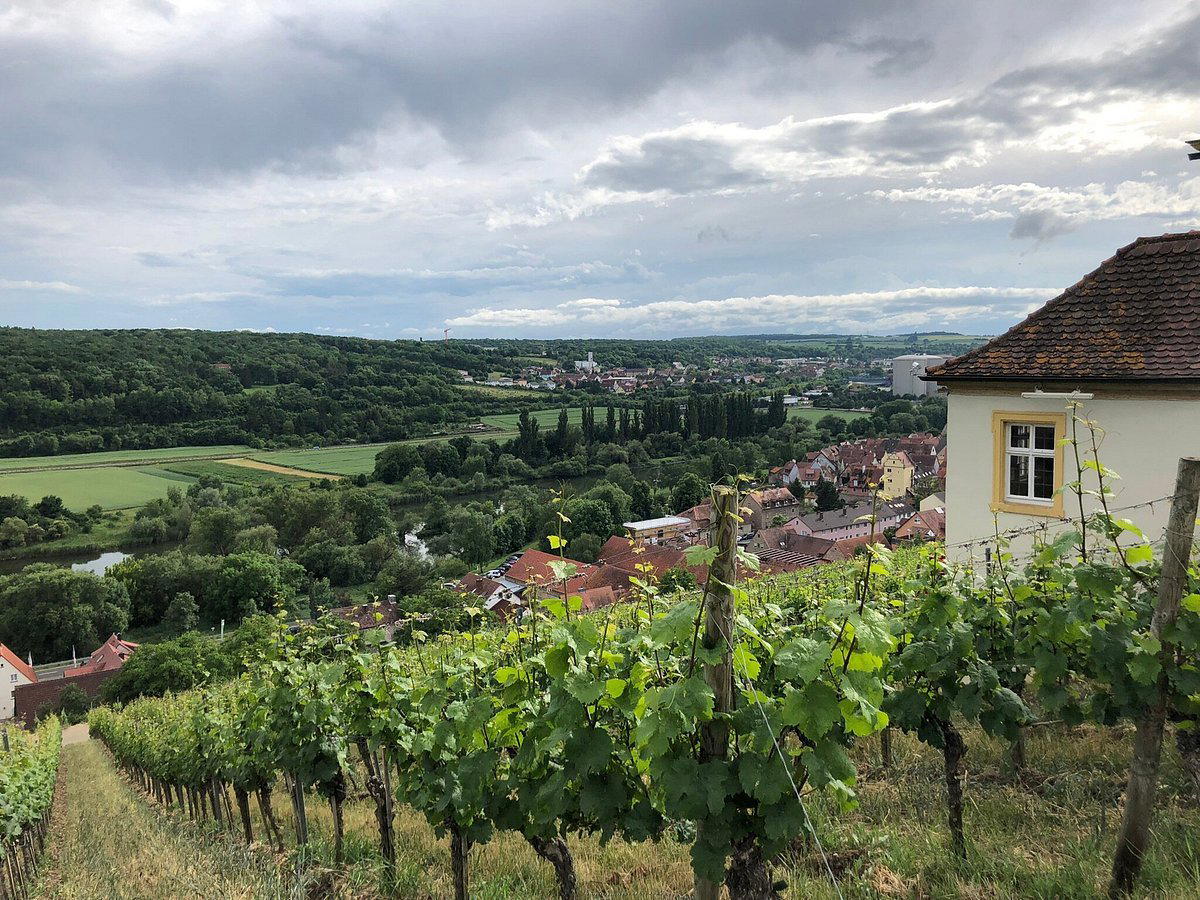
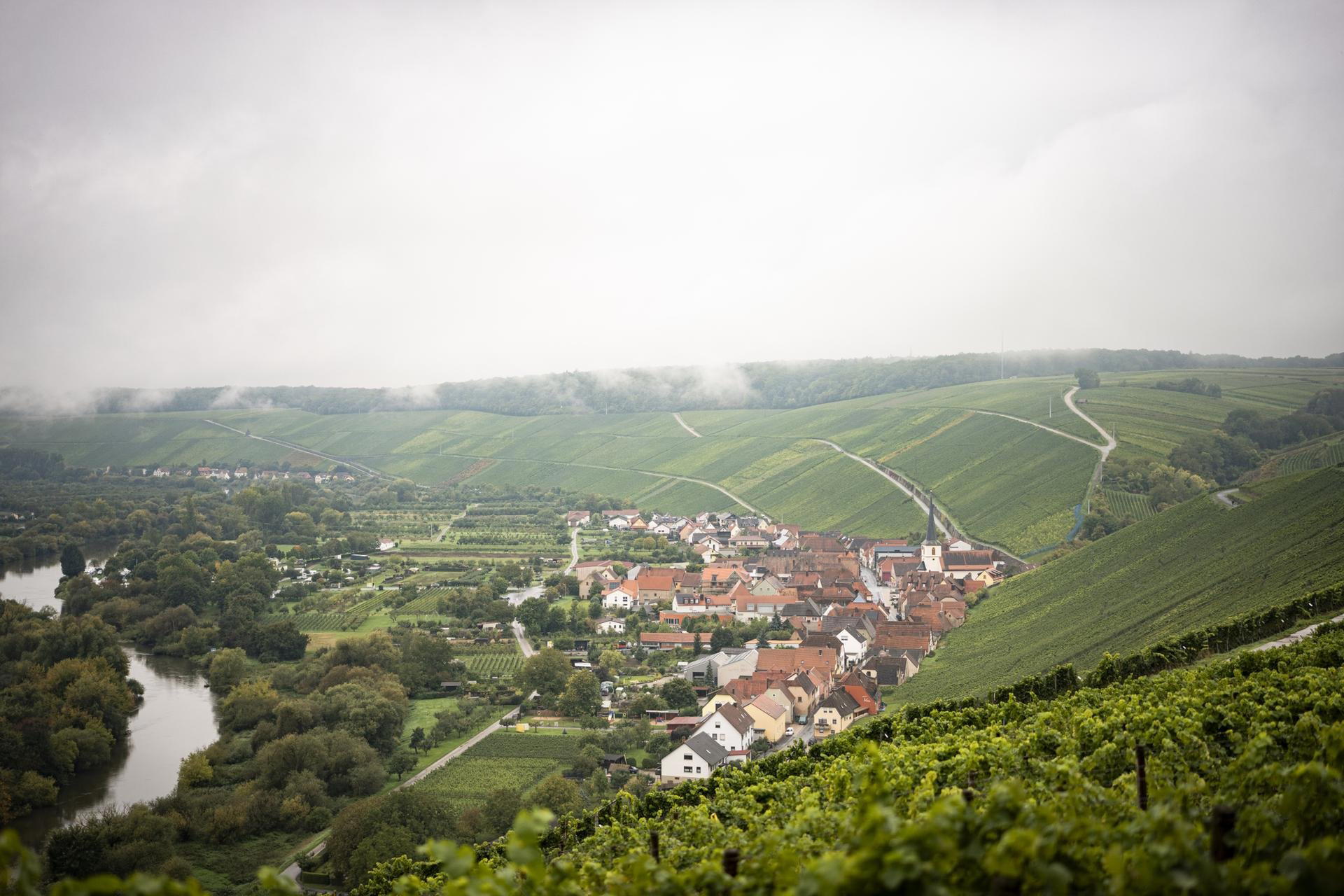
Germany's Michelin-starred dining tends to cluster in predictable corridors: the Black Forest, Hamburg's harbour district, Munich's inner city, the Moselle Valley. Weigenheim sits outside all of them. A small village in Lower Franconia, roughly between Würzburg and Ansbach, it is the kind of place that appears on German wine maps before it appears on restaurant maps. The fact that a consecutively Michelin-starred kitchen operates here, inside a castle estate at Schloss Frankenberg 1, says something about how Germany's creative fine dining tier has evolved: serious cooking no longer requires a major city address, and in some cases the contrast between setting and culinary ambition is itself part of what makes a restaurant worth the detour. For a broader look at what Weigenheim offers beyond this address, see our full Weigenheim restaurants guide.
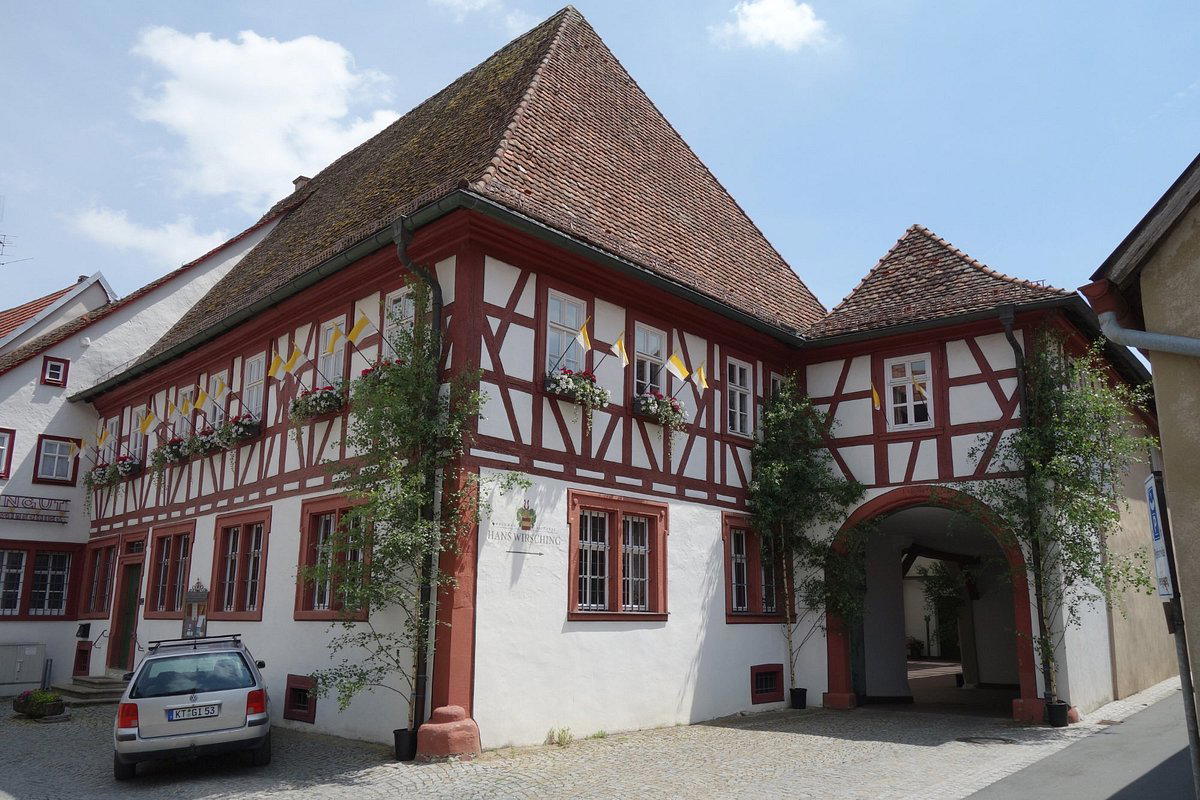
Approaching the property, the castle frame does what castle frames reliably do in rural Germany: it signals that the meal is an event, not a neighbourhood dinner. That physical distance from urban convenience also acts as a filter. The guests who make the drive to Weigenheim have already committed. There is no casual walk-in culture at a venue like this, and the experience is calibrated accordingly.
Creative Cooking in a Rural Fine Dining Context
Le Frankenberg works within the creative cuisine category, a designation that, in the Michelin framework, covers kitchens where the chef's authorship and technical range define the menu rather than adherence to a regional or national tradition. Within Germany, that creative tier includes addresses like CODA Dessert Dining in Berlin, which reframes the dessert format as a full tasting experience, and Aqua in Wolfsburg, which layers contemporary German, Italian, and Japanese reference points into a three-Michelin-star programme. Le Frankenberg operates at the one-star level within that creative designation, which positions it as a kitchen with clear individual voice and consistent technical execution, without the full apparatus of a multi-star operation.
Chef Steffen Szabo holds that star. What the creative label signals, in practical terms, is that the menu here does not default to Franconian wine-country cooking or classical German haute cuisine. The kitchen works from a broader reference frame, shaped by Szabo's own training and culinary orientation. In Germany's fine dining circuit, the comparison set for this kind of single-star creative programme would include kitchens like JAN in Munich, a restaurant that similarly uses international training as the foundation for a personal menu approach. The price bracket at Le Frankenberg sits at €€€€, which aligns it with Germany's top tier of tasting-menu restaurants rather than with mid-range contemporary dining.
The Chef's Formation and What It Produces
The editorial angle on Le Frankenberg runs through Szabo's culinary formation, though the more instructive point is what that formation represents in the broader context of how Germany's starred creative kitchens develop. A generation of German chefs has built careers through international stages and training, absorbing French classical technique, Nordic ingredient philosophy, Japanese precision, and other currents, then returning to German addresses to open menus that carry that cross-cultural formation. The result is a creative fine dining tier in Germany that is increasingly hard to pin to a single national tradition, which is precisely what the Michelin creative designation is designed to capture.
Szabo's kitchen at Schloss Frankenberg fits that pattern. The castle address in Lower Franconia does not constrain the menu to regional cooking. Instead, the setting provides a context, a sense of occasion and remove from urban distraction, while the kitchen operates on its own terms. That combination, a historically resonant space and a chef-driven creative programme, is a format that works particularly well in Germany, where castle and manor-house restaurant settings carry a cultural weight that urban dining rooms rarely replicate. For comparison, the Moselle Valley's Waldhotel Sonnora in Dreis and Schanz in Piesport both demonstrate how non-urban settings in Germany can anchor serious fine dining with a sense of place that urban rooms struggle to manufacture.
Consecutive Star Recognition and What It Signals
Le Frankenberg has held one Michelin star in both 2024 and 2025. Consecutive recognition at this level is worth reading carefully. A first Michelin star can sometimes reflect a kitchen catching the inspectors in a strong year; a retained star is a statement about consistency. The Michelin model rewards reliability: the same standard of cooking, service quality, and overall experience across visits from different inspectors at different times of the year. For a kitchen in a rural castle setting, maintaining that standard across two consecutive guides is a signal that the operation has stabilized around a repeatable model, not just a strong opening run.
A 4.8 in that context is a credible early signal, though the low volume means a single dissatisfied visit would shift the number noticeably. The Michelin star is the more durable trust signal here.
Germany's creative fine dining tier contains a number of strong reference points at the one-star level and above. Restaurant Haerlin in Hamburg, Vendôme in Bergisch Gladbach, and ES:SENZ in Grassau each occupy different positions within the country's broader fine dining map. Le Frankenberg's rural Franconian address places it in a distinct sub-category within that map, one defined by destination commitment rather than urban convenience. For those who travel specifically for the creative tasting format, the comparison extends internationally: Alléno Paris au Pavillon Ledoyen and Enrico Bartolini in Milan represent the creative designation at higher star levels and in major urban settings, useful reference points for understanding where Le Frankenberg sits in the European fine dining hierarchy.
Planning the Visit
Weigenheim is a destination commitment. The village does not have a major rail connection, and guests coming from outside the region will most likely arrive by car, with Würzburg or Ansbach as the nearest reference cities. For those building a longer stay around the meal, Franconia's wine country offers a reasonable reason to extend: the region produces Silvaner and Müller-Thurgau in a style distinct from other German wine areas, and accommodation options in the broader area are covered in our full Weigenheim hotels guide. Drinking contexts beyond the table are mapped in our full Weigenheim bars guide, the local wine production scene in our full Weigenheim wineries guide, and broader activities in our full Weigenheim experiences guide.
At the €€€€ price point, Le Frankenberg sits at the top of Germany's restaurant pricing tier, consistent with what a starred tasting-menu kitchen at a castle property commands. Booking in advance is the practical expectation for any one-star restaurant operating with a likely limited seat count in a rural setting; the operation's scale and format make last-minute access improbable. Those planning a wider Franconian or southern German itinerary can use Victor's Fine Dining by Christian Bau in Perl and Bagatelle in Trier as further reference points for the region's starred dining circuit, and Schwarzwaldstube in Baiersbronn for the Black Forest comparison.
Frequently asked questions
What should I budget for a meal at Le Frankenberg?
Pricing at Le Frankenberg is listed as €€€€.
What's Le Frankenberg's location?
Le Frankenberg is located at Schloss Frankenberg 1, 97215 Weigenheim, Germany, Weigenheim.
Quick Comparison
| Venue | Cuisine | Price | Awards |
|---|---|---|---|
| Le FrankenbergThis venue — the venue you are viewing | French-Franconian Fine Dining | $150–200 | Michelin Plate |
| Schwarzwaldstube | French, Classic French | Not listed | Michelin 3 Star |
| Aqua | Contemporary German, Italian/Japanese, Creative | Not listed | Michelin 3 Star |
| CODA Dessert Dining | Creative | Not listed | Michelin 2 Star |
| Tantris | Modern French, French Contemporary | Not listed | Michelin 2 Star |
| Vendôme | Modern European, Creative | Not listed | Michelin 2 Star |
Recognition history
Dated appearances from independent guides and award organizations, with the underlying list record or original source where available.
Michelin Plate
Michelin · 2026 Michelin Plate
Full recognition history (3 entries)
Michelin 1 Star
Michelin
Michelin 1 Star
Michelin
Continue exploring
More in Weigenheim
Restaurants in Weigenheim
Browse all →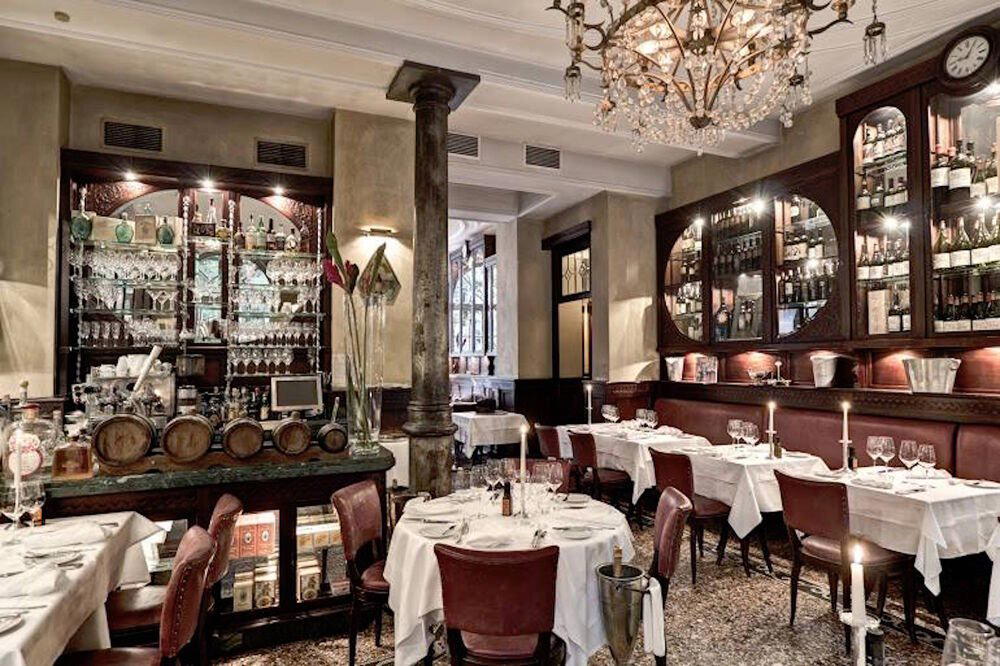
Bars in Weigenheim
Browse all →
Hotels in Weigenheim
Browse all →

Details
- Elegant
- Romantic
- Sophisticated
- Historic
- Special Occasion
- Celebration
- Date Night
- Historic Building
- Private Dining
- Terrace
- Panoramic View
- Wine Cellar
- Sommelier Led
- Local Sourcing
- Farm To Table
- Vineyard
- Garden
- Tasting Menu
- Set Menu
- Wine
- Vegetarian Friendly
Current opening hours
- Monday
- Closed
- Tuesday
- Closed
- Wednesday
- Closed
- Thursday
- 6–10 PM
- Friday
- 6–10 PM
- Saturday
- 12–4 PM, 6–10 PM
- Sunday
- Closed
Hours can change for holidays and private events. Last verified .
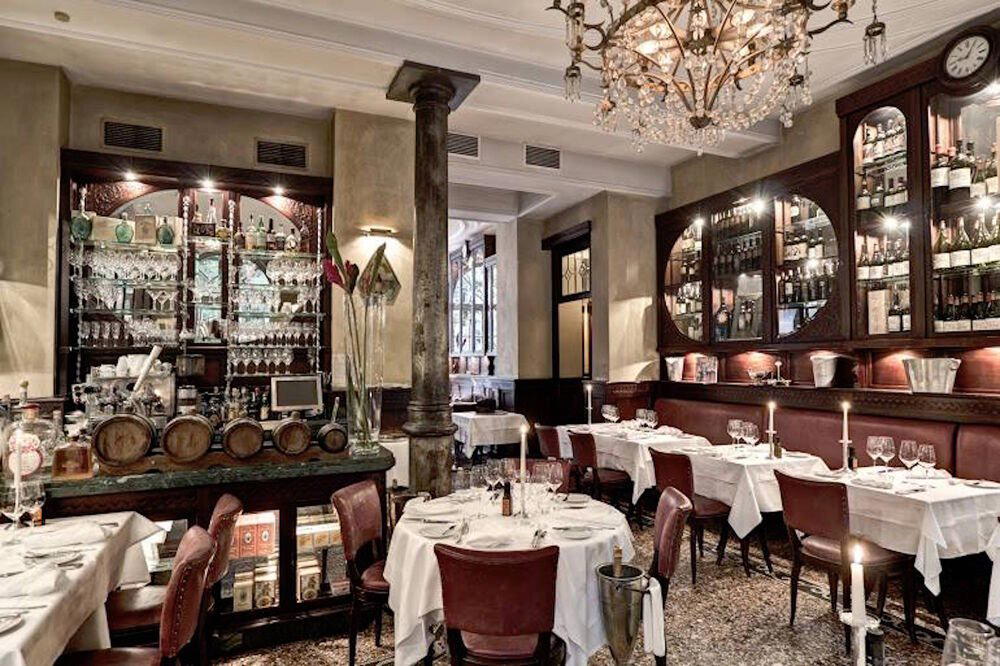
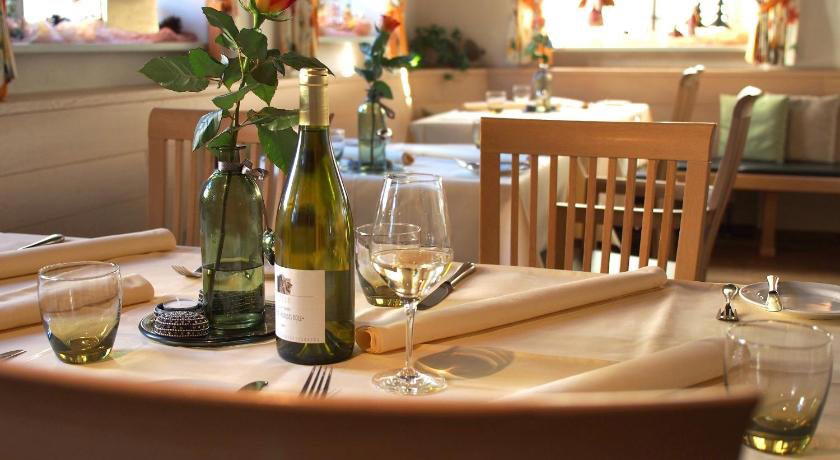
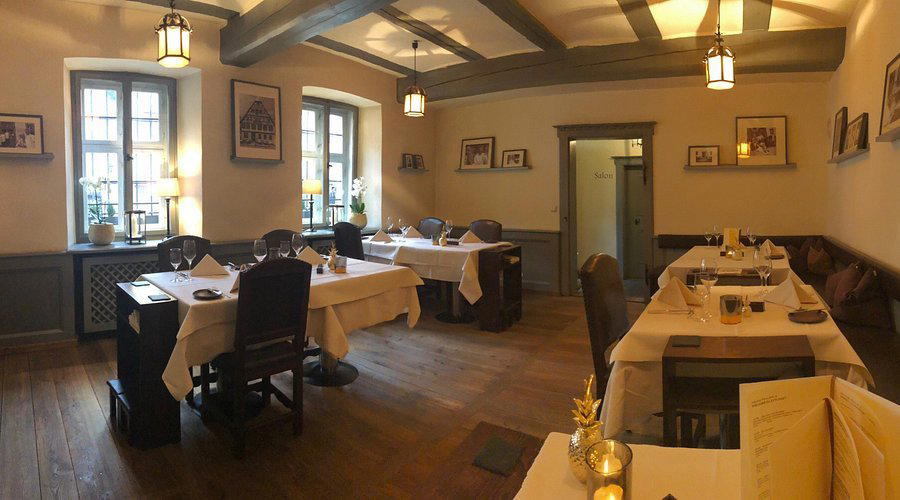
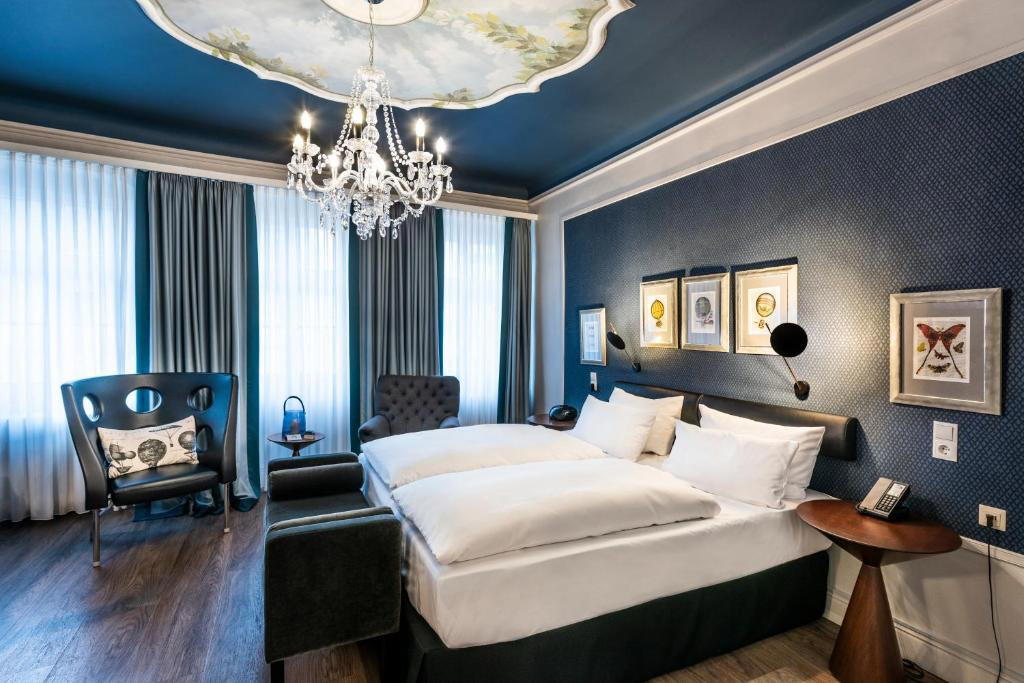
Stylish and elegant interior exuding historical charm, with beautifully renovated rooms and serene courtyard settings that blend classic elegance with contemporary design.