Rosel Reštaurácia a Penzión
Rosel Reštaurácia a Penzión occupies a quiet residential address on Wolkerova street in Nové Zámky, a town in southwestern Slovakia where Hungarian culinary influence meets Central European kitchen tradition. As both a restaurant and guesthouse, it serves a dual function that is common in smaller Slovak towns: a place to eat well and sleep without driving to the nearest city.
Pearl is the En Primeur Club membership app — saves, bookings, and concierge access live there. Same editors, same standards.
- Address
- Wolkerova 2305/21, Pri Bani, 940 02 Nové Zámky, Slovakia
- Phone
- +421910951234
- Website
- penzionrosel.sk
- Directions
- Get directions
 Saves & bookings on Pearl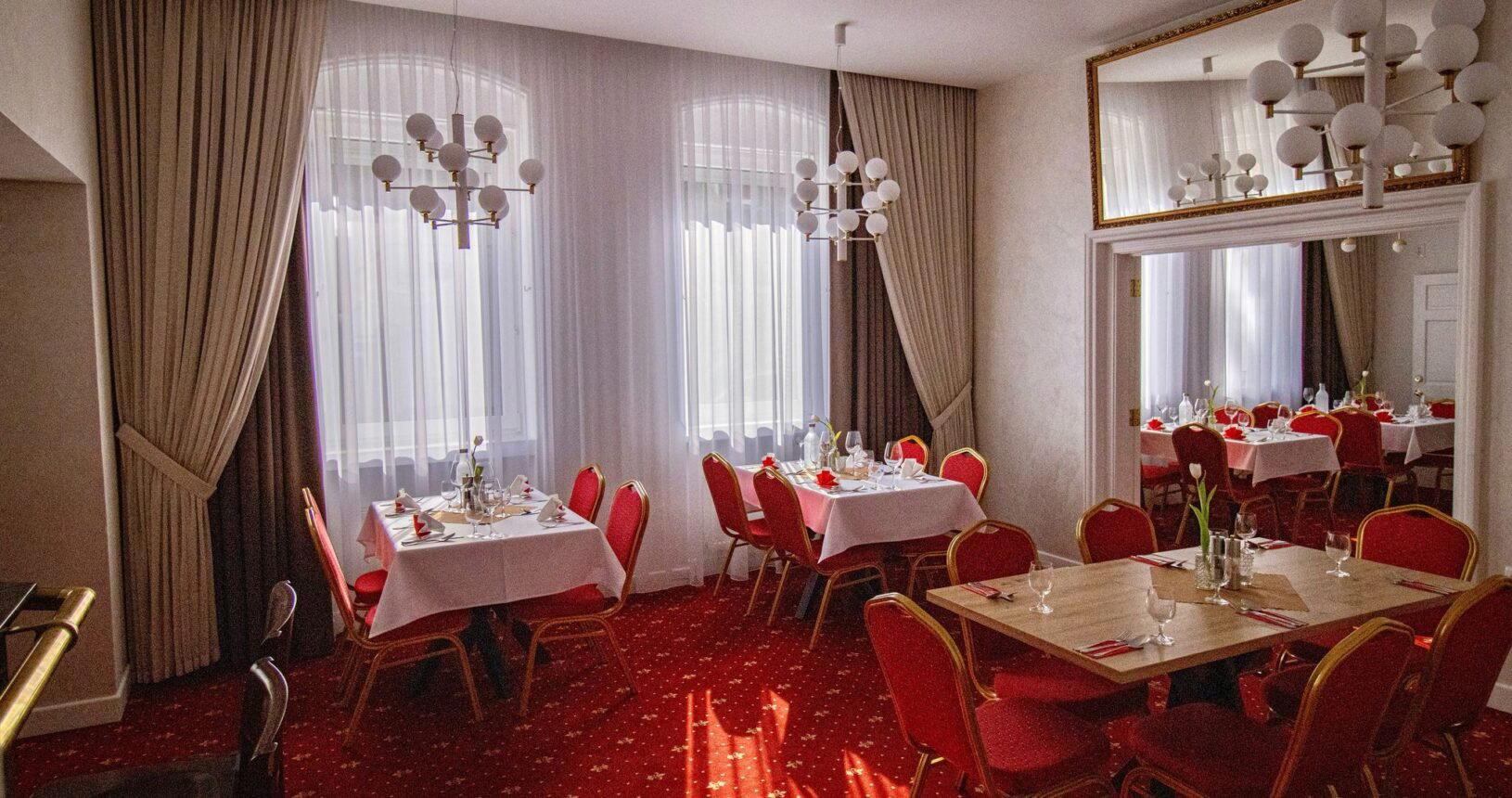
Southwestern Slovakia at the Table: What Nové Zámky Signals About Where You Are
The food culture of southwestern Slovakia is shaped less by alpine tradition than by the flat, agricultural Danubian lowlands stretching toward the Hungarian border. Nové Zámky sits squarely in that zone, a mid-sized town roughly equidistant between Bratislava and Budapest, where the soil produces grain, sunflowers, and paprika, and where the kitchen has historically drawn as much from Magyar cooking as from Slovak. Restaurants in this part of the country tend to read that duality plainly: slow-cooked meats, freshwater fish from the Váh and Nitra rivers, pickled vegetables, and paprika-forward stews that would not look out of place across the border. Rosel Reštaurácia a Penzión, on Wolkerova street in the Pri Bani district, is a restaurant in Nové Zámky serving Modern European Fine Dining at a price tier around $45 per person.
The Format: Restaurant and Guesthouse as a Single Institution
The penzión model, combining overnight accommodation with an attached dining room, is one of the more pragmatic formats in Central European hospitality. It emerged as a response to geography: in towns where hotel infrastructure is thin and distances between places worth visiting are long, the combination allows a traveller to eat a proper dinner without returning to a highway chain. In Slovakia, the format is well-established and functions at its leading when the kitchen treats its resident guests as the primary audience rather than an afterthought. That orientation tends to produce cooking that is consistent rather than theatrical, calibrated for repeat exposure over several days rather than a single impression. The restaurant component at Rosel occupies the ground-floor space on Wolkerova, a residential street that places the venue away from the commercial centre of Nové Zámky, which signals a local rather than tourist-facing clientele. That context suggests a kitchen likely to prioritise reliability and consistency.
Ingredient Geography: What the Lowlands Provide
The angle on a restaurant in this part of Slovakia is one of provenance. The southwestern lowlands are among the more agriculturally productive zones in the country. The Nitra region, in which Nové Zámky is located, supplies a significant share of Slovakia's domestic grain, vegetable, and livestock output. Freshwater fish from the river systems running through this zone, carp in particular, have been a regional kitchen staple for centuries, appearing in preparations ranging from simple pan-frying to longer braises. Pork, in various cured and fresh forms, functions as the structural protein of the lowland diet. Seasonal vegetables, particularly root vegetables and brassicas in autumn and winter, feature heavily in the cooking that defines smaller towns like this one. Restaurants in this geography often source through nearby farms and market vendors, which keeps the ingredient cycle short.
For comparison, other Slovak venues such as Wild Kitchen Modra in Modra or Fatrabeef in Lubochna operate on a similarly regional logic. Closer to the koliba tradition of mountain cooking, venues like Koliba Patria in Štrbské Pleso and KOLIBA na Vršku in Bytča show how the rural format scales in regions with stronger tourism infrastructure. In Nové Zámky, the dynamic is tied to local demand rather than visitor volume.
Placing Rosel in Its Regional comparable set
Within the Slovak dining landscape, the restaurant-penzión category occupies a middle tier between highway stops and destination restaurants with regional recognition. Venues like Hotel and Restaurant Gino Park Palace in Považská Bystrica and Hotel and Restaurant Drak in Liptovský Mikuláš operate in structurally similar formats, where the restaurant serves both overnight guests and a walk-in local trade. That dual service model produces a particular kind of kitchen discipline: the menu tends to be short, the cooking honest, and the pricing accessible relative to urban restaurants. The contrast with purely urban formats, say Allora Fresh Pasta in Nitra or Cafe Sissi in Trenčín, is one of register: town-centre restaurants in Slovak regional cities tend toward more defined identities and somewhat higher price positioning, while the penzión restaurant remains anchored in functional hospitality. Further afield in Slovakia, Focus Restaurant in Žilina and Afrodita in Čereňany illustrate how the mid-tier restaurant format adapts across different Slovak sub-regions. For international reference points, the distance from Nové Zámky to a three-Michelin-star kitchen like Le Bernardin in New York City or a destination tasting counter like Atomix is not merely geographic; it represents a different set of priorities entirely, where ingredient provenance is a marketing proposition rather than an organic outcome of place.
Planning a Visit: What to Know Before You Go
Nové Zámky is accessible by rail from Bratislava, with journey times of approximately one hour on direct connections, making it reachable as a day trip or a logical overnight stop for travellers moving between the Slovak capital and the eastern part of the country. Rosel's address on Wolkerova, in the residential Pri Bani district, places it a short drive or taxi ride from the main train station. Because the venue operates as both a restaurant and guesthouse, the practical sequencing for a visit is direct: confirm availability by phone or in person before arriving, particularly if you intend to stay overnight. Direct contact is the practical way to confirm availability. Visitors exploring the region's dining options beyond Nové Zámky might consider the Slovak-cuisine offering at Holotéch víška in Košariská, the historic setting at Kaštieľ Čičmany in Čičmany, or, for a sharper contrast, the Sicilian-inflected menu at Don Saro Cucina Siciliana in Bratislava. Broader Slovak dining traditions are also represented in the east of the country at venues such as Bulli Kebab in Košice and Klára v GOYA vitality hotel in Voderady.
Fast Comparison
Comparable venues nearby, for context on price, style, and recognition.
| Venue | Cuisine | Price | Notes |
|---|---|---|---|
| Rosel Reštaurácia a PenziónThis venue — the venue you are viewing | Modern European Fine Dining | $$$ | Not listed |
| Reštaurácia FŐNIX | Slovak Seasonal Cuisine | $$$ | Pevnosť |
| TERRA Jasová | Slovak Farm-to-Table | $$ | Jasova |
| Reštaurácia Sissi | Austro-Hungarian with Local Slovak Influences | $$$ | Tatranská Lomnica |
| Holotéch víška | Traditional Slovak Regional | $$ | Košariská |
| Clock Block | Slovak Pub with Craft Beer | $$ | Petržalka |
Continue exploring
More in Nove Zamky
Restaurants in Nove Zamky
Browse all →
Bars in Nove Zamky
Browse all →
Hotels in Nove Zamky
Browse all →

At a Glance
- Elegant
- Romantic
- Sophisticated
- Date Night
- Special Occasion
- Celebration
- Garden
- Terrace
- Hotel Restaurant
- Local Sourcing
- Garden
Current opening hours
- Monday
- Closed
- Tuesday
- 9 AM–9 PM
- Wednesday
- 11 AM–9 PM
- Thursday
- 11 AM–9 PM
- Friday
- 11 AM–9 PM
- Saturday
- 11 AM–9 PM
- Sunday
- 11 AM–3:30 PM
Hours can change for holidays and private events. Last verified .
Intimate and refined atmosphere with access to garden and terrace spaces, creating an elegant yet relaxed dining environment.