Clock Block
Clock Block sits in Bratislava's Petržalka district, a neighbourhood that has historically been underrepresented in the city's dining conversation. With limited publicly available details, the venue draws interest precisely because it operates outside the well-mapped Old Town circuit, placing it in a tier of addresses that reward those willing to look beyond the centre.
Pearl is the En Primeur Club membership app — saves, bookings, and concierge access live there. Same editors, same standards.
- Address
- Zadunajská cesta 12, 851 01 Petržalka, Slovakia
- Phone
- +421911101110
- Website
- clockblock.sk
- Directions
- Get directions
 Saves & bookings on Pearl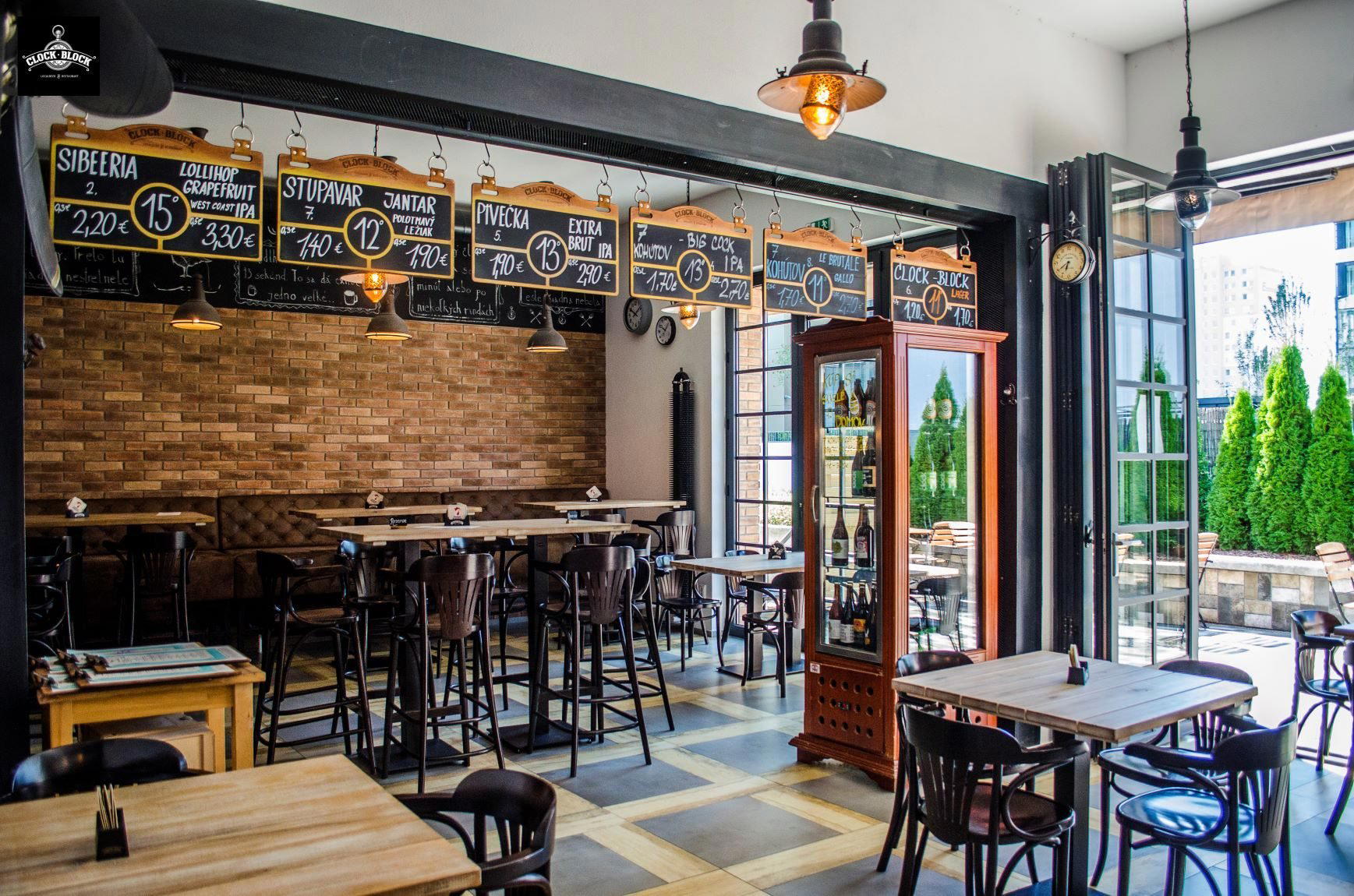
Petržalka and the Dining Geography of Bratislava
Bratislava's restaurant scene has long been weighted toward the Old Town, where tourist footfall and central real estate have concentrated the majority of reviewed and awarded addresses. Petržalka, the dense residential district on the southern bank of the Danube, developed largely as a Soviet-era housing project and has only recently begun to attract the kind of independent hospitality operators that shift a neighbourhood's culinary character. Clock Block, addressed at Zadunajská cesta 12 in the 851 01 postal district, sits within that quieter geography, a part of the city where the dining culture is shaped more by local residents than by visitors passing through on a weekend city break.
Across Central European capitals, interesting dining developments of the past decade have often emerged not in the historic centres, already saturated with wine bars and terrace restaurants aimed at international visitors, but in residential districts where operators have lower overheads, longer-term neighbourhood relationships, and less pressure to perform for a transient audience. Bratislava follows this pattern: addresses like Ako doma and Al Faro have built reputations by serving specific local communities rather than optimising for first-time visitors. Clock Block's Petržalka address places it in a similar category of venues that function as neighbourhood fixtures rather than destination restaurants.
Sustainability as a Framework, Not a Feature
In Central European dining, sustainability has moved from a marketing category to a structural question. Particularly compelling operations in the region are those where environmental consciousness is embedded in sourcing, format, and waste reduction rather than announced as a selling point. Slovakia's agricultural geography, proximity to the Small Carpathians, the Danube lowlands, and established farming communities across the western regions, gives Bratislava's operators genuine access to short-supply-chain ingredients in a way that cities further from productive agricultural land do not always enjoy.
Restaurants operating in residential districts like Petržalka often have a structural advantage in this area: lower volumes, tighter menus, and community-facing formats tend to reduce waste more effectively than high-turnover tourist-oriented operations. This is not specific to Clock Block, it is a pattern visible across neighbourhood dining rooms in Vienna's outer districts, Prague's Žižkov quarter, and Budapest's seventh district, where smaller operators have built environmentally coherent programmes precisely because they were never structured around high-volume throughput. Slovakia's wider dining circuit includes addresses like Gašperov Mlyn in Batizovce and ARTE in Svätý Jur, both of which have developed sourcing relationships with their immediate agricultural surroundings. Urban operators in Bratislava increasingly look to those regional models as a reference point.
Reading the Petržalka Context
Bratislava's hospitality offer divides broadly into three tiers: the Old Town concentration of wine bars, Slovak modern cuisine restaurants, and international concepts; a mid-ring layer of neighbourhood addresses in areas like Staré Mesto's residential fringes; and a third, less-mapped tier in outer districts including Petržalka, Dúbravka, and Rača. The restaurant occupies that third tier, which means it operates in a competitive set defined less by awards and critic coverage and more by repeat custom, word-of-mouth, and local loyalty.
Comparison venues within Bratislava's more documented dining scene, Albrecht Restaurant, Antica Toscana, and APOLKA Restaurant, each carry clearer public profiles and fit within recognisable genre categories. The gap between that documented tier and the less-visible neighbourhood layer is partly a function of critical attention and partly a function of the venues themselves: operators in residential districts often have neither the resource nor the inclination to pursue the kind of press engagement that generates a public record. That opacity is not a signal of quality in either direction, but it does mean that
Slovakia's restaurant scene beyond Bratislava offers useful reference points for understanding what neighbourhood-oriented dining can look like when it matures. Seven Restaurant Café by Villa Sandy in Košice, Origin in Lučenec, and Bakoš Bistro in Košice each demonstrate how operators outside the capital have built defined programmes without the structural advantages of Bratislava's visitor economy. Allora Fresh Pasta in Nitra and Cafe Sissi in Trenčín show a similar pattern in smaller cities, where a tight concept and consistent execution sustain a loyal customer base without dependence on passing trade. The restaurant's Petržalka location puts it in a similar structural position within Bratislava itself.
Getting There and Planning Your Visit
Petržalka is connected to central Bratislava via tram from the city centre, with the district's main arteries running south from the Nový Most bridge. Zadunajská cesta, where the restaurant is addressed, sits within the residential core of Petržalka rather than on the district's commercial edge. Visitors arriving from the Old Town should allow additional time compared with central addresses. The restaurant is recommended for reservations and follows casual dress.
For context on what Bratislava's more established neighbourhood addresses look like in practice, Afrodita in Cerenany, Alej Bojnice in Bojnice, and Dublin Cafe in the Prešov District each illustrate how regional Slovak operators structure their programmes outside the capital's framework. Further afield, format comparisons with internationally documented addresses like Le Bernardin in New York City or Lazy Bear in San Francisco underline how different the structural logic of neighbourhood dining is from destination-format restaurants, where the entire model is built around the journey rather than proximity.
Compact Comparison
Comparable venues nearby, for context on price, style, and recognition.
| Venue | Cuisine | Price | Notes |
|---|---|---|---|
| Clock BlockThis venue — the venue you are viewing | Petržalka, Slovak Pub with Craft Beer | $$ | Not listed |
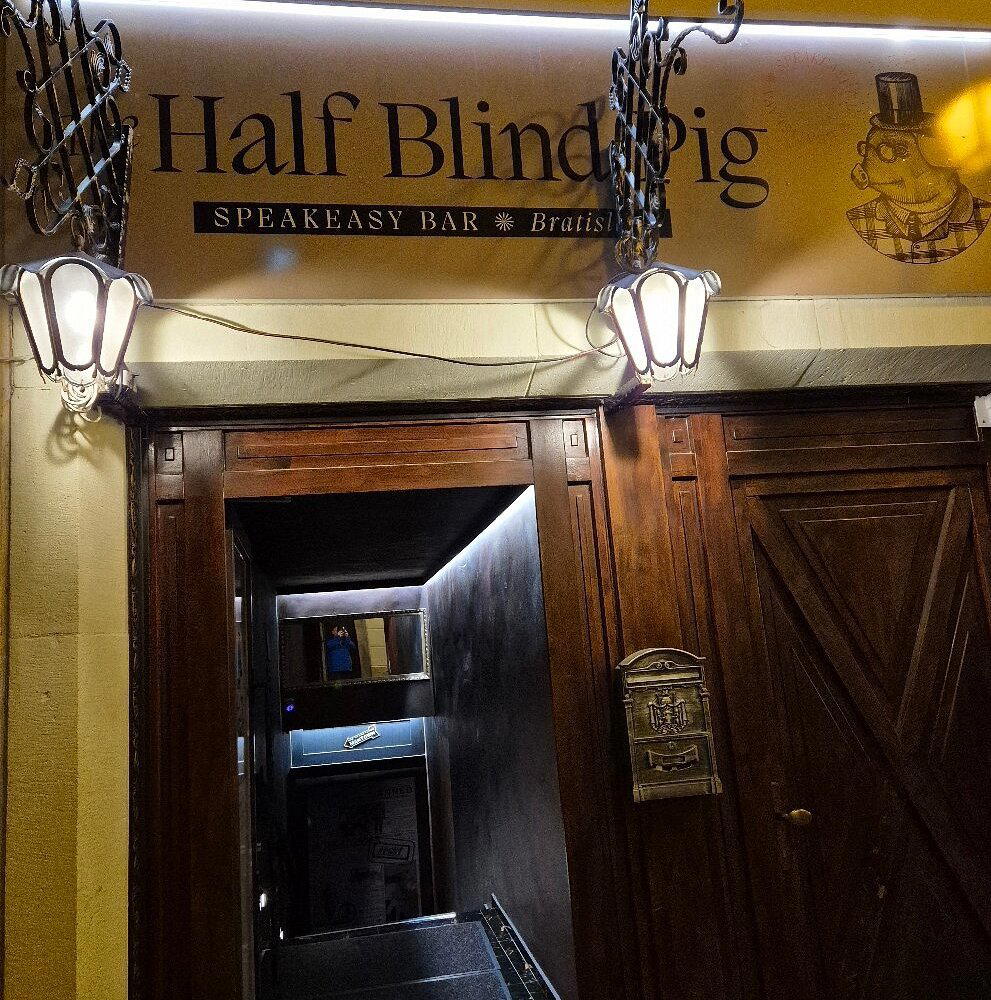
| The Half Blind Pig | Staré Mesto, Cocktail Bar | $$ | Not listed |
| Leberfinger | Not listed | $$ | Petržalka, Traditional Slovak Pressburg Cuisine |
| Meštiansky pivovar | Not listed | $$ | Staré Mesto, Traditional Slovak Brewery Gastropub |
| PaB Donau | Staré Mesto, Modern Austro-Hungarian | $$ | Not listed |
| Dolnozemská | Staré Mesto, Modern Dolnozemski Slovak | $$ | Not listed |
Continue exploring
More in Bratislava
Restaurants in Bratislava
Browse all →
Bars in Bratislava
Browse all →
Hotels in Bratislava
Browse all →
At a Glance
- Lively
- Cozy
- Casual Hangout
- Group Dining
- Open Kitchen
- Beer Program
- Local Sourcing
Current opening hours
- Monday
- Closed
- Tuesday
- 3–10 PM
- Wednesday
- 3–11 PM
- Thursday
- 3–11 PM
- Friday
- 3 PM–12 AM
- Saturday
- 3 PM–12 AM
- Sunday
- 3–10 PM
Hours can change for holidays and private events. Last verified .
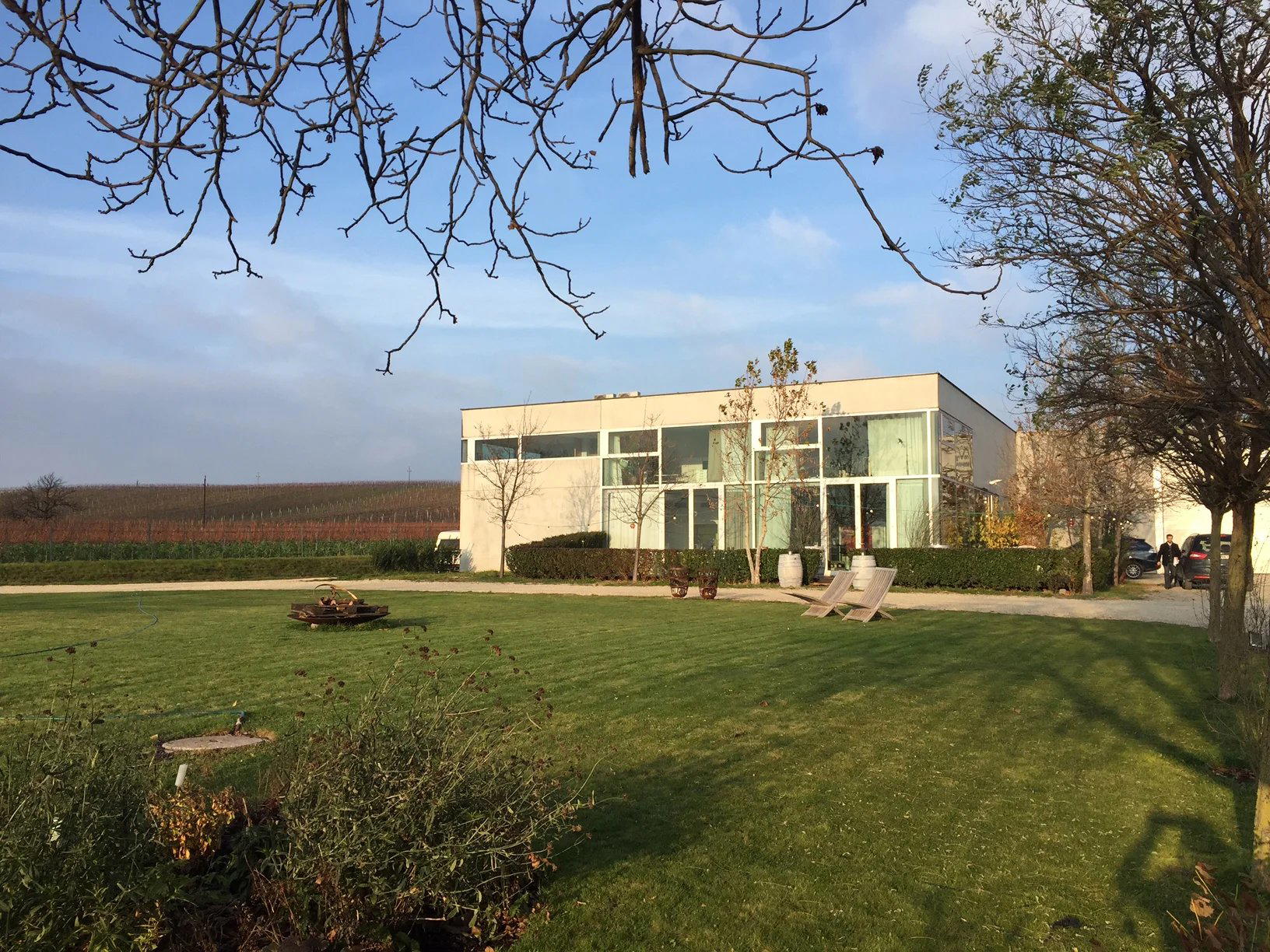
Appealing pub atmosphere with indoor and outdoor seating, well-suited for beer lovers and casual dining.