Szöllősi Pincészet is a Neszmély winery. The winery operates in a region where Olaszrizling and Tramini have defined local identity for decades, and its Prestige-level recognition places it among the more carefully considered producers in the area.
Pearl is the En Primeur Club membership app — saves, bookings, and concierge access live there. Same editors, same standards.
- Address
- Neszmély, Kásáshegyalja utca 6, 2544
- Phone
- +36 34 451 254
- Website
- szollosipinceszet.hu
- Directions
- Get directions
 Saves & bookings on Pearl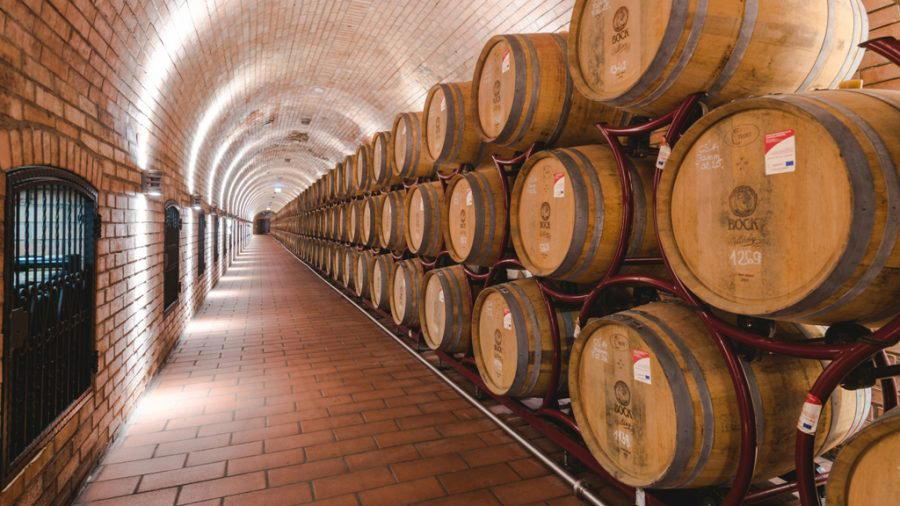
Neszmély and the Quiet Ambition of Hungary's Northwest
The Neszmély wine region sits on the right bank of the Danube roughly midway between Budapest and Bratislava, and its reputation has been shaped largely by the international success of larger commercial operations, most visibly Hilltop Neszmély Winery, which put the appellation on export shelves across Europe. That commercial visibility can obscure the smaller, more artisan layer of producers working within the same loess and limestone soils. Szöllősi Pincészet, located at Kásáshegyalja utca 6 in the village of Neszmély, belongs to that quieter tier, the kind of producer whose address sits in the hillside vineyard zone rather than an industrial estate, and whose recognition tends to come from specialist award programmes rather than supermarket placements.
The Kásáshegyalja area translates loosely as the "porridge-hill slopes," a name that points to the agricultural history of this stretch of terrain above the Danube. The slopes here face south and southeast, giving extended sun exposure during the growing season while the river moderates temperature extremes. These are conditions that suit aromatic whites, and Neszmély's producers have historically leaned into varieties like Olaszrizling, Tramini, and Sauvignon Blanc, the last of which gained particular traction in the 1990s when Hungarian wine was repositioning itself for international markets.
Within Hungary's structured wine award framework, the Prestige tier indicates wines that have cleared a panel threshold for quality consistency and typicity. A 2-star rating within that tier places the winery above entry-level recognition and within a cohort of producers whose output has been assessed as meriting serious attention. This is the kind of credential that matters in a country where the award architecture has been substantially professionalised over the past two decades, partly as a result of international investment in regions like Tokaj driving overall quality benchmarking upward.
For context, the wineries that have received sustained recognition in Hungary's formal award system tend to cluster in Tokaj, where the combination of historic prestige and significant capital has produced operations with deep institutional credibility. Disznókő in Mezőzombor, Royal Tokaji in Mád, Tokaj Hétszőlő in Tokaj, and Tokaj Oremus in Tolcsva all operate within a framework of considerable resource and international visibility. A Neszmély producer earning Prestige-level recognition is doing so from a different base: a smaller, more local operation without the structural advantages of an internationally funded estate in Hungary's most famous appellation.
This comparison is not a diminishment. It is the point. Award systems in wine tell you something about where quality is being produced without institutional scaffolding. The recognition Szöllősi Pincészet has received in 2025 signals that the winery is producing at a level that holds up against formal scrutiny, and that Neszmély's smaller producers are capable of results that compete with more prominent names in Hungary's wine conversation.
The Philosophy Behind Small-Scale Winemaking in Neszmély
Hungary's wine revival over the past three decades has followed two largely parallel tracks. The first involves the regeneration of historic appellations through foreign capital and winemaker exchange programmes, which transformed Tokaj most dramatically and has since reached into regions like Rátka and Erdőbénye. The second track is quieter: family and small-estate producers who rebuilt vineyards and cellars from the post-communist collective system, often working with inherited knowledge and limited external input.
Neszmély sits in this second track more than the first. The region's commercial profile was shaped by industrial-scale production in the 1990s, but underneath that layer there have always been small growers with their own plots on the better hillside exposures. The model is not dissimilar to what one finds in the Wachau or parts of the Loire: a region with a commercial reputation built on volume, carrying within it a smaller cohort of growers producing at a different scale and with different intentions. Szöllősi Pincészet occupies that position, a cellar on a hillside street rather than a campus winery, working with the specific character of its slopes rather than optimising for export consistency.
This approach is what the editorial angle of winemaker philosophy ultimately describes: not a manifesto or a branded narrative, but a set of choices about where to source fruit, how much to intervene in the cellar, and which varieties to treat as primary. In Neszmély, those choices have historically converged around aromatic whites, and the Prestige recognition suggests Szöllősi is making those choices with enough discipline to register at panel level.
Neszmély in the Wider Hungarian Wine Picture
Hungary has twenty-two classified wine regions, and the quality conversation has expanded significantly beyond Tokaj in the past decade. Villány, anchored by producers like Bock Winery, has established itself as a reference point for red wines in the south. Eger, with cellars like Bolyki Winery, continues to develop its identity around Egri Bikavér and its component varieties. Szekszárd, home to Bodri Winery, offers another red-focused reference. Further afield, producers like Babarczi Winery in Győr and Bussay Pince in Csörnyeföld represent the expanding geographic spread of serious Hungarian wine production.
Within that picture, Neszmély's contribution is primarily in aromatic whites, and its elevation relative to those other regions remains modest in terms of critical coverage. That is partly a function of variety: Tokaj's Aszú, Villány's Cabernet Franc, and Eger's Bikavér all offer more dramatically defined narratives for critics to follow than Neszmély's Olaszrizling. But the region's proximity to Budapest, its Danube setting, and its hillside terroir give it a strong case for increased attention as Hungarian wine tourism develops.
For a comparative perspective beyond Hungary, it is worth noting that the production philosophy visible in smaller Neszmély estates, hillside-specific sourcing, variety selection rooted in regional history, cellar restraint over technical correction, shares structural similarities with approaches found in places as distinct as Speyside Scotland or Napa Valley's allocation-model producers: the emphasis is on a specific place and a specific set of decisions rather than on scalable consistency.
Planning a Visit to Szöllősi Pincészet
The winery is located at Kásáshegyalja utca 6 in Neszmély, a village accessible from Budapest in approximately ninety minutes by road, with rail connections via Komárom also available for those travelling without a car. The winery sits in the hillside section of the village rather than the commercial zone, which suggests a cellar-door experience oriented around the producer's own production rather than a wine tourism facility built for volume visitors. Visits are by appointment only.
Price and Positioning
Comparable venues nearby, for context on price, style, and recognition.
| Venue | Cuisine | Price |
|---|---|---|
| Szöllősi PincészetThis venue — the venue you are viewing | Neszmély, olaszrizling, sauvignon blanc | $ |
| Hilltop Neszmély Winery | Neszmély, Chardonnay, Cserszegi fűszeres | $$ |
| Csetvei Pince | Mór, Ezerjó, Kékfrankos | $$ |
| Etyeki Kúria | Etyek, Pinot Noir, Sauvignon Blanc | $$ |
| Figula Winery | Balatonfüred, Olaszrizling, Pinot Gris | $$ |
| Homola Pincészet | Paloznak, Olaszrizling, Kékfrankos | $$ |
Continue exploring
More in Neszmély
Wineries in Neszmély
Browse all →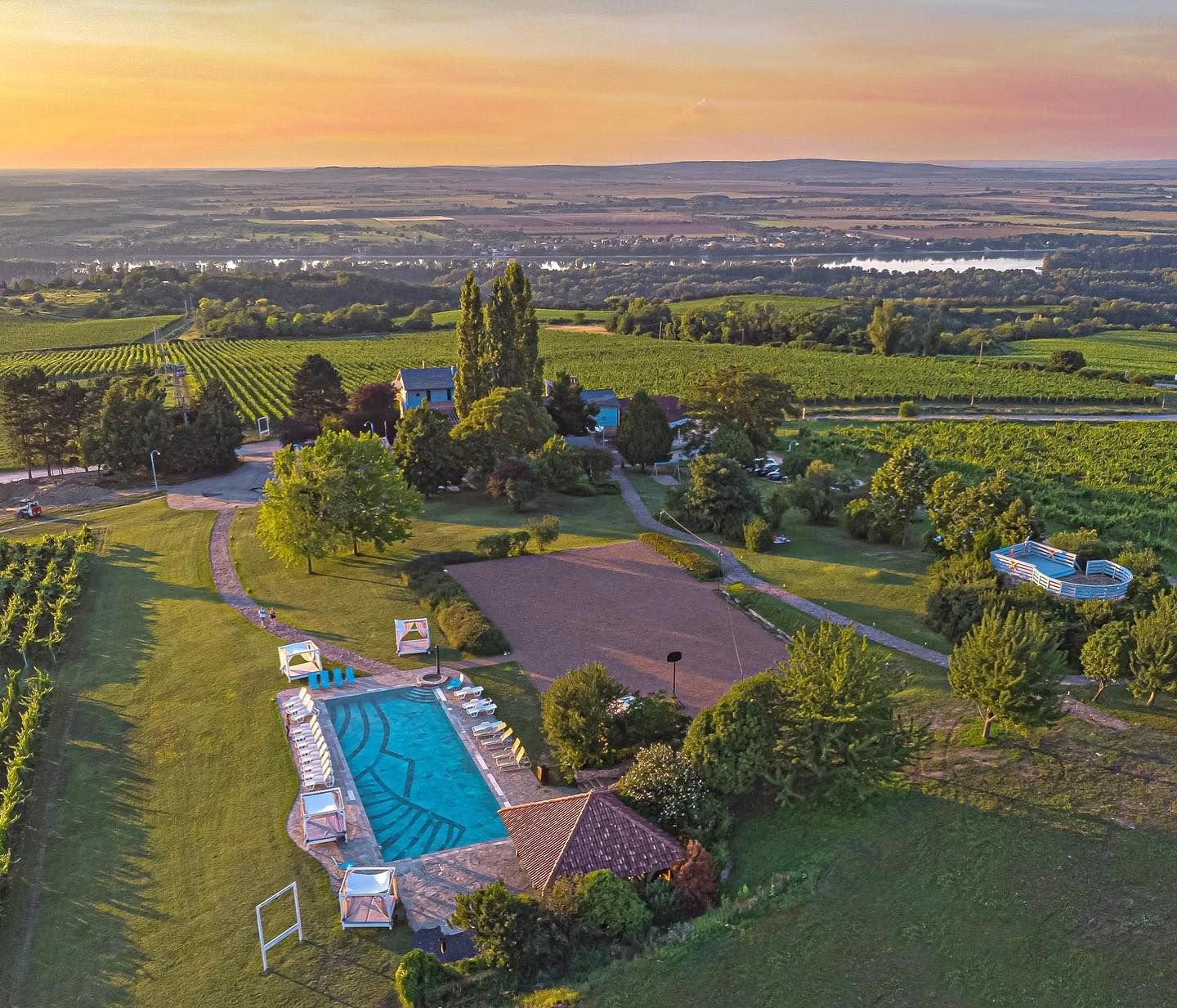

Restaurants in Neszmély
Browse all →

Hotels in Neszmély
Browse all →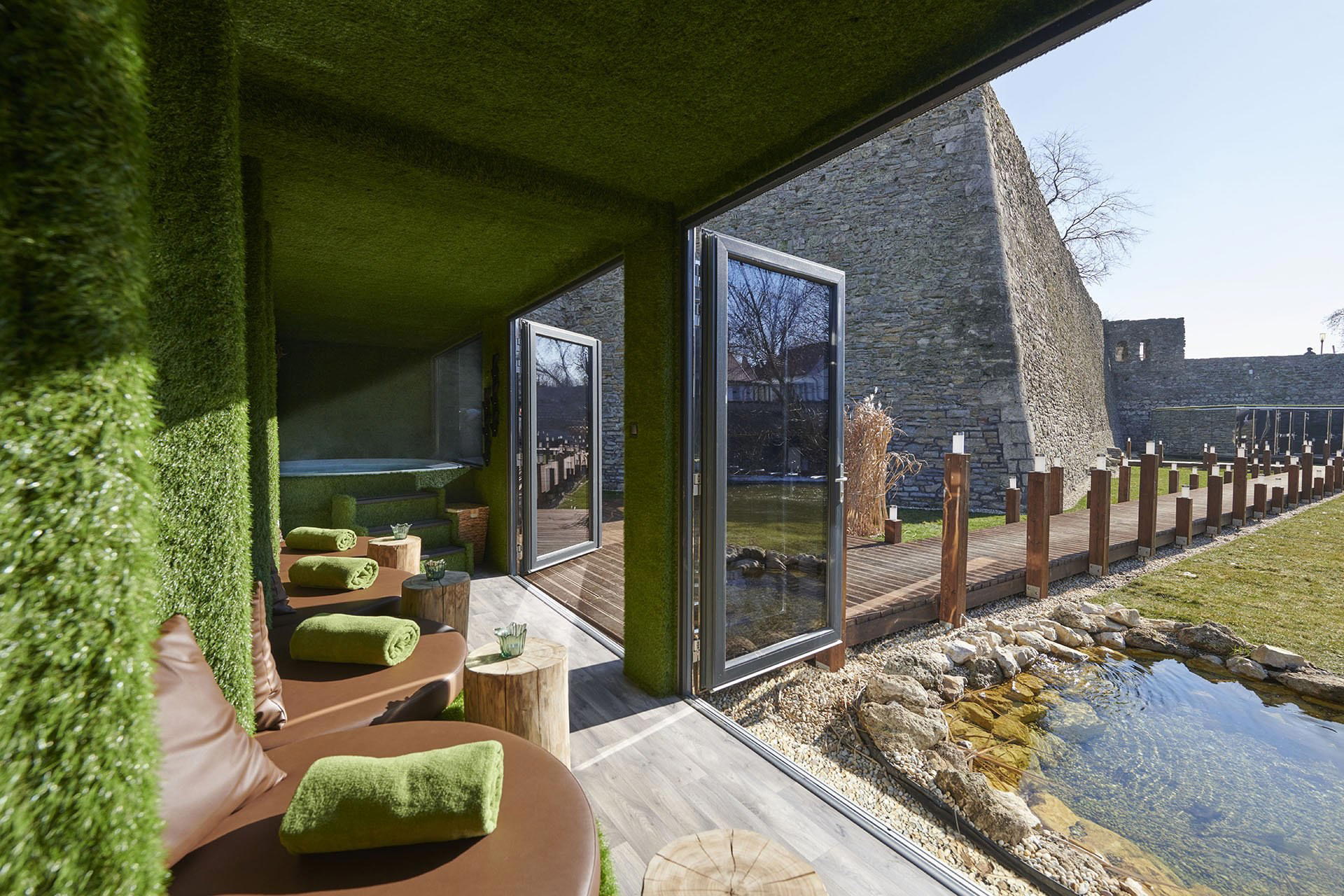
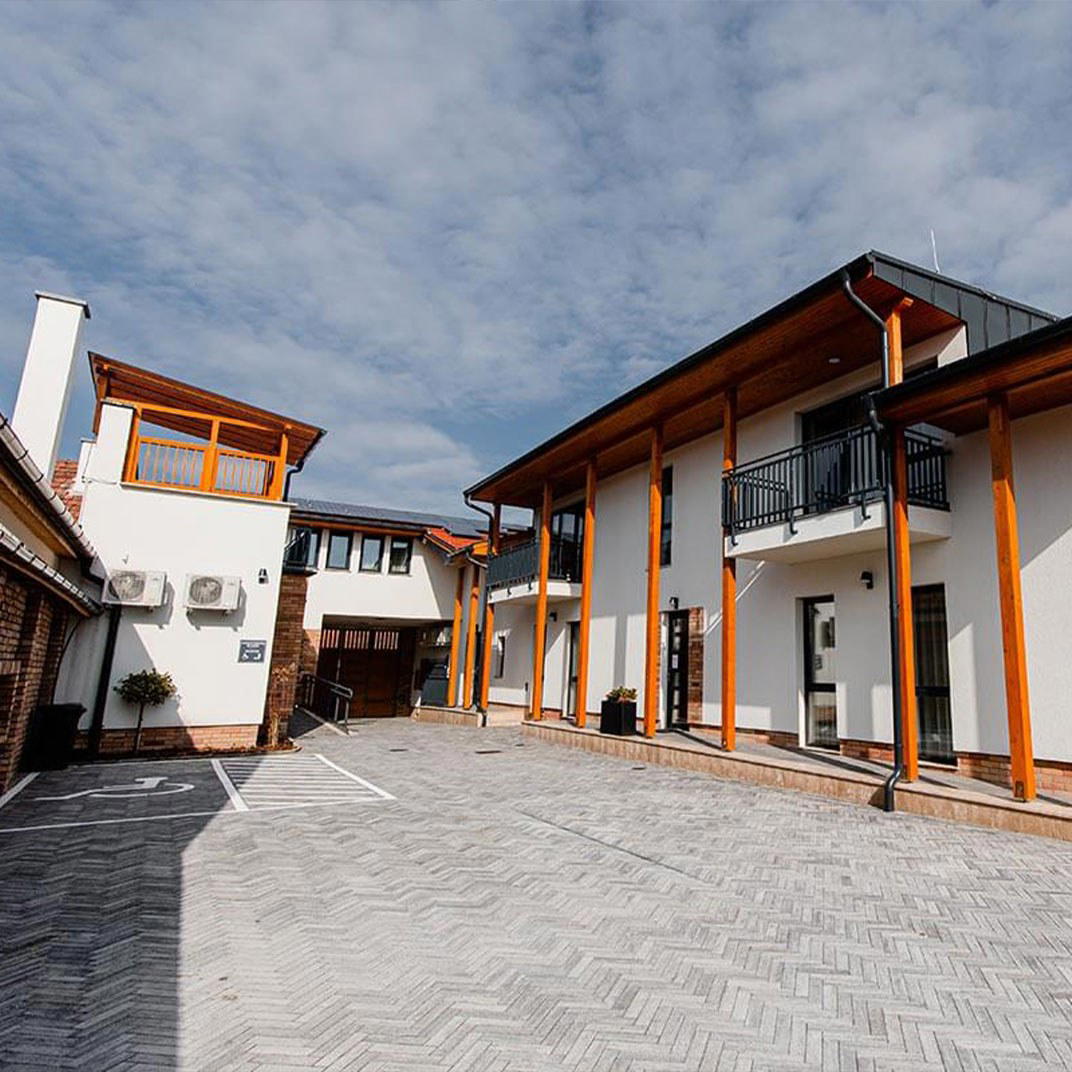
At a Glance
- Rustic
- Classic
- Wine Education
- Solo Exploration
- Cave Tasting
- Vineyard Tour
- Vineyard
- Neszmély
- Olaszrizling
- Sauvignon Blanc
- Chardonnay
- Still White
- Cave Tasting
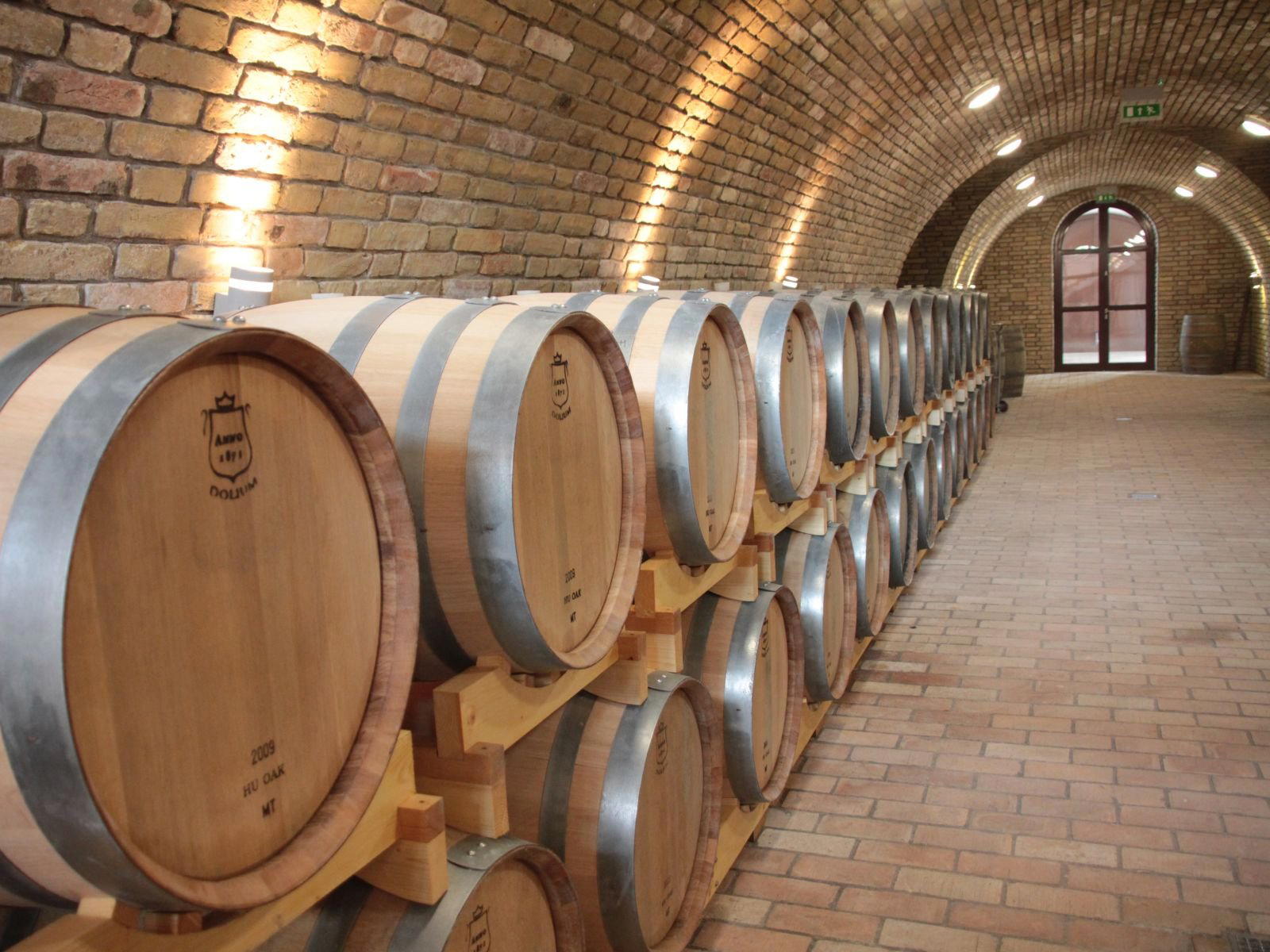
Traditional and rustic atmosphere in an historic Hungarian wine cellar.