Set within the historic grounds of Halič Castle in southern Slovakia, Rosalia zámocká reštaurácia occupies a setting that few dining rooms in the country can match. The castle's agricultural heritage and the surrounding Novohrad region's farming traditions shape the kind of cooking you find here: grounded in local produce, oriented toward Central European technique. For travellers passing through the Lučenec district, it represents the clearest expression of what Slovak castle hospitality looks like today.
Pearl is the En Primeur Club membership app — saves, bookings, and concierge access live there. Same editors, same standards.
- Address
- 985 11, Halič, Slovakia
- Phone
- +421472852200
- Website
- galicianueva.sk
- Directions
- Get directions
 Saves & bookings on Pearl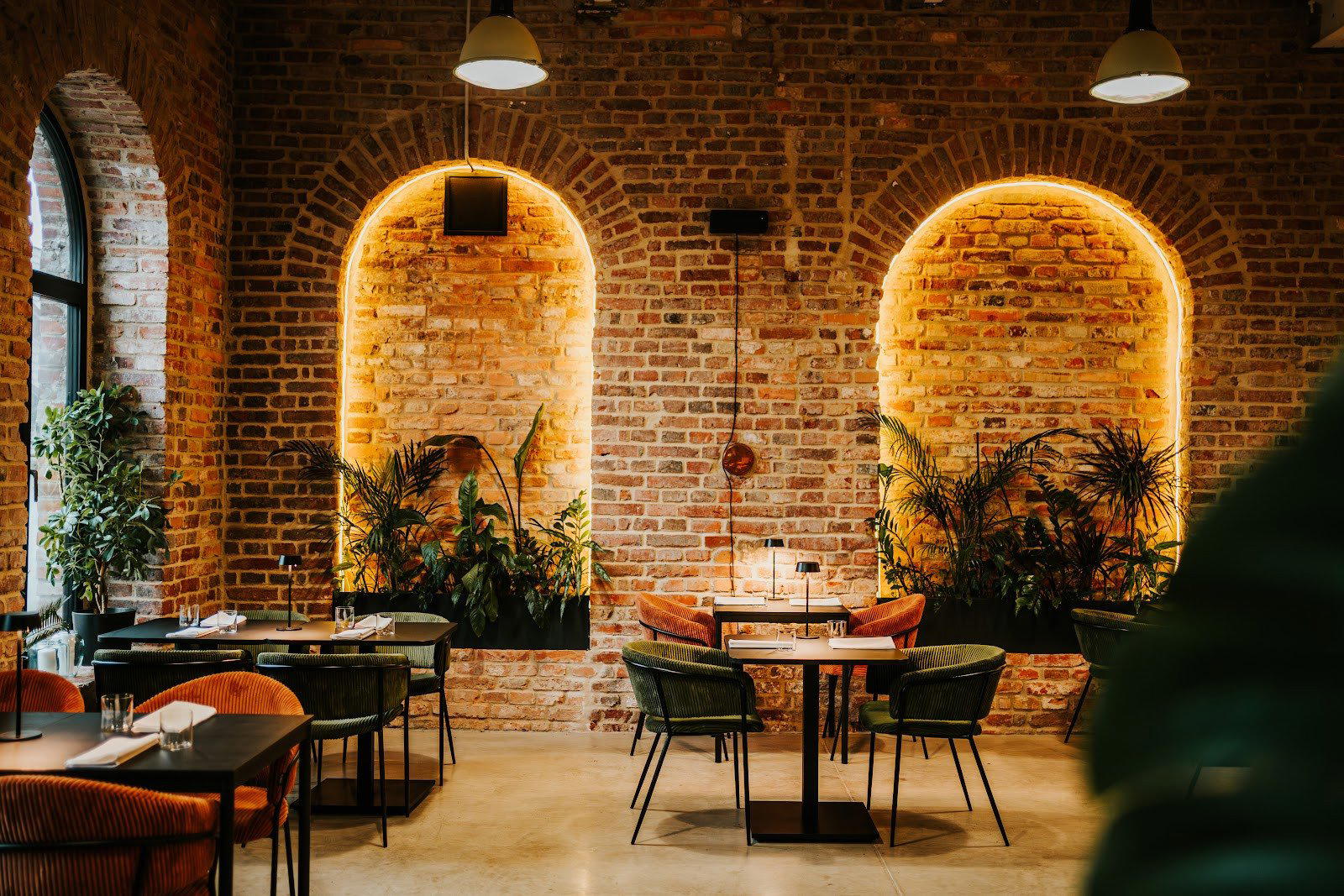
Castle Dining in Novohrad: What the Setting Actually Means
Slovakia's restaurant scene has long operated in two parallel registers. In Bratislava and Košice, a generation of chefs trained abroad has pushed toward contemporary European formats, as you can see at Don Saro Cucina Siciliana in Bratislava. Outside those centres, a different tradition persists: castle and manor restaurants that derive their identity not from chef celebrity or tasting-menu theatrics, but from their physical and agricultural context. Rosalia zámocká reštaurácia in Halič belongs to that second category, and understanding it means understanding the Novohrad region first.
Halič Castle, which dates to the medieval period and was substantially reconstructed in the Baroque era, sits in the Lučenec district of southern Slovakia, close to the Hungarian border. The landscape here is agricultural rather than alpine, shaped by the Ipeľ River valley and the gently rolling hills of the Slovak-Hungarian borderland. That geography matters for the kitchen. The borderland character of Novohrad means its food traditions pull from both Slovak and Hungarian influences, producing a regional cuisine that differs meaningfully from the highland koliba cooking you find further north at places like Koliba Patria in Štrbské Pleso or KOLIBA na Vršku in Bytča.
Where the Ingredients Come From
The Novohrad region's food identity rests on smallholder agriculture and proximity to Hungarian paprika-growing territory. This is not a region of industrial supply chains. The farms around Lučenec and Halič have historically supplied local households and small producers rather than urban markets, which means ingredients arriving in a kitchen here tend to be seasonal, local by necessity rather than by marketing, and reflective of what the borderland soil and climate actually produce.
What that means in practice for Central European castle cooking: root vegetables, game, freshwater fish from rivers including the Ipeľ, pork in its many preserved forms, and soft-fruit preserves that carry the summer into colder months. The paprika influence crossing from the Hungarian south adds warmth and colour to preparations that might otherwise skew toward the plainer Germanic register common further northwest. Compared to the farm-sourcing model at Fatrabeef in Ľubochňa, where beef provenance is the explicit editorial point, castle restaurants in southern Slovakia tend to source more broadly across a range of local producers without centring on a single flagship ingredient.
For context on what ingredient sourcing looks like at the more explicit end of the Slovak premium spectrum, Wild Kitchen Modra in Modra and Holotéch víška in Košariská both illustrate how the country's smaller regional kitchens are tying sourcing to identity in increasingly deliberate ways. The castle dining format in Novohrad is less explicit about this, but the regional logic is embedded in what ends up on the plate.
The Physical Experience
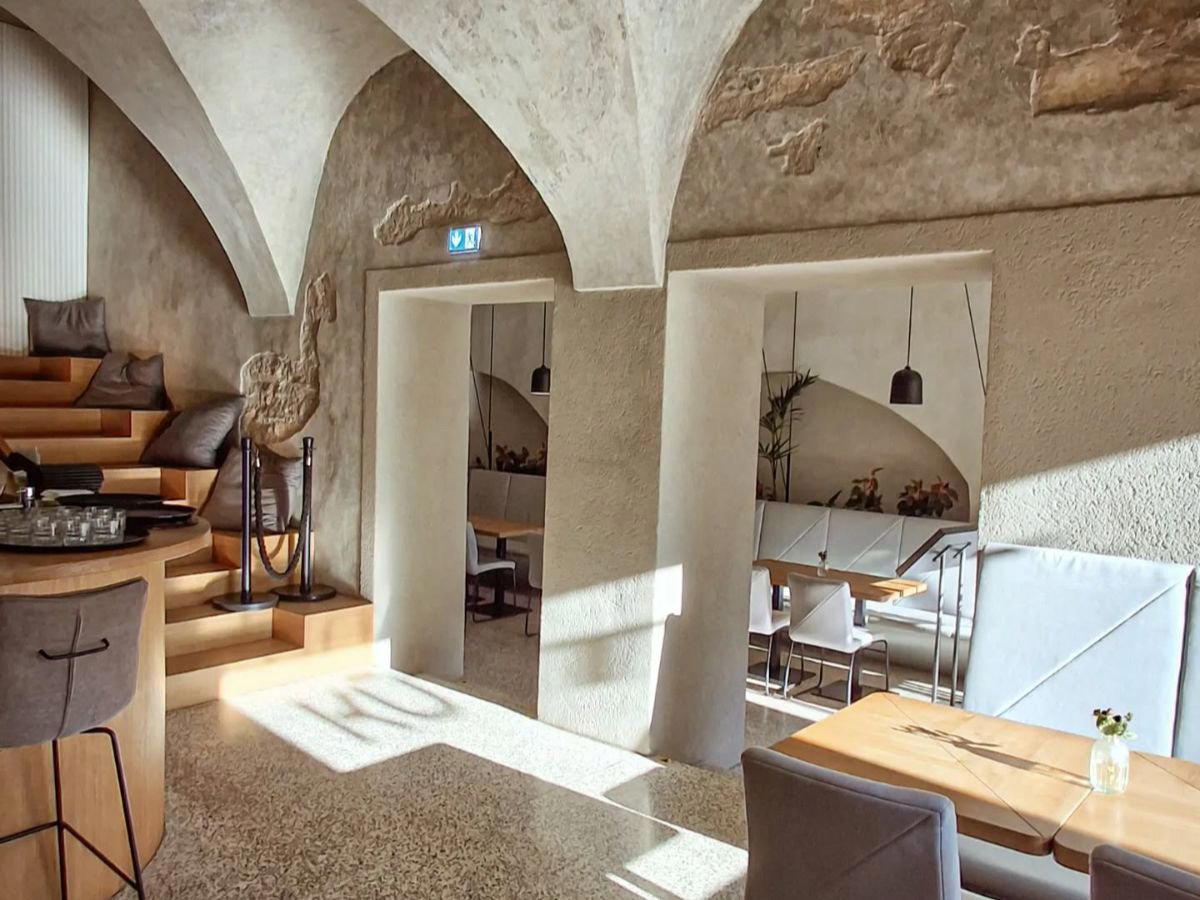
Arriving at Halič Castle, the approach is architectural before it is culinary. Baroque castle complexes in this part of Slovakia were designed as statements of landed authority, and Halič is no exception: the scale of the main facade and the surrounding grounds set expectations before you reach the restaurant itself. Castle restaurants in this format typically occupy ceremonial or service wings, with interiors that retain period detailing, whether vaulted ceilings, stone flooring, or painted decoration, rather than undergoing the kind of clean modernist renovation that characterises urban Slovak dining rooms.
That physical framing is not incidental to the dining experience. It positions the meal as part of a heritage encounter rather than a purely gastronomic one, which aligns Rosalia with venues like Kaštieľ Čičmany in Čičmany and Hotel and Restaurant Gino Park Palace in Považská Bystrica, where the building is part of what you are paying for. Visitors who approach castle dining purely as a restaurant transaction tend to find it overpriced relative to urban alternatives; visitors who treat it as a combined cultural and culinary experience find the equation more favourable.
Where Rosalia Sits in the Slovak Castle Dining Tier
Slovakia has a significant number of castle and manor house restaurants, ranging from fully restored luxury properties to working agricultural estates with dining rooms attached. Halič Castle has invested in renovation over the past two decades, placing it in the mid-to-upper tier of this category rather than at either extreme. It is not the rough-edged rural experience you find at smaller koliba operations, nor the full resort infrastructure of the country's flagship château hotels.
For travellers coming from further afield, the comparison set that matters is Central European castle dining broadly: similar formats exist in Czech Moravia, western Hungary, and Austrian Lower Austria, and Slovak examples generally price below their Austrian counterparts while offering comparable historic settings. Rosalia zámocká reštaurácia is a mid-priced restaurant, with an estimated spend of about $32 per person. The Halič location is accessible from Lučenec, which connects via road to Banská Bystrica and further to the national rail network. Visitors combining Rosalia with the wider Novohrad region should note that the area's other heritage sites, including the Fiľakovo Castle ruins closer to the Hungarian border, make for a coherent day itinerary beyond the castle grounds. For those building a broader Slovak dining itinerary, our full Halič restaurants guide covers the local options in more depth.
The Honest Assessment
Castle restaurants across Central Europe occupy an unusual critical position. They are rarely where you find technically accomplished cooking in a country, and that is not what they are for. What they offer is context: the sense that a meal is situated in a specific place, a specific history, and a specific agricultural region, rather than floating in the placeless modernity of the contemporary restaurant format. At the high end of the global market, that situatedness commands a premium, as it does at Le Bernardin in New York City or Atomix in New York City, where the context of a room is as carefully constructed as the food. In Slovak castle dining, the context is inherited rather than constructed, which is both the limitation and the appeal.
Rosalia zámocká reštaurácia in Halič makes its case through that inherited context, through the Baroque architecture, the borderland ingredient traditions of Novohrad, and the specific combination of Slovak and Hungarian culinary registers that the region produces. Whether that case is compelling depends on what you are looking for. Compared to the urban Slovak dining options at Focus Restaurant in Žilina or the regional character of Afrodita in Čereňany, Rosalia offers something more specific: a meal that the landscape and history of southern Slovakia have, in some sense, been preparing for a long time.
Travellers moving through central and southern Slovakia with time to extend beyond the main corridors will find the Halič area a coherent stop, particularly when combined with visits to the broader Novohrad heritage circuit. For a contrasting experience of Slovak regional dining at different price points and formats, Allora Fresh Pasta in Nitra, Cafe Sissi in Trenčín, Hotel and Restaurant Drak in Liptovský Mikuláš, and Bulli Kebab in Košice illustrate the range of what the country's dining scene covers. And for a sense of what vitality-oriented hotel dining looks like in a different Slovak context, Klára v GOYA vitality hotel in Voderady provides a useful point of comparison.
Quick Comparison
Comparable venues nearby, for context on price, style, and recognition.
| Venue | Cuisine | Price | Notes |
|---|---|---|---|
| Rosalia zámocká reštauráciaThis venue — the venue you are viewing | Modern Slovak Fine Dining | $$$ | Not listed |
| Nitriansky Furmanský Dvor | Modern Slovak Cuisine | $$ | Nitra Center |
| Slávia | Traditional Slovak with Modern Interpretation | $$ | city center |
| YellCousine | Modern Slovak Cuisine | $$ | Bystrická cesta |
| Sýpka u Ludvíka | Traditional Slovak | $$ | Báb |
| FREYM | Modern Slovak Bistro | $$ | Staré Mesto |

At a Glance
- Elegant
- Classic
- Romantic
- Special Occasion
- Celebration
- Date Night
- Historic Building
- Garden
- Garden
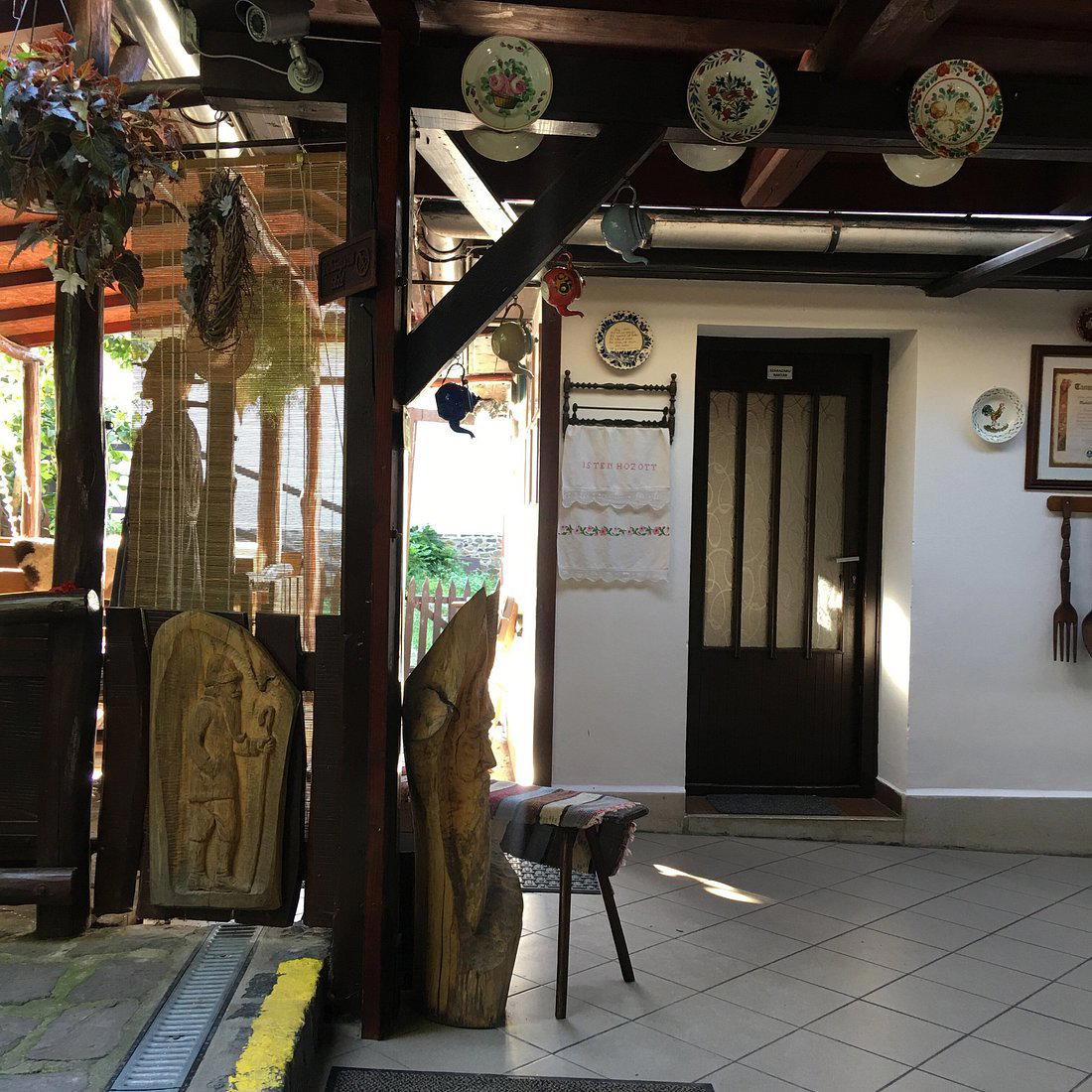
Elegant castle ambiance with covered courtyard and garden seating.