
Falstaff Restaurant - 93 Falstaff Points
Our verdict
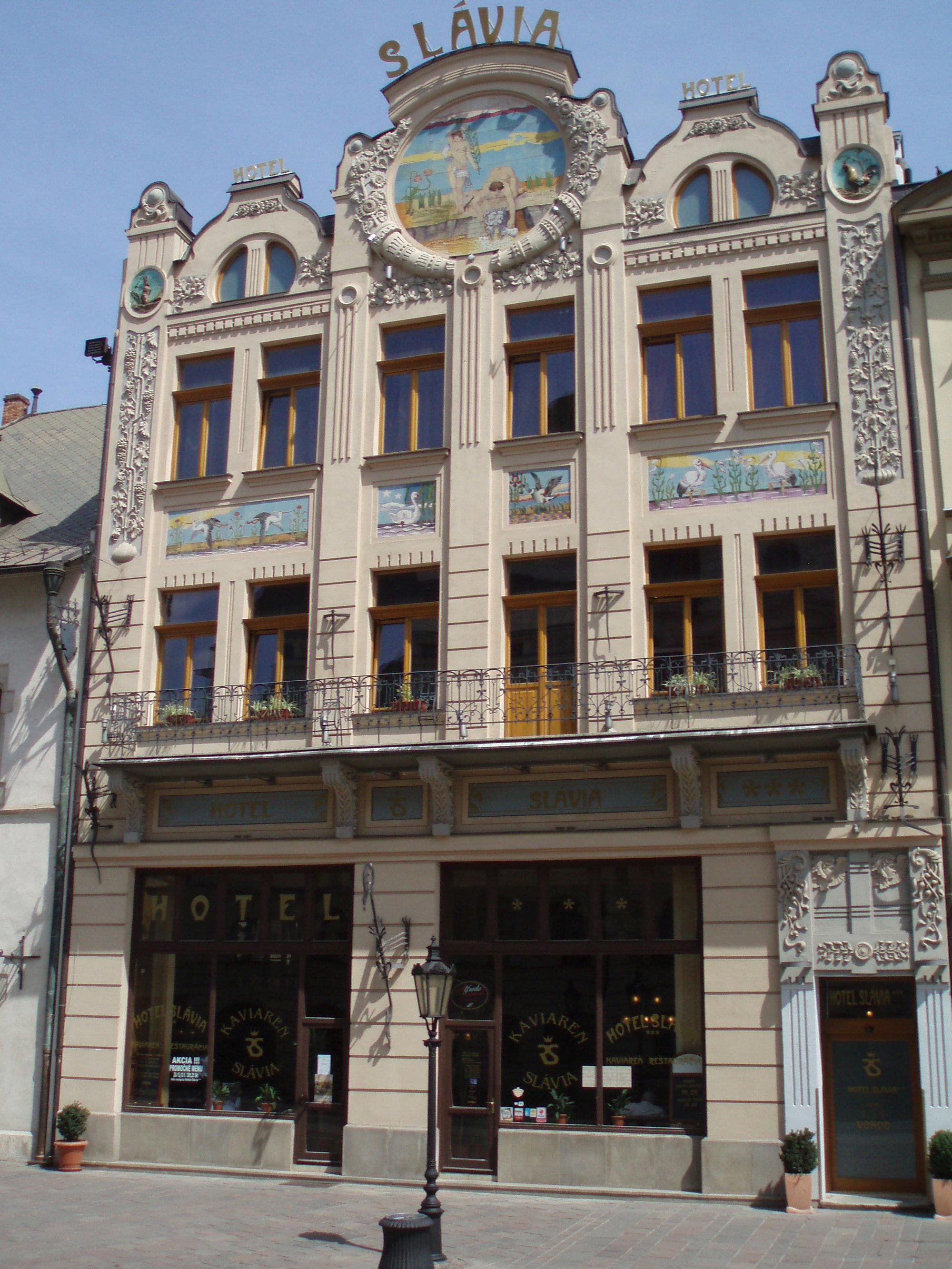
On Košice's main pedestrian boulevard, Slávia occupies a position that says something about how the city feeds itself: address first, identity second. Located at Hlavná 63 in the Staré Mesto old town, the restaurant draws on Central European café-restaurant tradition at a moment when Košice's dining scene is quietly recalibrating around provenance and craft. A reference point on one of Slovakia's most visited urban promenades.

Pearl is the En Primeur Club membership app, where members save venues, book tables and use the concierge.
The menu
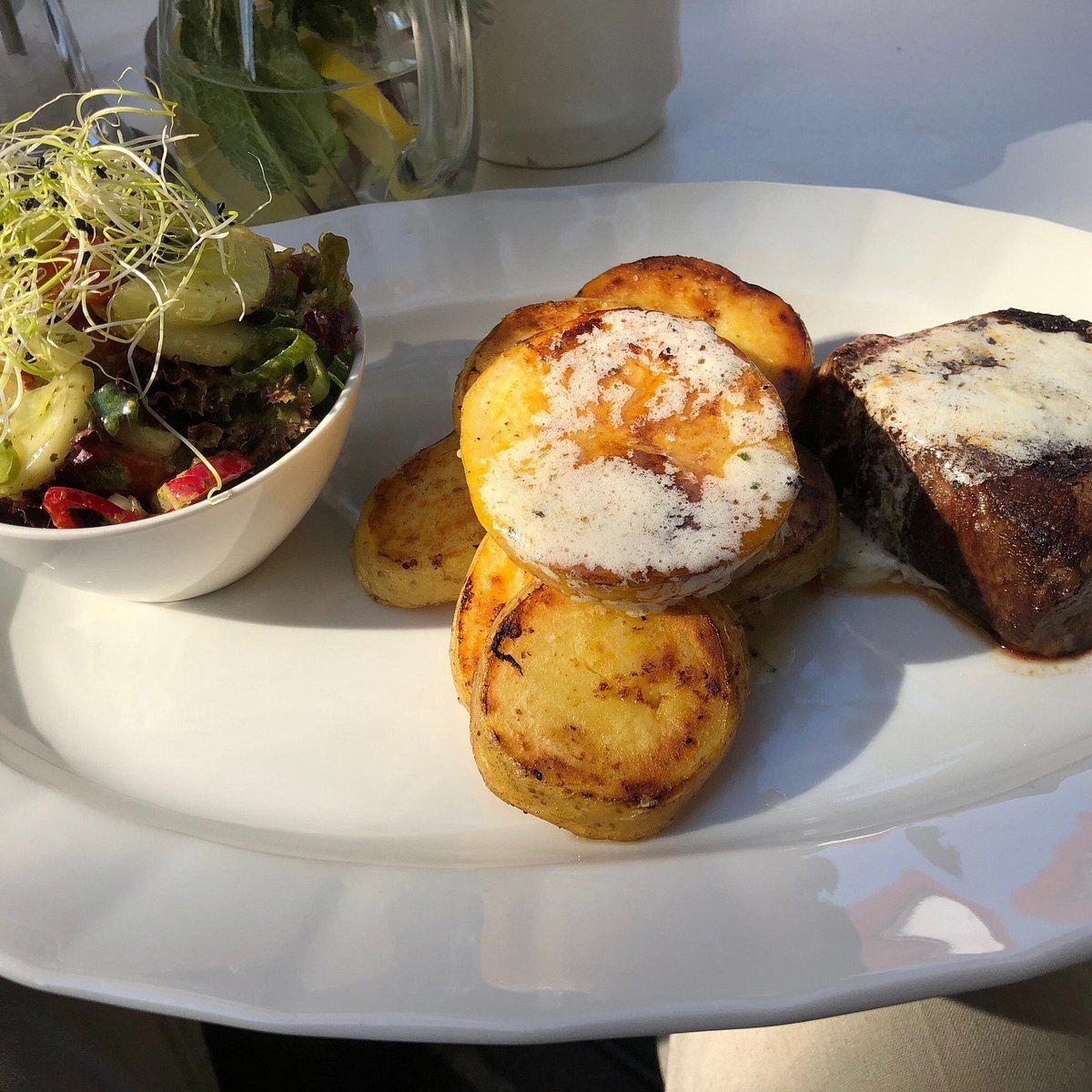
What to order
- Mačanka
- Duck
- Lamb
- Fish soup
- Stroganoff
- Strawberry yogurt mousse
Hlavná Street and the Weight of an Address
Košice's Hlavná ulica is one of Central Europe's longer pedestrian promenades, and the buildings that line it carry the kind of institutional gravity that accumulates over centuries. The street has hosted coffeehouses, political meetings, and everyday Slovak life in roughly equal measure. To occupy a room at Hlavná 63, in the Staré Mesto district that anchors the city's historic core, is to inherit a particular set of expectations: that the space will feel permanent, that the food will reflect something beyond trend, and that the atmosphere will balance occasion with ease. Slávia sits at that address, and the name itself signals lineage, Slávia is one of the recurring names in Central European café culture, appearing across Prague, Bratislava, and smaller Slovak cities as shorthand for a certain pre-war bourgeois tradition of long afternoons and serious food.
The Provenance Question in Slovak Dining
Across Slovakia's mid-sized cities, the most interesting dining shift of the past decade has been a quiet reorientation toward ingredient origin. This is not a farm-to-table marketing exercise of the kind that reached saturation in Western European capitals. In Košice specifically, it tracks more closely to a regional pride that connects eastern Slovakia's agricultural belt, the Bodva and Hornád river valleys, the upland pastures near Spišská Nová Ves, to urban plates. The region produces distinct dairy, freshwater fish, game, and grain varieties that bear almost no resemblance to the industrially processed equivalents that dominated Slovak institutional cooking through the 1990s and 2000s. Restaurants on Hlavná that take sourcing seriously are, in that context, making an implicit argument about what Slovak food actually is when it draws from its own geography rather than approximating something else.
A comparable model is visible elsewhere in Slovakia. Fatrabeef in Lubochna has built its identity almost entirely around a single regional protein source, demonstrating that hyperlocal specificity can function as a full program rather than an accent. Focus Restaurant in Žilina represents the more polished urban execution of Slovak regional produce within a contemporary format. Košice's equivalent tier is still consolidating, and venues on Hlavná occupy different positions within that consolidation.
What the Staré Mesto Setting Produces
The Staré Mesto setting shapes the experience before the food arrives. Košice's old town is compact relative to Bratislava's, and the density of its architectural heritage, Gothic, Baroque, Secession, and early modernist buildings within a few hundred metres, creates an environment in which hospitality venues face pressure to match the physical gravity of their surroundings. Cafés and restaurants on Hlavná that succeed tend to do so by reading that pressure correctly: the room matters, the pace matters, and the expectation is that an hour here should feel substantively different from an hour at a suburban shopping centre outlet.
Central European café-restaurant tradition, in its functioning form, operates as a third space between the domestic and the purely commercial. You are neither at home nor entirely in public. The table is yours for the duration of the visit without clock-watching from staff, the menu spans morning, midday, and evening without hard resets, and the social contract between guest and venue is grounded in a kind of mutual permanence. That format is harder to sustain than it appears, and in many post-communist Central European cities it survived in name only while losing its actual operating logic. The venues that have maintained it with integrity represent a meaningful part of the region's hospitality identity.
Comparable exercises in that tradition exist across Slovakia. Cafe Sissi in Trenčín operates within the same café-restaurant register, while Mlyn 108 in Modra demonstrates how a historic physical setting can be held in productive tension with a contemporary food program. At a different scale entirely, the technical precision of Atomix in New York City or the long-form seafood commitment of Le Bernardin illustrate how a single sourcing or format discipline, sustained at high intensity, can define a restaurant's entire identity, a lesson applicable at any price point.
Košice's Dining Tier in Context
Košice operates as Slovakia's second city, which produces a particular dining dynamic. It is large enough to support genuine restaurant ambition but small enough that the audience for high-concept or expensive formats is limited. The result is a scene that tends toward quality within accessible price ranges, with a handful of venues pushing into more demanding territory. On Hlavná itself, the competition is less about direct peer rivalry than about capturing the footfall of a city that has seen increased visitor numbers following its time as European Capital of Culture in 2013, an event that accelerated infrastructure investment and shifted how the city positions itself externally.
Bulli Kebab illustrates the breadth of the city's offer, which now runs from casual street-format eating to table-service venues capable of handling serious occasion dining. The full range is mapped in our full Košice restaurants guide.
For reference points outside Košice, Don Saro Cucina Siciliana in Bratislava shows what a clear cuisine identity can do for a Slovak city restaurant's positioning, and Alej Bojnice in Bojnice demonstrates how Slovak regional heritage translates into a structured dining experience outside the main urban centres. Across the wider regional picture, ARTE in Svätý Jur, Allora Fresh Pasta in Nitra, and Afrodita in Cerenany each offer a version of the provenance-aware approach at different scales. Dublin Cafe in the Prešov District represents the café-format register in Košice's nearest urban neighbour.
Planning a Visit
Slávia's address at Hlavná 63 places it within direct walking distance of Košice's main cathedral, St. Elisabeth's, and the city's principal museums and galleries, making it a practical base for a midday pause during a day in the old town. The Staré Mesto district is served by tram from the broader city and is accessible on foot from most central accommodation. As with most venues on Hlavná, the street's pedestrian layout means arrival is on foot from the nearest tram or bus stop rather than by private vehicle directly to the door. Current contact details, hours, and booking arrangements should be confirmed directly with the venue or via current local listings, as operational information for Košice restaurants shifts seasonally.
Frequently asked questions
Is Slávia suitable for children?
Hlavná ulica in Košice runs as a pedestrian promenade at a relaxed pace, and café-restaurants along the Staré Mesto stretch generally accommodate families without issue. Slávia's address at Hlavná 63 puts it in the middle of that low-traffic zone, away from road noise.
What should I expect atmosphere-wise at Slávia?
Slávia sits at Hlavná 63 in Košice's Staré Mesto, one of Central Europe's longer pedestrian promenades, where the streetscape is defined by preserved Baroque and Art Nouveau facades. The atmosphere is shaped by that architectural density rather than by any single design intervention inside the venue. Košice operates as Slovakia's second city, which means the pace here is less pressured than Bratislava without sacrificing the seriousness of a city with genuine restaurant ambition.
How does Slávia's location on Hlavná 63 relate to Košice's main sights?
Hlavná 63 places Slávia within walking distance of St. Elisabeth's Cathedral, the dominant Gothic landmark of Košice's old town and a reference point for most visitor itineraries in the city. The Staré Mesto district is compact relative to Slovakia's capital, so the restaurant functions as a practical base for a day spent in the historic centre. For visitors arriving by train, Košice's main station sits on the eastern edge of the old town, making the Hlavná promenade reachable on foot in under ten minutes.
What dish is Slávia famous for?
In the broader context of eastern Slovak café-restaurant dining, venues at this kind of Staré Mesto address typically draw on regional produce from the agricultural sub-regions around Košice.
What's Slávia's location?
Slávia is located at Hlavná 63 Staré Mesto, 040 01 Staré Mesto, Slovakia, Kosice.
Quick Comparison
Comparable venues nearby, for context on price, style, and recognition.
| Venue | Cuisine | Price | Awards | Notes |
|---|---|---|---|---|
| SláviaThis venue (the venue you are viewing) | Traditional Slovak with Modern Interpretation | $20–30 | Falstaff Restaurant - 93 Falstaff Points | Not listed |
| FREYM | Modern Slovak Bistro | Not listed | Not listed | Staré Mesto |
| Camelot | Central European Medieval Gastropub | $20–30 | Not listed | Old Town |
| Krčma Letná | Traditional Slovak Cuisine | Not listed | Not listed | Staré Mesto |
| Pivovar Hostinec | Traditional Slovak Brewery Pub | $10–20 | Not listed | Staré Mesto |
| Seven Restaurant Café by Villa Sandy, City Park Resort | New Cuisine of Slovakia | Not listed | Star Wine List · Falstaff Restaurant - 92 Falstaff Points | Staré Mesto |
Recognition history
Dated appearances from independent guides and award organizations, with the underlying list record or original source where available.
Falstaff Restaurant - 93 Falstaff Points
Falstaff
Continue exploring
More in Kosice
Restaurants in Kosice
All restaurants in Kosice →


Details
- Classic
- Elegant
- Well Known
- Sophisticated
- Cozy
- Business Dinner
- Date Night
- Family
- Celebration
- Casual Hangout
- Historic Building
- Standalone
- Terrace
- Craft Cocktails
- Beer Program
- Local Sourcing
- A La Carte
- Cocktails
- Wine
- Vegetarian Friendly
- Vegan Options
- Gluten Free Options
Current opening hours
- Monday
- 8 AM–11 PM
- Tuesday
- 8 AM–11 PM
- Wednesday
- 8 AM–11 PM
- Thursday
- 8 AM–11 PM
- Friday
- 8 AM–11 PM
- Saturday
- 9 AM–11 PM
- Sunday
- 9 AM–10 PM
Hours can change for holidays and private events. Hours as of .
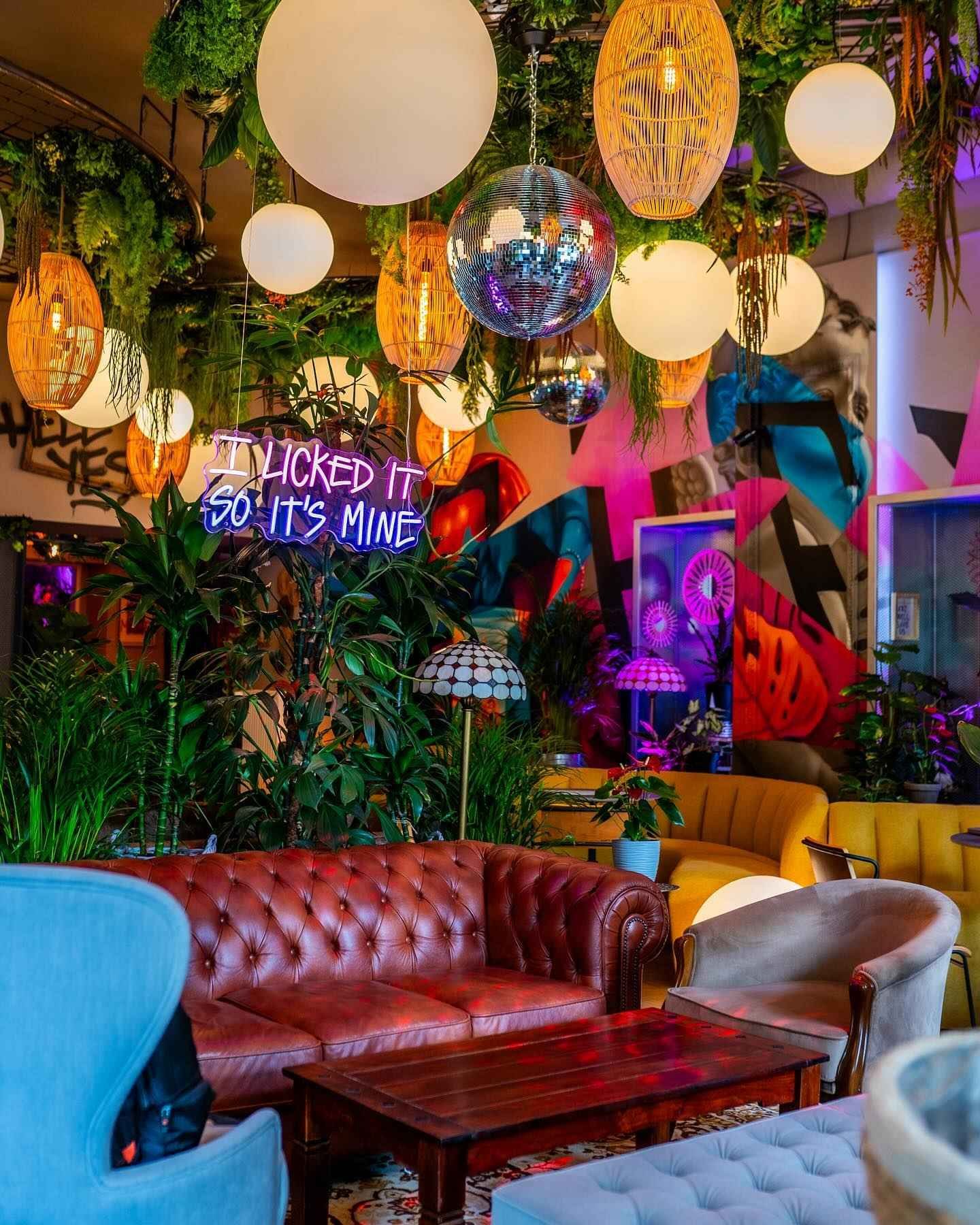
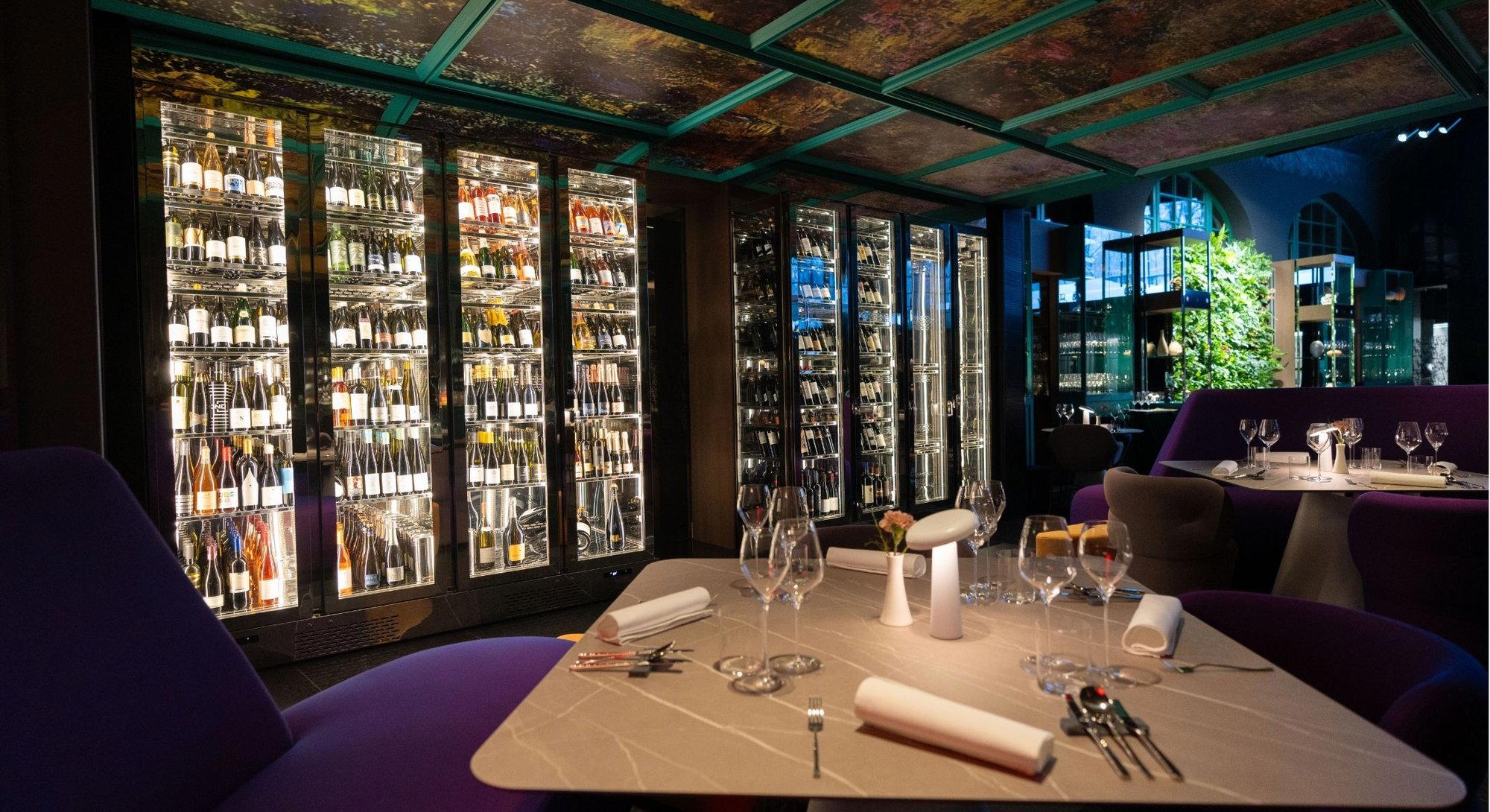
Warm and inviting with Art Deco-style interiors featuring grandeur and comfort, evoking imperial-era elegance while maintaining a welcoming, sophisticated atmosphere.